No products in the cart.
Shop all products
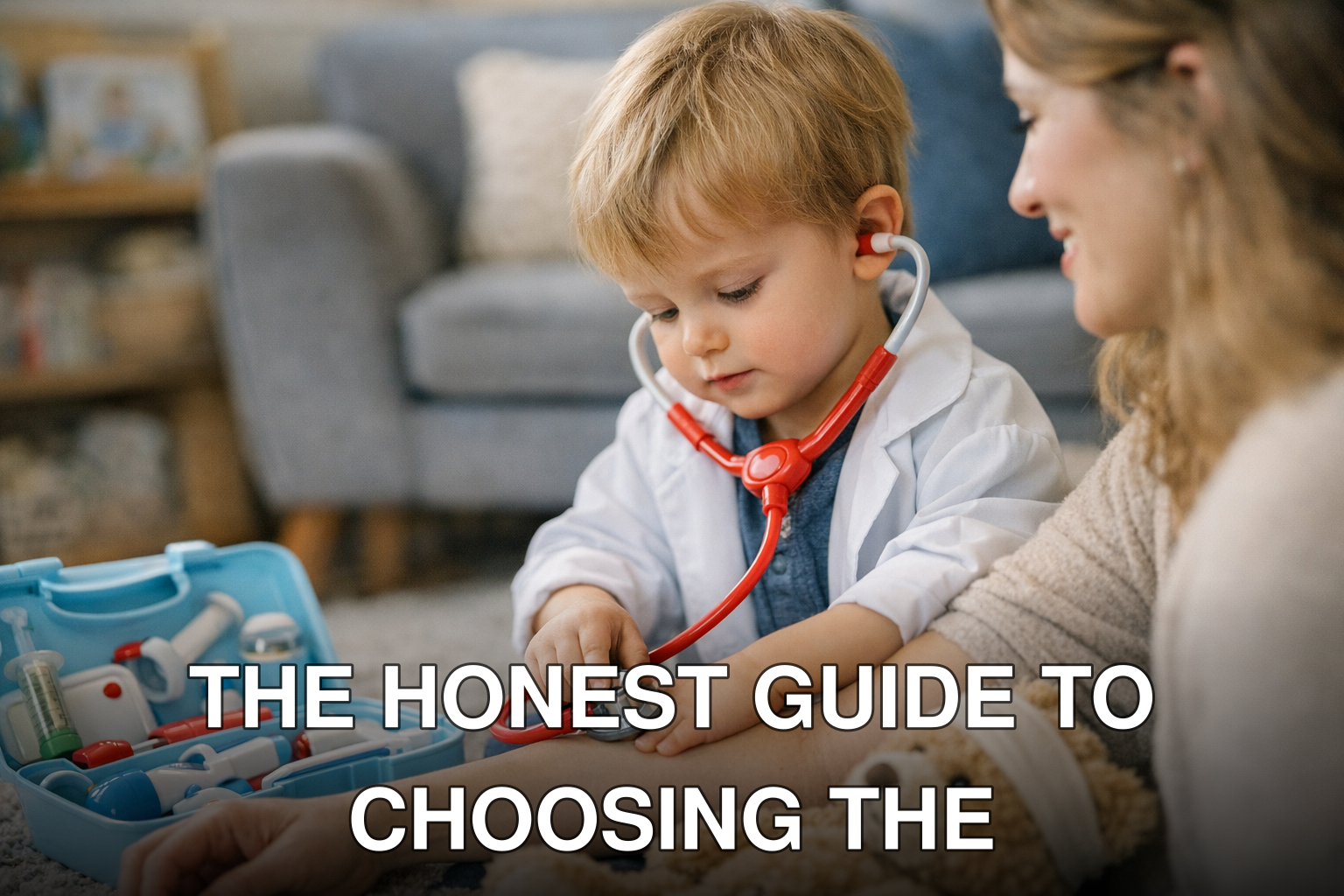
Your toddler just tried using your hairbrush as a stethoscope, and now you’re Googling “best pretend doctor kit” faster than you can say, “Don’t put that in your ear!” Sound familiar? If you’re like most parents of curious little ones, you know the struggle. They want to play doctor, but you want something that’s safe, fun, and—let’s be honest—educational enough to justify the mess.
Here’s the thing: not all pretend doctor kits are created equal. Some are packed with cheap plastic pieces that break before your coffee cools. Others look fancy but don’t do much beyond cluttering up your living room floor. That’s why finding the right one matters.
In this guide, you’ll discover:
- What makes a doctor kit truly educational (hint: it’s more than just lots of pieces).
- The tradeoff between realism and safety for kids under 5.
- A checklist you can use to find a kit that won’t end up in next week’s donation pile.
Let’s dive right in—because trust me, not choosing wisely could cost you more than just money.
What Makes a Doctor Kit Educational?
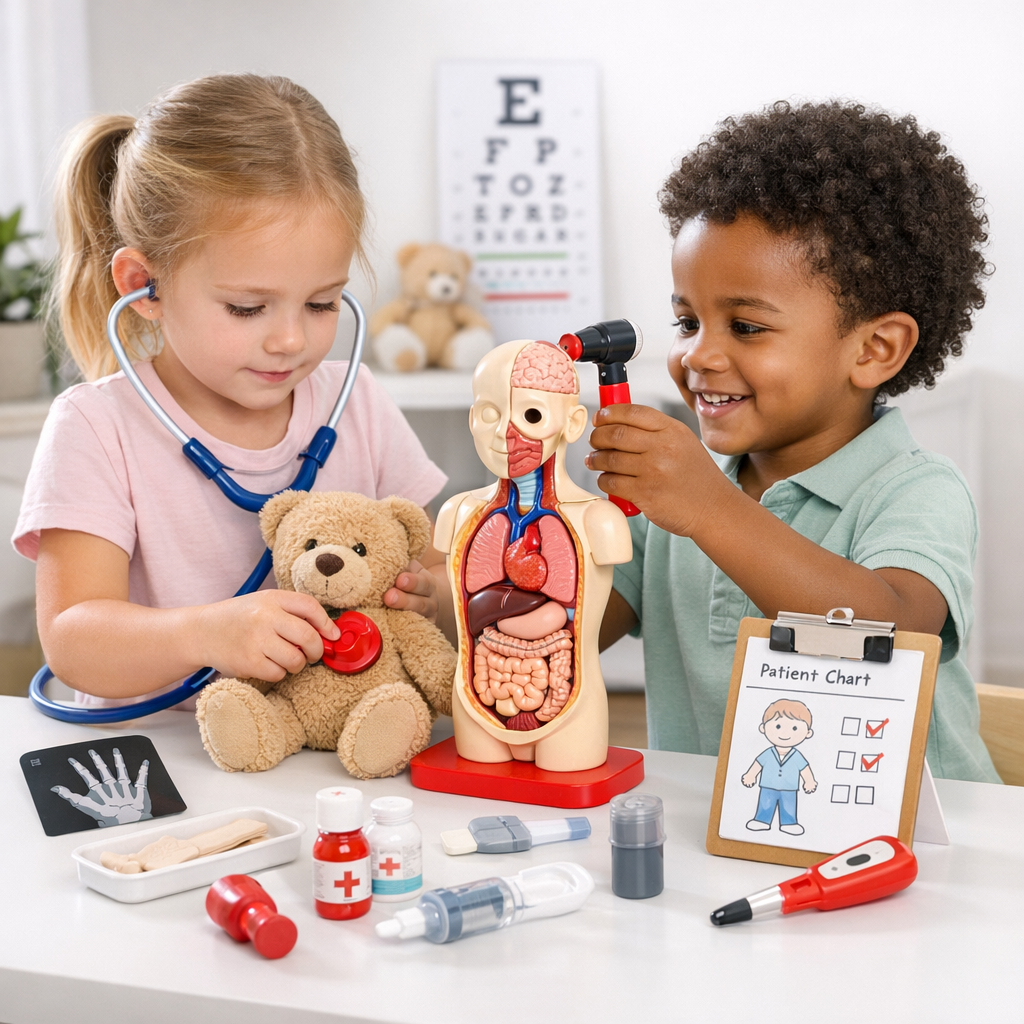
Not every pretend doctor kit earns its “educational” badge. Sure, they all let kids role-play as mini-physicians, but some go deeper—teaching empathy, fine motor skills, and even basic anatomy. Here’s what separates the winners from the forgettable piles of junk:
1. Interactive Features Beat Plain Accessories
Kids learn by doing, not staring at toys that don’t work. Look for kits with tools that light up or make sounds when used properly—like thermometers with digital displays or otoscopes with tiny LED lights. These features help kids connect their actions to outcomes (“I press here; it lights up!”).
But beware of kits overloaded with gimmicks. When I tested one flashy set last year (it had a fake blood-pressure cuff!), my 3-year-old spent five minutes playing with it… then ignored it forever because it didn’t actually do anything he understood.
Key takeaway: Interactive doesn’t mean complicated—but it should involve cause-and-effect learning.
2. Age Appropriateness Is Non-Negotiable
Kids aged 2 aren’t ready for the same tools as 5-year-olds—it’s that simple. For toddlers under 3, focus on chunky pieces they can grip easily without choking hazards (think oversized syringes or stethoscopes). Preschoolers? They’re ready for smaller instruments like reflex hammers or pretend medicine bottles with labels they can “read.”
Also worth reading: 10 Most Popular Montessori Wooden Toy
Common myth: More pieces = better value. Reality: Kits with fewer but well-designed items tend to hold attention longer than overwhelming sets filled with filler items like unnecessary bandages and stickers.
Why Realism Isn’t Always Your Friend
You might think realistic tools make a better learning experience—but here’s where most guides get this wrong: too much realism can backfire for younger kids.
For example:
- Mini scalpels: Some kits include these for surgeon role-play (why??). Even though they’re plastic and harmless, do you really want your toddler pretending to “cut”? Probably not.
- Working thermometers: While cute in theory, these often have tiny batteries—a choking hazard if anything comes loose.
Instead, prioritize tools designed specifically for imaginative play while still teaching real-world concepts safely.
Key takeaway: Skip overly realistic kits unless your child is older and understands boundaries during playtime.
The Cost of Choosing Wrong
Let me paint a picture: It’s December 26th—the day after Christmas—and your child is already bored of their new toy doctor set because half the pieces broke during unwrapping frenzy #3 yesterday morning. Now you’re stuck picking up scattered fragments while silently regretting every penny spent on something labeled “educational.”
This happens because too many parents fall into two traps:
1. Buying cheap sets from big-box stores without checking quality reviews.
2. Assuming bigger sets automatically offer more play value (spoiler alert: they don’t).
Avoiding these pitfalls isn’t hard—you just need to focus on durability and design instead of sheer quantity (we’ll get practical next).
Related guide: read more: 12 Best Role
A Real-Life Scenario: Before vs After Getting It Right
Before: Your kid tries using random household objects—spoons as tongue depressors or straws as thermometers—and gets frustrated when their “tools” don’t work properly during imaginative play sessions.
After: With an age-appropriate doctor kit featuring sturdy plastic tools that fit their hands perfectly (and maybe even light up), they’re happily diagnosing stuffed animals while unknowingly building confidence in problem-solving AND fine motor coordination!
See how much smoother life gets when you match the product to their developmental stage?
Practical Checklist: What To Look For in a Pretend Doctor Kit
Use this handy list before adding anything to your cart:

- [ ] Are all materials non-toxic? Check for BPA-free plastics or wooden alternatives.
- [ ] Does it include interactive elements like light-up tools?
- [ ] Are there choking hazards? Avoid small parts if shopping for kids under three.
- [ ] Does it teach real-world skills like empathy or cooperation?
- [ ] Is everything durable enough to survive rough toddler handling?
When you’re unsure where to start looking, check out this excellent resource on picking safe options tailored specifically for small children here.
Why Safety Certifications Matter More Than Ever in 2026
As regulations tighten on imported toys due partly due increasing recalls involving unsafe components globally – ensuring products meant younger demographic pass strict safety standards never been critical era post-pandemic globalized manufacturing practices tightening scrutiny regulatory authorities alike etc