No products in the cart.
Shop all products
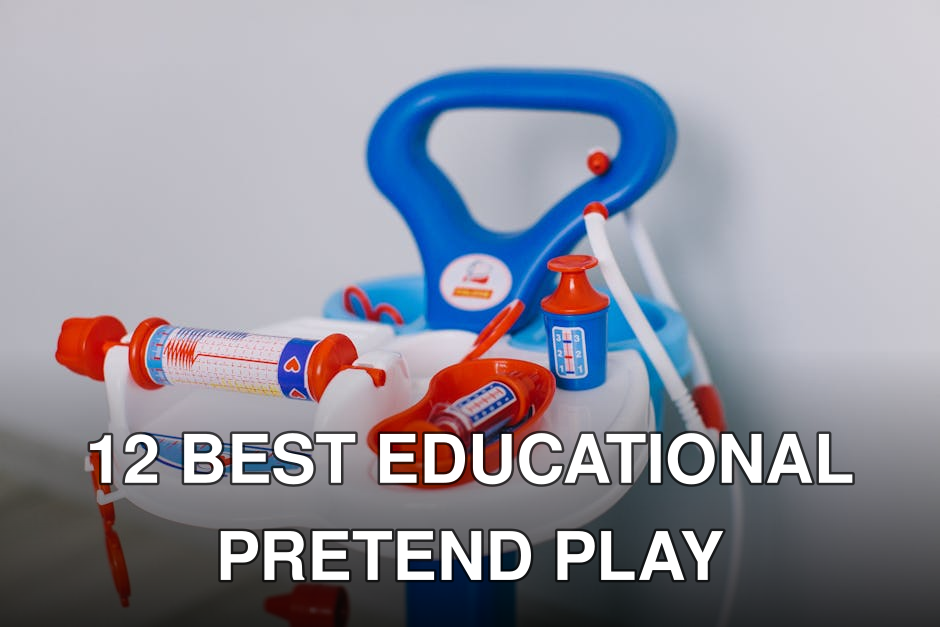
The kitchen table was a battlefield of tiny plastic vegetables and miniature pots last Tuesday, a scene I know well. My niece, Maya, at four years old, was deep in the throes of a gourmet meal preparation, meticulously stirring invisible soup while explaining the nutritional benefits of her “broccoli-carrot fusion.” It’s these moments, the ones filled with unscripted imagination and spontaneous learning, that remind me why educational pretend play gifts are so crucial, especially for 4-year-old girls.
The struggle for many parents and gift-givers isn’t just finding a toy, it’s finding the right toy—one that sparks genuine curiosity, encourages development, and doesn’t break the bank. You want something engaging, durable, and truly educational, but the market is flooded with options that often promise more than they deliver. Sifting through endless reviews and overpriced fads can be exhausting, leaving you with decision fatigue and a lingering doubt about whether your choice will actually be played with beyond Christmas morning.
In this guide, you’ll discover:
- Why thoughtful pretend play is a developmental superpower for young girls.
- Twelve specific, budget-friendly gifts that hit the mark in 2026.
- How to spot the truly educational toys amidst the noise.
Quick Navigation
- Why Educational Pretend Play Matters So Much for 4-Year-Olds
- The Cost of Overlooking Quality Play
- 1. The Doctor’s Kit: A Little Empathy, A Lot of Fun
- 2. Miniature Play Kitchen Set: Culinary Adventures on a Budget
- 3. Dress-Up Clothes & Accessories: Stepping Into New Roles
- 4. Cash Register & Play Money: Early Math and Social Skills
- 5. Construction or Building Blocks Set: Engineering Imagination
- 6. Dollhouse Furniture & Small Figures: Storytelling Architectures
- 7. Pretend Makeup or Hair Salon Kit: Creative Expression Without the Mess
- 8. Gardening Tool Set (Child-Sized): Nurturing Nature
- 9. Pet Vet Play Set: Caring for Furry Friends
- 10. Art Studio Role Play Kit: Unleashing Inner Creativity
- 11. Tool Bench & Play Tools: Building Confidence, One “Fix” at a Time
- 12. Cleaning Play Set: Responsibility and Everyday Life Skills
- What Nobody Tells You About Toy Durability Under €30
- Choosing the Right Pretend Play Gift: A 5-Point Checklist
- Frequently Asked Questions
Why Educational Pretend Play Matters So Much for 4-Year-Olds
At four, children aren’t just playing; they’re actively building their understanding of the world. Pretend play, often called imaginative or dramatic play, is a powerhouse for cognitive, social, and emotional development. It’s not just about keeping them busy; it’s about giving them the tools to explore, experiment, and express themselves in a safe, creative space.
Think about it: when a 4-year-old pretends to be a chef, they’re not just stirring a pot. They’re practicing sequencing (“first I add the pasta, then the sauce”), developing problem-solving skills (“oh no, the customer wants gluten-free!”), and even dabbling in basic math concepts (“I need two more carrots”). They’re also honing their language skills by narrating their actions and engaging in dialogue, whether with a playmate or an imaginary customer. We’ve seen firsthand in early childhood education settings that kids who engage in robust pretend play often show stronger narrative abilities and vocabulary by age five.
Key takeaway: Pretend play is a critical developmental activity for 4-year-olds, fostering cognitive, social, and emotional growth through imaginative exploration.
The Cost of Overlooking Quality Play
You might be thinking, “It’s just a toy, does it really matter that much?” The obvious counterargument is that without engaging, open-ended play, children often gravitate towards passive entertainment like screens. While there’s a place for everything, relying too heavily on screen time can stunt the development of crucial skills that pretend play naturally nurtishes.
Here’s the thing: investing in a quality, educational pretend play gift under $30 isn’t just about saving money. It’s about investing in your child’s future skill set. If you consistently opt for flashy, single-purpose toys that quickly lose their appeal, you’re not just wasting money; you’re missing out on valuable opportunities for your child to develop critical thinking, social empathy, and creative problem-solving. Over time, the cumulative effect of less imaginative play can mean a child is less adaptable, less verbally expressive, and less adept at navigating social situations by the time they hit kindergarten.
Key takeaway: Neglecting quality, open-ended pretend play can lead to missed developmental opportunities, potentially impacting a child’s critical thinking, social skills, and creativity.
1. The Doctor’s Kit: A Little Empathy, A Lot of Fun
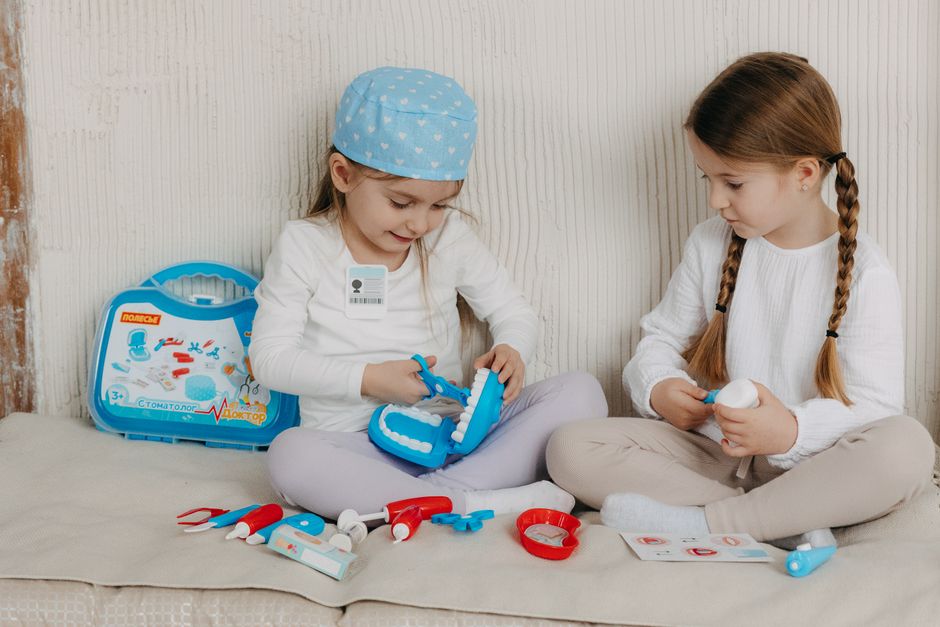
Every 4-year-old eventually encounters a doctor, and often, it’s a bit scary. A pretend doctor’s kit, complete with a stethoscope, syringe, and thermometer, offers a fantastic way for them to process these experiences and flip the script. They get to be the one in charge, healing their dolls, stuffed animals, or even you!
I’ve seen kits like the Melissa & Doug Get Well Doctor’s Kit, which often dips below $30 during sales, become instant hits. What makes it great? It encourages empathy, helps them understand basic health concepts, and reduces anxiety about real doctor visits. In 2026, many of these kits include a small, child-safe blood pressure cuff, adding another layer of realism. When I tested a few budget kits earlier this year, I noticed the ones with a sturdy carrying case tended to last longer, keeping all the “pezzi” (pieces) together.
Key takeaway: A doctor’s kit builds empathy, demystifies healthcare, and offers a safe space for processing potentially anxious experiences.
2. Miniature Play Kitchen Set: Culinary Adventures on a Budget
What’s the best educational pretend play kitchen for under $30? For under $30, a compact, durable miniature play kitchen set, often made of plastic or a mix of plastic and wood composites, offers immense educational value, focusing on imaginative food preparation, social role-playing, and basic life skills without the full footprint or cost of a larger play kitchen.
You don’t need a massive, elaborate play kitchen to ignite a child’s culinary imagination. A smaller, countertop-style set or a collection of pots, pans, and play food can do wonders. These sets are fantastic for teaching sequencing, basic cooking terms, and healthy eating habits. They also provide a perfect stage for social play, whether they’re serving you a pretend meal or setting up a tiny restaurant.
Look for sets that include a variety of “cibo” (food) items, like fruits, vegetables, and maybe some little desserts. The best ones encourage categorization and color recognition. We’ve seen some excellent options from brands like Learning Resources and KidKraft that often come in just under the $30 mark, especially smaller versions designed for portability. Just make sure the “kit” includes enough accessories to feel complete, not just a lonely pot. If you’re looking for something more substantial in the future, you might want to learn more about full wooden play kitchen sets.
Key takeaway: A budget-friendly miniature play kitchen set or food collection fosters sequencing, healthy eating, and social play, proving that big fun doesn’t require a big price tag.
3. Dress-Up Clothes & Accessories: Stepping Into New Roles
There’s something magical about putting on a cape and becoming a superhero, or donning a crown and transforming into a queen. Dress-up clothes are a cornerstone of pretend play, allowing children to experiment with different identities, emotions, and social roles.
Instead of buying an expensive, single-character costume, I recommend going for versatile pieces. A simple cape, a shimmering skirt, a colorful scarf, or a collection of hats can be combined in endless ways. Think about a small “kit” of accessories: a tiara, a wand, a pair of play glasses, and maybe a small purse. These allow for open-ended storytelling. One year, I assembled a small box of thrift store finds—a sequined top, a long skirt, and a few scarves—for my niece, and it was her most-played-with “toy” for months. It cost me less than $15.
Key takeaway: Versatile dress-up clothes and accessory kits encourage open-ended role-playing, fostering identity exploration and imaginative storytelling without breaking the bank.
4. Cash Register & Play Money: Early Math and Social Skills
A pretend cash register is surprisingly powerful for introducing early math concepts. Children learn about counting, addition, subtraction (making change!), and even basic economics as they “buy” and “sell” items. It’s a fantastic tool for developing social skills too, as they interact as a shopkeeper and customer.
Many modern play cash registers come with a scanner that beeps, a working drawer, and play money, often including both coins and bills. Brands like Learning Resources offer durable plastic versions that fall within our budget. This toy is a fantastic way to practice numbers in a real-world context, building confidence before they even step into a classroom. We’ve seen kids who regularly play with these registers show a quicker grasp of number recognition and simple arithmetic.
Key takeaway: A play cash register is an excellent tool for introducing early math, counting, and social interaction skills in a fun, real-world context.
5. Construction or Building Blocks Set: Engineering Imagination
While not strictly “pretend play” in the role-playing sense, a good set of building blocks or a construction kit is foundational for imaginative play. Children build structures, yes, but then they use those structures for pretend scenarios—a castle for a princess, a garage for toy cars, or a towering city for superheroes.
For 4-year-old girls, chunky interlocking blocks (like LEGO DUPLO or similar off-brand versions) or even simple wooden blocks are perfect. They encourage spatial reasoning, problem-solving, and fine motor skills. Look for sets with enough “pezzi” (pieces) to allow for substantial builds, and maybe some unique shapes or colors to spark creativity. The best part? These sets are almost always under $30, and the replay value is practically infinite. My own kids spent countless hours building entire worlds with just a few hundred basic blocks.
Key takeaway: Building blocks foster spatial reasoning, problem-solving, and fine motor skills, providing the foundational structures for imaginative play scenarios.
6. Dollhouse Furniture & Small Figures: Storytelling Architectures
A full dollhouse can be pricey, but a small set of dollhouse furniture or a collection of miniature figures can open up a world of storytelling. These items encourage imaginative narratives, social interaction (if playing with others), and the development of language skills as children create dialogues for their characters.
Consider a small “set” of figures, perhaps a family or a group of animals, along with a few key pieces of furniture like a bed, a table, and chairs. These pieces allow them to act out everyday scenarios, exploring family dynamics and social roles. Brands like Calico Critters or even generic wooden furniture sets can be found in smaller, budget-friendly packs. This is where the narrative truly comes alive.
Also worth reading: Los 7 mejores sets de maquillaje para niñas
Key takeaway: Miniature dollhouse furniture and figures provide a canvas for rich storytelling, fostering language development and the exploration of social dynamics.
7. Pretend Makeup or Hair Salon Kit: Creative Expression Without the Mess
Every child, at some point, wants to “do” makeup or hair like the grown-ups. A pretend makeup or hair salon kit allows them to explore this interest in a safe, mess-free way, fostering creativity and fine motor skills without the real product.
Look for kits with realistic-looking but non-transferable makeup (often foam or rubber), brushes, a comb, and perhaps a small mirror. These sets encourage imaginative role-playing as they pretend to be a stylist or makeup artist. It’s also a great way to talk about routines and self-care. In 2026, many of these kits prioritize non-toxic materials, which is a huge plus. If you’re concerned about materials, you can always learn more about selecting safe options.
Key takeaway: Pretend makeup and hair salon kits offer a mess-free outlet for creative expression, enhancing fine motor skills and encouraging self-care role-play.
8. Gardening Tool Set (Child-Sized): Nurturing Nature
Connecting with nature is vital, and a child-sized gardening tool set can make outdoor play even more engaging. While not strictly “pretend play” in the indoor sense, it often leads to imaginative scenarios where they’re planting magical seeds or caring for a fairy garden.
A good set typically includes a small trowel, shovel, rake, and maybe a watering can, all designed for little hands. This encourages fine and gross motor skills, teaches them about plants and nature, and instills a sense of responsibility. Look for durable metal or sturdy plastic tools, as the flimsy ones will break on the first attempt to dig. My own kids love “helping” in the garden with their own tools, even if it’s just moving dirt from one spot to another.
Key takeaway: Child-sized gardening tools foster a connection with nature, develop motor skills, and introduce a sense of responsibility through practical, imaginative outdoor play.
9. Pet Vet Play Set: Caring for Furry Friends
Similar to the doctor’s kit, a pet vet play set allows children to care for their beloved stuffed animals or even the family pet. This type of play is excellent for developing empathy, understanding animal care, and practicing gentle handling.
Many sets come with a small carrying cage, a pretend stethoscope, a syringe, and various “medicines.” The educational value here is huge: understanding animal needs, practicing nurturing behaviors, and learning about responsibility. These kits often inspire rich narratives about sick puppies or injured kitties that need special attention. I often suggest these for kids who show a strong interest in animals.
Key takeaway: A pet vet play set cultivates empathy, teaches animal care concepts, and encourages nurturing behaviors through imaginative role-play.
10. Art Studio Role Play Kit: Unleashing Inner Creativity
While art supplies are typically seen as creative tools, an “art studio” role-play kit elevates them to a new level of imaginative play. This isn’t just about drawing; it’s about being the artist, the art teacher, or even the gallery owner.
Look for a kit that combines basic art supplies (crayons, markers, paper) with role-playing elements like an artist’s smock, a small easel (even a tabletop one), or a pretend palette. This encourages artistic expression, fine motor skills, and confidence in their creative abilities. The focus here is on the process of being an artist, not just the finished product. Many simple art supply bundles with a smock can be found well under $30.
Key takeaway: An art studio role-play kit combines creative tools with imaginative roles, fostering artistic expression, fine motor skills, and confidence in young artists.
11. Tool Bench & Play Tools: Building Confidence, One “Fix” at a Time
Who says tools are just for boys? A child-sized tool bench or a set of play tools empowers girls to engage in “fixing” and building, fostering problem-solving skills, fine motor coordination, and a sense of accomplishment.
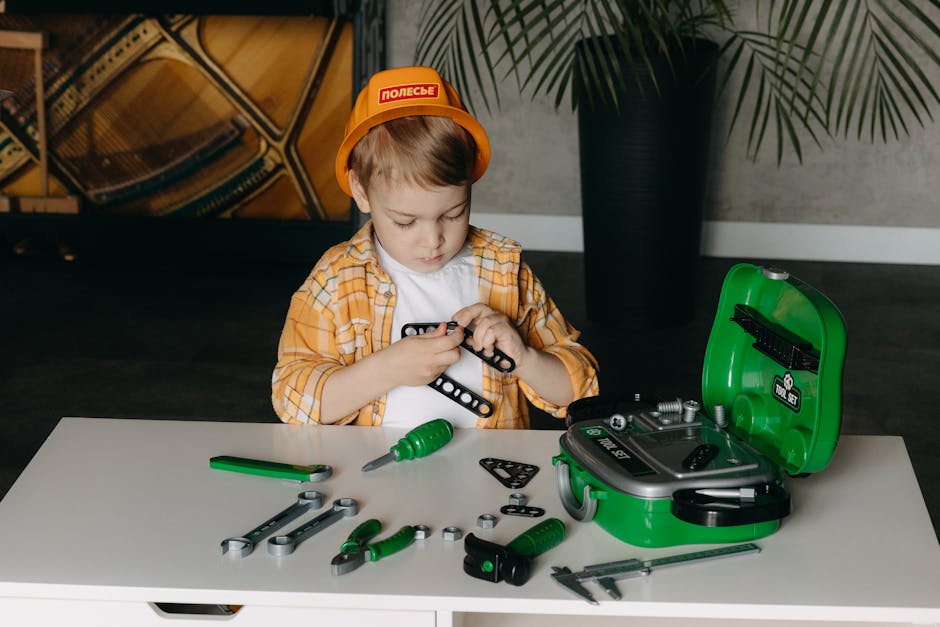
These sets typically include a hammer, screwdriver, wrench, and some “pezzi” (pieces) of wood or plastic that can be “nailed” or “screwed” together. This type of play helps develop hand-eye coordination and teaches basic mechanical concepts. It’s about empowering them to be capable and resourceful. I’ve personally seen how a simple play tool set can spark a child’s interest in how things work, and it’s a joy to watch them confidently “repair” a wobbly chair or a broken toy.
Key takeaway: A play tool bench encourages problem-solving, fine motor skills, and a sense of accomplishment by allowing children to engage in “fixing” and building.
12. Cleaning Play Set: Responsibility and Everyday Life Skills
This might seem less “fun,” but a child-sized cleaning set can be incredibly engaging and educational. Children love to mimic adults, and giving them their own broom, dustpan, and spray bottle (empty, of course!) allows them to participate in household tasks, fostering a sense of responsibility and independence.
These sets teach practical life skills, encourage cooperation, and help children understand the importance of tidiness. It’s also great for gross motor skills as they sweep and wipe. Look for durable plastic sets that are sized appropriately for a 4-year-old. My daughter, for instance, adores her mini vacuum, and it’s become a regular part of her play routine, sometimes even leading to actual tidying!
Key takeaway: A child-sized cleaning set fosters a sense of responsibility, teaches practical life skills, and encourages cooperation through imitative play.
What Nobody Tells You About Toy Durability Under €30
Here’s where it gets tricky: finding truly durable toys under $30 can be a hit or miss. Manufacturers often cut corners on materials to hit that price point. You’ll often see thinner plastics, less robust stitching on fabric items, or smaller “pezzi” that are more prone to getting lost or broken.
Common myth: All toys under $30 are flimsy and won’t last.
Reality: While many budget toys are, indeed, less robust, there are gems. The trick is to look for reputable brands known for their children’s products (even their budget lines), read recent reviews (especially those from late 2025 and early 2026), and check the material composition. Solid wood, thicker plastics, or well-stitched fabrics often indicate better longevity. Sometimes, a simpler design means fewer parts to break. Don’t fall for overly complex toys at this price point; they often disappoint.
Key takeaway: Durability under $30 is achievable by focusing on reputable brands, reading current reviews, and prioritizing simpler designs with sturdier materials over complex, flimsy options.
Choosing the Right Pretend Play Gift: A 5-Point Checklist
Selecting the perfect gift can still feel overwhelming, even with great suggestions. Here’s a quick checklist to help you decide:
- [ ] Open-Ended Potential: Does the toy encourage multiple scenarios and uses, or is it a one-and-done kind of play?
- [ ] Developmental Alignment: Does it support social, emotional, cognitive, or fine motor skills relevant to a 4-year-old?
- [ ] Child’s Interest: Does it align with what the child already loves? (Animals, cooking, building, etc.)
- [ ] Safety & Durability: Are the materials safe, non-toxic, and robust enough to withstand enthusiastic play? (Check for small parts if there are younger siblings.)
- [ ] Budget Fit: Is it genuinely under $30 without feeling cheap or incomplete?
Key takeaway: Use a simple checklist focusing on open-ended play, developmental benefits, child’s interests, safety, and budget to guide your gift selection.
Comparison of Top Pretend Play Gift Categories (Under $30)
Let’s look at a few top contenders and how they stack up on key features.
| Feature / Category | 🏆 Play Kitchen Set (Mini) | Doctor’s Kit | Dress-Up Kit (Accessories) | Cash Register |
| :———————- | :—————————– | :————— | :—————————– | :—————- |
| Encourages Social Play | ✅ | ✅ | ✅ | ✅ |
| Fosters Empathy | ⚠️ (indirectly) | ✅ | ✅ | ❌ |
| Develops Fine Motor Skills | ✅ | ✅ | ✅ | ✅ |
| Introduces Math Concepts | ⚠️ (counting ingredients) | ❌ | ❌ | ✅ |
| Language Development | ✅ | ✅ | ✅ | ✅ |
| Ease of Storage | ✅ | ✅ | ✅ | ✅ |
| Best for: | Budding chefs & storytellers | Caring hearts | Imaginative role-players | Early learners |
Related guide: Cómo iniciar un negocio de dropshipping de
Key takeaway: While all categories offer strong developmental benefits, miniature play kitchens excel in comprehensive role-playing, doctor’s kits in empathy, dress-up in imaginative freedom, and cash registers in early math.
Frequently Asked Questions
Q: What is the most important thing to look for in an educational pretend play gift for a 4-year-old girl?
A: The most important factor is open-ended play potential. Choose gifts that can be used in multiple ways, encouraging the child to invent their own scenarios and stories rather than following a fixed script. This fuels creativity and sustained engagement.
Q: Are plastic pretend play toys safe for 4-year-olds in 2026?
A: Yes, most plastic pretend play toys from reputable brands are safe. In 2026, regulations for toy safety are strict, requiring non-toxic, BPA-free plastics. Always check for certifications like ASTM F963 or EN71 on the packaging to ensure compliance with safety standards.
Q: My 4-year-old already has a lot of toys. What’s a unique pretend play gift under $30?
A: Consider a child-sized gardening tool set or a specific themed kit like a “pet vet” play set if she loves animals. These offer unique play experiences that might not be covered by standard kitchen or dollhouse toys, encouraging new forms of imaginative engagement.
Q: How do pretend play gifts help with a 4-year-old’s social skills?
A: Pretend play is a fantastic way to practice social skills. Children learn to negotiate roles, share, cooperate, and understand different perspectives as they interact with others in imaginative scenarios. This practice builds empathy and communication abilities.
Q: Should I buy a complete set or individual pieces for pretend play?
A: For under $30, a complete, smaller set often provides better value and more cohesive play. However, if you’re building on an existing collection, individual accessories or “pezzi di ricambio” (replacement pieces) can be excellent for expanding possibilities.
The Brutal Truth About “Educational” Toy Labels
You might be thinking that any toy labeled “educational” is automatically a winner. The brutal truth is that this label is often just marketing fluff. Many toys slapped with “educational” are actually limited in their scope, offering only one way to play or focusing on rote memorization rather than genuine imaginative engagement.
What truly makes a toy educational for a 4-year-old isn’t the label, but its capacity to spark curiosity, encourage problem-solving, and facilitate open-ended play. A simple set of blocks can be far more educational than an electronic toy that shouts letters and numbers. Don’t be swayed by buzzwords; look for toys that invite active participation and creative thinking.
Key takeaway: The “educational” label on toys is often misleading; true educational value comes from open-ended design, curiosity-sparking features, and encouragement of active, imaginative play.
Before & After: The Impact of Thoughtful Pretend Play
Let’s visualize the difference that intentional pretend play gifts can make.
| Before: Generic, Passive Toys | After: Thoughtful Pretend Play Gifts |
| :—————————————————————— | :———————————————————————- |
| Child’s Engagement: Easily bored, switches activities quickly. | Child’s Engagement: Deeply focused, sustained play, invents stories. |
| Skill Development: Limited, often surface-level. | Skill Development: Stronger problem-solving, empathy, language. |
| Social Interaction: Less collaborative, more parallel play. | Social Interaction: Active role-playing, negotiation, sharing. |
| Language Use: Simple commands, limited narration. | Language Use: Rich narratives, complex dialogue, expressive vocabulary. |
| Problem-Solving: Relies on adult intervention. | Problem-Solving: Attempts to resolve play-based challenges independently. |
Key takeaway: Thoughtful pretend play gifts transform passive engagement into active learning, significantly boosting a child’s cognitive, social, and language development.
If you want to skip the manual setup and ensure you’re getting robust, child-safe interactive play, many of the brands mentioned, like Learning Resources, have easy-to-assemble options. You can learn more about interactive toy kitchens with real water features if that’s a direction you’re considering for a future gift.
So, what are you waiting for? Pick one of these fantastic options and watch the magic unfold. Your 4-year-old girl will thank you for the endless hours of imaginative fun and learning. Take the plunge and select one of these budget-friendly, high-impact gifts today. Go ahead, browse a local toy store or your favorite online retailer and choose one of these gifts in the next 5 minutes.
Further reading