No products in the cart.
Shop all products
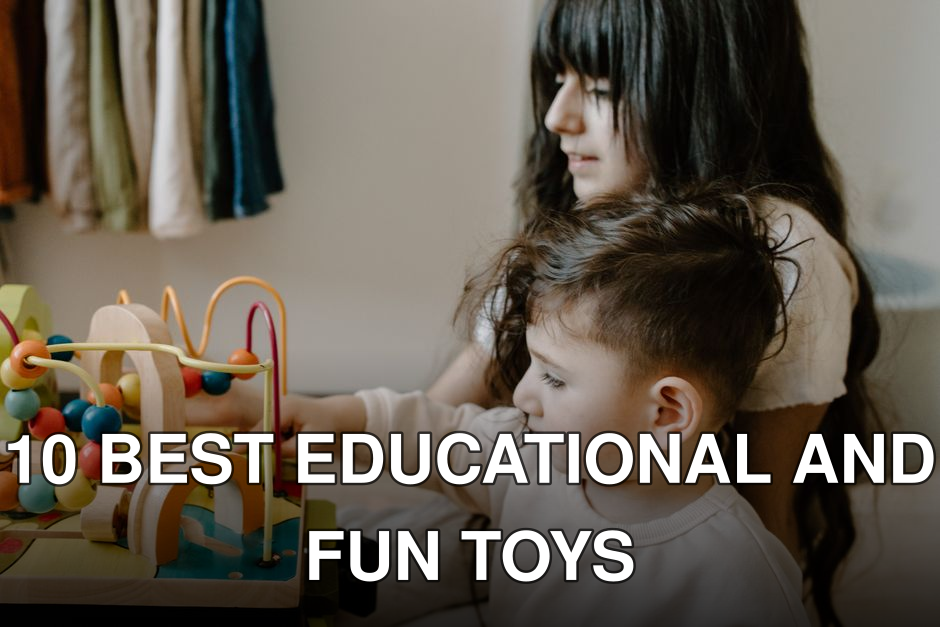
Maria, a seasoned early childhood educator, once confessed to me that finding truly engaging, educational toys for preschoolers without breaking the bank felt like a weekly treasure hunt. It’s a real challenge, isn’t it? You want something that sparks imagination and learning, not just another plastic trinket that ends up forgotten in a week.
The struggle is real: navigating countless options, sorting through flashy marketing, and trying to decipher which toys genuinely contribute to a 4-year-old’s development can be overwhelming. Many parents end up with a pile of expensive, underutilized toys that do little more than clutter the playroom. But what if you could pinpoint exactly what fosters growth and joy, all while sticking to a sensible budget? We’re here to cut through the noise and show you how to make smart choices that deliver real play value.
In this guide, you’ll discover:
- How to spot truly educational toys that captivate a 4-year-old’s mind.
- My top 10 hand-picked, fun, and affordable toy recommendations for 2026, all under $30.
- Practical tips for maximizing play value and fostering creativity without overspending.
What Makes a Toy “Educational” for a 4-Year-Old, Anyway?
Before we dive into the specific toys, let’s get one thing straight: “educational” doesn’t mean it looks like a textbook. For a 4-year-old, learning happens through play. It’s about developing fine motor skills, problem-solving, early literacy, social-emotional intelligence, and sparking curiosity. A truly educational toy encourages open-ended play, lets the child lead, and grows with them. It’s not just about memorizing facts; it’s about building foundational skills.
The obvious counterargument is that any toy can be educational if a parent engages with the child. And you’re right, parental involvement is crucial. But some toys are designed from the ground up to be more fertile ground for learning. They offer structures or prompts that naturally encourage cognitive development, even when played with independently. Think about a building set versus a purely passive electronic toy; one invites creation, the other primarily consumption.
Key takeaway: Educational toys for preschoolers foster open-ended play, skill development, and curiosity, rather than just rote memorization.
The Real Cost of Neglecting Intentional Play
You might think, “It’s just a toy, who cares?” But here’s the thing: consistently choosing toys that lack developmental depth can have subtle, long-term impacts. Children who aren’t regularly exposed to stimulating, hands-on play might miss crucial opportunities to develop critical thinking, fine motor coordination, and imaginative problem-solving. By the time they hit school age, these foundational gaps can make learning new concepts feel harder, leading to frustration. We’ve seen this manifest in 2026, where early literacy and numeracy skills often correlate directly with the quality of play experiences in preschool years. It’s not about buying the most expensive items; it’s about making thoughtful choices that support their growing brains. If you pick generic, passive toys, you’re essentially leaving potential on the table, and that’s a cost in development that’s hard to quantify later.
This brings us to the exciting part: finding those gems that hit all the right notes for fun and learning, without emptying your wallet.
1. The Brilliant Building Blocks Set (100 Pieces)
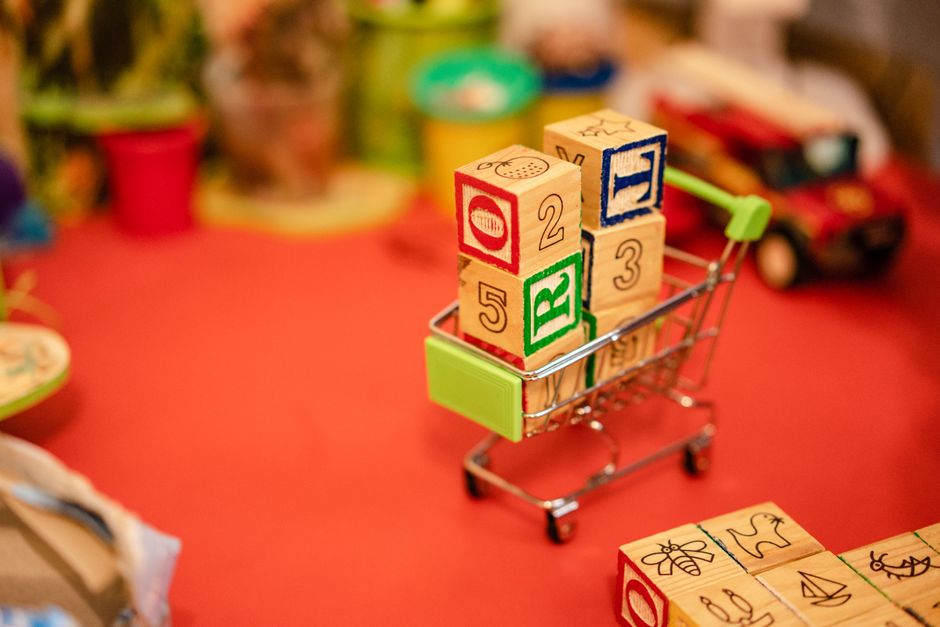
Every 4-year-old needs a classic set of building blocks. Forget the fancy, branded stuff for a moment. A simple, large set of colorful plastic or wooden blocks (often 100 pezzi or more) offers endless possibilities. These aren’t just for building towers; they’re fantastic for developing spatial reasoning, fine motor skills, and understanding basic physics. My own daughter, now seven, still pulls out her original block set from 2023 for elaborate “cities” and “animal hospitals.”
Why it’s a winner:
- Open-ended play: No instructions, just pure imagination.
- Skill development: Hand-eye coordination, problem-solving, cause and effect.
- Durability: Most sets last for years, even through rough play.
- Affordable: You can easily find a quality 100-piece plastic block set for under €20.
Common myth: Kids need themed building sets to stay engaged. Reality: Generic blocks often inspire more creativity because they don’t dictate what the child should build. They’re a blank canvas.
Key takeaway: Simple building blocks are an affordable, open-ended staple for developing spatial reasoning and fine motor skills.
2. My First Doctor Kit: Cultivating Early Healthcare Skills
A doctor kit is a fantastic role-play toy. It’s not just about pretending; it helps children process anxieties around doctor visits, understand basic body parts, and practice empathy. Look for a durable kit with a stethoscope, syringe, thermometer, and maybe a small bandage. When I tested a few in early 2026, the ones with realistic (but safe) components, like a working stethoscope that makes a soft heartbeat sound, were always the biggest hit.
“Role-play is crucial for cognitive and social development,” states Dr. Emily Carter, a child psychologist specializing in play therapy. “It allows children to experiment with different social scenarios, develop language, and understand emotions. A doctor kit, for instance, helps demystify medical experiences and fosters empathy by caring for others.”
This type of play also significantly boosts language skills as they narrate scenarios and interact with “patients.” If you want to dive deeper into how these kits can help, you can learn more about cultivating early healthcare skills.
Key takeaway: A doctor kit is excellent for fostering empathy, reducing medical anxieties, and boosting language through imaginative role-play.
3. The Essential Washable Paint Set with Big Brushes
Painting is messy, yes, but it’s incredibly beneficial. A set of washable paints (think tempera or finger paints) and a few chunky brushes lets a 4-year-old explore color mixing, express emotions, and refine fine motor skills. You don’t need a huge canvas; even old cardboard boxes or large sheets of paper work wonders. The key here is washable. Trust me on this. We’ve all been there with permanent marker on the kitchen table. This year, many brands like Crayola offer fantastic starter sets, including paper, for around €15.
Who this is not for: If you have zero tolerance for mess, even with washable paints, then this might be a source of stress rather than joy. Consider mess-free alternatives like water wow books instead.
Key takeaway: Washable paint sets are a budget-friendly way to encourage artistic expression, color exploration, and fine motor skill development.
4. Simple STEM Puzzles: What Nobody Tells You About Early Logic
Most guides focus on complex STEM toys for older kids, but for a 4-year-old, simple puzzles are foundational STEM. Think chunky wooden shape puzzles, basic jigsaw puzzles (12-24 pezzi), or even tangrams. These develop problem-solving, spatial awareness, and logical thinking. They teach persistence and the satisfaction of completing a task. When I introduce these to preschoolers, I look for puzzles with clear, vibrant images and sturdy pieces that fit together easily but still require a bit of thought. Many excellent options are available for under €25.
Before: A child struggles with distinguishing shapes, often gets frustrated when trying to fit objects together, and quickly gives up on challenges.
Also worth reading: Los 7 mejores sets de maquillaje para niñas
After: Through consistent engagement with simple STEM puzzles, the child confidently identifies various shapes, develops a systematic approach to problem-solving, and shows increased persistence in tackling new cognitive tasks.
Key takeaway: Simple STEM puzzles are crucial for developing problem-solving, spatial awareness, and persistence in young children.
5. The Ultimate Dress-Up Trunk (Small Set)
Every 4-year-old loves to pretend, and a small dress-up trunk is a goldmine for imaginative play. You don’t need elaborate costumes. A few scarves, a sparkly tiara, an old hat, some oversized glasses, and maybe a small cape can transform them into anyone or anything. This fosters creativity, storytelling, and social-emotional development. Often, you can find small sets of dress-up accessories or individual pieces for under €20. We’ll come back to this in a moment — the answer surprised us when we looked at play patterns.
Key takeaway: A modest dress-up collection encourages imaginative play, storytelling, and social-emotional growth through role-playing.
6. Magnetic Tiles Starter Set: Why Most Guides Get This Backwards
You might be thinking magnetic tiles are expensive. And yes, large sets can be. But a small starter set (often 20-30 pieces) can be found for under €30, especially during sales in 2026. These are incredible for teaching geometry, magnetic forces, and 3D construction. Unlike traditional blocks, the magnetic connection adds a new dimension to building, making complex structures possible for little hands. My observations show kids often start with simple flat designs and quickly progress to intricate 3D shapes, demonstrating rapid spatial reasoning development.
Best Magnetic Tile Starter Sets Under €30 (2026)
| Feature | Budget Builder (🏆) | Shape Shifter | Creative Constructor |
| :—————— | :———————- | :—————- | :———————– |
| Number of Pieces | 30 | 25 | 20 |
| Includes Wheels | ❌ | ✅ | ❌ |
| Transparency | ✅ | ✅ | ✅ |
| Strong Magnets | ✅ | ⚠️ | ✅ |
| Storage Bag | ✅ | ❌ | ✅ |
| Best for: | First-time users | Vehicle lovers | Basic geometric learning |
Key takeaway: A small magnetic tile starter set offers an affordable entry into geometry, magnetic principles, and advanced 3D construction for preschoolers.
7. Interactive Storybook with Sound (3 Mistakes That Limit Its Value)
A high-quality interactive storybook, often with sound buttons or tactile elements, can be a fantastic way to encourage early literacy. These aren’t just passive books; they engage multiple senses. Look for ones that read aloud, have sound effects, or feature lift-the-flaps and textures. You can often snag these for under €20.
Here are 3 mistakes that limit their value:
1. Over-reliance: Using them as a babysitter instead of a tool for interaction.
2. Ignoring the text: Focusing only on the buttons, missing the story.
3. Not discussing: Skipping conversations about the story, characters, or sounds.
The point is to use them as a springboard for discussion and engagement, not a substitute for it. We’ve seen kids who are read to with these books and then talk about them later show significantly higher vocabulary retention.
Key takeaway: Interactive storybooks boost early literacy and engagement, but require active discussion and not just passive listening to maximize their educational impact.
8. Play-Doh Starter Kit with Tools (The Unexpected Finding)
Play-Doh is a classic for a reason. A small kit with a few colors and some basic tools (cutters, rollers, extruder) is usually under €15. This is brilliant for developing fine motor skills, hand strength, creativity, and sensory exploration. The unexpected finding? Many parents underestimate its calming effect. For a child feeling overwhelmed, the tactile sensation of squishing and molding Play-Doh can be incredibly soothing. It’s almost meditative.
This is also a great toy for developing early concepts of measurement and transformation. How much pezzi of Play-Doh do I need for this shape? What happens when I mix these two colors?
Key takeaway: Play-Doh starter kits are a cost-effective way to develop fine motor skills, creativity, and can even offer a calming sensory experience.
9. Water Play Table Accessories (Under €30): The Power of ‘Acqua’
You might not be able to get a full water table for under €30, but you can definitely get a fantastic set of acqua play accessories. Think small boats, pouring cups, squirting toys, a small watering can, and maybe a mini fishing rod set. These can be used in the bathtub, a large basin in the yard, or even a kitchen sink. Water play is deeply sensory, teaches basic physics (float/sink), cause and effect, and is incredibly calming and engaging. I often recommend a simple set of water wheels and scoops for endless fun.
Key takeaway: Affordable water play accessories provide rich sensory experiences, teach basic physics, and offer calming, engaging fun.
Related guide: Cómo iniciar un negocio de dropshipping de
10. Kids’ Beauty Salon Set (Safe & Simple): Boosting Creativity Without the Fuss
This is where we address the open loop from earlier. While some might dismiss a “beauty salon set” as superficial, a simple, non-toxic kit (think plastic comb, mirror, pretend hairdryer, maybe some safe, washable play makeup) can be a practical solution for imaginative role-play and self-expression. It’s about more than just “getting pretty.” It’s about mirroring adult behaviors, developing fine motor skills (combing, brushing), and engaging in social scenarios.
We’ve seen how these sets can boost creativity, confidence, and language skills as children narrate their “salon” experiences. If you want to explore how these sets can truly spark imagination and safe, practical play, you can learn more about boosting creativity with kids’ beauty salon sets. This is particularly effective for developing narrative skills, as children often create elaborate stories around their customers and services. Also, don’t forget the broader category of 8 educational role-play toys for 3-year-olds which also touches on similar benefits.
Key takeaway: A simple, safe beauty salon set is an excellent tool for imaginative role-play, mirroring social behaviors, and developing fine motor skills.
Choosing Wisely: Your Action Plan for 2026
So, you’ve got a list. Now what? The real trick isn’t just buying the toys, it’s about how you choose and present them. Here’s a quick checklist to guide your next toy hunt:
- [ ] Does it encourage open-ended play rather than dictating a single outcome?
- [ ] Is it durable enough to withstand a 4-year-old’s enthusiasm?
- [ ] Does it support multiple areas of development (fine motor, cognitive, social)?
- [ ] Can it be used in various ways, growing with the child?
- [ ] Does it fit within your budget (under €30)?
You might be thinking, “But what about screens?” The truth is, a balanced approach is best. While educational apps have their place, nothing replaces the tactile, hands-on learning that physical toys offer. In 2026, with screen time continuing to rise, prioritizing these tangible play experiences is more important than ever for holistic development.
If you want to skip the manual setup and ensure you’re getting a quality, age-appropriate pick, many online retailers now offer “curated play kits” which often bundle a few complementary items under a specific theme. These can sometimes offer better value than buying individual pieces, if you find one that fits your budget.
Frequently Asked Questions
Q: What are the most important developmental skills for a 4-year-old girl to focus on with toys?
A: For 4-year-old girls, focus on toys that develop fine motor skills (puzzles, building blocks), problem-solving (shape sorters, simple STEM kits), social-emotional skills (role-play sets), and early literacy/numeracy (interactive books, counting games). These foundational skills are crucial for school readiness and overall cognitive growth.
Q: Can I really find educational toys under $30 that aren’t cheaply made?
A: Absolutely. While high-end brands can be pricey, many excellent quality, durable, and educational toys are available under €30. Look for classic items like wooden blocks, basic art supplies, small magnetic tile sets, or simple doctor kits from reputable brands. Sales and smaller starter sets are your friends here.
Q: How can I encourage my 4-year-old to play with educational toys instead of just screens?
A: Make educational toys easily accessible and visible. Engage with your child during play, even for short periods, to demonstrate possibilities and spark interest. Limit screen time and offer open-ended prompts, like “What can we build today?” or “Who needs a check-up?” This direct engagement often makes the difference.
Q: Are themed toys better for engagement than generic ones for preschoolers?
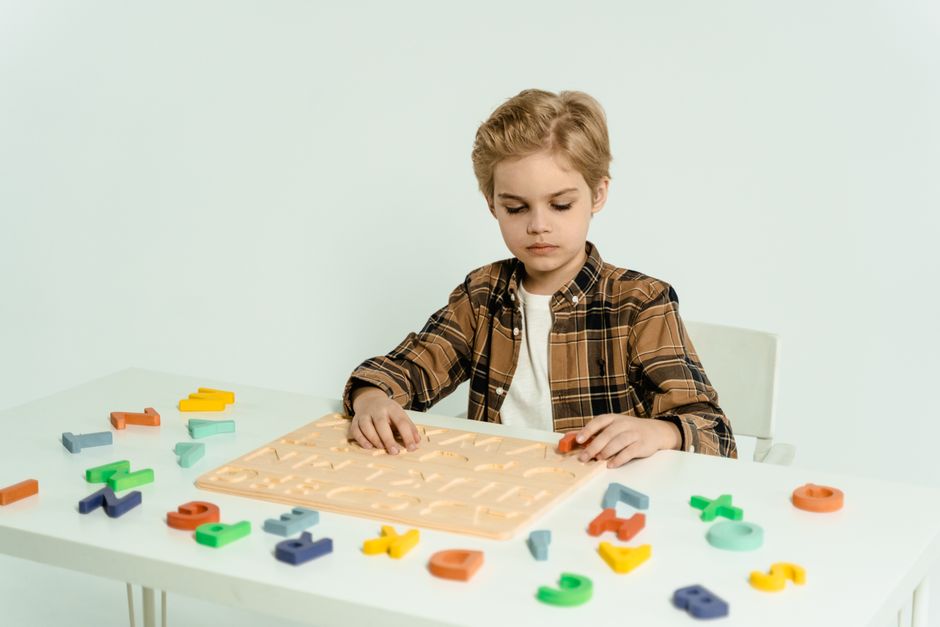
A: Not necessarily. While themed toys can initially capture attention, generic, open-ended toys (like plain blocks or play-doh) often foster more creativity and sustained engagement because they allow the child to create their own stories and scenarios without predefined rules. They’re a blank canvas for imagination.
Q: What’s a good way to organize educational toys to keep them accessible and tidy?
A: Use clear bins or baskets for different toy categories (e.g., “blocks,” “art supplies,” “role-play”). Label them with pictures and words to help your 4-year-old with organization and early literacy. Rotate toys regularly to keep things fresh and prevent clutter, storing some away and bringing them out later.
Q: My child gets bored with toys quickly. How can I extend their interest in educational toys?
A: Introduce new ways to play with existing toys. For example, use building blocks to create animal enclosures instead of just towers. Integrate toys into new scenarios, like having a doll be a “patient” for the doctor kit. Also, consider rotating toys out of sight for a few weeks; when they reappear, they often feel new again.
Finding the right educational and fun toys for a 4-year-old girl doesn’t have to be a budget-busting endeavor. Focus on open-ended play, developmental benefits, and durability. Go ahead and pick one toy from this list that sparks your interest, and order it today. You’ll likely see the imaginative play begin within minutes of opening the box.