No products in the cart.
Shop all products
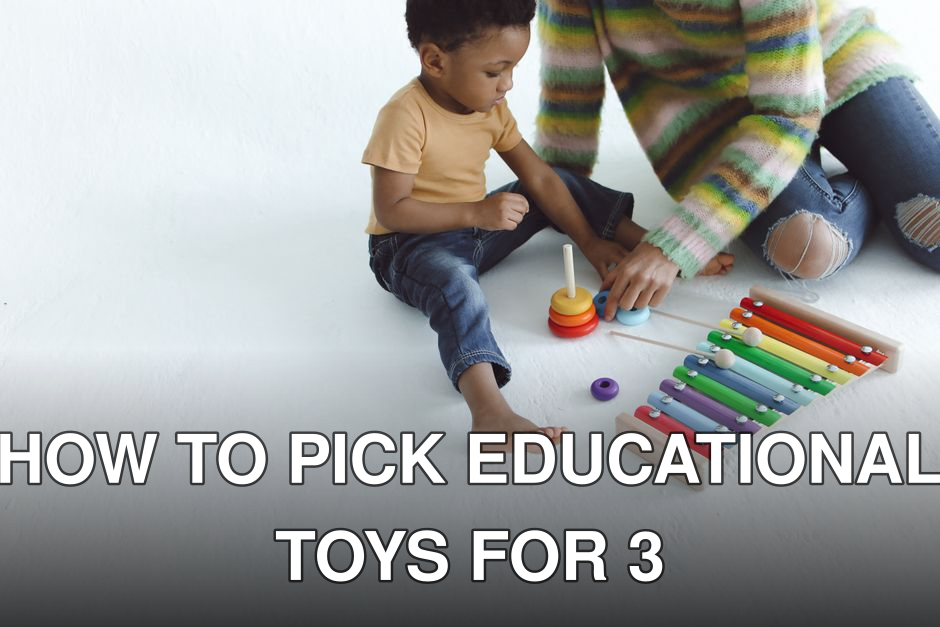
You know that feeling. You walk into a toy store, or worse, scroll endlessly online, trying to find something truly meaningful for your three-year-old. Your mind races through a sea of flashing plastic and licensed characters, all promising “educational value,” but you’re just left wondering: how do you cut through the noise and actually pick educational toys for 3-year-old boys that promote key developmental skills? It’s easy to get overwhelmed, spend money on something that gathers dust after a week, and then feel like you’ve missed a crucial window for growth.
That’s a frustrating cycle, and it costs more than just money. Investing in toys that don’t stimulate genuine development means lost opportunities for cognitive, social, and emotional learning at a critical age. But don’t worry, this guide cuts through the marketing fluff. We’re going to arm you with real-world insights, so you can confidently choose toys that truly make a difference for your little one in 2026.
In this guide you’ll discover:
- Why the “educational” label often misses the mark and what to look for instead.
- The 5 critical developmental areas you should focus on when choosing toys.
- Our honest picks for the best toy categories that deliver genuine skill-building.
The Brutal Truth About “Educational” Toy Labels
Here’s the thing: just because a toy box screams “educational” doesn’t mean it actually is. In 2026, the market is saturated with toys that claim to teach everything from advanced calculus to quantum physics to a toddler. Most of it is marketing fluff. True educational value comes from toys that engage a child’s natural curiosity, encourage exploration, and facilitate hands-on learning, not just passive observation.
“The best educational toys don’t teach ‘facts’; they teach children ‘how’ to learn, ‘how’ to problem-solve, and ‘how’ to interact with their world,” says Dr. Sarah Miller, a child psychologist specializing in early childhood development, in a 2025 interview with Parenting Today magazine. “It’s about fostering intrinsic motivation and imaginative play, not rote memorization.”
Key takeaway: Don’t trust the label. Look for toys that encourage active participation and open-ended play, not just flashy buttons and pre-programmed responses.
Quick Navigation
- The Brutal Truth About “Educational” Toy Labels
- Why 3-Year-Old Boys Need Specific Play Focus
- Unpacking the 5 Core Developmental Skills
- The Mistake Everyone Makes: Ignoring Durability and Safety
- Our Top 3 Toy Categories for Skill Development
- Beyond the Toy Box: Integrating Play into Daily Life
- The Cost of Inaction: Why Waiting Will Hurt More Than Your Wallet
- Frequently Asked Questions
- Your Next 5-Minute Action Plan
Why 3-Year-Old Boys Need Specific Play Focus
At three, boys are often bursting with energy, curiosity, and a growing desire for independence. They’re typically developing gross motor skills rapidly – running, jumping, climbing – and starting to refine fine motor skills like manipulating small objects. Socially, they’re moving from parallel play to more interactive play, though sharing and turn-taking can still be a challenge. Cognitively, their imaginations are exploding, and they’re asking “why?” about everything.
This isn’t to say boys and girls need fundamentally different toys. Absolutely not. But understanding typical developmental trajectories can help you tailor choices that resonate with their current interests and energy levels, which often lean towards active, constructive, and explorative play at this age. Ignoring these natural inclinations can lead to disengagement, making those “educational” toys just another dust collector.
Key takeaway: Acknowledge typical developmental stages and interests to select toys that will genuinely captivate and challenge a 3-year-old boy.
Unpacking the 5 Core Developmental Skills
When I’m evaluating a toy, I always run it through a mental checklist of five key developmental areas. If it hits at least two or three strongly, it’s usually a winner.
1. Fine Motor Skills & Hand-Eye Coordination
What are fine motor skills? Fine motor skills involve the coordination of small muscles in the hands and fingers, often in coordination with the eyes. For a 3-year-old, this means things like stacking blocks, manipulating small pieces, drawing, or using child-safe scissors.
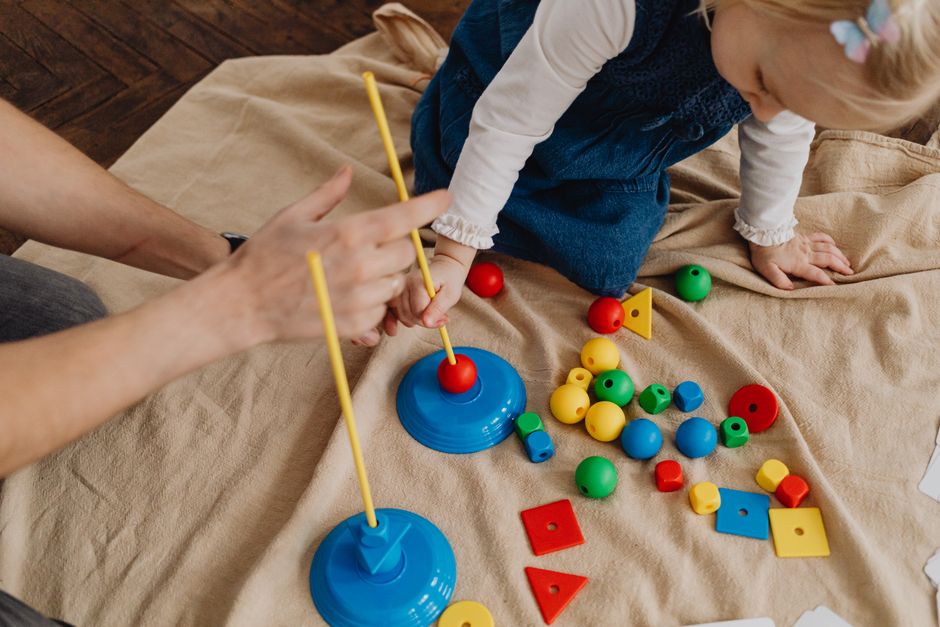
These skills are crucial precursors to writing, self-feeding, and dressing. Without a solid foundation, tasks like holding a pencil later become frustrating. Think about it: Before: a child struggles to pick up a small bead, dropping it repeatedly. After: with practice, they confidently grasp the bead, thread it onto a string, and build intricate patterns. That’s the power of intentional play.
2. Problem-Solving & Critical Thinking
Three-year-olds are natural scientists. They’re constantly testing hypotheses: “What happens if I push this?” “Can I fit this here?” Toys that present gentle challenges, without being overly frustrating, are gold. This isn’t about giving them puzzles they can solve instantly. It’s about letting them experiment, fail, and try again.
You might be thinking, “My kid just throws everything!” And yes, sometimes they do. But even throwing is an experiment in gravity and force. The goal is to provide tools that encourage more complex, intentional experimentation. Think simple engineering, cause-and-effect toys, or open-ended building materials.
3. Language & Communication Skills
This is where pretend play shines. When a child engages in role-play, they’re narrating stories, assigning roles, and practicing dialogue. This isn’t just fun; it’s a massive boost to their vocabulary, sentence structure, and understanding of social cues.
We’ve seen this fail when parents provide highly structured toys that leave no room for imagination. If a toy only does one thing, it limits the child’s ability to create their own narratives. Instead, look for items that can be many things, encouraging your child to vocalize their ideas and interact with others. If you want to dive deeper into imaginative play, learn more about introducing creative role-play effectively.
4. Social & Emotional Development
Sharing, turn-taking, empathy, and understanding emotions – these are huge at three. While some toys are designed for solo play, many of the best educational toys encourage interaction. Think about simple board games, dramatic play sets, or construction projects that require collaboration.
Common myth: Boys only like rough-and-tumble play. Reality: While many boys enjoy active play, they also thrive in environments that encourage nurturing, empathy, and cooperative interaction. Providing diverse play opportunities, like a doctor kit, helps foster these crucial emotional skills. Speaking of which, you can learn more about how role-play doctor kits can encourage empathy.
5. Creativity & Imagination
This is perhaps the most vital skill for a 3-year-old. Creativity isn’t just about art; it’s about divergent thinking, finding multiple solutions, and inventing new possibilities. Open-ended toys are the champions here. They don’t dictate the play; they invite it.
When I tested a new “smart toy” in early 2026 that promised to teach coding to toddlers, I found it largely failed this category. It had pre-programmed sequences and limited options. My three-year-old tester quickly got bored because it didn’t allow him to invent, to build his own world. He wanted to build a towering structure with blocks, not follow a rigid light pattern. The best toys are a blank canvas. If you’re keen on fostering creativity, especially with pretend play, you can learn more about some fantastic strategies.
Key takeaway: Prioritize toys that actively engage fine motor skills, problem-solving, language, social-emotional growth, and boundless creativity. But that’s only half the picture — here’s where most people get stuck.
Also worth reading: Los 7 mejores sets de maquillaje para niñas
The Mistake Everyone Makes: Ignoring Durability and Safety
You wouldn’t believe how many parents overlook the basics. A truly great educational toy for a 3-year-old boy isn’t just about what it teaches; it’s about whether it can survive a toddler’s enthusiasm and keep them safe. We’re talking about toys that will be dropped, thrown, chewed, and occasionally used as a hammer.
In 2026, safety standards are stricter than ever, but counterfeit or poorly made products still slip through. Always check for certifications like CE or ASTM. Look for robust materials. For example, building sets made with high-grade, non-toxic ABS plastic or even durable wood will last far longer than flimsy alternatives. When you see terms like “acciaio” (steel) in product descriptions, it’s often a good sign for internal components or fasteners, indicating longevity.
Consider the potential for small parts. While 3-year-olds are generally past the “put everything in mouth” stage, choking hazards are still a real concern. If it fits through a toilet paper roll, it’s too small. Also, think about cleaning. Toys that are easily wiped down or even machine washable are lifesavers.
Key takeaway: Safety and durability aren’t optional features; they’re foundational requirements for any toy, especially for energetic 3-year-olds.
Our Top 3 Toy Categories for Skill Development
Forget the latest trending gadget. These three categories consistently deliver on developmental impact for 3-year-old boys.
1. Construction and Building Kits: The Ultimate Brain Builders
This is my absolute favorite category. Building toys hit so many developmental notes, it’s almost unfair. From classic wooden blocks to magnetic tiles to interlocking brick systems, these toys are champions for fine motor skills, spatial reasoning, problem-solving, and creativity.
Think about a child trying to build a tall tower. They’re not just stacking; they’re learning about balance, gravity, and structural integrity. They’re visualizing the end product, planning their steps, and adapting when a piece doesn’t fit quite right. This is hands-on engineering!
| Feature / Toy Type | Wooden Blocks | Magnetic Tiles 🏆 | Interlocking Bricks (Large) |
| :—————– | :———— | :—————- | :————————– |
| Fine Motor Skills | ✅ | ✅ | ✅ |
| Problem-Solving | ✅ | ✅ | ✅ |
| Creativity | ✅ | ✅ | ✅ |
| Durability | ✅ | ✅ | ✅ |
| Ease of Cleanup | ✅ | ⚠️ (can stick together) | ❌ (many small pieces) |
| Spatial Reasoning | ✅ | ✅ | ✅ |
| Best for: | Classic, open-ended play | Visual learners, quick builds | Detailed construction, role-play |
My personal recommendation? Magnetic tiles. I’ve found that for 3-year-old boys, the instant gratification of snapping pieces together and seeing 2D shapes become 3D structures is incredibly engaging. They’re also relatively easy to clean up and store. A good quality set, often made with durable ABS plastic and strong magnets, can last for years. I’ve seen kids build everything from “auto” garages to “tube” slides for small figures.
Key takeaway: Building toys are foundational for cognitive and motor skill development, with magnetic tiles being a particularly engaging option for 3-year-olds.
2. Pretend Play Sets: Fueling Imagination and Social Skills
This is where stories come alive. Dress-up clothes, play kitchens, tool sets, doctor kits, and even simple “white” fabric scraps can transform into anything a child imagines. Pretend play is essential for developing language, social skills, and emotional intelligence.
When a child pretends to be a doctor, they’re practicing empathy and understanding roles. When they “cook” in a play kitchen, they’re mirroring real-world scenarios, learning about sequences, and expanding their vocabulary. These aren’t just toys; they’re props for life’s rehearsals.
I’d skip the overly specific, one-trick-pony sets. You know, the ones that only do one thing and have limited parts. Instead, look for open-ended sets. A simple “set pezzi” (set of pieces) like a play food assortment or a basic tool kit with a “sterzo” (steering wheel) for a pretend car, encourages far more creativity than a highly specialized item.
3. Sensory and Art Exploration Kits: Engaging All the Senses
Don’t underestimate the power of sensory play. Sand, water, playdough, finger paints, and even simple “aria” (air) and “acqua” (water) experiments are fantastic for development. These activities engage multiple senses, refine fine motor skills, and encourage creative expression.
In 2026, we’re seeing a rise in “mess-free” sensory kits, which are great for parents, but sometimes the best learning happens when kids get a little messy. Just set up a dedicated space! A “kit” with different textures, colors, and molding tools can keep a 3-year-old engrossed for ages. Even simple items like a “tubo” (tube) and some water can become a fascinating physics experiment.
Key takeaway: Pretend play and sensory exploration are vital for fostering imagination, social skills, and multi-sensory learning experiences.
Beyond the Toy Box: Integrating Play into Daily Life
Having the right toys is only half the battle. How you integrate them into your child’s daily routine, and how you engage with them, makes a massive difference.
Here’s an actionable checklist for maximizing play:
Related guide: Cómo iniciar un negocio de dropshipping de
- [ ] Rotate toys regularly: Keep a selection of toys accessible and put others away. This keeps things fresh and prevents overwhelm.
- [ ] Create dedicated play spaces: A specific area for building, another for art, helps signal different types of play.
- [ ] Get down on their level and play: Join in! Ask open-ended questions like, “What are you building here?” or “What’s happening in your story?”
- [ ] Encourage independent play: It’s okay for them to play alone. This fosters self-reliance and deep engagement.
- [ ] Value the process, not just the product: It’s not about the perfect tower or painting; it’s about the effort and joy of creating.
You might be thinking, “I don’t have time to play with my child all day!” And you shouldn’t. The point isn’t constant interaction, but quality interaction and providing the opportunity for enriching independent play. Even 15-20 minutes of focused, engaged play can be incredibly beneficial. Then, step back and let them explore on their own.
Key takeaway: The toys are tools; your presence and the environment you create are the magic that unlocks their full potential.
The Cost of Inaction: Why Waiting Will Hurt More Than Your Wallet
Let’s be direct: choosing the wrong toys, or worse, choosing no educational toys, has real consequences. If you consistently opt for passive entertainment – endless screen time or toys that do all the work – you’re missing critical developmental windows. A 3-year-old’s brain is a sponge, forming neural connections at an astonishing rate. Ignoring opportunities for hands-on, problem-solving play can lead to:
- Delayed fine motor skills: Making tasks like writing and self-care harder later on.
- Reduced problem-solving abilities: Children who aren’t challenged to think creatively can struggle with resilience and critical thinking.
- Limited language development: Less pretend play means fewer chances to practice vocabulary and narrative skills.
- Increased frustration: When a child isn’t stimulated, they often become bored, irritable, and may seek attention through negative behaviors.
The cost isn’t just the money wasted on ineffective toys; it’s the potential for a child to enter school with a weaker foundation in crucial skills. That’s a burden that takes far more time and effort to correct down the line than simply making informed toy choices now.
Key takeaway: Proactive and thoughtful toy selection is an investment in your child’s future development, far outweighing the short-term cost.
Frequently Asked Questions
Q: What’s the ideal number of toys a 3-year-old boy should have?
A: It’s less about the number and more about quality and rotation. A curated collection of 10-15 versatile toys, with a few put away and rotated every few weeks, is often more effective than a room overflowing with options. Less really is more for focus and appreciation.
Q: Are digital toys ever educational for 3-year-olds?
A: Some digital toys, especially those with interactive elements promoting cause-and-effect or simple puzzles, can offer some educational value in moderation. However, they should never replace hands-on, physical play, which is crucial for tactile and fine motor development. Aim for a balanced diet of play.
Q: How can I tell if a toy is genuinely engaging my child developmentally?
A: Look for sustained attention, creative manipulation of the toy (not just using it as intended), and evidence of problem-solving. Are they talking to themselves or others while playing? Are they trying new ways to use the toy? These are all signs of deep engagement.
Q: My 3-year-old boy only wants to play with cars and trucks. How can I diversify his play without forcing it?
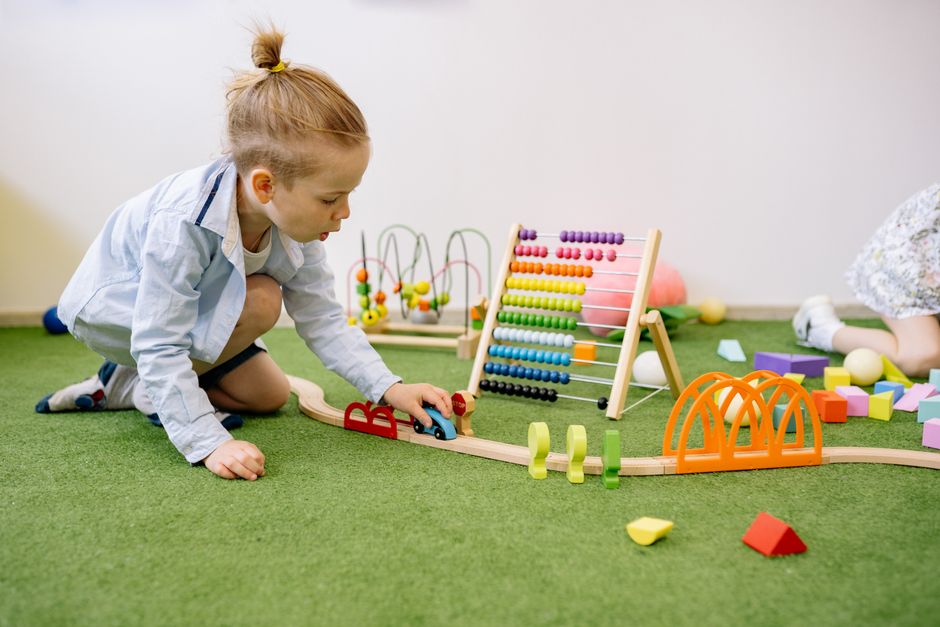
A: Embrace his interest! Integrate vehicles into other types of play. Build ramps and garages with blocks, create “road maps” with playdough, or use cars in pretend play scenarios where they need to deliver packages. Expand on his passion rather than trying to divert it completely.
Q: What about safety certifications for toys in 2026?
A: In 2026, look for the CE mark (indicating conformity with European safety standards, often recognized globally) and ASTM F963 (American Society for Testing and Materials) for toys sold in the US. Always check for lead-free paint and phthalate-free plastics. Reputable brands will clearly display these.
Q: Should I buy gender-neutral toys for my 3-year-old boy?
A: Absolutely! While this article focuses on “boys” due to the prompt, the developmental principles apply to all children. Encouraging a wide range of interests, from building to nurturing play, provides a richer developmental experience for everyone. Don’t limit choices based on traditional gender stereotypes.
Your Next 5-Minute Action Plan
Go to your child’s playroom right now, pick one toy, and observe how your 3-year-old interacts with it for precisely five minutes. Does it genuinely engage his fine motor skills, problem-solving, or creativity, or is it just flashing lights? Make a mental note.