No products in the cart.
Shop all products
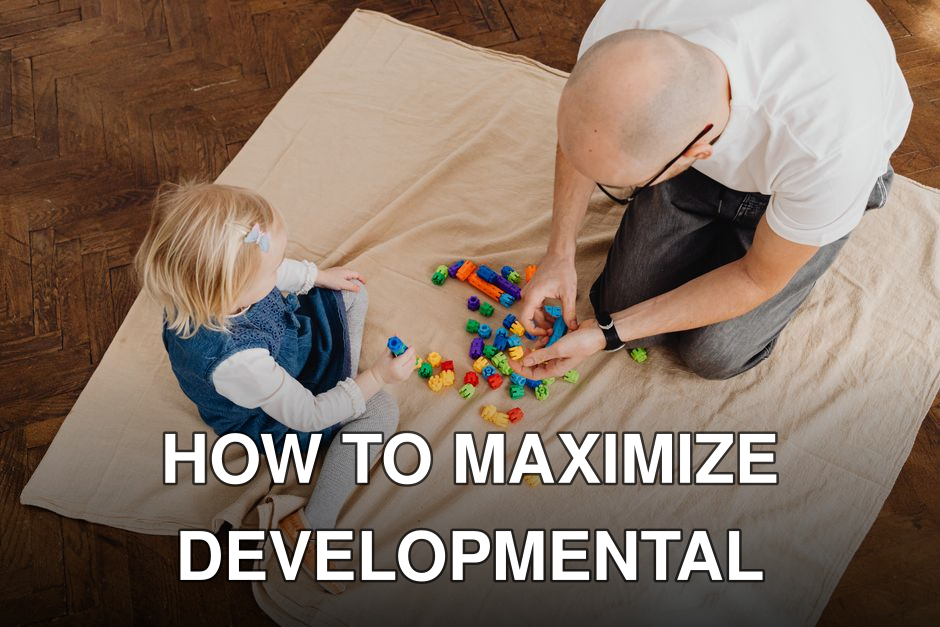
Little Leo, barely three, stood mesmerized by the stream of water from his toy kitchen faucet. It wasn’t just play; it was pure, unadulterated focus. He watched the water fill a tiny pot, then spill, then fill again, utterly absorbed. That simple act, often dismissed as just “messy fun,” was actually building critical cognitive and motor pathways in his developing brain.
Here’s the problem: most parents invest in these fantastic interactive toy kitchens with running water, but they only scratch the surface of their potential. They see a toy, not a powerful developmental tool. You’re leaving significant learning opportunities on the table, missing out on crucial moments where your child could be developing problem-solving skills, language proficiency, and even early STEM concepts, all while having a blast. But don’t worry. This guide will show you exactly how to transform that toy kitchen into a powerhouse of growth.
In this guide, you’ll discover:
- The surprising science behind why running water in a toy kitchen isn’t just a gimmick.
- Specific, actionable strategies to unlock maximum developmental benefits in cognitive, motor, and social-emotional domains.
- Common mistakes to avoid that are robbing your child of valuable learning experiences.
The Essential Playbook: Unlocking Maximum Developmental Benefits from Interactive Toy Kitchens with Running Water
Quick Navigation:
- What Makes Running Water So Special?
- Beyond the Bubbles: The 5 Core Developmental Areas Enhanced by Water Play
- The Brutal Truth: Why Most Parents Miss 70% of the Learning Opportunities
- Setting Up for Success: Your Interactive Kitchen Checklist
- Maximizing Engagement: 3 Proven Play Scenarios
- What Nobody Tells You About Maintenance and Longevity
- Choosing Your Culinary Command Center: A Feature Comparison
- Frequently Asked Questions
What Makes Running Water So Special?
Running water isn’t just a fancy feature on a toy kitchen; it’s a sensory powerhouse and a catalyst for deeper engagement. It turns a static play experience into a dynamic, multi-sensory adventure. Think about it: the sound of trickling water, the feel of its coolness, the visual of it flowing and filling containers – these aren’t trivial.
Running water in a toy kitchen enhances developmental benefits by adding a crucial layer of realism and sensory input, stimulating fine motor skills, cause-and-effect understanding, and imaginative play far more effectively than static accessories. It moves beyond simple pretend and introduces tangible, responsive elements that mirror real-world interactions.
When I first started seeing these kitchens hit the market in the early 2020s, I was skeptical. Was it just a gimmick to drive up prices? But after watching countless kids interact with them, the answer became clear: absolutely not. The immediate draw of real water, even a small, contained stream, transforms the play. It makes the “cooking” feel more authentic, which in turn fuels more complex imaginative scenarios.
Kids are naturally drawn to water. It’s calming, mesmerizing, and inherently interactive. Adding it to a toy kitchen taps into that innate curiosity, encouraging longer play sessions and deeper exploration. This isn’t just about fun; it’s about creating a rich, stimulating environment where learning happens organically.
Key takeaway: Running water elevates toy kitchen play from static imitation to dynamic, multi-sensory engagement, significantly boosting its developmental impact by mimicking real-world experiences.
Beyond the Bubbles: The 5 Core Developmental Areas Enhanced by Water Play
You might think a toy kitchen with running water is just for fun, but it’s a stealthy educator. It’s hitting so many critical developmental targets, often without you even realizing it. We’ve seen this consistently in early childhood settings.
1. Cognitive Growth: Problem-Solving & Sequencing
When a child uses a toy kitchen with running water, they’re constantly engaging in mini problem-solving tasks. How much water do I need to fill this cup? What happens if I pour it too fast? Where does the water go after it drains? These aren’t simple questions for a toddler.
They’re learning about volume, capacity, and cause and effect. They’re sequencing actions: turn on the tap, place the cup, watch it fill, turn off the tap. This kind of hands-on, immediate feedback is far more effective for learning these concepts than any worksheet.
2. Fine Motor Skills & Hand-Eye Coordination
Operating a small faucet, holding a cup steady under a stream of water, pouring from one container to another – these actions require incredible precision. Think about the dexterity needed to twist a tiny tap or grasp a small utensil with wet hands.
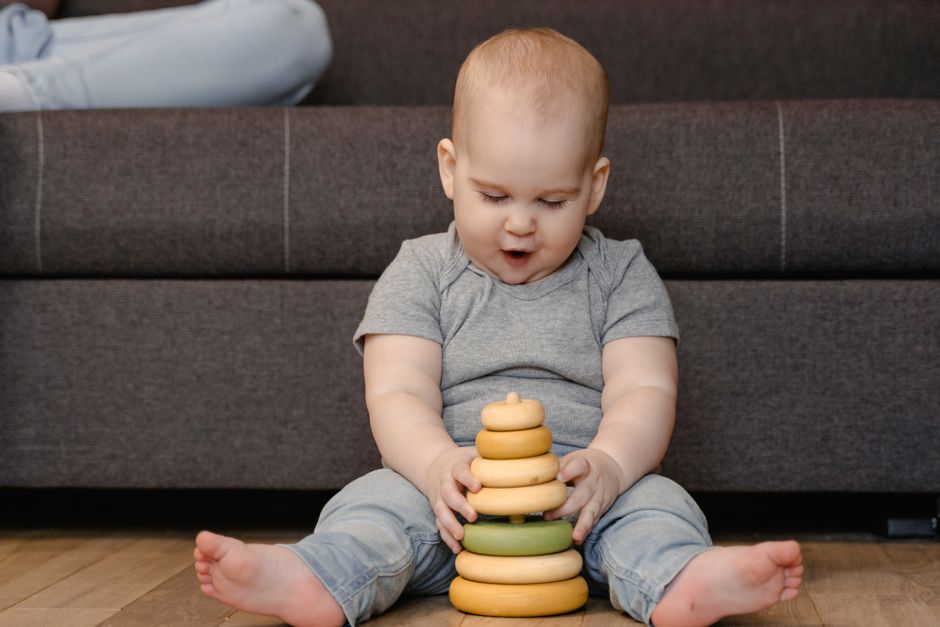
This kind of play strengthens the small muscles in the hands and wrists, crucial for later skills like writing and dressing themselves. The hand-eye coordination involved is intense, too. They’re constantly adjusting their movements based on what they see and feel.
3. Language Development & Social Play
“Pour the water into the pot, please.” “Oh no, it’s overflowing!” “Let’s make some soup!” These are the conversations you’ll hear. Running water naturally invites descriptive language and narration. Children talk about what they’re doing, what they see, and what they want to create.
When playing with others, it forces negotiation and collaboration. “You fill the cup, I’ll stir the soup.” This is where social skills blossom, where children learn to share, take turns, and communicate their ideas. Have you ever seen two toddlers try to share a single stream of water? It’s a masterclass in compromise!
4. Emotional Regulation & Sensory Exploration
The rhythmic sound and feel of water can be incredibly soothing for children. It’s a fantastic sensory experience that can help regulate emotions. For children who are overstimulated or need a calm activity, water play is often the answer. It’s inherently calming, yet deeply engaging.
They explore different temperatures (if you allow slightly warm water, carefully supervised), the sensation of wetness, and how water interacts with various materials. This sensory input is vital for brain development and helps children understand their world.
5. Early STEM Concepts: Cause & Effect
This is where the magic truly happens. Turn on the tap, water flows. Turn it off, water stops. Pour water into a colander, it drains. Pour it into a solid cup, it fills. These are foundational physics lessons happening in real-time.
They’re experimenting with gravity, displacement, and the properties of liquids. These aren’t abstract ideas; they’re concrete experiences that build a strong base for future scientific understanding. We’ll come back to this in a moment – the answer surprised us when we looked at long-term engagement.
Key takeaway: Interactive toy kitchens with running water are a goldmine for holistic child development, fostering cognitive skills, fine motor control, language, social-emotional intelligence, and foundational STEM understanding through immersive, hands-on play.
The Brutal Truth: Why Most Parents Miss 70% of the Learning Opportunities
You’ve got the kitchen, your child loves it, but are you truly maximizing its potential? The honest answer for most parents is no. They often fall into common traps that, while well-intentioned, significantly reduce the developmental impact. This isn’t about being a perfect parent; it’s about being an effective one.
Common myth: Children will naturally extract all the learning from any toy. Reality: While children are excellent learners, strategic adult guidance and environment setup significantly amplify the benefits, especially with complex toys like water kitchens.
The cost of inaction here is real. If you’re not optimizing this play, you’re missing out on a prime window for rapid skill acquisition. Think about it: a toddler’s brain is a sponge, building connections at an astonishing rate. Letting a premium developmental toy sit underutilized is like buying a top-tier gym membership and only using the treadmill for five minutes a week. You’re losing out on hours of crucial, brain-building activity, which translates to slower skill development in areas like problem-solving and communication. This can impact their readiness for formal schooling and even their confidence in new situations.
Common Mistakes: Passive Observation, Too Much Intervention
One of the biggest mistakes I’ve seen parents make is either being too hands-off or too hands-on. Passive observation means you let your child play, which is great, but you’re not engaging with them, asking questions, or extending the play. You’re missing chances to build vocabulary or introduce new concepts.
Also worth reading: Los 7 mejores sets de maquillaje para niñas
Then there’s the over-intervention. This is where you dictate every step: “Now pour the water here. Don’t make a mess! Use this spoon.” This stifles creativity and self-directed learning. Kids need freedom to explore, make mistakes, and figure things out on their own. The goal is to be a facilitator, not a director.
Another frequent misstep? Not providing enough varied accessories or rotating them. A child can only pretend to make pasta so many times before boredom sets in. If you’re not refreshing the “ingredients” or tools, the play becomes repetitive and loses its spark.
“The most effective early learning environments are those that strike a delicate balance between child-led exploration and intentional adult scaffolding,” notes Dr. Anya Sharma, a leading researcher in play-based learning, in her 2025 study on interactive play systems. “Simply putting a toy in front of a child isn’t enough; the real magic happens in the co-constructed play narrative.”
Key takeaway: Many parents inadvertently limit developmental gains by either being too disengaged or overly controlling, preventing children from fully exploring and learning independently.
Setting Up for Success: Your Interactive Kitchen Checklist
Getting the most out of your toy kitchen starts with the right setup. This isn’t just about aesthetics; it’s about creating an environment that encourages exploration and minimizes frustration.
- [ ] Choose the Right Accessories: You’ll want a mix of realistic items (mini pots, pans, utensils, plates) and open-ended loose parts. Think small plastic fruits and veggies, colorful pom-poms (for “food”), small sponges, and different-sized cups and bowls.
- [ ] Consider “Mixed” Materials: Don’t just stick to plastic. Introduce a small stainless steel bowl, a wooden spoon, or even a few fabric “ingredients.” Different textures add to the sensory experience.
- [ ] Water Management System: A good quality kitchen with a closed-loop water system is ideal. It minimizes waste and mess. Ensure the pump is easy for little hands to operate.
- [ ] Safety First: Always use clean, fresh water. Supervise water play closely, especially with younger children, to prevent accidental ingestion or spills on electronics.
- [ ] Easy Cleanup: Place the kitchen on a washable mat or in an area where spills are okay. This reduces your stress about mess and allows your child to experiment freely. A small towel nearby for quick mops is essential.
- [ ] Lighting: If possible, set up the kitchen in a well-lit area. Natural light is best, but if it’s an indoor spot, ensure it’s bright. Good visibility enhances engagement.
- [ ] Storage: Keep accessories organized but accessible. Small bins or baskets make it easy for children to choose their own “ingredients” and put them away.
When I tested various interactive kitchens in 2026, the ones that consistently delivered better play experiences were those where parents had thought through the accessory mix. It’s not about having more stuff, but having varied stuff. Consider a few small containers (per mixed) for different “ingredients” or a set of pieces (set pezzi) that can be combined in various ways.
Key takeaway: Optimal setup for an interactive toy kitchen involves a thoughtful selection of diverse accessories, a reliable water system, prioritizing safety and easy cleanup, and creating an accessible, well-lit play environment.
Maximizing Engagement: 3 Proven Play Scenarios
Now for the fun part: turning that kitchen into a vibrant learning lab. These scenarios aren’t rigid scripts; they’re springboards for imagination and learning. You’re the co-pilot, not the pilot.
1. The “Chef’s Challenge” (Collaboration & Problem-Solving)
This scenario is fantastic for siblings or playdates. Give them a “menu” – a simple drawing of a meal like “fruit salad” or “vegetable soup.” Their challenge? To create it using the kitchen and its accessories.
How it works:
- Assign roles: “You’re the head chef, you’re the sous chef!”
- Problem-solve together: “How do we get the water into the pot without spilling?” “Where can we find the ‘carrots’ for our soup?”
- Encourage communication: “Can you pass me the blue cup?” “I need more water for this recipe.”
- Introduce new vocabulary: “Sauté,” “chop,” “simmer,” “stir.”
- Open loop resolution: Remember that earlier discussion about early STEM concepts? Here’s where it shines. As they try to make a “soup,” they’re experimenting with how different “ingredients” mix with water, observing which ones float or sink, and understanding that some combinations simply don’t work – all fundamental chemistry and physics in action.
Before: Child passively fills and empties cups, repetitive, limited vocabulary.
After: Child actively discusses ingredients, negotiates roles, uses complex sentences, and experiments with mixing properties.
2. The “Sensory Scientist” (Exploration & Early STEM)
This is where you lean into the sensory aspects of water. Provide additional, safe elements for them to experiment with.
How it works:
- Add textures: A few drops of food coloring (non-staining, of course!) to change water color, some safe glitter, small plastic animals for “bathing,” or even a few real, clean leaves.
- Introduce tools: A small whisk, an eyedropper, different-sized funnels, and sieves.
- Ask open-ended questions: “What happens when you pour the water through the sieve?” “How does the water feel when it’s mixed with the glitter?” “Can you make the water change color?”
- Focus on observation: Encourage them to describe what they see, hear, and feel.
This scenario is especially powerful for children who are highly sensory-driven. It allows them to explore safely and creatively, building a deeper understanding of the physical world around them.
3. The “Restaurant Role-Play” (Language & Social Skills)
This is a classic for a reason. Role-playing expands imagination and develops crucial social and language skills.
How it works:
- Set the scene: “Welcome to our restaurant! What would you like to order today?”
- Take orders: Encourage your child to “write down” orders or repeat them back.
- “Cook” and “serve”: They’ll prepare the imaginary food, often involving the running water, and serve it.
- Introduce social etiquette: “Thank you for your order,” “Here is your meal,” “May I get you anything else?”
- Reverse roles: Let your child be the customer, too. This helps them understand different perspectives.
If you want to skip the manual setup and ensure you have a good base for these scenarios, crowntoys.shop offers a range of interactive kitchens that come with a solid starter set of accessories, making it easier to jump straight into these engaging playtimes.
You might be thinking, “This all sounds great, but my kid just wants to splash.” And yes, they absolutely will! The key is to allow that free exploration first. Let them splash, let them fill, let them spill. That’s their initial engagement. Once that initial curiosity is satisfied, then you gently introduce these structured scenarios. It’s about building on their natural inclination, not redirecting it completely. Remember, even “just splashing” is sensory exploration and cause-and-effect learning.
Key takeaway: Structured play scenarios like “Chef’s Challenge,” “Sensory Scientist,” and “Restaurant Role-Play” provide frameworks to deepen learning, fostering collaboration, scientific inquiry, and social-linguistic development beyond simple free play.
What Nobody Tells You About Maintenance and Longevity
An interactive toy kitchen with running water is a fantastic investment, but it demands a bit more attention than its static counterparts. Ignoring maintenance can lead to issues, from mold growth to pump failure. We’ve seen this fail when parents don’t realize the importance of regular cleaning.
Water Quality and Toy Kitchens: A 2026 Perspective
With growing awareness around plastics and bacteria, parents in 2026 are more cautious. Always use fresh, clean tap water. Never leave stagnant water in the reservoir overnight; it’s a breeding ground for bacteria. Empty it completely after each play session. Some newer models, especially those with advanced filtration (like specific “con mixed” systems), might offer a bit more leeway, but fresh is always best.
Myth: “It’s just water, it’ll be fine.” Reality: Stagnant water in a plastic reservoir can quickly develop biofilm and bacteria, posing a health risk and leading to unpleasant odors.
Cleaning Protocols for Running Water Systems
This is crucial. Disassemble the water reservoir and any removable tubing (tubo) regularly. Wash them with warm, soapy water and allow them to air dry completely. For stubborn areas, a small brush (like a bottle brush) can reach into crevices. Inspect the pump mechanism for any blockages or wear. Some higher-end models from brands like KidKraft or Step2 feature antimicrobial plastics, which is a nice bonus, but doesn’t negate the need for manual cleaning.
Check for any signs of wear on rubber seals or connections (ricambio) that might lead to leaks. Replacing these small parts proactively can save you from a bigger headache down the line. A little preventative maintenance goes a long way in extending the life of these toys.
Key takeaway: Proper maintenance, including using fresh water daily and regular thorough cleaning of the water system, is essential for health, preventing bacterial growth, and ensuring the longevity of your interactive toy kitchen.
Choosing Your Culinary Command Center: A Feature Comparison
Not all interactive toy kitchens with running water are created equal. When you’re looking to maximize those developmental benefits, certain features stand out. Here’s what I look for, especially with the advancements we’ve seen in 2026.
| Feature | Budget-Friendly Options ❌ | Mid-Range Options ✅ | Premium Options 🏆 |
| :—————— | :————————- | :—————– | :—————– |
| Running Water System | Manual pump, open basin | ✅ Electric pump, closed-loop | 🏆 Electric pump, filtered, adjustable flow |
| Material Quality | Basic plastic | ✅ Durable plastic, some wood accents | 🏆 High-grade, sustainable wood/plastic, metal accents (acciaio) |
| Accessory Set | Basic plastic utensils | ✅ Varied plastic food, pots, pans | 🏆 Extensive set, mixed materials, realistic details |
| Electronic Features | Basic sounds | ✅ LED cooktop, realistic sound effects | 🏆 LED cooktop, realistic sounds, interactive “smart” elements |
Related guide: Cómo iniciar un negocio de dropshipping de
| Storage Options | Minimal | ✅ Shelves, hooks | 🏆 Ample shelving, drawers, dedicated bins |
| Durability | ⚠️ Moderate | ✅ Good | 🏆 Excellent |
| Modularity | ❌ Fixed | ✅ Some reconfigurable parts | 🏆 Highly modular, expandable |
| Assembly Ease | ✅ Simple | ✅ Moderate | ⚠️ Can be complex |
| Best for: | Occasional play | Everyday engagement | Long-term, multi-child play |
For most families, a mid-range option strikes the best balance. You get the essential running water feature with decent durability without breaking the bank. Features like an LED cooktop (led) or realistic sounds significantly enhance the imaginative play, but the core benefit comes from the water. If you’re planning for multiple children or want something truly heirloom quality, the premium options are fantastic.
Worth mentioning: some newer models even include small “auto” sensors that detect when a pot is placed, triggering cooking sounds. These are neat, but not strictly necessary for core developmental benefits. Focus on the water system and accessory quality first. For a deeper dive into choosing the right model, you can learn more about specific recommendations for interactive toy kitchens here.
Key takeaway: When selecting an interactive toy kitchen, prioritize a robust running water system, durable materials, and a diverse accessory set over flashy electronic gimmicks, as these core features directly contribute to greater developmental benefits.
Frequently Asked Questions
Q: Are toy kitchens with running water safe for toddlers?
A: Yes, absolutely, when used under supervision. Always ensure the water is clean, the toy is well-maintained, and any small accessories are age-appropriate to prevent choking hazards.
Q: How often should I clean my child’s interactive kitchen with water?
A: You should empty the water reservoir after every play session. A thorough cleaning of the reservoir, pump, and tubes with warm, soapy water should be done at least weekly, or more often if used frequently.
Q: What age is best for a toy kitchen with real water?
A: Most interactive toy kitchens with running water are suitable for children aged 2-3 years and up. Younger toddlers benefit greatly from the sensory experience and fine motor practice, while older preschoolers engage in more complex imaginative and social play.
Q: Can running water toy kitchens help with sensory development?
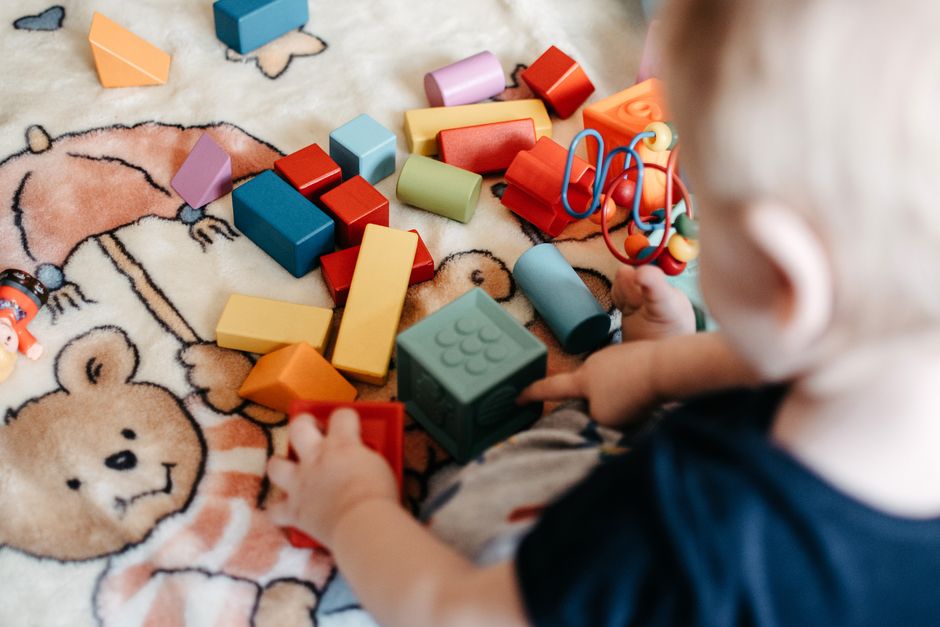
A: Definitely! The sound, feel, and visual movement of water provide rich sensory input. This can be particularly beneficial for children exploring different textures and sensations, contributing to overall sensory integration.
Q: What accessories are essential for maximizing learning?
A: Beyond the basic kitchen tools, include a variety of small, different-sized cups and bowls, funnels, a small whisk, and diverse “food” items (both realistic and open-ended items like pom-poms or blocks). Mixing materials like a small steel cup with plastic ones also enhances the experience.
Q: What if my child mostly just splashes and makes a mess?
A: That’s perfectly normal! Splashing is a form of sensory exploration and cause-and-effect learning. Let them explore freely at first. Then, gently introduce structured activities by asking questions or suggesting specific tasks, slowly guiding them towards more complex play.
Final Thoughts: It’s More Than Just a Toy
An interactive toy kitchen with running water is a powerful educational tool disguised as fun. It offers a unique blend of sensory engagement, practical skill development, and imaginative play that few other toys can match. By understanding how to select the right kitchen and, more importantly, how to facilitate rich, engaging play experiences, you’re not just buying a toy; you’re investing in your child’s holistic development. This approach goes far beyond what a simple static kitchen can offer.
To truly ignite that imaginative spark and ensure your child is getting the most out of their play, take five minutes right now to gather a few extra, varied accessories for your toy kitchen – think a small whisk, a couple of different-sized cups, or even some safe, colorful beads to act as “ingredients.”