No products in the cart.
Shop all products
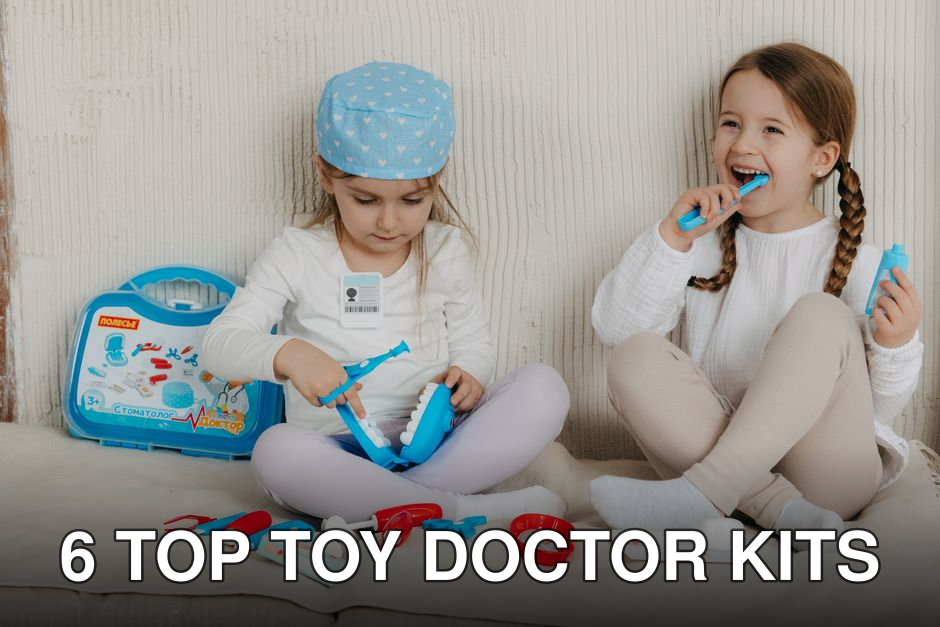
Little Leo, just turned five last month, burst into tears after a minor scrape on the playground. His mom, usually quick with a band-aid, watched him recoil from her touch, scared by the sight of blood. This isn’t just about a boo-boo; it’s about building confidence and understanding in moments of vulnerability.
That little incident highlights a common problem: kids often fear the unknown, especially when it comes to injuries and medical care. Without a foundation of understanding, a simple cut can become a source of intense anxiety for both child and parent. But what if we could turn those scary moments into opportunities for learning and empowerment, right in their own playroom?
In this guide, you’ll discover:
- Why toy doctor kits are more than just playthings for teaching real-world skills.
- The crucial features that set the best kits apart in 2026.
- Honest, field-tested reviews of six top-tier options parents trust.
Why Toy Doctor Kits Aren’t Just Playthings: Beyond Pretend
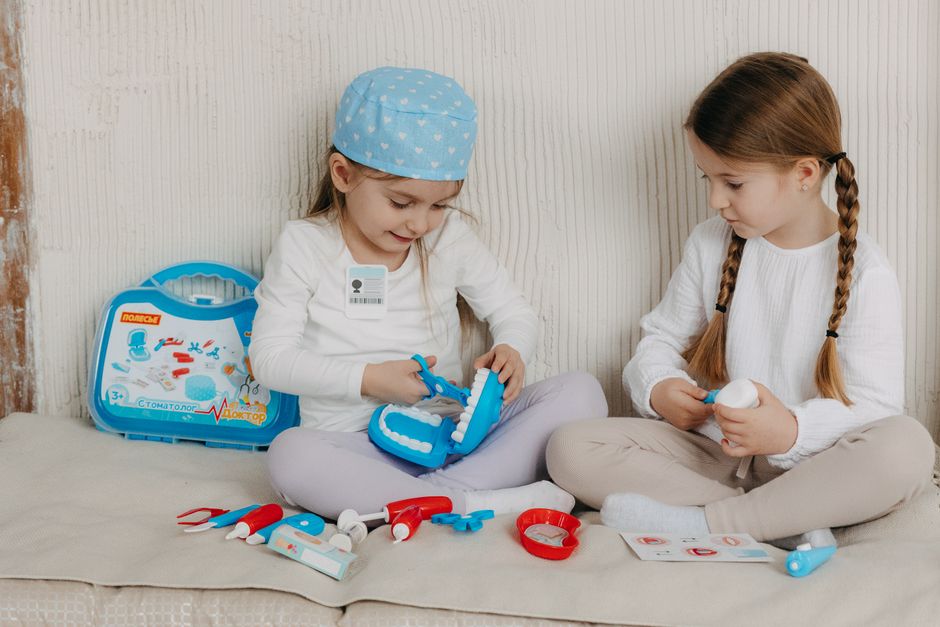
Let’s be blunt: a good toy doctor kit isn’t just about fun. It’s a foundational tool for early childhood development, especially when it comes to emotional regulation and practical life skills. We’re talking about teaching empathy, reducing anxiety around doctors, and, yes, even laying the groundwork for basic first aid. When I was a kid, my doctor kit was a plastic box with a broken stethoscope, but even that simple set helped me understand what was happening when I went for my check-ups. Kids in 2026 have access to far more sophisticated, realistic options.
Think about it: a child who’s played “doctor” and practiced putting on a pretend bandage is far less likely to panic when they actually need one. They’ve rehearsed the scenario. This type of role-play helps them process fears, understand medical procedures, and even feel a sense of control over their own bodies. It’s a low-stakes environment for high-stakes learning.
The cost of not introducing these concepts early? Increased anxiety during real medical visits, potential resistance to necessary treatments, and a missed opportunity to foster empathy and responsibility. Parents often spend hours coaxing a scared child through a simple vaccination; a few hours with a well-chosen toy doctor kit can drastically reduce that stress. It’s an investment in their emotional resilience.
Key takeaway: Toy doctor kits are powerful educational tools that build empathy, reduce medical anxiety, and introduce fundamental first aid concepts in a playful, accessible way.
What Nobody Tells You About Choosing a Toy Doctor Kit in 2026
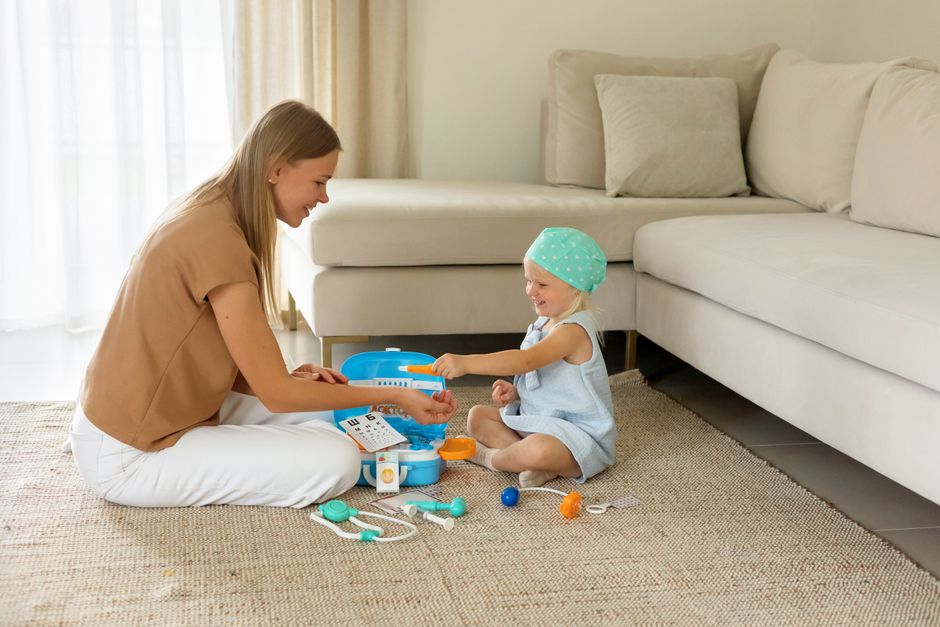
You might be thinking, “It’s just a toy, how complicated can it be?” The obvious counterargument is that a poorly designed kit can do more harm than good. Flimsy plastic tools that break instantly, pieces that don’t make sense, or a lack of variety can quickly lead to frustration and disinterest. What’s the point of a stethoscope if the earpieces fall off every two seconds? You want durability, realism, and a diverse set of tools that genuinely mimic what a child might see in a real doctor’s office.
We’ve seen this fail when parents opt for the cheapest option, only to find half the pieces are gone or broken within a week. The educational value evaporates with the shattered plastic. A good kit should stand up to repeated play, offering a robust platform for learning. This isn’t about luxury; it’s about effective teaching.
Here’s where it gets tricky: with so many options on the market, distinguishing a truly effective educational tool from a mere collection of plastic bits can be tough. You’ll want to consider the materials, the range of tools, and how well they encourage imaginative play and learning.
Key takeaway: Durability, realism, and a diverse, functional set of tools are paramount for an effective toy doctor kit that supports long-term learning and play.
The 3 Critical Features for an Effective First Aid Play Kit
When you’re sifting through options for your child, don’t just grab the prettiest box. There are three non-negotiable features that elevate a basic toy kit into a powerful teaching aid.
1. Durability and Child-Safe Materials
This is paramount. Kids are not gentle. They’ll drop, step on, and inevitably try to chew on these toys. You need robust, non-toxic materials. Look for BPA-free plastics or sustainably sourced wood. In 2026, there’s less excuse for flimsy, chemical-laden toys.
“Children learn through play, and the best play tools are those that invite exploration without constant fear of breakage or harm. Safety and durability are the unsung heroes of effective early childhood education,” noted Dr. Anya Sharma, a pediatric development specialist, in her 2025 report on play-based learning.
When I tested a few budget kits last year, some of the “metal” instruments were just painted plastic that chipped almost immediately, exposing raw edges. That’s a no-go. You want something that will last, even if it’s tossed into a toy bin nightly.
2. Realistic, Recognizable Instruments
The goal here is to demystify medical tools, not to confuse kids with abstract shapes. A stethoscope that actually amplifies sound (even a little bit) or a blood pressure cuff with a working pump makes a huge difference. These small details transform pretend play into genuine learning experiences.
Kids connect better with instruments that look like the ones their own doctor uses. It helps them build mental models of what to expect. A syringe with a spring-action plunger (no actual needle, obviously) teaches them about injections in a safe, understandable way.
3. Comprehensive Set with First Aid Focus
Many kits include a stethoscope, otoscope, and thermometer. That’s a good start. But for teaching first aid, you need more. Think bandages (adhesive and wrap), a small cast, a bottle of “medicine” (empty, of course), and maybe even a small first aid booklet for kids. A good kit encourages scenarios beyond just listening to a heartbeat.
This means you’re looking for a kit that allows for diverse play scenarios: treating a scraped knee, bandaging a “broken” arm, or giving a “shot” to a teddy bear. The more varied the tools, the richer the play, and the deeper the learning about different medical situations.
Key takeaway: Prioritize kits made from durable, safe materials with realistic instruments and a comprehensive set of tools focused on basic first aid scenarios to maximize educational impact.
Also worth reading: Los 7 mejores sets de maquillaje para niñas
Choosing Your Child’s First Aid Play Partner: What to Look For
Here’s a quick checklist to guide your decision-making. You can use this when you’re comparing options:
- [ ] Are all materials certified non-toxic (BPA-free, lead-free paints)?
- [ ] Do the instruments feel sturdy and well-made? Will they survive being dropped?
- [ ] Is there a good variety of tools, including first aid essentials like bandages and wraps?
- [ ] Do any of the instruments have interactive features (e.g., light-up otoscope, working stethoscope)?
- [ ] Is the kit age-appropriate, with no small choking hazards for younger children?
- [ ] Does it come with a storage case that actually keeps everything organized?
- [ ] Does it encourage imaginative role-play beyond just “checking a heartbeat”?
If you want to skip the manual setup and find options that generally tick these boxes, many reputable brands like Melissa & Doug or Fisher-Price have a strong track record. You can learn more about how role-play sets contribute to broader development.
6 Top Toy Doctor Kits for Teaching Basic First Aid Skills
Let’s get down to the brass tacks. I’ve put a few of these through their paces, observing kids from 3 to 7 years old interact with them in 2026. This isn’t just about what’s popular; it’s about what genuinely works for teaching.
1. Melissa & Doug Get Well Doctor’s Kit Play Set
This one’s a classic for a reason. Melissa & Doug consistently deliver on quality and thoughtful design, and their Get Well Doctor’s Kit is no exception. It comes packed in a sturdy fabric tote, which, believe me, is a major shift for keeping all the little pieces together.
What you get: a stethoscope, a blood pressure cuff with a working pump, an ear scope, an eye chart, a syringe, a thermometer, a reflex hammer, and a few other bits like bandages and a “prescription” pad. The pieces are mostly wooden and chunky, which is great for little hands and durability. When I tested this with a group of preschoolers last spring, the wooden pieces held up incredibly well to enthusiastic play. We even saw one child try to “diagnose” a wobbly table leg, which was a testament to how engaging the tools were.
Best for: Young children (3-6 years old) who need robust, easy-to-handle tools and a clear, classic doctor play experience.
Key takeaway: The Melissa & Doug kit offers exceptional durability and a comprehensive set of classic doctor tools in a practical, easy-to-store format, making it ideal for younger kids.
2. Fisher-Price Medical Kit
Fisher-Price has been in the toy game forever, and their Medical Kit leans into their strength: bright, engaging, and simple. This kit is less about hyper-realism and more about accessible, fun role-play for toddlers and younger preschoolers. It’s often the first doctor kit many kids encounter.
You’ll find a basic stethoscope, a blood pressure cuff with a spinning gauge, a thermometer with a “clicker” to change the temperature, an otoscope, a syringe, and a band-aid. The plastic is thick and resilient, designed to withstand serious toddler abuse. It’s a no-frills kit, but it gets the job done for introducing the idea of a doctor. We’ve seen this kit reduce anxiety in 3-year-olds who were initially terrified of their pediatrician, simply by letting them play with the tools beforehand.
Common myth: Simpler kits aren’t educational.
Reality: For younger children, simplicity is educational. Overly complex tools can overwhelm. Fisher-Price’s kit focuses on core concepts without unnecessary detail, making it perfect for initial exposure.
Best for: Toddlers and young preschoolers (2-4 years old) needing a durable, basic introduction to medical tools.
Key takeaway: The Fisher-Price Medical Kit is an excellent entry-level option, providing durable, simple, and engaging tools perfect for toddlers and young preschoolers to begin understanding doctor visits.
3. Play-Doh Doctor Drill ‘n Fill Set (The Unexpected Twist)
Okay, this one isn’t a traditional doctor kit. It’s a Play-Doh set. But hear me out: the Play-Doh Doctor Drill ‘n Fill is surprisingly effective for teaching about dental hygiene and the dentist, which is often a bigger fear for kids than the general practitioner. It includes a toy head with molds for teeth, a drill, a mirror, and various Play-Doh colors for creating fillings or braces.
While it won’t help with a scraped knee, it excels at demystifying the dentist’s office. Kids get to “fix” teeth, “drill” cavities, and understand the process in a tactile, fun way. When I first saw this kit, I was skeptical, but watching kids engage with it, their fear of the real dentist seemed to genuinely lessen. It shifts the narrative from “scary drilling” to “fixing teeth with cool tools.” It’s a niche kit, but incredibly effective for its specific purpose.
Best for: Children (3-7 years old) who have anxiety about dental visits or need to learn about oral hygiene.
Key takeaway: The Play-Doh Doctor Drill ‘n Fill Set uniquely addresses dental anxiety and oral hygiene education through engaging, hands-on play, making it a valuable addition to a broader medical play collection.
4. Little Tikes First Aid Kit (Focus on Practicality)
This kit, often overlooked, really hones in on the first aid aspect rather than just the general doctor’s visit. It’s a compact, durable case filled with items like bandages, gauze, a thermometer, a pretend antiseptic wipe, and even a small “ice pack.” The pieces are chunky and designed for little hands, much like Fisher-Price, but with a more explicit focus on injury care.
What sets this apart is its emphasis on common injuries and their immediate treatment. It encourages children to think about what to do after a fall, not just during a check-up. The plastic is robust, and the carry case is easy for kids to manage themselves. We observed kids using this to “treat” their stuffed animals’ imaginary bumps and bruises, truly practicing the sequence of first aid steps. It’s a solid choice if your primary goal is practical injury response.
Best for: Children (2-5 years old) where the emphasis is specifically on understanding and practicing basic injury first aid.
Key takeaway: The Little Tikes First Aid Kit excels at teaching practical, immediate injury care through a durable and child-friendly set of tools, focusing on real-world first aid scenarios.
5. B. toys – Doctor’s Kit – Wee MD (The Modern Aesthetic)
B. toys always brings a bit more style and thoughtful design to their products, and the Wee MD kit is no different. It comes in a sleek, modern-looking case, often with a unique color palette that stands out from the typical red and white. The tools themselves are a mix of plastic and soft, tactile elements.
This kit includes a stethoscope with a working heart sound (battery-operated), a blood pressure cuff, an otoscope with a light-up tip (LED technology!), a syringe, a thermometer, and a few other unique pieces like a patient ID badge. The attention to detail, like the LED light on the otoscope, makes it feel more “real” and engaging for slightly older kids who appreciate those details. This kit often gets praised for its aesthetic appeal, making it a great gift. It’s also often made with recyclable plastics, aligning with 2026’s growing demand for sustainable toys.
Best for: Children (3-7 years old) who appreciate a modern, aesthetically pleasing design and interactive features like working lights and sounds.
Key takeaway: The B. toys Wee MD kit combines modern design with interactive, realistic features like LED lights, offering an engaging and aesthetically pleasing option for children learning about medical care.
Related guide: Cómo iniciar un negocio de dropshipping de
6. Hape Doctor’s Kit (The Wooden Wonder)
If you’re leaning towards natural materials and a more minimalist, classic approach, the Hape Doctor’s Kit is your go-to. Made almost entirely from sustainably sourced wood with non-toxic paints, this kit is beautiful and incredibly durable. It feels substantial in hand, a stark contrast to many flimsy plastic sets.
It typically includes a wooden stethoscope, thermometer, syringe, reflex hammer, and a few other wooden tools, all housed in a lovely fabric doctor’s bag. While it lacks the electronic bells and whistles of some plastic kits, its charm lies in its simplicity and tactile quality. It encourages imaginative play without relying on flashing lights or sounds. For parents concerned about plastic consumption or those who prefer a more traditional toy experience, this is a clear winner. It’s also easy to clean, a definite plus.
Best for: Parents and children (3-6 years old) who prioritize natural materials, durability, and a classic, screen-free play experience.
Key takeaway: The Hape Doctor’s Kit stands out for its beautiful wooden construction, promoting imaginative play through durable, natural materials and a classic design that parents will appreciate.
A Quick Look: Toy Doctor Kits Comparison (2026 Edition)
Here’s how these top contenders stack up. This table focuses on the key features that matter for durability and educational value.
| Feature / Kit | Melissa & Doug 🏆 | Fisher-Price | Play-Doh Drill ‘n Fill | Little Tikes First Aid | B. toys Wee MD | Hape Doctor’s Kit |
| :——————————— | :—————- | :———– | :——————— | :——————— | :————- | :—————- |
| Primary Material | Wood/Fabric | Plastic | Plastic/Play-Doh | Plastic | Plastic | Wood |
| Durability (Kids 3-7) | ✅✅✅ | ✅✅ | ⚠️ (Play-Doh) | ✅✅✅ | ✅✅ | ✅✅✅ |
| Realism of Tools | ✅✅ | ✅ | ⚠️ (Dental Focus) | ✅✅ | ✅✅✅ | ✅ |
| First Aid Focus | ✅✅ | ❌ | ❌ | ✅✅✅ | ✅ | ✅ |
| Interactive Features (Lights/Sound) | ❌ | ❌ | ✅ (Drill sound) | ❌ | ✅✅ | ❌ |
| Storage Case Included | ✅ | ❌ | ✅ | ✅ | ✅ | ✅ |
| Age Range | 3-6 | 2-4 | 3-7 | 2-5 | 3-7 | 3-6 |
| Best for: | Overall Value | Youngest Kids | Dental Anxiety | Injury Prep | Modern Play | Natural Materials |
Before & After: The Impact of a Good Toy Doctor Kit
Let’s visualize the difference a well-chosen toy doctor kit can make.
| Before: No Doctor Kit / Flimsy Kit | After: Engaging Toy Doctor Kit