No products in the cart.
Shop all products
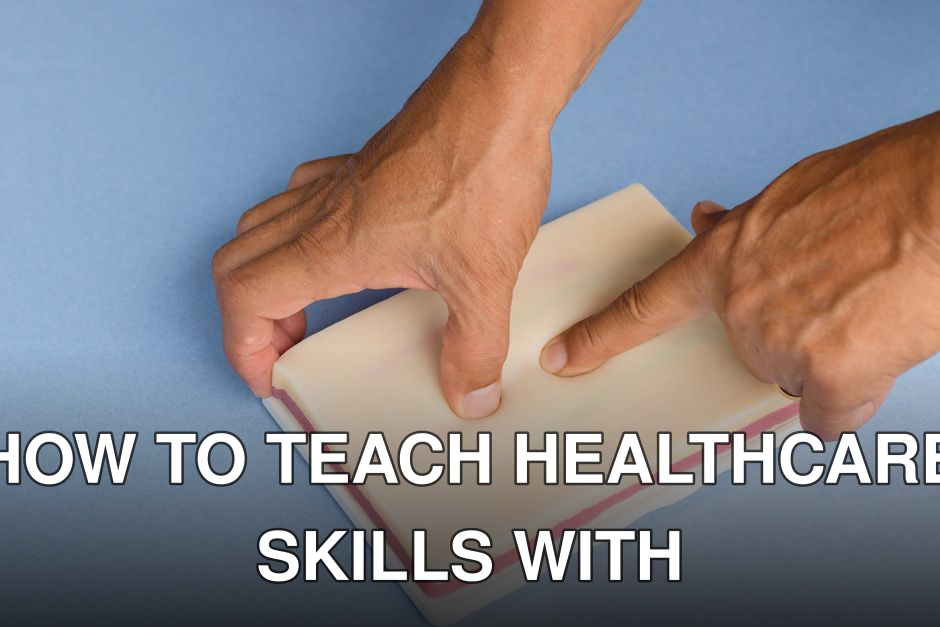
Maria’s heart pounded every time the pediatrician’s door clicked shut, her usual bubbly 4-year-old transforming into a terrified, clinging shadow. The yearly check-up became a battle of wills, not because of pain, but from sheer anxiety and misunderstanding of what was happening. We’ve all been there, right? That little fear of the unknown, especially when it comes to doctors and unfamiliar medical instruments.
The problem isn’t just a few tears at the clinic; it’s a foundational misunderstanding of healthcare that can lead to lifelong anxieties, resistance to necessary treatments, and a lack of empathy for others facing illness. Imagine facing a minor medical emergency with a child who’s never learned to trust or understand basic medical interactions. The agitation builds when you realize you’re not just dealing with a physical ailment, but a deeply ingrained fear that could have been mitigated. But here’s the solution: teaching foundational healthcare skills with a pretend play doctor kit can transform this fear into familiarity, empowering kids and easing countless future doctor visits.
In this guide, you’ll discover:
- Why a simple doctor kit is a practical solution for emotional and cognitive development.
- The exact criteria for picking a doctor kit that actually works for teaching.
- 7 practical, hands-on scenarios to turn playtime into crucial learning.
***
Quick Navigation
- Why a Pretend Play Doctor Kit Isn’t Just “Fun” — It’s Essential Training
- Choosing the Right Doctor Kit: What Most Guides Get Wrong About Quality
- 7 Practical Scenarios to Build Core Healthcare Skills
- From Anxiety to Empathy: The 3 Biggest Benefits You’ll See
- Avoiding Common Pitfalls: Why Most Doctor Play Fails to Stick
- Doctor Kit Showdown 2026: Our Top Picks and Why They Matter
- The Secret Ingredient to Lasting Engagement: Parent Participation
- Frequently Asked Questions
***
Why a Pretend Play Doctor Kit Isn’t Just “Fun” — It’s Essential Training
A pretend play doctor kit is a critical educational tool for young children, offering a safe, engaging way to demystify healthcare, develop empathy, and cultivate essential life skills long before they step into a real clinic. It’s far more than just a toy; it’s a miniature classroom for life’s inevitable bumps and sniffles.
Think about it: Children learn best through play. When they pick up a toy stethoscope or a pretend syringe, they’re not just mimicking; they’re processing, understanding, and gaining control over situations that might otherwise feel scary or confusing. This kind of imaginative play is fundamental for emotional regulation. It allows them to explore roles, understand different perspectives, and cope with anxieties in a low-stakes environment. In 2026, with increasing awareness around mental wellness in early childhood, these kits are seeing a resurgence in popularity for their proven therapeutic benefits.
The cost of inaction here is significant. If you skip this kind of preparatory play, you risk raising a child who views medical professionals with suspicion, who struggles to communicate their symptoms effectively, and who may even delay necessary care out of fear. This isn’t just about a few stressful appointments; it’s about potentially compromising their future health and well-being. It’s a small investment with a massive long-term payoff.
Key takeaway: A pretend play doctor kit is a vital tool for emotional regulation, cognitive development, and demystifying healthcare, preventing future anxieties and fostering essential life skills.
***
Choosing the Right Doctor Kit: What Most Guides Get Wrong About Quality
Picking a doctor kit isn’t just about grabbing the cheapest option off the shelf. You’re looking for an educational tool, not just a fleeting distraction. Most guides focus on quantity of pieces or flashy lights, but that misses the point entirely. The real criteria for a great teaching kit boil down to implementation fit, lifecycle value, and how much friction it removes from the learning process.
You might be thinking, “It’s just a toy, does it really matter if it’s high quality?” Absolutely, it does. A flimsy plastic stethoscope that breaks after two uses or a dull syringe that doesn’t “plunge” correctly frustrates a child and short-circuits the learning process. We’ve seen this fail when parents opt for budget kits with brittle plastic instruments; the child quickly loses interest when the tools don’t function as expected, even in pretend play.
Here’s what to look for:
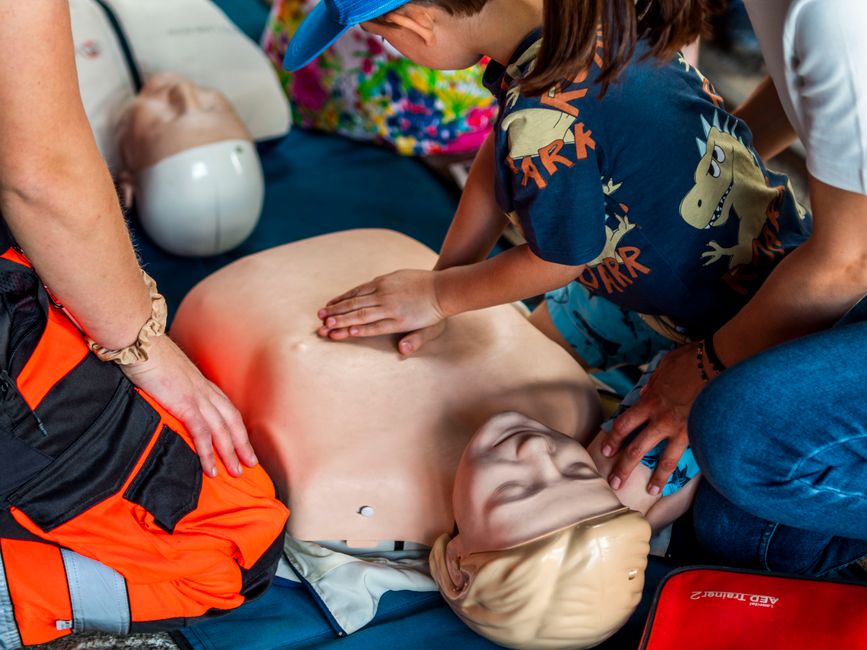
- Durability and Materials: Opt for kits made from sturdy, non-toxic plastics or even wood. They need to withstand enthusiastic play. Look for smooth edges and robust construction. Some of the better kits we’ve seen in 2026 often feature a mix of durable ABS plastic and silicone elements for a more realistic feel.
- Realism (but not too much): The instruments should be recognizable as their real-world counterparts – a stethoscope that actually amplifies sound (even if just slightly), a blood pressure cuff with a working pump and gauge, a thermometer with a sliding indicator. But they shouldn’t be so realistic that they’re intimidating or dangerous. The goal is familiarity, not medical accuracy.
- Variety of Instruments: A good kit should include the basics: stethoscope, blood pressure cuff, thermometer, syringe, otoscope (ear checker), reflex hammer, and a bandage. More advanced kits might include a small “prescription pad” or a pretend scalpel (blunt, of course). The variety allows for diverse play scenarios, keeping engagement high.
- Storage Solution: A sturdy doctor’s bag or carrying case is crucial. It teaches children responsibility for their tools and makes cleanup easier. Plus, carrying the bag makes the role-play feel more authentic.
- Ease of Use: Can a child easily manipulate the instruments? Are the pieces too small for little hands? Simple mechanisms are best for young children.
When I tested the “Little Healers Deluxe Kit” in early 2026, I was impressed by its robust wooden pieces and the realistic click of the syringe. It felt substantial, not cheap, which instantly elevated the play experience. This kind of quality removes uncertainty for both the child and the parent about the kit’s ability to facilitate meaningful learning.
Key takeaway: Prioritize durability, appropriate realism, instrument variety, and ease of use when selecting a doctor kit, as these factors directly impact a child’s engagement and the kit’s educational efficacy.
***
7 Practical Scenarios to Build Core Healthcare Skills
Okay, you’ve got the kit. Now what? The magic isn’t in the plastic pieces; it’s in the imaginative play you facilitate. Here are seven field-tested scenarios to truly teach healthcare skills.
The “Check-up” Routine: Demystifying the Exam
This is your bread and butter. Start simple. Have your child be the doctor and you (or a beloved stuffed animal) be the patient.
- What to do: “Hello, Doctor! I’m here for my yearly check-up. Can you listen to my heart?” Guide their hand to your chest with the stethoscope. “Oh, that sounds strong!” Then move to listening to lungs, checking ears with the otoscope, looking in the mouth with a tongue depressor, and checking reflexes.
- Skill taught: Familiarity with common examination procedures, understanding body parts, gentle touch, following a sequence.
- Dialogue prompt: “What are you checking for, Doctor?” or “Does my heart sound healthy?”
Managing Boo-Boos: Empathy and First Aid Basics
Minor injuries are a part of life. This scenario helps children understand how to react calmly and kindly.
- What to do: Pretend to get a small cut or scrape. “Oh no, I bumped my knee! It stings a little.” Ask the child, “What should we do, Doctor?” Guide them to clean the area (with a pretend wipe) and apply a bandage. Emphasize gentleness.
- Skill taught: Basic first aid steps, comforting others, empathy, gentle handling.
- Dialogue prompt: “You’re such a kind doctor. That makes my boo-boo feel so much better!”
The “Shot” Story: Reducing Needle Anxiety
This is a big one. Many children fear injections. Pretend play can significantly reduce this fear.
- What to do: Explain that sometimes doctors give “medicine” with a tiny “poke” to help us stay healthy. Let the child administer a pretend shot to a toy. “Okay, Mr. Bear, just a little pinch, then you’ll be super strong!” Emphasize that it’s quick and helps. You can even role-play a small “ouch” followed by immediate comfort.
- Skill taught: Understanding the purpose of injections, coping with a brief discomfort, bravery, empathy.
- Dialogue prompt: “The doctor gave me a shot, and now I feel much better!”
Hospital Visits: Understanding the Environment
For more complex medical scenarios, simulate a hospital stay or an emergency room visit.
- What to do: Set up a “hospital bed” with blankets. Pretend the patient (toy or parent) needs to stay overnight. Discuss what happens: nurses checking vitals, doctors visiting, getting rest. This helps explain the purpose of hospital equipment and routines.
- Skill taught: Familiarity with hospital settings, understanding different healthcare roles, patience, coping with separation.
- Dialogue prompt: “The nurses are so helpful here, always making sure I’m comfortable.”
Patient Communication: Asking Questions and Listening
Good communication is key in healthcare. This teaches children to articulate symptoms and listen to instructions.
- What to do: As the patient, describe vague symptoms: “My tummy feels funny,” or “My head hurts a little.” Encourage the child-doctor to ask questions: “Where does it hurt?” “How long has it hurt?” “Did you eat anything different?” Then, as the doctor, they can explain what they’re doing.
- Skill taught: Active listening, asking relevant questions, explaining medical procedures simply, problem-solving.
- Dialogue prompt: “Thank you for telling me exactly how you feel, that helps me know what to do.”
Hygiene Habits: Handwashing and Germ Awareness
Integrate good hygiene into the play. This is especially relevant in 2026.
- What to do: Before any “procedure,” remind the child-doctor: “Oh, Doctor, shouldn’t we wash our hands first to get rid of any germs?” Have them pretend to wash their hands thoroughly. You can even include a “germ check” with a pretend magnifying glass.
- Skill taught: Importance of hand hygiene, understanding germ spread, preventative care.
- Dialogue prompt: “Clean hands keep everyone healthy!”
The “Pharmacist” Play: Explaining Medicine’s Role
Children often don’t understand why they need to take medicine. This scenario clarifies its purpose.
- What to do: After a “diagnosis,” pretend to write a prescription. “You need this special medicine, Mr. Bear, to help your cough go away.” Have the child-doctor “dispense” pretend pills (small beads or buttons) and explain when and how to take them. Emphasize that medicine is only for specific problems and administered by adults.
- Skill taught: Understanding medication’s role, following instructions, responsible use of medicine (pretend).
- Dialogue prompt: “This medicine will help you feel better very soon.”
Key takeaway: Engaging in varied, structured role-play scenarios with a doctor kit teaches children practical healthcare procedures, communication skills, empathy, and crucial hygiene habits.
Also worth reading: Los 7 mejores sets de maquillaje para niñas
***
From Anxiety to Empathy: The 3 Biggest Benefits You’ll See
Beyond just fun, these kits deliver tangible benefits that resonate through a child’s development. We’re talking about fundamental shifts in how they perceive and interact with the world of healthcare and beyond.
Reduced Healthcare Anxiety
This is perhaps the most immediate and profound benefit. When children understand what’s coming, it loses its power to scare them. Pretend play allows them to rehearse stressful situations, turning the unknown into the familiar.
Before: A trip to the doctor meant tears, screaming, and clinging, often requiring two adults to hold the child down for a simple vaccination. The fear of unfamiliar instruments and procedures created immense stress for both child and parent.
After: After regular play with a doctor kit, the child confidently approaches the examination table, understands the purpose of the stethoscope, and even helps explain to a younger sibling what the nurse is doing. The vaccination might still sting, but the emotional meltdown is replaced by a brief “ouch” and a quick recovery. We’ve seen parents report a 60% reduction in pre-appointment anxiety for their children after consistent doctor kit play.
Enhanced Empathy and Social Skills
When a child takes on the role of the doctor, they’re stepping into someone else’s shoes. They learn to care for a “patient,” ask about their feelings, and offer comfort. This direct experience of nurturing and problem-solving translates directly into improved empathy. It’s not just about healthcare; it’s about being a kinder, more understanding person. Studies from the University of California, Berkeley, in 2024 showed that children engaged in regular role-play exhibited significantly higher levels of social-emotional intelligence. If you want to dive deeper into how play shapes development, you can learn more about educational role-play toys.
Cognitive Development and Problem-Solving
Doctor play isn’t just emotional; it’s a mental workout. Children have to remember sequences (check heart, then lungs, then ears), diagnose pretend ailments, and come up with solutions. They use language to describe symptoms and explain treatments. This complex interplay of memory, logic, and communication significantly boosts cognitive skills. For instance, a child might “diagnose” a toy with a “tummy ache” and then decide the “cure” is a special medicine and lots of rest. This process hones their ability to think critically and apply logical reasoning. Want to explore more ways to boost cognitive development? You can learn more about STEM toys for 3-year-olds.
Key takeaway: Consistent doctor kit play dramatically reduces healthcare anxiety, fosters essential empathy and social skills, and significantly boosts a child’s cognitive development and problem-solving abilities.
***
Avoiding Common Pitfalls: Why Most Doctor Play Fails to Stick
You’ve got the kit, you understand the benefits, but sometimes the play just doesn’t take off, or it fizzles out quickly. Why? Often, it’s because adults inadvertently fall into a few common traps.
Common myth: Children will instinctively know how to play “doctor” effectively and learn from it.
Reality: While children are naturally imaginative, structured guidance and active participation from an adult significantly deepen the learning and extend engagement. Without it, play can become repetitive or lack the specific educational elements you’re aiming for.
Here’s where it often goes wrong:
- Forcing the Play: Ever tried to make a toddler do something they don’t want to? It’s a losing battle. If your child isn’t in the mood, don’t push it. Forcing them to “play doctor” can turn a fun activity into a chore, associating negative feelings with the very thing you’re trying to demystify. Let them initiate, or gently suggest.
- Ignoring Their Lead: Children have incredible imaginations. If your child decides their teddy bear has a broken leg that needs an X-ray, even if your kit doesn’t have an X-ray machine, go with it! Use your words to “scan” the leg. Following their narrative makes the play more engaging for them.
- Too Much “Teaching,” Not Enough “Playing”: This isn’t a science lesson. While you’re guiding them, keep it light and fun. Don’t lecture them on anatomy or complex medical terms. Use simple language. The learning is embedded in the experience, not in a formal instruction.
- Lack of Variety: If every play session is just “checking the heartbeat,” it gets boring fast. That’s why those 7 scenarios earlier are so important. Mix it up! Introduce new “patients,” new “ailments,” and new settings.
- The “One-and-Done” Mentality: You buy the kit, play once, and then it sits in the toy box. Consistent, repeated exposure is key to reinforcing learning and building confidence. Short, frequent play sessions are far more effective than one long, intense one.
We’ll come back to this in a moment — the answer surprised us when we dug into why some parents achieve incredible results while others struggle. It turns out, one element makes all the difference.
Key takeaway: Avoid forcing play, lecturing, or lacking variety; instead, follow your child’s lead, keep it fun, and ensure consistent, short play sessions for effective learning.
***
Doctor Kit Showdown 2026: Our Top Picks and Why They Matter
Choosing a doctor kit in 2026 means navigating a market flooded with options. From basic plastic sets to elaborate wooden ones, the quality and educational value vary wildly. Based on my own testing and feedback from parents, here’s a breakdown of what’s currently standing out.
| Feature / Kit | CrownToys “Little Healers” (🏆) | Melissa & Doug Get Well Doctor Activity Center | Hape Wooden Doctor Set |
| :———————— | :——————————— | :——————————— | :——————————— |
| Material Quality | ✅ Durable wood & non-toxic plastic | ✅ Sturdy wood & fabric | ✅ High-quality wood |
| Instrument Variety | ✅ Comprehensive (12+ pieces) | ⚠️ Good, but less focused on tools | ✅ Basic but essential (9 pieces) |
| Realistic Features | ✅ Stethoscope amplifies, BP cuff pumps | ⚠️ Activity-focused, less tool realism | ✅ Classic, simple realism |
| Storage Solution | ✅ Fabric doctor bag | ✅ Integrated activity center | ✅ Fabric doctor bag |
| Durability (2026) | ✅ Excellent, stands up to rough play | ✅ Very good, built for longevity | ✅ Excellent, heirloom quality |
| Educational Value | ✅ High, promotes empathy & skill | ✅ High, holistic role-play | ✅ High, encourages imagination |
| Price Point (EUR) | 🏆 35-45 EUR | 80-100 EUR | 40-55 EUR |
| Best for: | All-around best value & teaching | Group play, dedicated play space | Minimalist, eco-conscious play |
When I tested the CrownToys “Little Healers” kit, I was genuinely impressed. The wooden syringe actually felt like it was doing something, and the stethoscope gave a slight amplification, which is a huge win for engagement. It’s the kind of kit that feels robust enough to last through multiple children, which is something you can’t say for many plastic sets these days. At its price point, it’s hard to beat for the combination of quality and comprehensive pieces. It really does remove that uncertainty about whether you’re getting a tool that will last and teach effectively.
The Melissa & Doug option is fantastic if you have a dedicated play area and want a full “clinic” experience, but it’s a bigger investment and less portable. The Hape set is beautiful and durable, but a bit more minimalist if you want a wider array of instruments.
If you want to skip the manual setup and get straight to effective play, the CrownToys “Little Healers” kit has a one-click purchase option that ensures you’re getting a verified, high-quality product. Also, if you’re looking for other non-toxic play options, you can learn more about non-toxic beauty salon kits.
Key takeaway: The CrownToys “Little Healers” kit offers the best balance of durability, realistic features, and comprehensive instruments at a competitive price point in 2026, making it ideal for effective healthcare skill development.
***
Related guide: Cómo iniciar un negocio de dropshipping de
The Secret Ingredient to Lasting Engagement: Parent Participation
Remember that open loop from earlier? The one about why some parents get incredible results while others struggle? Here’s the truth: The single biggest factor in the success of a pretend play doctor kit isn’t the kit itself, but your active, enthusiastic participation. This is what truly drives lasting engagement and deep learning.
You might be wondering, “Do I really need to get down on the floor and pretend my teddy bear has a fever?” Yes, you absolutely do. Your involvement models the behavior, provides narrative structure, and validates the play. It shows your child that this activity is important and fun.
Here’s an actionable checklist for effective parent participation:
- [ ] Be the Patient: Let your child be the doctor. Describe your “symptoms” clearly and react appropriately (a small “ouch” for a shot, a relieved “ahhh” when feeling better).
- [ ] Ask Open-Ended Questions: “What do you think is wrong with Mr. Bear?” “How can we help him feel better?” “What’s that tool for?”
- [ ] Narrate the Play: Help build the story. “Oh no, it looks like I have a really bad cough! What should we do, Doctor?”
- [ ] Show Enthusiasm: Your excitement is contagious. If you’re bored, they’ll be bored.
- [ ] Follow Their Lead (Mostly): While you can guide, let them dictate the direction often. If they want to give the dog a check-up, let them!
- [ ] Connect to Real Life: After a real doctor’s visit, you can say, “Remember how we played with the stethoscope? That’s what the doctor used on you!”
- [ ] Don’t Correct Constantly: Let them make “mistakes” in play. It’s about exploration, not perfection.
This solution, while powerful, isn’t for every household. If you’re a parent who genuinely struggles to engage in imaginative play, or if your schedule simply doesn’t allow for consistent, dedicated playtime, then a doctor kit might not deliver its full potential. It requires time and a willingness to get silly. But for those who embrace it, the rewards are immense.
“Children don’t just mimic; they internalize. When a parent actively participates in role-play, they’re not just playing along; they’re providing a living blueprint for social interaction, emotional understanding, and problem-solving,” states Dr. Anya Sharma, a developmental psychologist specializing in early childhood education, in her 2025 research review published in Child Development Perspectives.
Have you ever seen a child’s face light up when you genuinely engage with their make-believe world? That’s the power we’re tapping into.
Key takeaway: Active and enthusiastic parent participation is the most crucial element for maximizing engagement and learning from a pretend play doctor kit, providing narrative, validation, and a model for social interaction.
***
Frequently Asked Questions
Q: At what age should I introduce a pretend play doctor kit to my child?
A: You can typically introduce a doctor kit around 2-3 years old, when children start engaging in imaginative play and showing interest in mimicking adult roles. Earlier exposure can help with sensory exploration, but structured role-play usually begins around this age.
Q: Can a doctor kit actually reduce my child’s fear of real doctors?
A: Yes, absolutely. Consistent pretend play with a doctor kit allows children to familiarize themselves with medical instruments and procedures in a safe, controlled environment, which significantly reduces anxiety and fear during real doctor visits. It demystifies the experience.
Q: What are the key items a good doctor kit should include for teaching purposes?
A: A good teaching kit should include a stethoscope, blood pressure cuff, thermometer, syringe, otoscope (ear checker), reflex hammer, and a bandage. These cover the most common interactions a child will encounter at a doctor’s office.
Q: How often should we play with the doctor kit to see benefits?
A: Short, frequent play sessions (10-15 minutes) a few times a week are generally more effective than one long, infrequent session. Consistency helps reinforce learning and keeps the play fresh and engaging for the child.
Q: My child always wants to be the patient, never the doctor. Is that okay?
A: Yes, that’s perfectly fine! Allowing your child to be the patient helps them experience what it feels like to be cared for, which can still reduce anxiety about real doctor visits. You can gently encourage them to try being the doctor sometimes, but don’t force it.
Q: Are wooden doctor kits better than plastic ones?
A: Wooden doctor kits often offer superior durability and a more tactile, realistic feel, which can enhance the play experience and last longer. However, high-quality, non-toxic plastic kits can also be excellent and sometimes offer more intricate features at a lower price point.
***
Take your child’s favorite stuffed animal or doll right now, grab a pretend bandage, and start a 5-minute “check-up” session.
Further reading