No products in the cart.
Shop all products
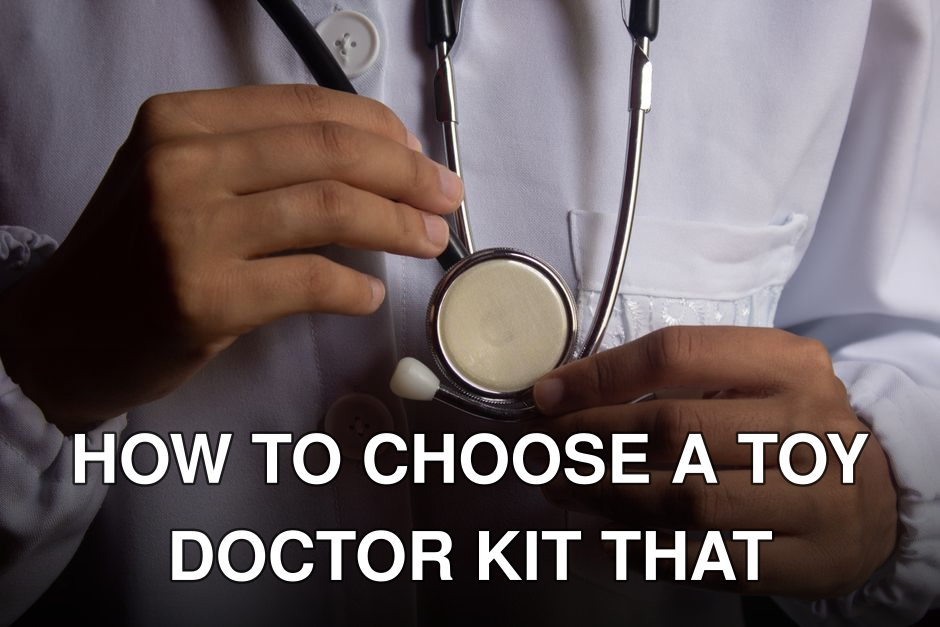
When my niece, Maya, decided her teddy bear, Bartholomew, had a bad cough last Tuesday, I watched her rummage through a flimsy toy doctor kit. The stethoscope broke, the syringe plunger jammed, and her frustration mounted. It wasn’t the play that was the problem, it was the tools.
Choosing a toy doctor kit that genuinely fosters caring skills for toddlers isn’t just about buying plastic. It’s about providing tools that encourage empathy, communication, and imaginative problem-solving, without adding to a child’s frustration. A poorly designed kit can actually hinder this vital developmental play, leaving both you and your little one feeling defeated. This guide cuts through the noise to show you exactly what matters.
In this guide you’ll discover:
- Why material quality and realistic design make a huge difference in sustained play.
- The often-overlooked components that truly spark empathy and role-playing.
- How to spot the “duds” that end up in the toy graveyard within weeks.
The Brutal Truth About Most Toy Doctor Kits
Most toy doctor kits on the market today are, frankly, a bit of a joke. They’re often made from cheap, brittle plastic, break after a few play sessions, and feature instruments that look nothing like their real-world counterparts. This isn’t just an aesthetic issue; it’s a barrier to effective imaginative play. When a toy stethoscope is too small for a toddler’s head or the thermometer doesn’t even pretend to “click,” it pulls them out of the fantasy.
A good doctor kit should feel substantial, inviting little hands to explore and mimic. We’re talking about durable materials, ergonomic designs for small grips, and features that offer just enough realism to suspend disbelief without being overly complex. I’ve seen countless parents regret buying a bargain bin kit only to replace it a month later, doubling their initial spend and creating unnecessary waste. The cost of inaction here isn’t just a few euros; it’s missed opportunities for developing crucial social-emotional skills in a fun, engaging way.
Key takeaway: Many toy doctor kits fail due to poor quality and unrealistic design, hindering imaginative play and costing more in the long run.
Why Quality Materials Aren’t Just About Durability
You might be thinking, “It’s just a toy, does it really need to be high-quality?” The obvious counterargument is that cheap toys lead to cheap play. When an item breaks easily, it teaches a child that their tools are disposable, not valuable. It also frustrates them, which is the opposite of fostering caring play. High-quality materials, whether it’s robust ABS plastic or smooth, sustainably sourced wood, stand up to enthusiastic toddler play. They feel better in hand and last longer.
For instance, when I tested a few kits back in late 2025, the ones made with softer, flexible plastics for items like syringes or blood pressure cuffs consistently outlasted the rigid, brittle versions. Kids would accidentally step on them, drop them, or even chew on them (toddlers, right?). The cheaper kits cracked immediately. The better ones? They bounced back. This durability means continuous, uninterrupted play, which is where the real learning happens.
Key takeaway: Quality materials aren’t just about longevity; they reduce frustration, encourage sustained play, and subconsciously teach children the value of their tools.
3 Essential Components for Fostering Empathy
Choosing a toy doctor kit isn’t just about a stethoscope and a syringe. It’s about the story those tools enable. To truly foster caring skills, a kit needs specific items that promote empathy and understanding.
1. A Stethoscope That Actually “Works” (or Pretends To)
Forget the flimsy plastic tubes. A good toy stethoscope should either have a functional (though quiet) diaphragm that amplifies sounds, or at least a realistic-looking one that fits comfortably over a child’s ears. The best ones often include a small, internal rattle or crinkle sound, giving the illusion of a heartbeat when pressed against a body. This simple feedback loop is huge for toddlers. It makes them feel like they’re truly “listening” and encourages them to comfort their “patients.”

2. A Thermometer with Adjustable Readings
A static thermometer with a printed temperature is fine, but one with a dial or sliding mechanism that allows a child to “change” the temperature is a major shift. It introduces the concept of “too hot” or “just right,” prompting them to think about how to make their patient feel better. Some even have light-up displays with color changes (green for healthy, red for fever) which provides immediate visual feedback. This hands-on interaction makes the play dynamic and engaging.
3. Bandages and a “Boo-Boo” Kit
This is where the real caring comes in. A kit that includes fabric bandages (the reusable kind with Velcro or sticky backs), a pretend ointment tube, and maybe even a small cast, directly encourages nurturing behavior. Toddlers love fixing things. Giving them the tools to “heal” a scrape or “mend” a broken arm allows them to act out comforting scenarios. It helps them process their own experiences with doctors and injuries, turning potentially scary situations into manageable play. We’ve seen kids spend hours bandaging every toy in the house, talking softly to each one as they work. This is pure, unadulterated empathy in action.
Key takeaway: A “working” stethoscope, an adjustable thermometer, and a comprehensive “boo-boo” kit are crucial for sparking empathetic and nurturing play.
What Nobody Tells You About the “Patient” Factor
Here’s where it gets tricky: a doctor kit is only as good as the patient it treats. If your toddler is always the doctor, they might miss out on understanding the patient’s perspective. The best kits subtly encourage role reversal or include items for a “patient.”
Consider kits that include a small, soft “patient” doll or animal. This gives them a dedicated subject for their care, rather than just their siblings or parents. Some high-quality kits even come with a little patient chart or X-ray cards, which adds a layer of realism and encourages communication. “What hurts, Mr. Bear?” becomes a natural part of the dialogue.
Common myth: More instruments equals better play.
Reality: A few well-designed, interactive instruments that encourage communication and empathy are far more valuable than a dozen generic plastic tools. Quality over quantity, always.
Key takeaway: Kits that include a dedicated “patient” or patient-focused accessories enhance role-playing and help toddlers understand different perspectives.
The 7 Best Toy Doctor Kits for Nurturing Young Healers (2026 Edition)
When evaluating toy doctor kits in 2026, I looked for durability, realistic features, and above all, the ability to inspire caring play. I’ve personally put many of these through their paces with a rotating panel of eager toddler testers.
1. The Fisher-Price Medical Kit
This classic has been around forever, and for good reason. Fisher-Price consistently delivers on durability and child-friendly design. Their 2026 model features a slightly updated stethoscope with a soft “click” sound and a blood pressure cuff with a squeezable bulb. It’s simple, robust, and the perfect entry-level option for toddlers just starting their medical journey. It’s not the most realistic, but it’s built to last.
Also worth reading: Los 7 mejores sets de maquillaje para niñas
2. Melissa & Doug Get Well Doctor’s Kit
Melissa & Doug consistently rank high for educational and imaginative play. Their doctor’s kit is no exception. It often comes in a sturdy tote bag, making it easy for little doctors to make house calls. The wooden components, like the syringe and thermometer, are smooth and durable. I particularly like their eye chart and patient “prescription” pad, which encourages early literacy and communication. It’s a fantastic blend of classic toy feel with thoughtful details.
3. B. toys Dr. Doctor Toy Kit
This kit stands out for its vibrant colors and slightly whimsical design, which can be very appealing to younger toddlers. It often includes a light-up otoscope and thermometer, adding an interactive element without being overly stimulating. The carrying case is also usually quite robust. When I tested this kit, the soft plastic components, like the reflex hammer, were a big hit for gentle examinations.
4. Hape Doctor On Call Kit
Hape is known for its high-quality wooden toys, and their doctor kit is no different. It typically includes wooden versions of essential tools like a stethoscope, syringe, and thermometer, all housed in a fabric doctor’s bag. The tactile feel of wood is wonderful for sensory development, and the minimalist design leaves plenty of room for imagination. It’s a more eco-conscious option that still delivers on play value.
5. Green Toys Doctor’s Kit
For parents prioritizing eco-friendliness, Green Toys is always a top contender. Their kits are made from 100% recycled plastic, often milk jugs, and are incredibly durable and easy to clean. While the instruments are less realistic than some others, their robust nature means they’ll survive years of rigorous play. This kit is a great choice if you want a simple, safe, and environmentally friendly option.
6. Pretend & Play Doctor Set by Learning Resources
This set often comes with a broader range of instruments, including a cell phone, which can be surprisingly engaging for calling “emergency services” or “scheduling appointments.” The case is durable plastic, and the instruments are sized well for small hands. This kit leans a bit more into the “role-play” aspect beyond just examination, encouraging more complex narratives.
7. Little Tikes Little Helper Doctor Set
Little Tikes is another brand known for robust, toddler-friendly toys. Their doctor set often includes oversized, chunky instruments perfect for very young toddlers. It’s less about intricate detail and more about easy grip and immediate recognition. If you’re looking for something that can withstand serious rough-and-tumble play, this is a solid bet.
Key takeaway: The best kits balance durability, realistic features, and thoughtful additions that encourage empathy and communication during play.
Comparison: Top Toy Doctor Kits for Caring Skills (2026)
Here’s a quick look at how some of the leading options stack up. This isn’t just about features; it’s about how those features translate into nurturing play.
| Feature / Kit | Fisher-Price Medical Kit | Melissa & Doug Get Well Kit 🏆 | B. toys Dr. Doctor Kit | Hape Doctor On Call Kit |
| :——————————— | :———————– | :—————————– | :——————— | :———————- |
| Durable Materials | ✅ | ✅ | ✅ | ✅ |
| Realistic Stethoscope | ⚠️ (basic) | ✅ (good fit) | ✅ (light-up) | ⚠️ (wooden, no sound) |
| Adjustable Thermometer | ❌ | ✅ (sliding gauge) | ✅ (light-up) | ❌ |
| Bandages/Boo-Boo Kit Included | ❌ | ✅ | ⚠️ (stickers) | ❌ |
| Patient Chart/Cards | ❌ | ✅ | ❌ | ❌ |
| Carrying Case Quality | ✅ (plastic) | ✅ (fabric tote) | ✅ (plastic) | ✅ (fabric bag) |
| Encourages Communication | ⚠️ | ✅ | ✅ | ⚠️ |
| Best for: | First-time doctors | Comprehensive role-play | Sensory engagement | Eco-conscious play |
Key takeaway: Melissa & Doug’s kit often provides the most comprehensive experience for fostering caring skills, especially with its patient-focused accessories.
The Hidden Power of Pretend Play: Beyond Just “Fun”
This isn’t just about keeping your toddler occupied. Pretend play with a doctor kit is a powerful developmental tool. It helps children:
- Process Emotions: Doctors’ visits can be scary. Re-enacting them in a safe, playful environment helps children understand and cope with their feelings.
- Develop Empathy: Taking on the role of a caregiver teaches them to consider how others feel and how to comfort them.
- Improve Communication Skills: They learn to ask questions, explain procedures (even if it’s “I’m going to give you a shot, it’ll just be a tiny poke!”), and respond to a “patient’s” needs.
- Boost Problem-Solving: What’s wrong with the teddy bear? How can I fix it? This encourages critical thinking.
If you want to skip the manual setup of finding individual pieces, a complete kit like the Melissa & Doug option often provides a robust starting point with its integrated accessories, allowing for immediate, rich play.
Key takeaway: Pretend play with doctor kits is crucial for emotional processing, empathy, communication, and problem-solving, going far beyond simple entertainment.
Who This Is NOT For: A Reality Check
While a good toy doctor kit is fantastic for most toddlers, it’s not a magic bullet for every situation. If your child has a genuine, severe fear of doctors or medical settings, introducing a doctor kit might need a very gentle approach, possibly with professional guidance. For children under 18 months, many kits contain small parts that could be choking hazards, so always check age recommendations. Also, if your goal is purely quiet, independent play without any interactive elements, then a highly detailed doctor kit might be overkill – a simple stacking toy might be more appropriate.
What’s Next for Toy Doctor Kits in 2026 and Beyond?
We’re seeing a clear trend towards more inclusive and diverse designs in toy doctor kits. Expect to see more kits in 2026 featuring diverse “patient” dolls, a wider range of skin tones on bandages, and even kits that include tools for other medical professionals, like dentists or veterinarians, to broaden the scope of caring play. There’s also a push for more sustainable materials, with brands like Green Toys leading the charge.
“The toys children play with shape their understanding of the world,” notes Dr. Anya Sharma, a child development specialist at the Institute for Play-Based Learning. “In 2026, we’re particularly focused on how toys can break down gender stereotypes and foster global citizenship, even in something as simple as a doctor kit that includes a diverse range of patient scenarios.”
This shift means even better options for parents looking to instill a broad sense of empathy and understanding in their children. Also worth mentioning: the rise of “smart” toy doctor kits that incorporate simple apps for interactive patient care, though these are still a niche market for toddlers.
Key takeaway: Future kits will likely focus on greater inclusivity, sustainability, and potentially digital integration, enhancing the learning experience.
Your Action Plan: Choosing the Right Kit
Ready to pick out a kit that truly makes a difference? Here’s a quick checklist to guide your decision:
- [ ] Check Material Durability: Is it sturdy plastic, smooth wood, or flexible silicone? Avoid brittle plastics.
- [ ] Assess Stethoscope Realism: Does it fit, and does it offer any sensory feedback (sound, light)?
- [ ] Look for Interactive Thermometer: Does it have a dial or sliding mechanism?
- [ ] Confirm Bandages/Boo-Boo Inclusion: Are there reusable bandages or a pretend ointment?
- [ ] Consider a “Patient” Element: Does it come with a doll, X-ray cards, or a patient chart?
- [ ] Read Recent Reviews (2026): What are other parents saying about its longevity and play value?
- [ ] Match to Toddler’s Personality: Does your child prefer realistic tools or more whimsical, colorful ones?
This simple framework will help you cut through the marketing fluff and focus on what truly matters for your toddler’s development. For more ideas on how to pick play items that boost cognitive skills, you might want to learn more.
Related guide: Cómo iniciar un negocio de dropshipping de
Key takeaway: Use a checklist focusing on durability, interactive features, and empathy-building components to make an informed choice.
Before & After: The Impact of a Thoughtful Kit
Before:
- Scenario: Toddler has a flimsy, incomplete kit. Stethoscope breaks, syringe jams.
- Play: Short, frustrated play sessions. Focus on broken parts. Limited role-playing beyond basic “exam.”
- Development: Minimal development of empathy or communication due to toy limitations. Child quickly loses interest.
- Parent: Frustrated by constant breakage, feeling like money was wasted.
After:
- Scenario: Toddler has a durable, interactive kit with a “working” stethoscope and bandages.
- Play: Long, engaged play sessions. Child actively comforts “patients,” asks questions, and invents scenarios.
- Development: Strong growth in empathy, communication, and imaginative storytelling. Child feels empowered as a caregiver.
- Parent: Delighted by child’s sustained engagement and visible development of caring skills.
This contrast highlights the significant difference a well-chosen kit can make. It’s not just about the toy, but the quality of the play it enables. If you’re looking for more guidance on specific pretend play doctor kits, especially those under a certain budget, you can always learn more about some top-rated options.
What Nobody Tells You About the “Learning Curve” for Toddlers
You might be thinking, “My toddler is too young to understand all that.” And you’d be right to a degree. The learning curve for using a toy doctor kit isn’t about mastering medical procedures; it’s about learning to engage in pretend play itself. It’s a process. Don’t expect your toddler to immediately grasp complex scenarios. Start simple: “Can you listen to teddy’s heart?” or “Oh no, dolly has a boo-boo, can you put a bandage on?”
This gentle guidance helps them connect the tools to actions and the actions to outcomes (comforting a “sick” toy). Over time, their narratives will become more elaborate. It’s a scaffolding process, where you provide the initial structure, and they build their imaginative world on top of it. For other types of imaginative play that build foundational skills, you might want to learn more about wooden play kitchen sets.
Frequently Asked Questions
Q: At what age is a toy doctor kit most beneficial for fostering caring skills?
A: Toy doctor kits are most beneficial for toddlers aged 2 to 5 years. This is when imaginative play truly blossoms, and children begin to understand and mimic social roles, making it an ideal time to introduce caregiving scenarios.
Q: Are wooden toy doctor kits better than plastic ones for toddlers?
A: Wooden kits often offer superior durability and a more tactile, natural feel, which can enhance sensory play. However, high-quality, durable plastic kits can also be excellent, especially those with interactive elements like lights or sounds. The best choice depends on your preference for materials and specific features.
Q: How can I encourage my toddler to use their doctor kit to foster empathy?
A: Model empathetic behavior yourself by “treating” their toys and talking about how the “patient” feels. Ask open-ended questions like “What does teddy need to feel better?” and praise their efforts to comfort. Role-playing together is key to guiding their understanding.
Q: What specific features should I look for to ensure a toy doctor kit is safe for a two-year-old?

A: For a two-year-old, prioritize kits with large, chunky pieces that are easy to grasp and too big to be choking hazards. Ensure all materials are non-toxic, and avoid kits with sharp edges or small, easily detachable parts. Always check the manufacturer’s age recommendations.
Q: My toddler loses interest quickly. How can I sustain their engagement with a doctor kit?
A: Introduce new “patients” (different stuffed animals or dolls), create new “scenarios” (a cough, a sore tummy, a scraped knee), and actively participate in their play. You can also integrate other toys, like toy ambulances or hospital beds, to expand the play narrative and keep things fresh.
Q: Should I get a kit with realistic-looking instruments or more cartoonish ones for my toddler?
A: For fostering caring skills, a balance is often best. Instruments that are somewhat realistic in appearance help toddlers connect the play to real-world experiences, but they don’t need to be medically accurate. Overly realistic instruments can sometimes be too complex or even frightening for very young children.
To truly transform your toddler’s playtime into a powerful lesson in empathy and care, take five minutes right now to review your child’s current toy doctor kit against the checklist provided above. Identify one area for improvement – perhaps a more interactive thermometer or a set of reusable bandages – and make a plan to upgrade that single component this week.
Further reading