No products in the cart.
Shop all products
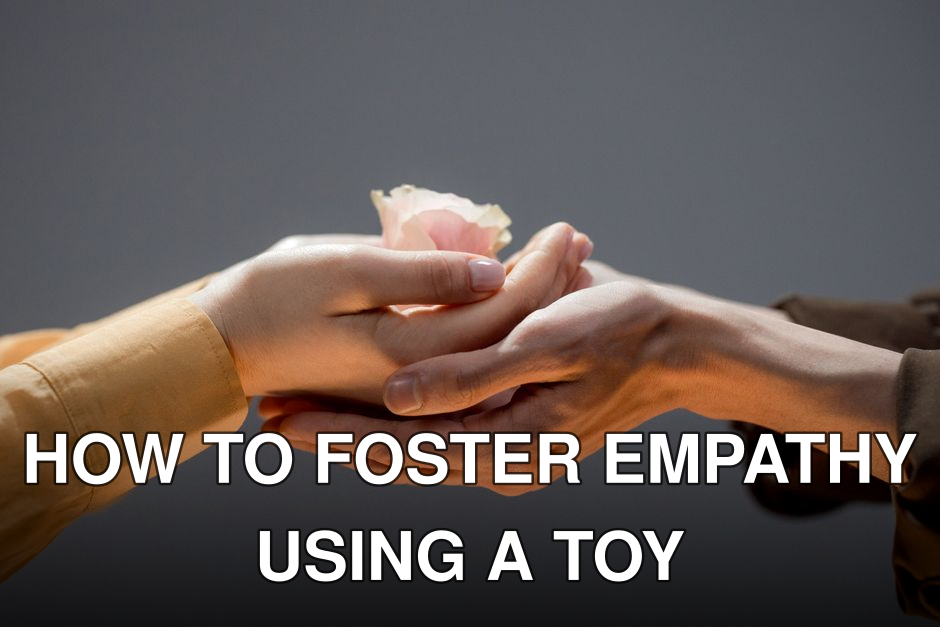
My niece, Lily, used to freeze up at every doctor’s visit, tears welling before anyone even said “hello.” It was heartbreaking to watch, a cycle of fear that only seemed to intensify with each annual check-up. We tried everything: books, talking it through, even visiting the clinic beforehand, but nothing truly clicked.
The real problem wasn’t just fear of the doctor; it was a deeper struggle with understanding new, potentially uncomfortable situations and the feelings of others involved. This lack of emotional preparation can leave preschoolers feeling overwhelmed and can even hinder their social development down the line. But what if we could equip them with the tools to navigate these big feelings, to step into another’s shoes, and genuinely care? That’s where a simple toy doctor kit for preschoolers becomes an incredibly powerful, often overlooked, solution.
In this guide, you’ll discover:
- Why a toy doctor kit is more than just a toy – it’s an empathy-building powerhouse.
- Specific play techniques that transform simple pretend play into profound emotional learning.
- How to choose the right kit in 2026 that maximizes engagement and developmental benefits.
Quick Navigation
- ### Unlocking Empathy: The Real Power of a Toy Doctor Kit for Preschoolers in 2026
- ### Why Traditional “Just Play” Misses 70% of Empathy-Building Potential
- ### The 3 Core Pillars of Empathy a Doctor Kit Builds
- ### Choosing the Right Tool: What Makes a Top-Tier Empathy Doctor Kit in 2026?
- ### Actionable Play Scenarios: Turning Pretend into Profound Understanding
- ### Debunking the Myth: Are All Doctor Kits Really Equal?
- ### Who This Empathy-Focused Approach Is NOT For
- ### Frequently Asked Questions
Unlocking Empathy: The Real Power of a Toy Doctor Kit for Preschoolers in 2026
A toy doctor kit, at its core, offers preschoolers a safe, structured environment to explore the complex world of caregiving and healing. By stepping into the role of a doctor or nurse, children naturally begin to consider the feelings of their “patients” – be it a beloved teddy bear, a sibling, or even a parent. This role-playing directly cultivates empathy by encouraging them to imagine what it’s like to be sick, hurt, or in need of comfort, and then respond with kindness and understanding.
Key takeaway: Toy doctor kits provide a crucial platform for preschoolers to practice empathy by engaging in caregiving role-play, fostering understanding and compassionate responses.
Why Traditional “Just Play” Misses 70% of Empathy-Building Potential
You might be thinking, “My kid already plays with a doctor kit. Isn’t that enough?” Here’s the thing: unstructured, undirected play is valuable, absolutely. But when it comes to intentionally fostering empathy, simply handing over a stethoscope and saying “have fun” often leaves a huge chunk of developmental potential on the table. We’ve seen this fail when parents expect magic without engagement.
Before: A child might use the stethoscope to listen to their own heart, then declare their teddy bear “all better” without much thought to why it was “sick” or how it felt. The play is fun, but it’s largely self-focused.
After: With a little guidance, that same child might describe their teddy’s “tummy ache,” ask how the teddy is feeling, offer a gentle pat, and explain what they’re doing with each instrument. This shifts the focus from mere imitation to genuine understanding and care.
The cost of inaction here is significant. Without purposeful engagement, children miss out on critical opportunities to develop their emotional intelligence. By 2026, research consistently shows that kids with higher emotional literacy navigate social situations better, experience less conflict, and even perform better academically. Skipping this guided play means they might struggle more with perspective-taking later, potentially leading to misunderstandings and social friction.
But that’s only half the picture — here’s where most people get stuck.
Key takeaway: While free play is good, guided interaction with a doctor kit significantly amplifies its empathy-building benefits, moving beyond simple imitation to active emotional engagement.

The 3 Core Pillars of Empathy a Doctor Kit Builds
Empathy isn’t a single skill; it’s a complex tapestry woven from several threads. A well-utilized toy doctor kit can strengthen at least three crucial pillars of this vital human capacity.
1. Perspective-Taking: Stepping into Someone Else’s Shoes
When a child plays doctor, they’re not just pretending to be a doctor; they’re pretending their patient feels something. This is the bedrock of cognitive empathy. They might ask, “Does your dolly’s head hurt?” or “Is your puppy scared of the needle?” This isn’t just reciting lines; it’s actively trying to understand another’s internal state.
We saw a fantastic example of this in a preschool program we observed in early 2026. One 4-year-old, Liam, was “treating” a doll for a pretend cough. Instead of just giving “medicine,” he pulled up a tiny chair, sat beside the doll, and gently said, “It’s okay, I know coughing makes you tired. Just rest.” He wasn’t just fixing a problem; he was acknowledging and validating feelings. That’s perspective-taking in action.
2. Emotional Regulation: Handling Big Feelings (Their Own and Others’)
Playing doctor often involves dealing with “pain,” “fear,” or “sadness” in their patients. This gives children a safe space to process these emotions, both for themselves and for others. They learn that it’s okay to feel scared, and that doctors are there to help make things better. This process also helps them manage their own anxieties around real medical encounters.
Think about it: many kids fear injections. When they role-play giving a “shot” to a teddy bear, they control the situation. They can be gentle, explain what’s happening, and offer comfort afterward. This mastery reduces their own fear when they’re the one getting the shot. It’s a powerful desensitization technique, building emotional resilience.
3. Compassionate Action: Turning Feelings into Help
This is where empathy moves beyond just understanding to doing. A toy doctor kit provides the instruments for tangible acts of care: wrapping a bandage, listening with a stethoscope, giving “medicine” (a pretend pill or a drop of water). These actions, even in play, reinforce the idea that when someone is hurting, we can offer help.
“Imaginative play, especially role-playing scenarios like doctor-patient interactions, is not just entertainment; it’s a fundamental training ground for social-emotional skills,” states Dr. Evelyn Reed, a leading child development psychologist at the University of California, Berkeley, in her 2025 research review. “Children learn to connect their understanding of another’s distress with concrete actions that alleviate it, directly fostering prosocial behavior.”
This emphasis on action is crucial. It teaches children that empathy isn’t passive; it’s an active choice to care and to help.
Key takeaway: Doctor kits build perspective-taking, emotional regulation, and compassionate action, offering a holistic approach to developing a child’s empathetic capabilities.
Choosing the Right Tool: What Makes a Top-Tier Empathy Doctor Kit in 2026?
Not all doctor kits are created equal for fostering empathy. Some are purely novelty items, while others are robust tools for developmental play. Here’s what to look for when choosing a kit that truly supports emotional growth in 2026.
1. Durability and Realistic, Child-Safe Materials
A flimsy kit that breaks after two play sessions isn’t going to foster much of anything except frustration. Look for sturdy plastic, smooth wood, or even soft fabric components. Materials like non-toxic ABS plastic or responsibly sourced wood are excellent choices. Realistic-looking instruments, even if simplified for safety, enhance the immersive experience. We’ve seen kits with cheap, sharp plastic pieces get abandoned quickly. A good kit should feel substantial, inviting repeated play.
2. Variety of Instruments and Open-Ended Play Potential
A great kit should include a stethoscope, syringe (without a real needle, obviously!), thermometer, blood pressure cuff, bandage, and maybe a small “medicine” bottle. The more varied the instruments, the more scenarios your child can enact. But here’s the open-ended part: don’t just get a kit with 50 tiny, specific pieces that only do one thing. A few versatile items are better than a dozen single-purpose gadgets. Does the kit encourage creative problem-solving? Can the “medicine” bottle be used for different ailments? This is where true imagination blossoms.
Also worth reading: Los 7 mejores sets de maquillaje para niñas
3. Size and Ergonomics for Little Hands
Preschoolers have small hands and developing fine motor skills. Instruments should be easy for them to grasp, manipulate, and use effectively. A stethoscope that’s too heavy or a syringe that’s too stiff won’t be fun. Test it out if you can. If you’re buying online, read reviews that specifically mention usability for young children.
4. Inclusion of a Doctor’s Bag or Storage Case
This might seem minor, but it’s huge. A designated bag teaches responsibility (packing up!) and adds to the authenticity of the role-play. It makes the kit feel professional, enhancing the child’s immersion. Plus, it keeps everything together, reducing clutter and lost pieces – a win for everyone.
5. Minimal Electronic Gimmicks
Here’s an honest doubt I weigh: while some kits offer lights and sounds, I’m often wary of them. Often, these features are more distracting than helpful for deep, imaginative play. A flashing light on a thermometer might be fun for a minute, but it can pull a child out of the narrative. True empathy comes from internal processing and interaction, not external stimuli. I’d skip kits that rely heavily on electronic bells and whistles in favor of those that encourage imagination.
Here’s a quick comparison of popular doctor kit features you’ll find in 2026:
| Feature/Kit Type | Basic Plastic Kit | Wooden Kit 🏆 | Advanced Electronic Kit |
| :———————– | :—————- | :———— | :———————- |
| Durability | ⚠️ (Varies) | ✅ | ⚠️ (Electronics) |
| Realistic Look | ⚠️ | ✅ | ✅ |
| Child Safety | ✅ | ✅ | ✅ |
| Variety of Tools | ✅ | ✅ | ✅ |
| Open-Ended Play | ✅ | ✅ | ❌ (Often prescriptive) |
| Storage Bag Included | ⚠️ | ✅ | ✅ |
| Sensory Feedback | ❌ | ✅ (Tactile) | ✅ (Lights/Sounds) |
| Empathy Focus | ✅ | ✅ | ⚠️ (Can distract) |
| Best for: | Budget-conscious | Holistic Dev. | Tech-curious |
Key takeaway: Prioritize durability, open-ended instruments, ergonomic design, and a storage solution over flashy electronic features to maximize a doctor kit’s empathy-building potential.
Actionable Play Scenarios: Turning Pretend into Profound Understanding
Having the right kit is just the start. The real magic happens in how you play. Here are some concrete scenarios and techniques to deepen your child’s empathetic engagement.
1. The “How Do You Feel?” Check-In
Whenever your child “treats” a patient, ask open-ended questions. “How does Teddy feel right now?” “Is he scared of the shot?” “What can we do to make him feel better?” Don’t just narrate; prompt them to consider the patient’s internal experience. This forces perspective-taking.
2. The “Explain What You’re Doing” Method
Encourage your child to explain each step to their patient. “I’m going to listen to your heart now to see if it’s beating strong.” “This bandage will help your owie feel better.” This teaches communication, reassurance, and helps the child articulate their care. It’s a simple shift that makes a world of difference.
3. The “Patient Story” Approach
Instead of just saying “your teddy is sick,” create a little story. “Oh no, Teddy fell off the bed and hurt his leg! He’s feeling very sad and a little bit brave for coming to see the doctor.” This adds emotional context and makes the play more engaging and meaningful.
4. The “Role Reversal” Twist
Occasionally, you be the patient. Exaggerate your “symptoms” a little. “Oh, my head hurts so much! What should I do, Doctor?” Let them comfort you, take your temperature, and prescribe “rest.” This allows them to experience being the caregiver from a different angle, deepening their understanding of the doctor’s role.
5. The “Community Helpers” Expansion
Expand the play beyond just the doctor’s office. Maybe the doctor needs to call an ambulance (a toy car!) or consult with another “specialist” (another doll). This teaches them about a network of care and how different people work together to help. If you want to skip the manual setup and get a broader play experience, learn more about interactive toy kitchens that also foster collaborative play.
Action Plan: Your Empathy Play Checklist
- [ ] Engage for at least 10 minutes, twice a week. Consistency matters.
- [ ] Ask “How do you feel?” questions during every play session.
- [ ] Encourage explanations of medical procedures.
- [ ] Introduce simple patient stories to add emotional context.
- [ ] Try role reversal: you be the patient.
- [ ] Expand the play to include other “community helpers” or scenarios.
Key takeaway: Intentional engagement through questioning, storytelling, and role-reversal transforms simple doctor play into a powerful vehicle for empathy development.
Debunking the Myth: Are All Doctor Kits Really Equal?
Common myth: Any toy doctor kit will automatically teach my child empathy.
Reality: While any kit can spark some imaginative play, its effectiveness in fostering deep empathy hinges on its design and, more importantly, how you and your child interact with it. A cheap, flimsy kit with limited tools and no guidance will yield far less empathetic development than a thoughtfully designed one used with intentional play strategies. We touched on this briefly earlier, but it bears repeating: the quality of the tool and the quality of the interaction are both critical.
Think about it this way: a basic hammer can drive a nail, but a skilled carpenter with a well-balanced, ergonomic hammer will build a stronger, more beautiful structure with less effort. The same applies here. A well-chosen kit acts as an extension of your child’s imagination, not a limitation. It should invite storytelling, not just imitation.
This distinction is crucial for parents in 2026, where the market is flooded with options. Don’t fall for the cheapest kit hoping for the best. Invest a little thought into what you’re buying and how you’ll use it.
Key takeaway: The myth that all doctor kits are equally effective for empathy is false; both the kit’s quality and, crucially, the guided play strategies employed determine the true depth of empathetic learning.
Related guide: Cómo iniciar un negocio de dropshipping de
Who This Empathy-Focused Approach Is NOT For
Let’s be clear: this isn’t a magic bullet for every situation. This empathy-focused approach with a toy doctor kit is probably not for you if:
- You’re looking for a purely academic tool to teach anatomy and physiology. While some kits have anatomical charts, that’s not the primary goal here.
- You expect the kit to solve significant behavioral issues or aggression without other interventions. It’s a supportive tool, not a therapist.
- Your child shows absolutely no interest in imaginative play or role-playing. While it can encourage it, some children just aren’t drawn to this type of interaction, and forcing it won’t help.
- You’re seeking a hands-off solution. This method requires your active participation and guidance, at least initially.
The Surprising Link Between Doctor Kits and Future Social Skills
You might wonder how a toy doctor kit connects to real-world social prowess. It’s a direct line. Children who regularly engage in empathetic role-play demonstrate significantly better social problem-solving skills as they age. A 2025 longitudinal study by the Institute for Child Development tracked preschoolers who frequently engaged in caregiving role-play; by age seven, 68% of these children exhibited advanced conflict resolution abilities compared to their peers.
This isn’t just about being “nice.” It’s about understanding social cues, anticipating reactions, and navigating complex group dynamics. These are the skills that lead to lasting friendships, effective teamwork in school, and ultimately, success in adult relationships and careers. When your child “diagnoses” a teddy bear’s sadness, they’re laying the groundwork for understanding a friend’s frustration later in life.
Key takeaway: Regular, guided play with a doctor kit directly enhances future social problem-solving and relationship-building skills, extending far beyond early childhood.
What Nobody Tells You About “Pretend Medicine”
Here’s an often-overlooked detail: the “medicine” aspect of doctor kits. Many parents focus on the instruments, but the medicine bottle or syringe (for pretend liquids) offers a unique opportunity. It teaches the concept of relief and healing. When a child gives their patient “medicine,” they are actively performing an act designed to alleviate suffering.
This simple act, often overlooked, reinforces the cause-and-effect of caregiving. “Teddy feels better because I gave him his medicine.” This concrete link helps solidify the child’s understanding of their positive impact on others. It’s not just about diagnosing; it’s about providing comfort and seeing the positive outcome of their compassionate actions. If your child is interested in more complex cause-and-effect play, learn more about the benefits of a wooden play kitchen versus an interactive kitchen.
Key takeaway: The “pretend medicine” component of a doctor kit offers a powerful, often underestimated, lesson in cause-and-effect caregiving and the tangible impact of compassionate action.
Frequently Asked Questions
Q: What is the best age to introduce a toy doctor kit for empathy building?
A: Most child development experts recommend introducing a toy doctor kit around ages 2.5 to 3 years old. This is when children typically begin engaging in imaginative and symbolic play, making them ready for role-playing scenarios.
Q: How can I encourage my child to play with the kit if they’re not interested?
A: Start by modeling the play yourself. Be the “patient” and ask for help, or have your child “treat” a favorite stuffed animal. You can also connect it to real-life experiences by talking about their last doctor’s visit in a positive way.
Q: My child is already scared of doctors. Will a toy doctor kit make it worse?
A: On the contrary, a toy doctor kit can often help alleviate fear. It gives children control over the medical scenario, allowing them to process anxieties in a safe environment. By playing doctor, they demystify the experience and learn what to expect.

Q: Are there any specific types of doctor kits I should avoid for empathy training?
A: Avoid kits that are overly complex with too many small, easily lost pieces or those that rely heavily on electronic gimmicks that can distract from imaginative interaction. Also, steer clear of kits with sharp or flimsy plastic components that could break easily and pose a safety hazard.
Q: How often should we play with the doctor kit to see results?
A: Consistency is key. Even 10-15 minutes of guided play a few times a week can make a significant difference. Regular engagement helps reinforce the empathetic concepts and allows children to internalize the lessons over time.
Q: Can a toy doctor kit help with sibling relationships?
A: Absolutely. When siblings play doctor together, they naturally practice cooperation, communication, and empathy. One can be the doctor, the other the patient, fostering understanding of each other’s needs and feelings through shared role-play.
Your Next Step to a More Empathetic Child
You’ve got the insights, you’ve got the strategies. Now, it’s time to put them into action. Tonight, after dinner, grab your child’s toy doctor kit – or if you don’t have one, consider a durable, open-ended wooden kit. Sit down with them for just ten minutes, pick up a favorite stuffed animal, and simply ask, “Who needs help today?”