No products in the cart.
Shop all products
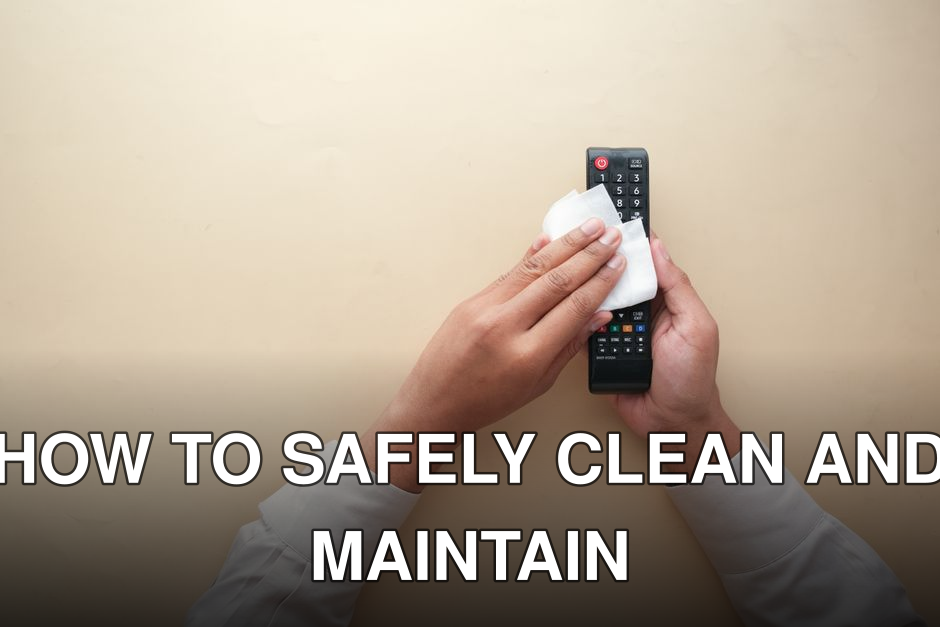
The smell of stale pretend-food and sticky residue can cling to even the most beloved interactive toy kitchen. You know, the one your little chef got for Christmas 2025, complete with realistic bubbling sounds and working LED stove lights? It’s not just about appearances; a dirty toy kitchen can harbor germs, dull the interactive features, and frankly, make it a less inviting space for imaginative play. Ignoring that grime means eventually dealing with sticky buttons, faded details, or worse, a complete breakdown of those cherished electronic parts, forcing you to replace a perfectly good toy long before its time.
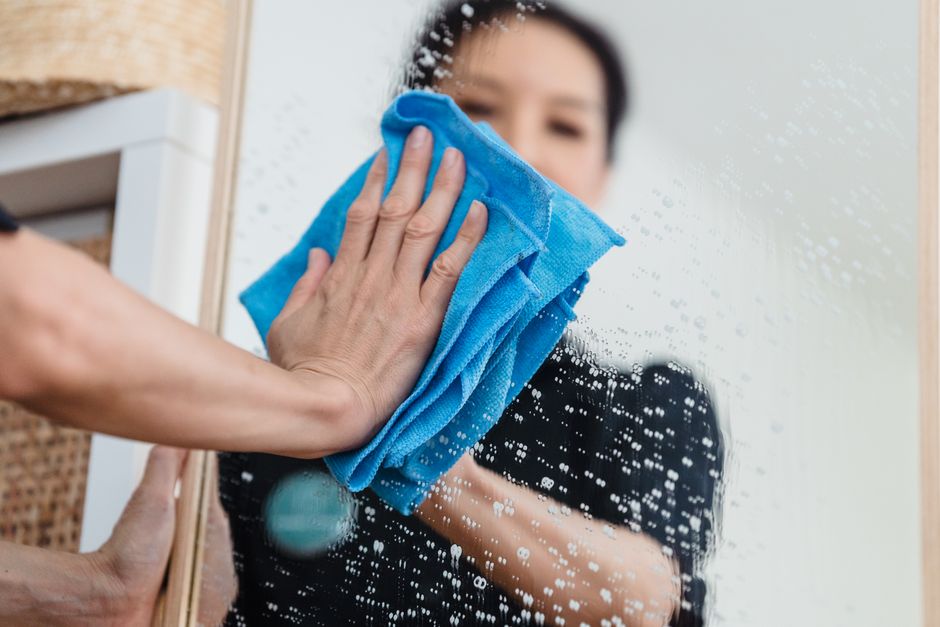
So, how do you safely clean and maintain your interactive toy kitchen with water without turning it into a soggy mess of broken dreams? The trick isn’t just about scrubbing hard; it’s about understanding which parts can handle water, which need special care, and employing the right techniques to keep it sparkling and functional for years.
In this brutal guide, you’ll discover:
- The surprising truth about water and toy electronics.
- An exact 7-step plan for a deep, safe clean.
- The 3 essential tools you absolutely need to get the job done right.
Quick Navigation
- Why Most Guides Get This Backwards: The Water Paradox
- Identifying Your Toy Kitchen’s Water-Resistant Zones (and What’s Not)
- The 3 Essential Tools for a Spotless, Damage-Free Clean
- Your 7-Step Action Plan for a Sparkling Toy Kitchen
- What Nobody Tells You About Electronic Components and Water
- Maintaining That Fresh Look: 5 Habits for Long-Term Shine
- Who This Cleaning Method Isn’t For
- Frequently Asked Questions
Why Most Guides Get This Backwards: The Water Paradox
Most online cleaning guides for children’s toys offer generic advice: “wipe down with a damp cloth.” That’s not enough for an interactive toy kitchen, and it can actually be dangerous. The main problem is that “interactive toy kitchen” isn’t a single product type; it’s a broad category. You’ve got everything from simple wooden sets to elaborate plastic models with working faucets, oven lights, and touch-sensitive stove tops. Applying a one-size-fits-all “damp cloth” approach to these can ruin the electronic features that make them so engaging.
An interactive toy kitchen is a miniature play set designed to mimic a real kitchen, often featuring lights (like LED stove elements), sounds (bubbling pots, sizzling pans), and sometimes even working water pumps for sinks. These features, while fantastic for imaginative play, introduce delicate electronic components and mechanisms that react poorly to excessive moisture. The “water paradox” is this: you need water to clean grime, but too much water in the wrong places will destroy the toy. It’s a tightrope walk.
Also worth reading: Los 7 mejores sets de maquillaje para niñas
Common myth: “It’s a kid’s toy, it must be waterproof.”
Reality: Most interactive toy kitchens are designed to be splash-resistant at best, not waterproof. There’s a huge difference. Think about it: a little spill during play is expected, but submerging a section or letting water seep into a battery compartment is a recipe for disaster. We’ve seen countless toy kitchens die an early death because parents assumed they could be hosed down like outdoor play equipment.
Key takeaway: Generic cleaning advice often overlooks the specific vulnerabilities of interactive toy kitchens. You need a targeted approach.
But that’s only half the picture — knowing why generic advice fails leads us directly to understanding what parts of your specific toy kitchen can handle water.
Identifying Your Toy Kitchen’s Water-Resistant Zones (and What’s Not)
Before you even think about grabbing a cloth, you need to play detective. Not all parts of your interactive toy kitchen are created equal when it comes to water. Some surfaces, like solid plastic countertops or stainless steel sink basins, can take a good scrub. Others, particularly anything with wires, batteries, or speakers, need to be treated like fragile glass.
Related guide: Cómo iniciar un negocio de dropshipping de
Here’s the thing: most modern toy kitchens from brands like KidKraft, Step2, and Melissa & Doug use a mix of materials. You’ll often find durable, injection-molded plastic for the main body, perhaps some MDF or plywood for backings or shelves, and then the crucial electronic “pezzi” – the individual components like LED lights, sound modules, and battery packs. If your kitchen has a working water pump for the sink, pay extra attention to where the water reservoir and pump mechanism are located. These are generally designed to be water-friendly, but the surrounding electronics are not.
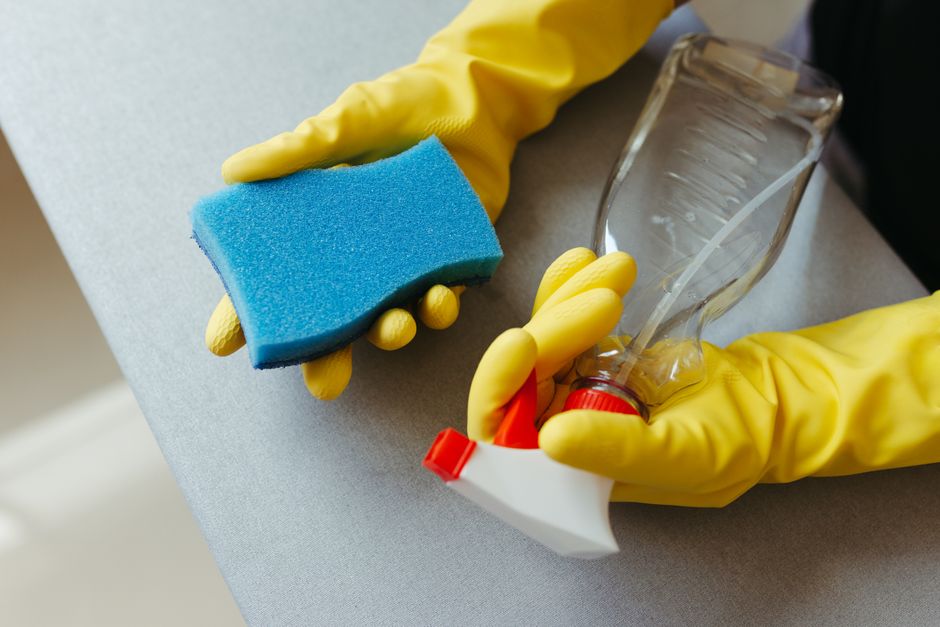
Take a look at this breakdown of common toy kitchen components and their water suitability:
| Component Type | Water Suitability | Cleaning Approach