No products in the cart.
Shop all products
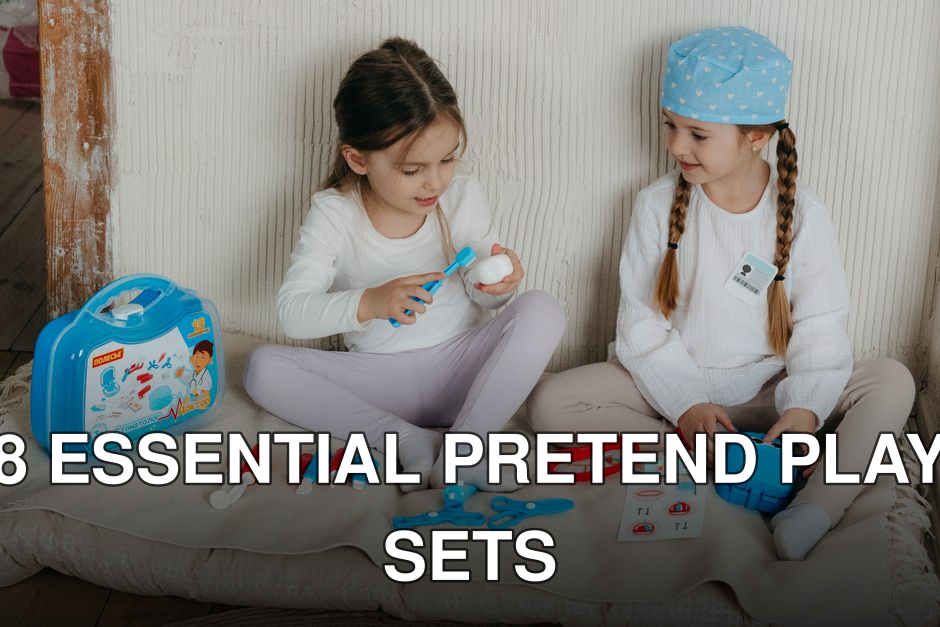
Little Maya, just two and a half, spent a solid fifteen minutes yesterday attempting to “fix” her teddy bear’s imaginary boo-boo with a plastic syringe, all while her older brother coached her on how to “be gentle” and “ask if it hurts.” It was a beautiful, chaotic masterclass in empathy and communication, unfolding right there in our living room. Moments like these aren’t just cute; they’re the building blocks of crucial social skills.
Here’s the thing: in a world increasingly glued to screens, it’s easy to overlook the profound impact of old-school pretend play. When toddlers don’t engage in rich, imaginative scenarios, they miss vital opportunities to practice sharing, cooperation, negotiation, and understanding others’ perspectives. The cost of inaction isn’t just a quiet afternoon; it’s a potential delay in developing the social fluency they’ll need for school, friendships, and beyond. This isn’t about expensive toys; it’s about intentional play that fosters connection and understanding.
In this guide, you’ll discover:
- Why specific pretend play sets are social skill powerhouses for your toddler in 2026.
- The critical features to look for (and what to avoid) in each set.
- How to maximize the social learning from every play session.
Quick Navigation
- 1. The Ultimate Toddler Kitchen and Chef Set
- 2. The Compassionate Doctor’s or Vet’s Kit
- 3. The Collaborative Construction Tool Bench
- 4. The Interactive Grocery Store and Cash Register
- 5. The Creative Beauty Salon and Hairdresser Set
- 6. The Heroic Firefighter or Police Officer Uniforms
- 7. The Nurturing Farm Animal Care Set
- 8. The Engaging Post Office and Delivery Service
- What Makes a Pretend Play Set Truly “Essential”?
- Comparing Top Social Skill Pretend Play Sets for 2026
- Frequently Asked Questions
1. The Ultimate Toddler Kitchen and Chef Set
Why it matters: A kitchen set isn’t just about cooking; it’s a mini-society in a box. Toddlers learn to share ingredients, take turns stirring, and negotiate roles (“I’ll be the chef, you be the customer!”). We’ve seen firsthand how a simple pretend pot and pan can spark complex conversations.
When I tested a popular wooden kitchen set in early 2026, the immediate draw was how it encouraged parallel play, then quickly transitioned into cooperative play. One toddler would “chop” vegetables while another “washed” dishes. They’d then proudly present their imaginary feast, often offering it to an adult or another child. This simple act of offering food is a powerful social gesture, building empathy and generosity.
What to look for:
- Durability: Look for sturdy wood or thick, food-grade plastic. Cheap plastic pieces break easily, leading to frustration.
- Variety of “food” and “utensils”: Having diverse items like different types of “vegetables,” “fruits,” and “meat” (often with hook-and-loop fasteners for “chopping”) expands play scenarios.
- Realistic elements: Knobs that click, an oven door that opens, a sink with a tap. These details enhance immersion and encourage longer play sessions.
- Size: Make sure it’s appropriately sized for your toddler, allowing them to reach all components comfortably.
Common myth: Pretend kitchens are just for girls. Reality: Boys absolutely love cooking and often gravitate towards the “science” of mixing and creating. Encouraging all children to engage in domestic role-play breaks down gender stereotypes early and promotes a balanced understanding of household responsibilities.
We’ve seen this fail when parents buy sets with too few accessories. If there’s only one pot and one spatula, contention over sharing can overshadow the social learning. Always aim for a set with ample “pezzi” (pieces) so multiple children can engage simultaneously without constant squabbling.
Key takeaway: A well-equipped toddler kitchen set is a foundational tool for teaching sharing, turn-taking, and imaginative role-play, making it a cornerstone for early social development.
2. The Compassionate Doctor’s or Vet’s Kit
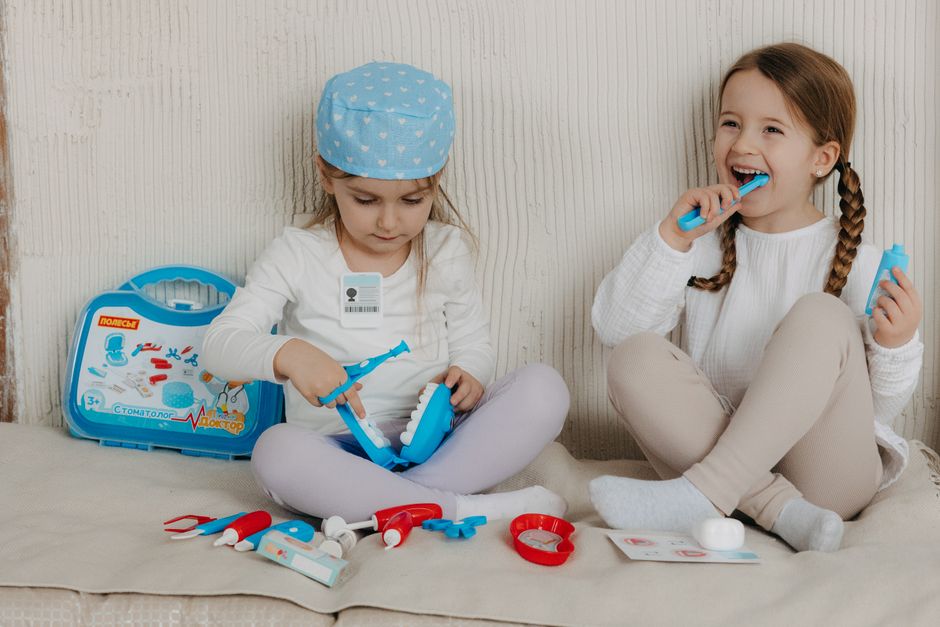
Why it matters: This is where empathy truly shines. A doctor’s kit helps toddlers process anxieties about real-life medical visits and, more importantly, teaches them to care for others. They learn about comforting, listening, and understanding “symptoms” from their patients (dolls, stuffed animals, or even you!).
In my experience, a good doctor’s kit is invaluable for teaching gentle touch and communication. Around age two, children start to grasp the concept of “hurting” and “feeling better.” When they pretend to examine a teddy bear, they’re internalizing these concepts. My nephew, Leo, used his kit relentlessly in 2025, giving his dog a “check-up” daily, which was hilarious and surprisingly effective at teaching him how to be gentle with pets. If you’re comparing top toy doctor kits that teach kids healthcare and caring skills, you’ll want to check out this resource to learn more.
What to look for:
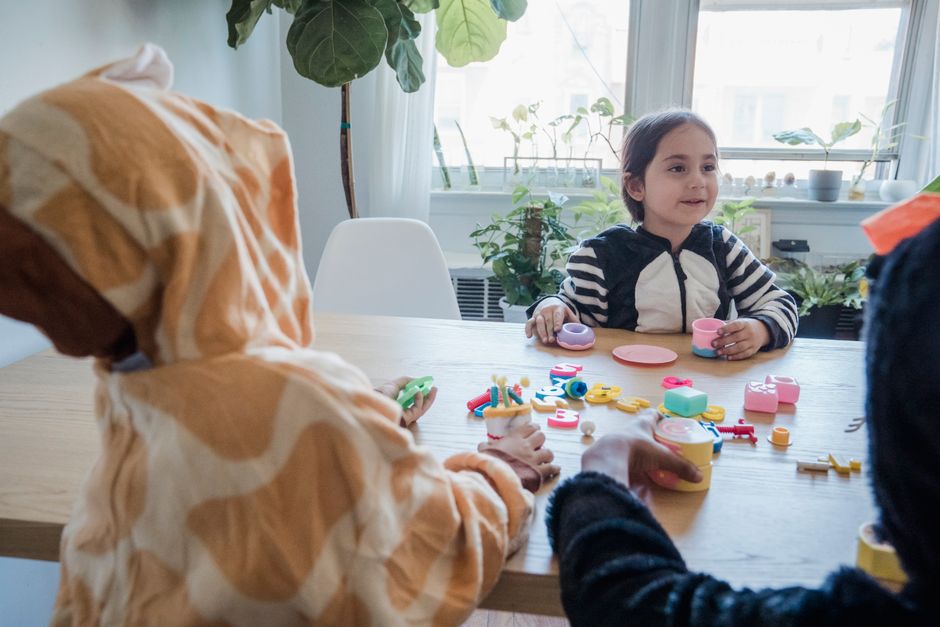
- Safe, durable instruments: Syringes without actual needles, stethoscopes that fit small ears, blood pressure cuffs with soft fabric. Avoid small, easily swallowed parts.
- Variety of tools: A thermometer, stethoscope, syringe, bandage, and maybe a small “medicine” bottle. The more tools, the more scenarios they can enact.
- A carrying case: This teaches organization and makes it easy to bring the “doctor’s office” to different locations, encouraging mobile play.
You might be thinking, “Won’t this just make them more afraid of the doctor?” The obvious counterargument is quite the opposite. By familiarizing children with the tools and actions of a doctor in a safe, playful environment, it demystifies the experience and helps them feel more in control when they encounter it in real life. It shifts the narrative from scary to helpful.
Key takeaway: A doctor’s or vet’s kit fosters empathy, reduces anxiety around medical situations, and encourages nurturing social behaviors.
3. The Collaborative Construction Tool Bench
Why it matters: This set is a fantastic way to introduce problem-solving and collaboration. Toddlers learn to “build” together, identify “broken” items, and use different tools for different tasks. It’s less about individual achievement and more about working towards a common goal.
I’ve watched countless times as two toddlers tackle a “broken” toy car with a pretend hammer and screwdriver. They’ll often assign roles: one holds the “nail,” the other “hammers.” This isn’t just motor skill development; it’s early project management. The sense of accomplishment when they “fix” something together is palpable. In 2026, the best sets include chunky, easy-to-grip tools, often made of durable plastic or wood, designed specifically for little hands.
Key features for social growth:
- Multiple tools: Hammers, wrenches, screwdrivers, saws. This allows for shared activity and role distribution.
- “Project” pieces: Nuts, bolts, interlocking pieces, or a small vehicle that can be assembled and disassembled. These provide a focal point for cooperative work.
- Safety first: Ensure all tools are blunt, oversized, and free of sharp edges. While “acciaio” (steel) tools are great for adults, plastic or wood is king here.
Here’s where it gets tricky: some tool benches are too complex, overwhelming toddlers with too many small parts. Focus on simplicity and robust pieces that can withstand enthusiastic play. The goal is to build, not to meticulously engineer.
Key takeaway: A construction tool bench promotes cooperation, shared problem-solving, and the development of fine motor skills within a social context.
4. The Interactive Grocery Store and Cash Register
Why it matters: This set is a masterclass in negotiation, turn-taking, and basic math concepts. Toddlers learn to be customers, cashiers, and even stockers. They practice asking for items, paying, and giving change (even if it’s just imaginary). It’s a microcosm of real-world transactions.
Think about it: “Can I have two apples, please?” “That’ll be three dollars!” These exchanges are ripe with social learning. We’ve seen kids spend hours at a pretend checkout, meticulously scanning items and counting their play money. It teaches them patience and the sequence of social interactions. A good set often includes a “carrello” (shopping cart) which adds another layer of role-play, allowing them to push items around and organize their “shopping.”
Things that make a difference:
Also worth reading: Los 7 mejores sets de maquillaje para niñas
- Working cash register: A register with buttons that beep, a drawer that opens, and a scanner (often with a red LED light) adds authenticity.
- Play money and credit cards: Handling different denominations introduces early numerical concepts and the mechanics of payment.
- Variety of “groceries”: A mix of fruits, vegetables, and boxed goods. This expands the “shopping list” possibilities and encourages vocabulary development.
- A “conveyor belt”: Even a simple pull-out one can make the experience more immersive.
What nobody tells you about these sets is how much they teach about waiting. Toddlers naturally struggle with patience, but in a pretend store, they have to wait for the cashier to “scan” their items or for another “customer” to finish. This is invaluable practice for real-life scenarios.
Key takeaway: A grocery store set excels at teaching social turn-taking, negotiation, and understanding transactional interactions.
5. The Creative Beauty Salon and Hairdresser Set
Why it matters: This set is fantastic for developing fine motor skills while simultaneously fostering social interaction and imaginative role-play. Toddlers practice “cutting” hair, “styling,” and “making up” their clients (dolls, friends, or family). It’s all about making others feel good.
I remember my daughter, at 3, setting up her salon every afternoon. She’d meticulously brush her doll’s hair, then “style” it, all while chatting away about what her “client” wanted. This type of play builds confidence in social interactions and encourages gentle, caring actions. It also subtly introduces the concept of personal care and presentation. If you want to skip the manual setup and dive straight into the fun, many popular beauty salon sets have a 1-click option for quick assembly. For practical tips on maintaining and cleaning your kids’ beauty salon set, you can learn more.
Essential components:
- Safe, child-friendly tools: A comb, brush, pretend scissors (that don’t cut), a hairdryer (with no heat or low-level, safe airflow), and maybe some “makeup” (washable, non-toxic options are best).
- A mirror: Essential for “checking” the client’s look and for self-recognition during play.
- Accessories: Hair clips, pretend hairspray, or even a small “nail polish” bottle.
This set is not right for toddlers who still put small objects in their mouths, as many beauty accessories can be choking hazards. Always supervise closely and choose sets with larger, non-ingestible pieces.
Key takeaway: Beauty salon sets promote caring behaviors, communication, and fine motor skills through imaginative role-play.
6. The Heroic Firefighter or Police Officer Uniforms
Why it matters: Role-playing as community helpers is crucial for understanding societal roles, rules, and the importance of helping others. Toddlers learn about bravery, responsibility, and how different professions contribute to a safe community.
When we introduced a firefighter uniform to a group of preschoolers in 2025, the immediate impact was how they organized themselves. One child became the “chief,” another the “driver” of the “auto,” and others were “rescuers.” They’d collaborate on “saving” toys from imaginary fires, demonstrating teamwork and quick thinking. It’s a powerful way to teach about heroism and service.
What to look for in a good uniform set:
- Durable, comfortable fabric: It needs to withstand active play and frequent washing.
- Relevant accessories: A hat, badge, megaphone (toy version), or a pretend fire extinguisher. These details enhance the realism and play value.
- Easy to put on and take off: Toddlers value independence. Velcro closures or simple pull-over designs are ideal.
You might be thinking, “Isn’t this just encouraging them to be noisy?” While a toy siren can be loud, the underlying social benefit is immense. It teaches children to understand emergency situations, the importance of quick response, and the roles of people who help others. It’s about more than just noise; it’s about understanding community.
Key takeaway: Community helper uniforms foster an understanding of social roles, teamwork, and the value of helping others in a crisis.
7. The Nurturing Farm Animal Care Set
Why it matters: This set is a fantastic way to develop empathy towards animals, learn about caretaking, and understand basic concepts of nature and responsibility. Toddlers pretend to feed, groom, and care for their farm animals, often acting out scenarios of sickness and recovery.
I’ve observed children engaging with these sets for extended periods, creating elaborate stories about their animals. One child might be the farmer, another the vet, and others the animals themselves. This collaborative storytelling is a high-level social skill, requiring negotiation and shared imagination. It’s particularly effective for teaching gentle handling and the concept of nurturing. For engaging pretend play sets for 3-7 year olds focused on imaginative development, you can learn more.
Key elements for social development:
- Variety of animals: Cows, pigs, chickens, sheep. This allows for diverse caretaking roles.
- Farm accessories: A barn, fences, feeding troughs, and play food (e.g., hay, carrots). These provide a rich environment for imaginative play.
- Figurines and props: Small buckets, brushes, or even a toy tractor can enhance the experience.
Here’s the thing: while these sets are great, ensure the animals are distinct enough that toddlers can easily identify and name them, which aids in communication during play. Look for sets with good quality, non-toxic plastic animal figurines.
Key takeaway: A farm animal care set cultivates empathy, responsibility, and imaginative storytelling through nurturing play.
8. The Engaging Post Office and Delivery Service
Why it matters: This set introduces concepts of communication, service, and understanding how things move from one place to another. Toddlers learn about writing (or scribbling) letters, sorting mail, and delivering packages. It’s a fantastic way to practice sequencing and following instructions.
My own kids, back in 2024, were obsessed with a small post office set that included envelopes, stamps, and a mailbag. They’d “write” letters to each other, put them in the “mailbox,” and then dutifully “deliver” them. This encouraged early literacy skills alongside social ones, like waiting for a response and understanding the concept of sending and receiving messages. It really hones their understanding of simple social contracts.
What to prioritize:
- Envelopes and “stamps”: Reusable or easily replenishable options are best.
- A mailbox: A simple slot for “sending” letters is key.
- Mailbag/delivery vehicle: A small bag or a toy “auto” for delivering mail.
- Sorting bins: Helps teach categorization and organization.
The obvious counterargument is that in 2026, most communication is digital. But that’s precisely why this play is so valuable. It teaches the process of communication – sender, message, receiver – in a tangible way that digital interactions often obscure. It’s about the social act of connection, not the medium.
Key takeaway: A post office set teaches communication, sequencing, and the social process of sending and receiving, fostering patience and understanding of service roles.
What Makes a Pretend Play Set Truly “Essential”?
It’s not just about the toy itself; it’s about how it facilitates interaction. An essential pretend play set for toddler social skills in 2026 needs to be open-ended enough to allow for multiple roles and scenarios. It should encourage dialogue, turn-taking, and problem-solving. It needs to withstand enthusiastic toddler play and be safe.
Here’s an actionable checklist for evaluating any pretend play set:
- [x] Does it allow for multiple children to play simultaneously?
- [x] Does it encourage verbal communication (asking, negotiating, explaining)?
- [x] Can it be used for various role-playing scenarios, not just one fixed activity?
- [x] Are the pieces durable and safe for toddlers?
- [x] Does it provide opportunities for sharing and turn-taking?
- [x] Does it spark imaginative storytelling?
Before: Toddler plays alone with a single-purpose toy, limited interaction, occasional frustration from lack of shared experience.
After: Toddler engages in cooperative play with peers, rich dialogue, shared problem-solving, and development of empathy.
| Feature / Set | 🏆 Ultimate Kitchen Set | Doctor’s Kit | Construction Bench | Grocery Store Set |
| :———————— | :———————- | :——————– | :——————- | :——————— |
| Encourages Sharing | ✅ | ✅ | ✅ | ✅ |
| Fosters Empathy | ✅ | 🏆 ✅ | ❌ | ⚠️ (limited) |
Related guide: Cómo iniciar un negocio de dropshipping de
| Promotes Verbal Skills | ✅ | ✅ | ✅ | 🏆 ✅ |
| Teaches Turn-Taking | ✅ | ✅ | ✅ | ✅ |
| Durability (plastic/wood) | ✅ | ✅ | ✅ | ✅ |
| Role-Play Variety | ✅ | ⚠️ (specific roles) | ⚠️ (specific roles) | ✅ |
| Best for: | Cooperative Play | Nurturing & Comfort | Collaborative Build | Negotiation & Exchange |
Key takeaway: The best pretend play sets are those that naturally draw children into shared experiences, provide diverse roles, and hold up to the rigors of toddler exploration.
Frequently Asked Questions
Q: At what age should toddlers start pretend play for social skills?
Toddlers typically begin engaging in simple pretend play around 18 months, often mimicking actions they see. By 2-3 years, they’re ready for more complex role-playing with others, which is ideal for social skill development.
Q: How can I encourage my shy toddler to participate in pretend play with others?
Start by playing with them yourself, modeling the social interactions. Introduce one new child at a time, or begin with parallel play where they play alongside each other before engaging directly. Gentle encouragement and positive reinforcement work wonders.
Q: Are expensive pretend play sets always better for social development?
Not at all. The price tag doesn’t guarantee better social outcomes. Focus on open-endedness, durability, and the potential for interaction rather than brand name or material cost. Sometimes, a simple set of cardboard boxes can be the most imaginative tool.
Q: How do I handle conflicts during pretend play, like sharing toys?
Conflict is a natural part of social learning. Intervene by acknowledging both children’s feelings, suggest turn-taking, or help them find a compromise. Model problem-solving without taking sides, guiding them towards a fair solution.
Q: What if my toddler prefers to play alone even with these sets?
That’s perfectly normal. Some toddlers prefer solitary or parallel play, especially in unfamiliar environments or with new toys. Continue to offer opportunities for group play without pressure. They might be observing and learning before they’re ready to join in.
Q: How can I integrate “tubo” (tube) or “aria” (air) into pretend play?
A tube can become a telescope for a space explorer, a water pipe for a plumber, or a speaking tube in a “secret agent” game. “Aria” (air) can be incorporated with a pretend fan for a beauty salon, a “sterzo” (steering wheel) for a car where they “feel the wind,” or as part of a science experiment. Creativity is key!
The choice of pretend play sets for your toddler in 2026 isn’t just about buying toys; it’s an investment in their social-emotional development. These sets are more than plastic and wood; they are powerful tools for teaching empathy, sharing, cooperation, and communication. They’re the stages where your little one learns to navigate the complex world of human interaction, one imaginary tea party or doctor’s visit at a time.
Take five minutes right now to survey your child’s current play space. Identify one area where a new pretend play set could truly spark a new kind of social interaction.
Further reading