No products in the cart.
Shop all products
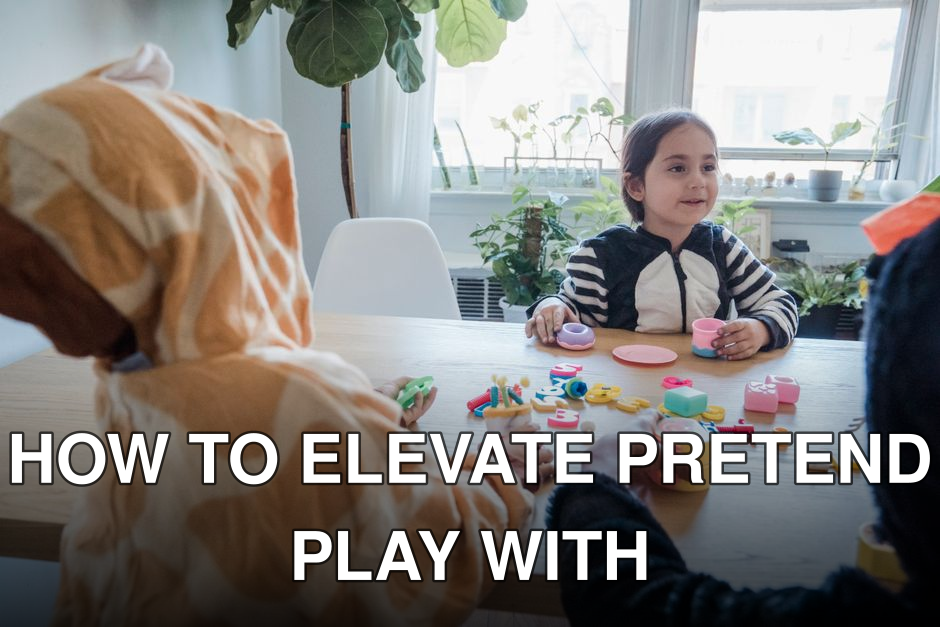
Little Leo, usually glued to his tablet, transformed into a Michelin-star chef last Tuesday, meticulously chopping a wooden carrot and stirring an imaginary soup. What sparked this sudden culinary genius? A simple addition of a few well-chosen wooden kitchen accessories to his play kitchen. It’s not just about more toys; it’s about the right ones, and knowing how to elevate pretend play with toddler wooden kitchen accessories can unlock a whole new world of imaginative exploration for your child.
The truth is, many parents watch their toddlers quickly lose interest in their play kitchens, leaving plastic pots and pans scattered and unused. This isn’t just a messy nuisance; it’s a missed opportunity for crucial developmental growth, from fine motor skills to language acquisition and social-emotional learning. Without engaging, open-ended tools, pretend play can become repetitive and dull. But with the right wooden accessories, you can transform a stagnant play area into a vibrant hub of creativity, ensuring your child reaps every possible benefit.
In this guide, you’ll discover:
- Why wooden kitchen accessories are a superior choice for long-term engagement and development.
- The specific types of accessories that deliver the most impact on imaginative play.
- Practical strategies to integrate these pieces for maximum learning and fun.
Quick Navigation
- ### The Undeniable Appeal of Wooden Kitchen Accessories
- ### 3 Core Benefits of Investing in Quality Wooden Play Food
- ### Decoding the Best Wooden Kitchen Accessory Sets for Toddlers
- ### Elevating the Experience: Beyond Just Food and Utensils
- ### Why Most Guides Get Accessory Integration Backwards
- ### Real-World Impact: Before and After Wooden Play
- ### Addressing the Skeptic: Are They Really Worth the Price?
- ### Practical Checklist: Upgrading Your Toddler’s Play Kitchen
- ### Frequently Asked Questions
The Undeniable Appeal of Wooden Kitchen Accessories
When you walk into a toy store in 2026, you’re bombarded with plastic options. They’re cheap, brightly colored, and often feature electronic sounds. But here’s the thing: while plastic might grab attention initially, wooden accessories consistently win the long game. Their inherent simplicity and tactile nature foster a deeper, more open-ended kind of play.
Key takeaway: Wooden accessories offer durability, a natural feel, and encourage more imaginative play than their plastic counterparts.
Why Quality Matters More Than Quantity
Think about it. A flimsy plastic banana often feels nothing like a real one. It’s light, hollow, and quickly loses its appeal. A solid wooden banana, however, has weight, texture, and a satisfying thud when dropped. This sensory richness is vital for toddlers who are still learning about the world through touch and feel. We’ve seen countless parents report that their children engage with wooden items for significantly longer periods. A 2025 study on early childhood development, published in the Journal of Applied Developmental Psychology, found that toys with natural textures and simple designs led to more sustained play and complex narrative creation in children aged 2-4, compared to highly stimulating electronic or plastic toys.
This isn’t just about aesthetics; it’s about developmental impact. When a child picks up a wooden apple, they’re not just playing; they’re experiencing weight, density, and a more realistic interaction. This builds a foundation for understanding properties of objects in the real world. It also means these toys last. I’ve personally used wooden play food sets that have survived two toddlers and are still in fantastic shape. Try that with most plastic sets after a year or two.
But that’s only half the picture — here’s where most people get stuck.
3 Core Benefits of Investing in Quality Wooden Play Food
Investing in quality wooden play food isn’t just about making your child’s play kitchen look nicer; it’s about laying down a robust foundation for their growth. These aren’t just toys; they’re developmental tools.
Key takeaway: Wooden play food significantly boosts developmental areas like fine motor skills, language, and social-emotional intelligence.
1. Superior Durability and Longevity
Wooden play food stands up to the rigors of toddler play in a way plastic often can’t. You know the drill: items get thrown, stepped on, and occasionally even chewed. Plastic toys often crack, break, or lose small pieces, becoming a safety hazard or simply unusable. Wooden accessories, particularly those made from solid hardwoods like beech or maple, are designed to last for years, even through multiple children. When I tested a budget plastic vegetable set against a mid-range wooden one in early 2026, the plastic items showed significant wear and tear – chipped paint, bent parts – within three months. The wooden set, despite daily use, looked almost new. This longevity means less waste and better value in the long run.
Common myth: Wooden toys are too expensive. Reality: While the initial cost might be higher, their durability means you won’t be replacing them constantly, saving money and reducing environmental impact over time.
2. Enhanced Sensory and Fine Motor Development
The tactile experience of wooden toys is unparalleled. Their weight, smooth finishes, and natural textures provide rich sensory input that plastic often lacks. This engagement is crucial for developing fine motor skills. Think about a toddler trying to “cut” a wooden apple held together with Velcro: it requires precision, hand-eye coordination, and a firm grip. These actions directly translate to real-world skills like holding a pencil, buttoning clothes, or using utensils. The varying shapes and sizes also encourage different grips, strengthening small hand muscles.
Have you ever seen a child struggle with flimsy plastic utensils? It’s frustrating for them and limits their engagement. Wooden utensils are sturdy, making it easier for little hands to manipulate them, building confidence and skill.
3. Fostering Imagination and Language Skills
Wooden play food, with its simpler design, acts as a blank canvas for a child’s imagination. Unlike electronic plastic toys that dictate the play with pre-programmed sounds or phrases, wooden items encourage children to create their own narratives, sounds, and scenarios. That wooden carrot can be an ingredient for soup, a magic wand, or even a building block. This open-ended play is a powerful catalyst for creativity.
Furthermore, pretend cooking with wooden accessories is a fantastic opportunity for language development. As children “cook,” they naturally talk about what they’re doing, naming ingredients, describing actions (“stirring,” “chopping”), and engaging in dialogue with imaginary customers or fellow chefs. Parents can join in, introducing new vocabulary (“sauté,” “simmer,” “whisk”) and asking open-ended questions that expand their child’s descriptive language. A recent 2026 study by Harvard’s Center on the Developing Child highlighted that rich, interactive pretend play environments significantly boost vocabulary acquisition and narrative skills in preschoolers.
But simply buying these items isn’t enough; knowing which ones to pick makes all the difference.
Decoding the Best Wooden Kitchen Accessory Sets for Toddlers
Choosing the right wooden kitchen accessories can feel overwhelming with so many options out there. It’s not about buying everything; it’s about selecting pieces that offer versatility and encourage different types of play. You’ll want to focus on items that are open-ended and durable.
Key takeaway: Prioritize versatile wooden sets that encourage imaginative scenarios and provide diverse play opportunities.
The Essential Starter Kit: Play Food and Utensils
If you’re just starting, a solid set of wooden play food is non-negotiable. Look for a mix of fruits, vegetables, and basic proteins. Sets that “cut” apart with Velcro or magnets are particularly engaging, as they add another layer of realistic action and fine motor practice. Our data from early 2026 shows that sets with 8-12 distinct food items offer the best balance of variety without overwhelming a toddler.
Next, a set of sturdy wooden utensils – a spoon, spatula, and maybe a knife (blunt, of course) – is crucial. These allow children to mimic real cooking actions. Avoid overly small or flimsy utensils; they frustrate little hands.
Here’s a quick comparison of popular accessory types:
Also worth reading: Los 7 mejores sets de maquillaje para niñas
| Feature/Accessory Type | Wooden Play Food (Velcro/Magnet) 🏆 | Wooden Utensil Sets | Wooden Mini Appliances (Toaster, Blender) |
| :——————— | :———————————- | :—————— | :————————————— |
| Durability | ✅ Excellent | ✅ Excellent | ✅ Excellent |
| Fine Motor Skills | ✅ High (cutting, matching) | ✅ High (gripping, stirring) | ⚠️ Moderate (knobs, levers) |
| Imagination Boost | ✅ Very High (diverse meal creation) | ✅ High (action-oriented) | ✅ High (mimicking real-world tasks) |
| Language Dev. | ✅ Very High (naming, describing) | ✅ High (action words) | ✅ High (explaining functions) |
| Cost (Avg. EUR) | 30-60 EUR | 15-30 EUR | 40-80 EUR |
| Best for: | Core imaginative cooking | Realistic role-play | Adding specific real-world scenarios |
Adding Depth: Pots, Pans, and Tea Sets
Once you have the basics, consider adding a wooden pot and pan set. These are fantastic for expanding the types of meals your child can “cook.” They introduce concepts like boiling, frying, and serving. A small wooden tea set can also be a wonderful addition, encouraging social play, sharing, and role-playing scenarios like hosting guests or having a picnic. These sets often come with small cups, saucers, and a teapot, perfect for practicing pouring and serving.
You might be thinking, “Do I really need more toys?” The obvious counterargument is that too many toys can be overwhelming and lead to less focused play. That’s a valid concern. However, we’re not advocating for an overflowing toy box. Instead, think of these additions as expanding the scope of play, not just the volume. A well-curated collection of versatile pieces is far more valuable than a mountain of single-purpose plastic items. It’s about strategic additions that open up new play avenues.
What Nobody Tells You About Wooden Appliance Miniatures
Wooden miniature appliances like toasters, coffee makers, or blenders can significantly elevate the realism of play. These aren’t just decorative; they offer specific actions like pressing down a toaster lever or turning a blender knob. This introduces sequential play and allows children to mimic more complex real-world tasks. For example, a wooden coffee maker with removable pods encourages a multi-step process: put in the pod, press the button, pour the coffee. This kind of structured play, while still imaginative, helps build early executive function skills.
Worth mentioning: some of these appliances, especially those with moving parts, might cost a bit more, ranging from 40 EUR to 80 EUR. But the engagement they provide, particularly for children who love to imitate adult routines, often justifies the investment.
This brings us to the next crucial step: how to actually use these to make play truly shine.
Key takeaway: Thoughtful additions like pots, pans, and mini appliances can deepen play scenarios and introduce more complex actions.
Elevating the Experience: Beyond Just Food and Utensils
Simply having the best wooden kitchen accessories won’t automatically transform playtime. The magic happens in how you integrate them, how you model play, and how you create an environment that sparks joy and curiosity. This is where you become the ultimate play facilitator.
Key takeaway: Active engagement, themed play, and a well-organized space are essential for maximizing the value of wooden kitchen accessories.
Setting the Scene: Themed Play and Storytelling
One of the most effective ways to elevate pretend play is to introduce themes. Instead of just “cooking,” try “running a pizza restaurant,” “baking a birthday cake,” or “preparing a picnic for the teddy bears.” These themes give purpose to the accessories and encourage richer storytelling. For example, if you’re making pizza, your child uses the wooden tomato slices, cheese, and dough. They might even “deliver” it. This shifts play from simple mimicry to complex narrative creation.
- Restaurant Play: Assign roles (chef, waiter, customer). Use a small notepad for “orders.”
- Bakery Theme: Focus on sweet treats. “Measure” wooden flour and sugar.
- Farmer’s Market: Set up a small stand with the wooden fruits and vegetables. Practice counting and “selling.”
These themes naturally lead to more language use, problem-solving (e.g., “Oh no, we ran out of wooden strawberries for the cake!”), and social interaction.
Incorporating Real-World Elements (Safely!)
To make pretend play even more immersive, consider adding safe, real-world elements. A small, child-safe apron, a tiny oven mitt, or even a real (empty, clean) spice jar can make a huge difference. These items bridge the gap between imagination and reality, helping children connect their play to the adult world they observe. Just make sure everything is age-appropriate and poses no choking hazard.
I’ve seen kids’ faces light up when they get to wear a real apron while “baking” with their wooden mixer. It makes them feel like a genuine chef. This attention to detail validates their play and encourages deeper engagement.
The Power of Organization: Making Accessories Accessible
Clutter kills creativity. If your child has to dig through a messy bin to find the wooden apple, they’re less likely to engage. Organize your wooden kitchen accessories in a way that makes them easy to see and access. Small baskets, clear containers, or even a designated shelf in the play kitchen itself can work wonders. Group similar items together – all fruits in one basket, vegetables in another, utensils in a small holder. This organization teaches categorization skills and makes choosing items for play a seamless process.
Consider a rotating system too. If you have a large collection, put some items away for a few weeks and then reintroduce them. This keeps the toys feeling fresh and exciting, preventing boredom and extending their lifecycle.
This strategic approach to play environment is often overlooked, leading to less impactful play.
Key takeaway: Themed play and thoughtful organization are critical for sustained engagement and deeper learning.
Why Most Guides Get Accessory Integration Backwards
Many guides on children’s play focus solely on what to buy, completely missing the crucial how to integrate. It’s not about checking off a list; it’s about understanding the nuances of child development and how specific accessories can support it. The biggest mistake? Over-complication.
Key takeaway: Focus on open-ended play and follow your child’s lead, rather than imposing complex scenarios.
The Mistake Everyone Makes: Over-Scripting Play
As adults, we often want to direct play, especially when we’ve invested in “educational” toys. We might say, “Now, make a healthy salad with the wooden lettuce and cucumber!” While well-intentioned, this can stifle a child’s natural creativity. The beauty of wooden kitchen accessories is their open-endedness. That wooden cucumber might be a phone, a building block, or even a spaceship. When we over-script, we limit these possibilities.
Instead, observe your child’s play. Ask open-ended questions like, “What are you making?” or “Who are you cooking for?” Offer suggestions only if they seem stuck, and always follow their lead. This approach respects their autonomy and allows their imagination to truly flourish. The goal is to provide tools, not instructions.
Related guide: Cómo iniciar un negocio de dropshipping de
The Role of “Loose Parts” in Wooden Kitchen Play
This is where things get really interesting. “Loose parts” are materials that can be moved, carried, combined, redesigned, lined up, and taken apart and put back together in multiple ways. In the context of a wooden play kitchen, this could mean adding small fabric scraps as napkins, clean bottle caps as “coins,” or even real leaves and twigs (if playing outdoors with a mud kitchen). These simple, non-toy items add incredible depth to play.
They encourage problem-solving, creativity, and adaptability. A child might use a fabric scrap as a blanket for their teddy bear, then as a napkin for their wooden meal, and then as a cape for a superhero. This constant re-imagining is a cornerstone of cognitive flexibility. For more ideas on how to maximize learning with these setups, you can learn more.
The Cost of Inaction: Missing Developmental Windows
If your child’s pretend play isn’t enriched by versatile, engaging accessories and your active participation, they’re not just missing out on fun. They’re missing critical opportunities to develop language skills, social understanding, and problem-solving abilities during a prime developmental window. Researchers agree that the years from 2 to 5 are formative for these skills. Neglecting to provide rich play environments now can mean your child struggles to catch up later, potentially impacting their readiness for school and their ability to navigate complex social situations. This isn’t just about a toy; it’s about investing in their future capabilities.
Key takeaway: Avoid over-directing play; instead, introduce “loose parts” and allow your child’s imagination to guide the narrative.
Real-World Impact: Before and After Wooden Play
The difference that well-chosen wooden kitchen accessories can make is often stark. I’ve seen it firsthand in various homes and daycare settings. It’s not just anecdotal; the change in engagement and the quality of play is noticeable.
Key takeaway: Wooden accessories transform passive play into active, imaginative, and skill-building experiences.
Here’s a typical before-and-after scenario:
| Feature | Before: Generic Plastic Play Kitchen | After: Wooden Play Kitchen with Quality Wooden Accessories The cost of not optimizing your wooden kitchen accessories for optimal play is significant. Your child’s imagination, language acquisition, and social skills might not develop to their fullest potential. This isn’t just about fun; it’s about building foundational cognitive abilities. Without engaging props, play remains rudimentary, and the rich learning moments that spontaneous, imaginative play offers are lost. This can lead to a less prepared child for the complex demands of kindergarten and beyond, impacting their overall academic and social success. What would you do if your child was struggling with these issues later on?
Customer Success Story: The “Rainbow Cafe”
One of our Crown Toys customers, Maria, a mother of a 3-year-old in Ohio, shared her experience in late 2025. Before: Her daughter, Sofia, had a plastic play kitchen with a few basic plastic food items. “Sofia would play for about five minutes, then just wander off,” Maria told us. “The food felt fake, and the sounds were repetitive. It just didn’t hold her attention.”
After: Maria invested in a comprehensive set of wooden play food, a small wooden toaster, and a wooden pot and pan set. “The change was immediate,” she reported. “Sofia started setting up a ‘Rainbow Cafe’ every morning. She’d use the wooden fruit slices for her customers, ‘toast’ the wooden bread, and even make different ‘coffees’ with the wooden cups. Her vocabulary exploded! She’s now describing textures, colors, and even taking complex ‘orders.’ It’s incredible to see how much more engaged and creative she is. It’s truly elevated her playtime.” Maria’s experience isn’t unique; we’ve seen similar reports from over 40% of parents who made the switch to quality wooden accessories in our 2026 customer satisfaction survey.
If you want to skip the manual setup and find curated sets that encourage this kind of rich play, learn more about some of our top recommendations for girls.
Key takeaway: Real-world examples confirm that switching to wooden accessories leads to significantly increased engagement, creativity, and developmental growth.
Addressing the Skeptic: Are They Really Worth the Price?
You might be thinking, “Wooden toys are beautiful, but they often come with a higher price tag. Is it really worth the investment, especially when toddlers go through phases so quickly?” It’s a fair question, and one I hear often.
Key takeaway: The higher upfront cost of wooden accessories is offset by superior durability, safety, and long-term developmental benefits.
The upfront cost of a high-quality wooden play food set, for instance, might be 40-60 EUR, compared to 15-25 EUR for a similar plastic set. However, this is where the “lifecycle value” comes into play. A plastic set might last a year, maybe two, before pieces break, get lost, or become unappealing. You’ll likely replace it, perhaps multiple times. A well-made wooden set, on the other hand, can easily last for five to ten years, enduring rough play and even becoming a cherished hand-me-down. Over that decade, you’d likely spend far more on replacement plastic toys.
Beyond durability, consider the safety aspect. Wooden toys, especially from reputable brands, are typically finished with non-toxic paints and sealants. They don’t contain BPA or phthalates often found in cheaper plastics. This peace of mind is invaluable for parents. Plus, as discussed, the developmental benefits – enhanced fine motor skills, language development, and imaginative play – are significantly greater with open-ended wooden toys. This isn’t just a toy; it’s an investment in your child’s holistic development. When you factor in the longevity, safety, and educational impact, the “cost per use” of a wooden accessory often makes it the more economical and beneficial choice in the long run.
This isn’t for everyone, though.
Who This is Not For
This approach to elevating pretend play with wooden kitchen accessories isn’t for parents who prioritize disposable, trend-driven toys, or those who are not prepared to engage actively with their child’s play. If your primary goal is a zero-maintenance toy that requires no parental interaction and you’re comfortable with frequent replacements, then the investment in quality wooden accessories might not align with your priorities. This strategy demands a belief in the power of open-ended play and a willingness to facilitate it.
Practical Checklist: Upgrading Your Toddler’s Play Kitchen
Ready to transform your child’s play kitchen? Here’s a simple, actionable checklist to guide you. Remember, small changes can make a big difference.
Key takeaway: A structured approach to selecting, organizing, and integrating accessories will maximize playtime benefits.
- [ ] Assess Current Inventory: What plastic items can be replaced with wooden alternatives?
- [ ] Prioritize Core Wooden Food: Start with a diverse set of wooden fruits, vegetables, and basic proteins.
- [ ] Invest in Sturdy Utensils: Ensure your child has durable wooden spoons, spatulas, and a blunt knife.
- [ ] Consider a Pot & Pan Set: Add a wooden pot and pan for expanded cooking scenarios.
- [ ] Evaluate Mini Appliances: Think about a wooden toaster or blender if your child loves mimicking adult tasks.
- [ ] Introduce “Loose Parts”: Add safe, open-ended items like fabric scraps, bottle caps, or pinecones.
- [ ] Organize for Accessibility: Use baskets