
No products in the cart.
Shop all products

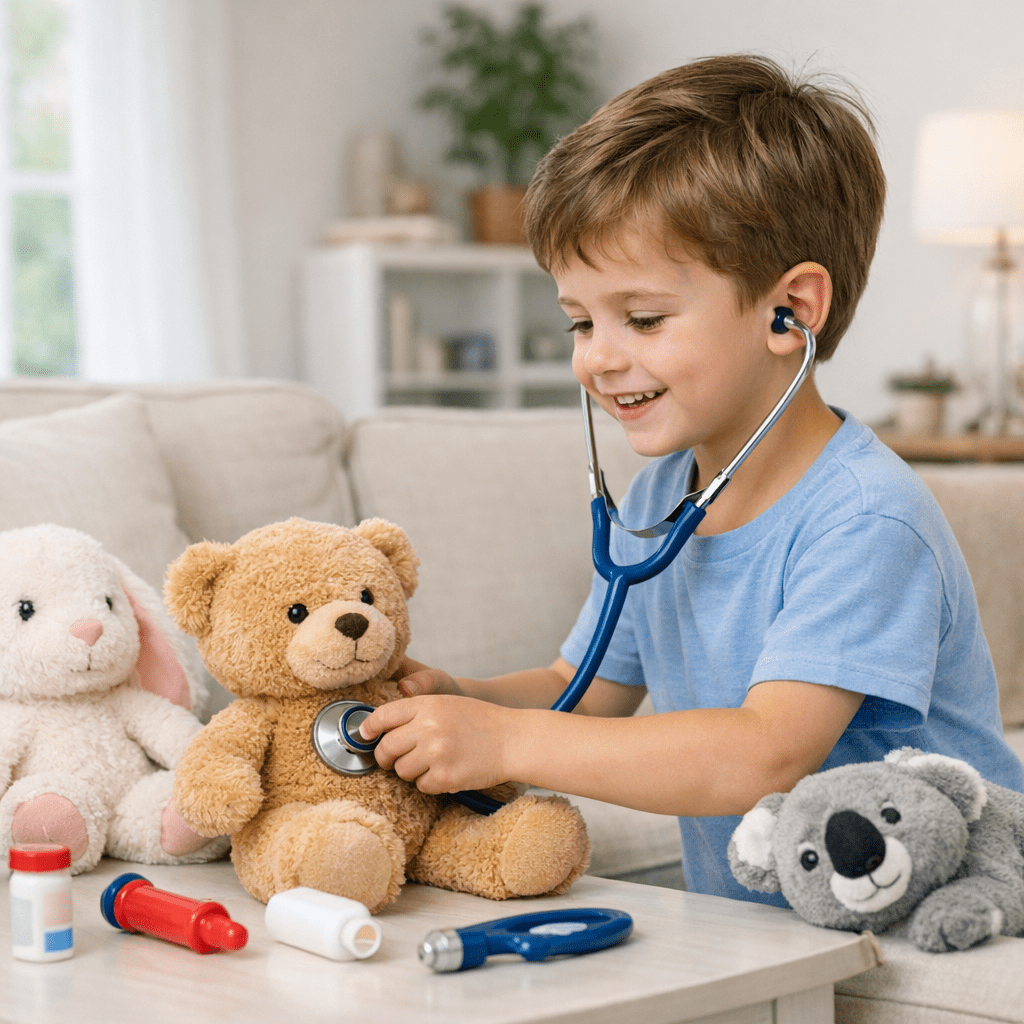
Picture this: your child is running around the living room with a toy stethoscope draped around their neck, confidently “diagnosing” their stuffed animals. It’s adorable—and more importantly, it’s educational. Medical pretend play sets aren’t just fun; they help kids develop empathy, improve motor skills, and spark an early interest in healthcare. But with so many options out there, choosing the right set can feel like navigating a maze of plastic thermometers and miniature syringes.
Here’s where we break it down—no corporate fluff, no endless lists of vague recommendations. Let’s figure out what works, what doesn’t, and how to find the medical play set that’ll have your kid feeling like Dr. McStuffins in no time.

—
Why a Medical Pretend Play Set?
First off, why should you even bother with one of these? Sure, toys are toys—but medical playsets offer something extra. They’re not just about entertainment; they’re about learning through role play. Kids love imitating adults, and doctors are some of the coolest authority figures around (sorry, firefighters).
By playing doctor or nurse, your child learns problem-solving skills (“Why is Teddy sick?”), how to care for others (“Let me fix your boo-boo!”), and even emotional resilience (“It’s okay; shots only hurt for a second!”). Plus, let’s be real: if you’ve got a kid who’s nervous about visiting the actual doctor, handing them their own little medical kit can work wonders in demystifying those experiences.
—
Key Features to Look For in a Medical Play Set
Not all sets are created equal. Some come packed with thoughtful details that make pretend play immersive and exciting; others feel like dollar-store throwaways that’ll break before you finish unboxing them. Here’s what separates the winners from the duds:
1. Age-Appropriate Materials
If your toddler is still putting everything in their mouth (we’ve all been there), steer clear of small parts or fragile pieces that could snap apart easily. Look for rounded edges and non-toxic materials—many kits will explicitly state if they’re designed for ages 3+, 5+, or older kids.
🔍 Pro Tip: Sets made from sturdy wood or high-quality plastic (think ABS-grade) tend to last longer than cheap PVC knockoffs.
2. Interactive Components
The best pretend sets don’t just sit there looking cute—they do something. Think light-up thermometers that “beep” when pressed or blood pressure cuffs with squeeze bulbs that actually inflate (yes, those exist!). These little touches make all the difference when it comes to keeping kids engaged.
For example: A popular set we’ve seen includes an otoscope with LED lighting so kids can “check ears.” Another standout has bandages designed like Velcro wraps so they stick on dolls or stuffed animals without ripping any fur off.
3. Portability & Storage
Ever stepped on a stray toy syringe at midnight? It hurts almost as much as stepping on Legos! Look for sets that include carrying cases—not just for portability but also to avoid clutter disasters.
4. Realism vs Creativity
This one depends on your child’s personality. If they’re detail-oriented and love accuracy (future med student vibes), go for realistic tools modeled after actual medical equipment—like stethoscopes you can really hear through! On the flip side, younger kids might enjoy bright colors and cartoonish designs that look less intimidating.
—
Los 7 mejores sets de maquillaje para niñas bajo $50 en 2024: guía práctica con
Top Types of Medical Play Sets (With Examples)
Let’s talk options because there are so many types of kits out there now—ranging from basic starter packs to over-the-top setups complete with toy X-ray machines (not kidding). Here are some common categories:
Basic Doctor Kits
These usually include staples like stethoscopes, thermometers, syringes, reflex hammers—you know, the essentials every kid needs to run their teddy bear clinic! They’re affordable (usually €15–€30) but might lack interactive features or durability if you buy too cheap.
- Example: A simple wooden set by Melissa & Doug offers classic tools made from eco-friendly materials—a solid pick for toddlers just starting out.
—
Deluxe Play Clinics
Think beyond handheld tools—these kits often include larger items like patient beds or mini diagnostic stations where kids can dive into full-blown hospital scenarios right at home.
- Example: Battat makes a rolling doctor cart (€50+) complete with shelves for organizing supplies like cotton swabs and bandages—a great option if your kid loves dramatic role-play scenarios involving multiple patients (read: siblings).
—
Electronic & Interactive Sets
If sound effects are your thing—or more accurately, if they’re your kid’s thing—consider kits featuring electronic components like light-up monitors or talking thermometers.
- Example: KidzLane has released an updated version of its bestselling deluxe kit in 2026 (€40), which includes tools like a pulse oximeter that beeps according to “patient” vitals.
—
Comparison Table: Popular Options at a Glance
| Brand/Model | Price Range | Best For | Unique Features | Limitations |
|————————|————-|——————————|———————————–|————————————–|
| Melissa & Doug Wooden | €20–€25 | Toddlers (Ages 3+) | Solid wood tools | No electronics |
| Battat Deluxe Cart | €50+ | Advanced role-play | Rolling cart w/ storage space | Bulky design |
| KidzLane Deluxe Kit | €40 | Kids wanting interactivity | Beeping pulse oximeter + lights | Requires batteries |
| Fisher-Price Doctor Bag Toy Set 2026 Edition | €25–€30 | Beginners | Soft bag + fun colors | Limited tool variety |
Cómo iniciar un negocio de dropshipping de juguetes desde cero: guía práctica co
(Prices approximate as of March 2026)
—
Common Tradeoffs Parents Face
Here’s where things get tricky—and I’ll admit I’ve wrestled with some of these myself while shopping for my niece last holiday season!
1️⃣ Durability vs Price: Those budget-friendly kits under €20? Great until pieces start breaking after two weeks of use… especially during rough-and-tumble play sessions.
2️⃣ Size vs Convenience: Larger sets might wow you online but think twice if storage space is tight at home.
3️⃣ Realism vs Fun: Hyper-realistic gear may intimidate younger kids while overly cartoonish options might not hold older ones’ attention long-term.
Bottom line? Strike a balance based on your child’s age and personality rather than gravitating toward flashy extras every time.
—
Final Thoughts
Choosing the perfect medical pretend play set boils down to knowing your child—their interests today (and, let’s face it… tomorrow they might want astronaut gear instead). Whether you’re going basic with wooden tools or splurging on interactive gadgets galore doesn’t matter as much as picking something they’ll genuinely engage with right now.
And hey—if you’re still unsure whether this category fits what you’re looking for overall playful gear-wise across age ranges check learn more expanding horizons broader toyset themes alike next steps pivot better-informed choice comfy confident direction ahead!
Related Links
Buying Guide: Top Dropshipping Beauty Playsets for Beginner Sellers in the US: Practical Playbook with Real Examples - Crown Toys
[…] How to Choose the Perfect Medical Pretend Play Set for Your Child: Practical Playbook with Real Exam… […]
How to Dropship Princess Makeup Vanities and Attract US Buyers: Step-by-Step Guide: Practical Playbook with Real Example - Crown Toys
[…] How to Choose the Perfect Medical Pretend Play Set for Your Child: Practical Playbook with Real Exam… […]
Buyer’s Guide to 3-in-1 Princess Vanity Sets with Washable Makeup Under $150: Practical Playbook with Real Examples - Crown Toys
[…] learn more · learn more […]