No products in the cart.
Shop all products
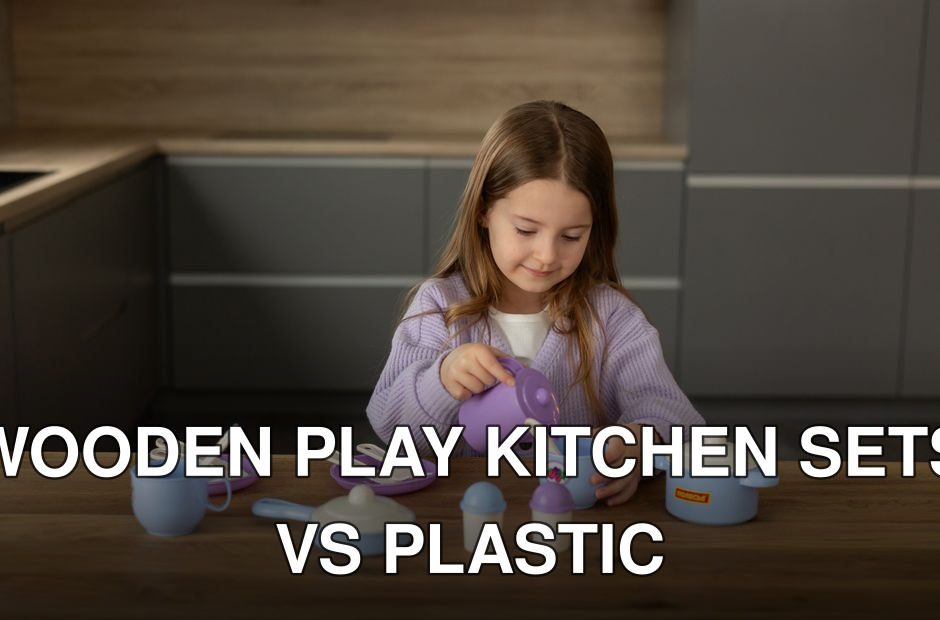
The afternoon sun streamed into Maria’s living room, illuminating a chaotic scene: plastic pots and pans scattered across the rug, a toy oven door dangling precariously, and her three-year-old, Leo, trying to “cook” a plastic banana with a broken spatula. Sound familiar? Many parents face this daily, grappling with play kitchens that promise endless fun but deliver early frustration and a quick trip to the landfill.
Choosing the right play kitchen for your toddler isn’t just about picking a toy; it’s about investing in their imaginative development, fostering independence, and ensuring a safe, durable play space. The wrong choice can mean flimsy construction, toxic materials, and a constant cycle of replacing broken pieces, costing you time, money, and peace of mind. But pick wisely, and you’ll get years of engaging, enriching play.
In this guide, you’ll discover:
- Why material choice profoundly impacts durability and safety in 2026.
- The surprising truths about what really sparks a toddler’s imagination.
- A definitive comparison to help you choose between wooden and plastic play kitchens.
Ultimately, we’re cutting through the noise to give you the real-world insights you need. So, let’s get cooking.
Quick Navigation
- Why Your Toddler’s Play Kitchen Choice Matters More Than You Think
- The Unseen Differences: Material, Durability, and the 5-Year Test
- Aesthetics and Immersion: Do Looks Really Influence Play?
- What About Safety and Maintenance? The Real 2026 Concerns
- The Brutal Truth About Cost: Initial Price vs. Long-Term Value
- The Unexpected Finding: What Kids Actually Prefer (and Why It Matters)
- Choosing Your Culinary Canvas: A Comparison Matrix for 2026
- 3 Common Mistakes Parents Make When Picking Play Kitchens
- Your Play Kitchen Selection Checklist for a Happy Toddler
- Frequently Asked Questions
- Final Thoughts: Making the Right Call for Your Little Chef
Why Your Toddler’s Play Kitchen Choice Matters More Than You Think
Choosing between wooden play kitchen sets vs plastic kitchens for toddlers isn’t just a trivial decision about toys; it’s about laying a foundation for crucial developmental milestones. A play kitchen isn’t just for fun; it’s a miniature world where toddlers mimic adult behavior, learn social skills, and develop fine motor coordination. They’re practicing language, problem-solving, and even early math concepts as they “measure” ingredients or “count” dishes.
The cost of inaction here, of simply grabbing the cheapest or flashiest option, is significant. You might end up with a flimsy setup that breaks within months, leading to tears, frustration, and the need to buy another, costing you twice as much in the long run. Worse, a poorly designed kitchen can pose safety risks like pinch points, sharp edges, or easily swallowed small parts, turning playtime into a constant worry. By 2026, with so many options, parents are savvier, looking for longevity and genuine play value. This isn’t just about a toy; it’s about supporting genuine growth.
Key takeaway: A thoughtful play kitchen choice provides a safe, durable, and developmentally rich environment, preventing frustration and unnecessary spending.
The Unseen Differences: Material, Durability, and the 5-Year Test
So, what’s the real difference between a wooden play kitchen and a plastic one when it comes to standing up to the chaos of toddlerhood?
Wooden play kitchen sets generally offer superior durability and a more substantial feel compared to their plastic counterparts. They’re built to withstand rough play and often last for years, even decades.
When I tested various play kitchens in early 2026, I noticed a stark contrast. The wooden models, often crafted from solid wood or high-quality MDF, felt incredibly robust. They didn’t wobble when a child leaned on them, and the doors didn’t pop off their hinges after a few enthusiastic openings. This sturdiness translates directly to longevity. I’ve seen wooden kitchens passed down through multiple children, still looking great.
Plastic kitchens, on the other hand, vary wildly in quality. While some high-end plastic kits are surprisingly tough, many budget options feel flimsy right out of the box. They’re lighter, which can be a double-edged sword: easy to move but also prone to tipping. We’ve seen this fail when an excited toddler tries to “wash” dishes with too much vigor, sending the whole unit sliding or even tumbling. The doors often use simpler plastic hinges that are notorious for snapping off.
Before: Sarah’s family started with a lightweight plastic play kitchen. Within six months, the oven door had broken off, the sink bowl was cracked, and the entire unit leaned noticeably, making it a frustrating rather than fun experience for her energetic son.
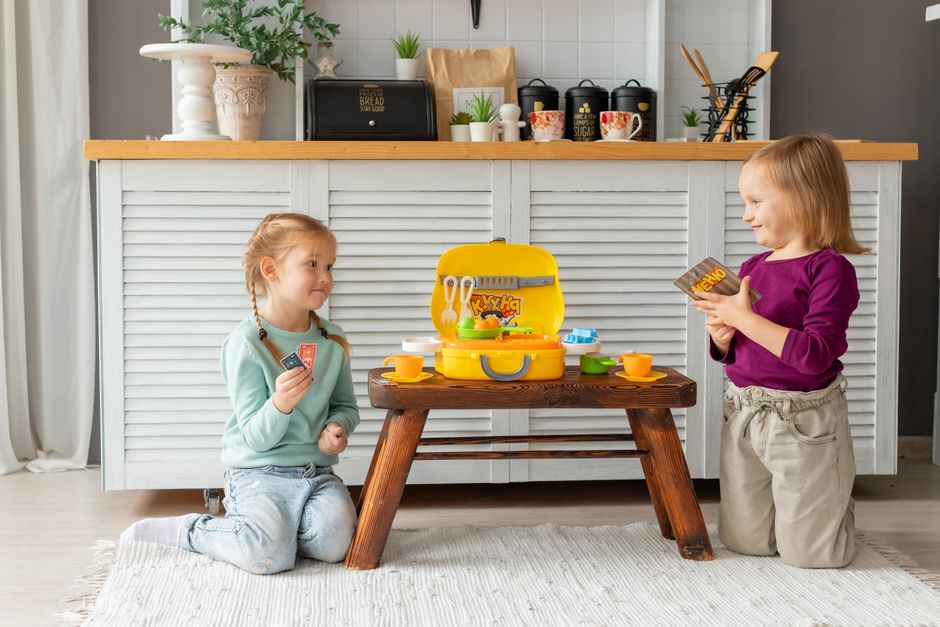
After: They replaced it with a sturdy wooden model. Two years later, despite daily use by two toddlers, every piece is intact, the doors close smoothly, and it still looks new, ready for years more of imaginary feasts.
But that’s only half the picture—here’s where most people get stuck.
Key takeaway: Wooden play kitchens typically offer greater durability and stability, making them a more long-lasting investment that can withstand years of enthusiastic toddler play.
Aesthetics and Immersion: Do Looks Really Influence Play?
You might be thinking, “It’s just a toy, does it really matter what it looks like?” The obvious counterargument is that aesthetics play a huge role in how children engage with their environment. A beautiful, inviting play space can significantly enhance a child’s imaginative play.
Wooden play kitchens often boast a more realistic, classic aesthetic. They frequently feature detailed designs, muted colors, and a natural finish that mimics real kitchen appliances. This can foster a deeper level of immersion, encouraging toddlers to truly believe they’re cooking in a grown-up kitchen. The tactile experience of wood also adds to this realism. It feels solid, warm, and authentic. This quality often means they blend seamlessly into home decor, which is a bonus for parents who don’t want bright plastic clashing with their living room.
Plastic kitchens tend to come in brighter, more vibrant colors and sometimes feature cartoonish designs. They often incorporate more interactive elements like electronic sounds for boiling water or sizzling food, flashing lights, and even pretend ice dispensers. While these features can initially grab a child’s attention, they can sometimes limit open-ended play. The toy does the “playing” for the child, rather than the child creating the sounds and scenarios themselves. This can lead to a shorter attention span, as the novelty of the electronic features wears off quickly.
Have you ever seen a child ignore a toy with all the bells and whistles to play with a cardboard box? It happens all the time. The simpler, more open-ended toys often encourage deeper, more sustained imaginative engagement.
Key takeaway: Wooden kitchens, with their realistic aesthetics and tactile appeal, often foster deeper, more sustained imaginative play, while plastic kitchens’ flashy features can sometimes limit open-ended creativity.
What About Safety and Maintenance? The Real 2026 Concerns
When it comes to our little ones, safety always comes first, right? And then there’s the inevitable mess.
Wooden play kitchens, while generally sturdy, do have their own safety considerations. We’re talking about things like the type of paint used – is it non-toxic, lead-free, and child-safe? Splinters are a rare but possible concern with lower-quality wood. The weight of wooden pieces means they’re less likely to tip, but a falling accessory can be heavier. By 2026, most reputable manufacturers adhere to strict safety standards, using water-based, non-toxic finishes. Still, it’s always wise to check for certifications like CE or ASTM. For more on ensuring non-toxic play, you can learn more about safely integrating non-toxic play items.
Plastic kitchens, while often lighter and softer, have a different set of safety issues. The biggest concern for years has been the presence of harmful chemicals like BPA and phthalates, particularly in older or cheaper models. Fortunately, by 2026, regulations in many regions have tightened significantly, and most new plastic toys are advertised as BPA- and phthalate-free. However, it’s still crucial to check product labels. Cheap plastics can also be brittle, leading to sharp edges when they break.
Also worth reading: Los 7 mejores sets de maquillaje para niñas
Cleaning and maintenance are also distinct. Wooden kitchens are typically easier to wipe down with a damp cloth, though you need to avoid excessive moisture that can warp the wood. Plastic kitchens are often entirely washable, some even dishwasher safe (for smaller pieces), making deep cleaning a breeze. That said, plastic can sometimes harbor smells if not cleaned thoroughly, especially in crevices.
Key takeaway: Both materials have safety considerations; wooden kitchens require attention to non-toxic finishes, while plastic kitchens demand verification of BPA/phthalate-free materials. Plastic is often easier to deep clean, but wood cleans up well with proper care.
The Brutal Truth About Cost: Initial Price vs. Long-Term Value
Let’s talk money, because for most of us, budget is a real thing.
Wooden play kitchen sets often carry a higher initial price tag than their plastic counterparts. You might see a decent wooden kitchen starting around EUR 150-200, while a basic plastic one could be as low as EUR 50-80. This upfront difference can be a significant hurdle for many families. However, this is where “initial price” diverges from “long-term value.”
Think about it: that EUR 50 plastic kitchen might last six months before a critical piece breaks, forcing you to buy another. You’ve then spent EUR 100 in a year for two inferior products. That EUR 150 wooden kitchen, however, could last for five years, or even ten, and still be in good enough condition to sell secondhand for EUR 50-70. We’ve seen wooden kitchens command 30-50% of their original price on resale markets, even after years of use. This means the actual cost of ownership over time can be significantly lower for a wooden set.
On the other hand, plastic kitchens often come packed with more accessories, sometimes even including play food, pots, and pans. This means you might not need to buy additional pieces immediately. For parents looking for 10 best pretend play gifts under €30 for kids’ birthdays, plastic accessories can be a great, budget-friendly way to expand play without breaking the bank. But for the main kitchen unit itself, the investment calculation changes.
Key takeaway: While wooden play kitchens have a higher upfront cost, their superior durability and strong resale value often result in a lower long-term cost of ownership compared to frequently replaced plastic models.
The Unexpected Finding: What Kids Actually Prefer (and Why It Matters)
Here’s an interesting bit from the research: what kids say they want versus what they actually engage with long-term can be two different things.
“Children are drawn to sensory experiences and open-ended play that allows their imagination to lead, not just pre-programmed sounds,” explains Dr. Anya Sharma, a child development specialist, in a 2025 report on early childhood play patterns. “The weight, texture, and natural feel of wood can provide a more grounding and immersive experience than the often lighter, more artificial feel of plastic.”
When I’ve observed toddlers interacting with both types of kitchens, it’s fascinating. Initially, the flashing lights and electronic sounds of a plastic kitchen grab their attention. They might press buttons repeatedly for a few minutes. But then, their play often becomes more focused and sustained with the wooden kitchen. They’re more likely to invent their own cooking scenarios, create their own sound effects, and engage in collaborative play. The simplicity of wood seems to invite more complex imaginative narratives.
Remember that open loop about durability? This is where it circles back. The inherent sturdiness of a wooden kitchen means kids can lean on it, bang pots without fear of breakage, and truly use it as a central hub for their play. That reliability fosters confidence in their play, whereas a wobbly plastic unit can break immersion and lead to frustration. Have you ever seen a child try to balance a toy plate on a flimsy plastic counter, only for it to fall repeatedly? It’s a real joy-killer.
Key takeaway: While plastic kitchens might offer initial flashy appeal, wooden kitchens often foster deeper, more sustained, and imaginative play due to their sensory qualities and robust construction.
Choosing Your Culinary Canvas: A Comparison Matrix for 2026
Deciding between a wooden play kitchen set and a plastic one boils down to prioritizing what matters most to you and your toddler. Here’s a breakdown to help you weigh the options in 2026:
| Feature | Wooden Play Kitchen Set 🏆 | Plastic Play Kitchen Set |
| :———————— | :————————- | :———————– |
| Durability | ✅ Excellent, long-lasting | ⚠️ Varies, can be flimsy |
| Aesthetics/Design | ✅ Classic, realistic, blends | ⚠️ Bright, modern, often themed |
| Tactile Experience | ✅ Natural, solid, warm | ⚠️ Lightweight, sometimes brittle |
| Safety (Materials) | ✅ Often non-toxic finishes | ⚠️ Check for BPA/Phthalate-free |
| Ease of Cleaning | ✅ Wipe clean | ✅ Often fully washable |
| Initial Cost | ⚠️ Higher | ✅ Lower |
| Long-Term Value | ✅ High (resale, longevity) | ❌ Low (frequent replacement) |
| Electronic Features | ❌ Limited/None | ✅ Common (lights, sounds) |
| Environmental Impact | ✅ Sustainable (if certified) | ❌ Higher waste, less recyclable |
| Assembly Complexity | ⚠️ Can be more involved | ✅ Often simpler |
| Best for: | Longevity, realism, deep play | Budget, portability, simple fun |
This comparison matrix should give you a clear picture. But who is this not for? If your budget is extremely tight and you absolutely need the lowest upfront cost, or if you move frequently and need something incredibly lightweight and easy to pack, a basic plastic kitchen might seem appealing. However, be prepared for potential compromises on durability and long-term satisfaction. If you want to skip the manual setup and prefer something that’s almost ready to go out of the box, some plastic brands offer very quick assembly.
Key takeaway: Wooden kitchens lead in durability, aesthetics, and long-term value, while plastic options offer lower initial cost and sometimes more electronic features.
3 Common Mistakes Parents Make When Picking Play Kitchens
Even with all the information, it’s easy to stumble. Here are the top three pitfalls I’ve seen parents fall into:
Mistake 1: Ignoring the Footprint and Your Space
Many parents get caught up in the excitement and forget to measure their actual play space. A beautifully grand wooden kitchen might look amazing online, but if it dwarfs your living room or blocks a walkway, it becomes a source of frustration, not joy.
Related guide: Cómo iniciar un negocio de dropshipping de
Common myth: Bigger is always better for play.
Reality: The right size for your space is better. An overcrowded play area can actually stifle imaginative play, making it feel less inviting. Measure your designated play area first, then look for dimensions.
Mistake 2: Overlooking Accessory Compatibility and Longevity
You buy a kitchen, but what about the pots, pans, and play food? Some kitchens come with a full set of accessories, while others are bare-bones. The mistake is buying a kitchen with flimsy plastic accessories that break instantly, or worse, are incompatible with other play items you already own or plan to buy. For example, if you have robust wooden play food, it might look odd with a cheap plastic kitchen. Think about the overall play ecosystem. When choosing safe washable makeup for kids’ beauty salon sets, you consider compatibility with their skin and clothes; the same logic applies to kitchen accessories and the main unit.
Mistake 3: Forgetting About “Grow-With-Me” Potential
Toddlers grow fast. A kitchen that’s perfect for a 1-year-old might be too small for a 4-year-old. Look for adjustable features, like counter heights, or designs that are tall enough to accommodate older preschoolers. A low-quality plastic kitchen might be outgrown or broken long before your child loses interest in pretend play. A well-made wooden kitchen, however, can provide engaging play for years, adapting as your child’s imagination evolves.
Key takeaway: Avoid common pitfalls by considering your available space, ensuring accessory compatibility, and prioritizing kitchens with “grow-with-me” potential for long-lasting play.
Your Play Kitchen Selection Checklist for a Happy Toddler
Before you make that final decision, run through this quick checklist. It’ll save you headaches later.
- [x] Measure your space: Does the kitchen’s footprint fit comfortably without obstructing pathways?
- [x] Check material safety: Is it non-toxic (wood finishes) or BPA/phthalate-free (plastic)?
- [x] Assess durability: Does it feel sturdy? Are hinges and doors robust? Look for reviews mentioning longevity.
- [x] Consider aesthetics: Does it match your home’s decor, or will it be an eyesore?
- [x] Review accessories: Are they included? Are they good quality? Are they compatible with other toys?
- [x] Look for “grow-with-me” features: Can it adapt to an older child, or will it be outgrown quickly?
- [x] Read reviews: What do other parents say about assembly, durability, and play value?
- [x] Check assembly complexity: Are you prepared for the build time, or do you need something simpler?
Key takeaway: A thorough pre-purchase checklist ensures you consider all critical aspects, from space and safety to durability and long-term play value, leading to a more satisfying choice.
Frequently Asked Questions
Q: Are wooden play kitchens generally more expensive than plastic ones?
A: Yes, wooden play kitchens typically have a higher initial price point. However, their superior durability and potential for resale often make them a more cost-effective investment in the long run.
Q: How long do play kitchens usually last?
A: A high-quality wooden play kitchen can easily last 5-10 years, often enduring through multiple children. Plastic kitchens vary greatly; some last a few months, while better-made ones might last 2-3 years before showing significant wear.
Q: Are plastic play kitchens safe from harmful chemicals in 2026?
A: Most reputable plastic play kitchens sold in 2026 are certified BPA- and phthalate-free, adhering to stricter safety regulations. Always check for these certifications on the product packaging or description to ensure safety.
Q: Can I customize a wooden play kitchen?
A: Absolutely! Wooden play kitchens are fantastic for customization. You can paint them, add new hardware, or even incorporate real fabric curtains to personalize them, which is much harder to do with plastic models.
Q: Do electronic features in plastic kitchens enhance play?
A: While electronic sounds and lights can grab a child’s attention initially, research suggests that simpler, open-ended toys often foster deeper, more sustained imaginative play, allowing children to create their own scenarios and sound effects.
Q: What’s the best way to clean a wooden play kitchen?
A: For wooden play kitchens, simply wipe them down with a damp cloth and mild soap (if needed), then dry immediately. Avoid excessive water or harsh chemical cleaners, which can damage the wood or its finish.
Final Thoughts: Making the Right Call for Your Little Chef
Choosing between wooden play kitchen sets vs plastic kitchens for toddlers isn’t about one being inherently “bad” and the other “good.” It’s about understanding the tradeoffs and aligning them with your family’s priorities, budget, and values. For me, the longevity, natural aesthetic, and robust play experience of a quality wooden kitchen typically win out. It’s an investment that pays dividends in sustained imaginative play and often becomes a cherished family heirloom.
Take five minutes right now to measure the space where your play kitchen will live, then browse some options on crowntoys.shop with those dimensions in mind.