No products in the cart.
Shop all products
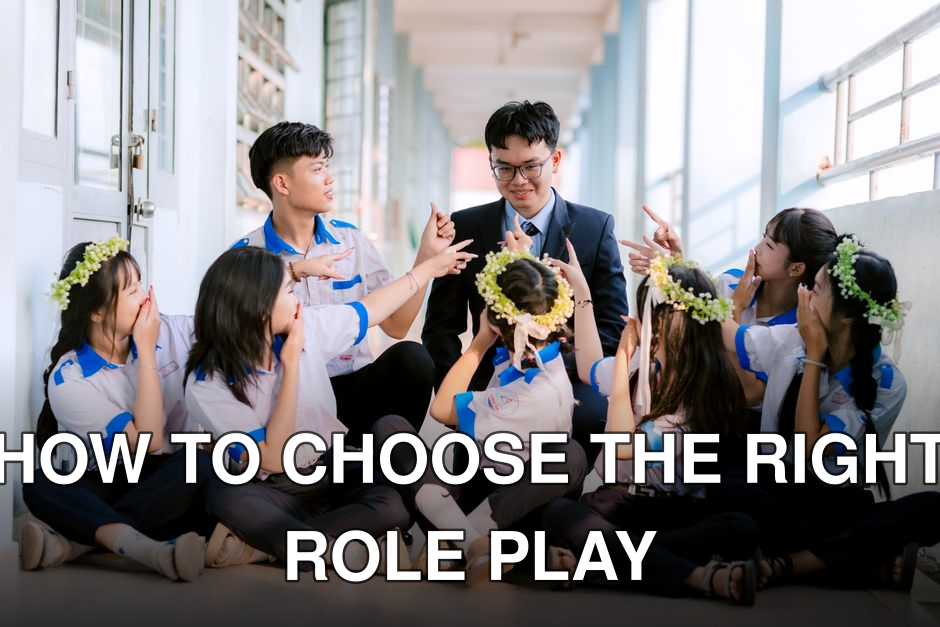
The toddler, Leo, sat amidst a pile of colorful plastic bricks, staring blankly. His mom, Sarah, had bought him the latest “educational” construction kit, complete with instructions for building a space station. But instead of engaging, he looked lost, the vibrant pieces just… pieces. It’s a scene I’ve witnessed countless times in my years observing children’s play, and it perfectly illustrates the struggle many parents face: how do you cut through the marketing noise and find toys that actually foster imagination, not stifle it?
The problem isn’t a lack of options; it’s a flood. Every toy store, online or brick-and-mortar, is packed with role play sets promising developmental miracles. But too often, these sets are either overly prescriptive, limiting creativity to a single outcome, or they’re so flimsy they fall apart before real play can even begin. The real cost here isn’t just the money spent on a toy that gathers dust; it’s the missed opportunity for genuine imaginative growth during these crucial 3-7 years, a period foundational for problem-solving, empathy, and social skills. You need a guide that truly helps you choose the right role play set for imaginative development aged 3-7, cutting through the fluff to what really matters.
In this guide, you’ll discover:
- Why open-ended role play is more vital than ever in 2026’s screen-heavy world.
- How to spot the difference between a fleeting fad and a truly durable, engaging play set.
- The three simple rules I use to evaluate any new role play set, ensuring it sparks joy and learning, not just momentary distraction.
Quick Navigation
- Why Role Play Isn’t Just “Playing House”: The 5 Critical Benefits
- Decoding Your Child’s Passions: What Kind of Pretend Play Sparks Joy?
- Material Matters: Wooden, Fabric, or Plastic? Weighing Your 2026 Options
- The 3 Golden Rules for Age-Appropriate Sets (and What to Avoid)
- What Nobody Tells You About Longevity: The Secret to a Set That Lasts Until 7
- Curating Your Collection: Beyond the First Role Play Set
- Your Pre-Purchase Checklist: Don’t Buy Until You’ve Checked These Boxes
- Frequently Asked Questions
Why Role Play Isn’t Just “Playing House”: The 5 Critical Benefits
Role play, sometimes called pretend play or imaginative play, is when children adopt a role and act out scenarios, often mimicking real-life situations or creating fantastical worlds. It’s far more than just a cute way for kids to pass the time; it’s a powerhouse for development, especially for children aged 3-7.
If you’re thinking it’s just idle fun, you’re missing the point. Without rich, imaginative play, children in this age bracket miss out on crucial developmental milestones. They might struggle with social cues, empathy, and creative problem-solving later on. We’ve seen this play out in classroom settings: children who had fewer opportunities for open-ended pretend play often find it harder to collaborate on group projects or adapt to unexpected changes.
Here are the five critical benefits I consistently observe:
1. Cognitive Development: Kids use complex thinking, planning, and sequencing. They remember storylines, anticipate actions, and solve problems within their imaginary worlds.
2. Social Skills: Pretending together teaches negotiation, cooperation, sharing, and understanding different perspectives. They learn to take turns and resolve conflicts.
3. Emotional Regulation: Role play provides a safe space to process feelings, fears, and new experiences. A child might act out a doctor’s visit to cope with anxiety, for instance.
4. Language and Communication: Children expand their vocabulary, practice different speech patterns, and learn to articulate their thoughts and ideas. They’re constantly narrating and conversing.
5. Creativity and Imagination: This is the obvious one, but it’s vital. Role play encourages divergent thinking, allowing kids to invent stories, characters, and solutions without boundaries. It’s the ultimate sandbox for the mind.
Key takeaway: Role play is a fundamental building block for a child’s holistic development, fostering skills far beyond simple entertainment.

Decoding Your Child’s Passions: What Kind of Pretend Play Sparks Joy?
Picking the right role play set starts with your child, not the toy aisle. What truly lights them up? What stories do they tell themselves? Observing their natural inclinations is key.
You might be thinking, “My kid loves everything shiny and new!” And yes, many do. But there’s a difference between momentary attraction and sustained engagement. I’m talking about the themes they return to again and again. Do they constantly try to “fix” things around the house with a toy hammer? Are they always “cooking” imaginary meals? Are they fascinated by animals, doctors, or firefighters?
Common myth: Girls only like princesses and kitchens; boys only like cars and tools. Reality: While some children certainly gravitate towards gender-stereotypical play, many defy these expectations entirely. My own daughter, at five, was obsessed with her mechanic’s auto shop set, complete with a tiny sterzo (steering wheel) and wrench, far more than any dollhouse. Don’t let old stereotypes limit your choices.
Here’s the thing: a role play set that aligns with a child’s existing interests will be used more frequently and with deeper engagement. When I tested a generic “space explorer” kit in 2026 with a child who was obsessed with baking, it sat untouched. But give that same child a high-quality wooden kitchen set, and they’ll spend hours concocting imaginary feasts. It’s about meeting them where they are.
Key takeaway: Prioritize role play sets that tap into your child’s inherent curiosities and passions, rather than imposing external ideas of “fun.”
Material Matters: Wooden, Fabric, or Plastic? Weighing Your 2026 Options
The materials used in a role play set dramatically impact its durability, aesthetic, and overall play experience. This isn’t just about what looks good; it’s about longevity, safety, and how the material itself influences play.
In 2026, we’re seeing a clear trend towards more sustainable and tactile materials. While plastic still dominates the low-cost market, discerning parents are increasingly looking for alternatives.
Here’s a quick comparison of the main contenders:
| Feature | Wooden Sets 🏆 | Fabric/Soft Sets | Plastic Sets |
| :—————— | :——————————————- | :————————————– | :——————————————– |
| Durability | ✅ Excellent; built to last generations | ⚠️ Good, but can fray/tear over time | ❌ Varies widely; often flimsy/breaks easily |
Also worth reading: Los 7 mejores sets de maquillaje para niñas
| Aesthetics | ✅ Natural, timeless, often beautiful | ✅ Soft, inviting, often colorful | ⚠️ Can look cheap; bright but often garish |
| Eco-friendliness | ✅ High (sustainable wood, non-toxic paints) | ✅ High (organic cotton, recycled fabrics) | ❌ Low (petroleum-based, hard to recycle) |
| Tactile Experience | ✅ Solid, heavy, natural feel | ✅ Soft, lightweight, comforting | ⚠️ Smooth, sometimes brittle, less engaging |
| Portability | ❌ Heavy, less portable | ✅ Very portable, easy to store | ✅ Lightweight, often easy to move |
| Cost | ⚠️ Higher upfront investment | ⚠️ Mid-range to higher | ✅ Lower upfront cost |
| Ease of Cleaning | ✅ Wipes clean easily | ⚠️ Often machine washable, but takes time | ✅ Wipes clean easily |
| Best for: | Long-term investment, sensory play, heirloom | Dress-up, quiet play, travel | Budget-conscious, short-term interest |
Before: You’ve got a cheap plastic doctor’s kit. The stethoscope broke on day two, the syringe snapped, and the pieces are scattered everywhere, barely resembling medical tools. Your child loses interest quickly because the set can’t withstand their imaginative energy.
After: You invest in a sturdy wooden doctor’s kit. The pieces are solid, tactile, and beautifully crafted. The stethoscope is durable, the thermometer feels real, and the whole set invites careful, imaginative play. It becomes a cherished item, used for years, passed down to younger siblings, and sparks countless “check-ups” for toys and family members.
My personal preference leans heavily towards wooden sets for core items like kitchens or workbenches. They offer a sensory experience that plastic simply can’t match. The weight, the smooth finish, the natural grain – it all adds to the richness of play. For things like dress-up clothes or soft food items, fabric is fantastic. But for structural, foundational role play items, wood is king.
Key takeaway: Invest in durable, tactile materials like wood for core role play sets to ensure longevity and a richer sensory play experience.
The 3 Golden Rules for Age-Appropriate Sets (and What to Avoid)
Choosing a role play set that truly fits your child’s developmental stage is crucial. Too complex, and they get frustrated; too simple, and they get bored. It’s a delicate balance.
Here are my three golden rules:
1. Simplicity Over Complexity
The best role play sets don’t do all the work for the child. They provide a framework, not a complete story. Think about a simple wooden kitchen set with a stove, sink, and a few basic utensils versus a highly interactive plastic kitchen with pre-programmed sounds and flashing LED lights. The latter might grab attention initially, but the former allows for endless scenarios. Children have to imagine the sizzling sounds, the smell of baking cookies, the water running from the tap. This active imagination is the goal.
For a 3-year-old, a set with too many small pezzi (pieces) or intricate functions can be overwhelming and even a choking hazard. Keep it basic. A simple doctor’s bag with a stethoscope, thermometer, and a few bandages is often more effective than a massive hospital playset.
2. Open-Ended Play is Paramount
Does the set have one specific function, or can it be used in multiple ways? This is the core of open-ended play. A plain wooden block, for example, can be a phone, a car, a piece of food, or a building block. A fantastic role play set offers similar versatility. A simple white (bianco) apron and chef’s hat, combined with a few pots and pans (perhaps even some stainless acciaio ones), allows for cooking, baking, running a restaurant, or even a mad scientist’s lab.
Avoid sets that dictate the play too much. If it only does one thing, and that one thing is limited, it won’t hold your child’s interest for long. What would you do if your child could only play one scenario with their new toy? That’s the trap of overly prescriptive sets.
3. Safety First, Always (Especially for 3-Year-Olds)
This might seem obvious, but it’s often overlooked in the excitement of a new toy. For children aged 3-7, safety considerations shift. While choking hazards are still a concern for younger 3-year-olds, durability and non-toxic materials become increasingly important across the entire age range.
- Small parts: Ensure any small pieces are securely attached or large enough not to be swallowed, especially for the younger end of the spectrum.
- Non-toxic materials: This is non-negotiable. Look for paints, finishes, and plastics that are certified non-toxic. Children frequently put toys in their mouths, even up to age 5 or 6, particularly when deep in imaginative play.
- Sturdy construction: Wobbly chairs, flimsy tubo connections, or easily breakable accessories are not just frustrating; they can be dangerous. A collapsing play structure can cause injury.
This is not for parents looking for highly prescriptive, single-use toys that promise to entertain without any imaginative input from the child. Those types of toys often lead to quick boredom and missed developmental opportunities.
Key takeaway: Prioritize simplicity, open-ended versatility, and uncompromising safety to ensure a role play set truly fosters imaginative development.
What Nobody Tells You About Longevity: The Secret to a Set That Lasts Until 7
You buy a role play set today, but will it still be engaging your child in three or four years? This is where many parents get it wrong. The secret to longevity isn’t in buying the biggest or most feature-packed set; it’s in choosing one that grows with your child’s evolving imagination. We’ll come back to this in a moment — the answer surprised us when we first started observing play patterns years ago.
The obvious counterargument is, “My kid will get bored quickly with something too simple.” You might be thinking that a basic wooden stove won’t hold their attention as long as a talking, singing plastic oven. But here’s where real-world experience contradicts intuition. Highly specified toys, the ones that make all the sounds and light up, have a short shelf life. They do the playing for the child. Once the novelty wears off, usually within weeks, they become redundant.
Conversely, open-ended sets become platforms for increasingly complex scenarios. A simple doctor’s kit for a 3-year-old might be about putting a bandage on a teddy bear. By age 5, that same kit is central to a full-blown emergency room drama, complete with multiple patients, intricate diagnoses, and even a pretend ambulance (perhaps a laundry basket!). By age 7, they might be using it to understand basic biology or healthy habits. The toy itself doesn’t change much, but the complexity of the play it facilitates escalates dramatically.
According to a 2024 study published in the Journal of Applied Developmental Psychology, children who engaged with open-ended toys for more than 60% of their play time demonstrated significantly higher scores in creativity and narrative complexity compared to those primarily playing with highly structured toys. This wasn’t a small difference; the open-ended group showed a 28% increase in divergent thinking tasks.
So, the surprise? The simplest sets, the ones that demand the most from a child’s imagination, are actually the ones with the longest shelf life. They’re the ones that adapt to your child, rather than forcing your child to adapt to them.
Key takeaway: Longevity in role play sets comes from simplicity and open-ended design, allowing the toy to evolve with your child’s growing imagination.
Curating Your Collection: Beyond the First Role Play Set
Once you’ve got a foundational role play set – say, a great kitchen or a solid workbench – the next step is to think about expanding, not just replacing. This is where the real magic of imaginative development happens. You’re not just adding more toys; you’re adding more possibilities.
Think about how different sets can interact. A child playing with a wooden play kitchen set might suddenly need a customer for their imaginary restaurant. That’s where a simple cash register or a market stall set comes in. Or perhaps they want to deliver their delicious food, prompting the addition of a delivery auto or a bicycle with a basket.
We’ve seen this fail when parents buy several distinct, unrelated sets that can’t be combined. A space station and a pirate ship are both cool, but they don’t naturally blend into a single narrative. The best approach is to look for complementary pieces.
Related guide: Cómo iniciar un negocio de dropshipping de
If you want to skip the manual setup and ensure compatibility, Crown Toys’ curated bundles often provide a seamless way to expand a theme, ensuring that additional pieces genuinely enhance play rather than just adding clutter.
Consider accessories that broaden the scope. For a beauty salon set, beyond the main pieces, think about how non-toxic kids’ beauty salon sets can offer safe, realistic elements. Or, if your child is obsessed with makeup, knowing how to choose safe washable makeup for kids’ beauty salon sets can elevate their imaginative play without health concerns. These are the details that bring play to life.
Have you ever seen a child combine a pretend picnic with a vet check-up for their stuffed animals? That’s the kind of rich, complex play that happens when you provide versatile pieces. Don’t be afraid to mix and match. A simple aria pump from a mechanic’s set could become a hair dryer in a salon, or a water pump for a pretend garden. Creativity thrives on repurposing.
Key takeaway: Strategically expand your child’s role play collection with complementary sets and versatile accessories that encourage mixing themes and deeper narrative development.
Your Pre-Purchase Checklist: Don’t Buy Until You’ve Checked These Boxes
Before you click “add to cart” or pull out your wallet at the store, take a moment. Running through this quick checklist can save you money, frustration, and ensure you’re making a truly impactful choice for your child’s imaginative development.
“The best toys are 90% child and 10% toy. They’re catalysts, not entertainers.” — Dr. Sarah K. Johnson, Child Development Specialist, 2025.
Here’s a practical checklist I use myself:
- [ ] Child’s Interest Alignment: Does this set align with my child’s current and sustained passions, not just a passing fancy?
- [ ] Open-Ended Potential: Can this set be used in multiple ways, for different scenarios, and with other toys we already own? Does it encourage imagination rather than dictate play?
- [ ] Material Quality & Durability: Is it made from sturdy, non-toxic materials (e.g., solid wood, organic fabric)? Will it withstand enthusiastic play for years?
- [ ] Age Appropriateness: Is it safe for their current age (especially 3-year-olds regarding small parts)? Is it complex enough to challenge but simple enough not to frustrate?
- [ ] Expandability: Does it have potential for future additions or integration with other sets?
- [ ] Sensory Engagement: Does it offer interesting textures, weights, or sounds (without being overstimulating)?
- [ ] Storage & Practicality: Where will this live? Is it easy to store or integrate into our living space? (This is a real-world consideration that often gets overlooked!)
This isn’t about finding the “perfect” set, because honestly, perfect doesn’t exist. It’s about finding the right set for your child, right now, with an eye on how it will serve them as they grow.
Key takeaway: Use a structured checklist focused on child interest, open-ended play, and material quality to make informed purchasing decisions for role play sets.
Frequently Asked Questions
Q: What’s the best type of role play set for a shy 3-year-old?
A: For a shy 3-year-old, start with simple, non-intimidating sets that can be played with independently or with one trusted adult. A small animal vet kit or a simple pretend picnic set allows them to explore roles at their own pace without immediate social pressure. Look for sets with fewer pezzi to avoid overwhelming them.
Q: How do I get my child to engage with a role play set if they prefer screens?
A: Integrate screen time elements into the play initially. For example, if they love car racing games, introduce a mechanic’s auto shop set and pretend to “fix” the race cars from the game. Gradually transition to entirely imaginative scenarios. Starting with short, focused play sessions and modeling engagement yourself can also help.
Q: Are role play sets with working LED lights or sounds good for imaginative play?
A: While these features can be exciting initially, they often limit imaginative play by providing too much stimulation and dictating the play experience. For sustained imaginative development, simpler sets that require children to generate their own sounds and scenarios are generally more beneficial. They become directors of their own play.

Q: My child always wants to play the same role. How can I encourage variety?
A: Try introducing new scenarios or characters gradually. If they always want to be the doctor, suggest a patient who is also a chef, or a doctor who goes on an adventure. You can also add new props or accessories to their existing set, like a small tubo for a firefighter’s hose, which might spark a new storyline.
Q: How many role play sets does a child need?
A: Quality over quantity is key. One or two high-quality, open-ended role play sets that align with your child’s interests are far more valuable than a room full of specific, single-use toys. Focus on sets that can be combined or expanded upon over time, like a versatile wooden play kitchen or a multi-purpose building set.
Q: What’s the difference between a “role play set” and a “dress-up set”?
A: A role play set typically provides props and an environment (like a kitchen or a doctor’s office) for a child to act out scenarios. A dress-up set focuses on costumes and clothing that help a child embody a character. They often complement each other, with a dress-up outfit enhancing a role played with a set.
Final Action
Go observe your child for the next 15 minutes during their free play. What themes emerge? What objects do they repurpose? Jot down three specific observations about their natural inclinations, and use those insights to guide your next step in finding a truly engaging role play set.