No products in the cart.
Shop all products

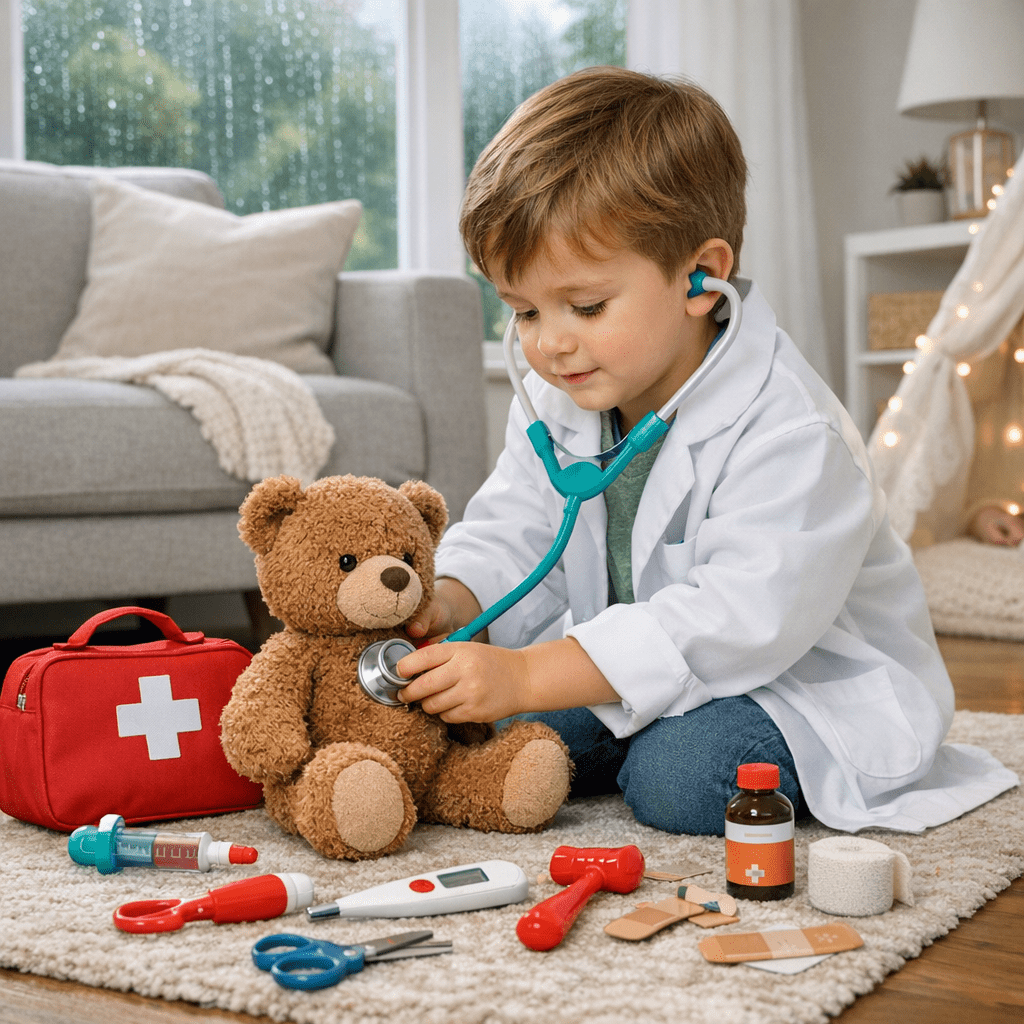
Picture this: it’s a rainy afternoon, your energetic 4-year-old is running circles around the living room, and you need something—anything—to keep them occupied. Enter the magical world of pretend play! Few toys capture kids’ imagination like doctor kits do. There’s something about the tiny stethoscopes, thermometers, and syringes that just make kids feel important. But here’s the thing: not all sets are created equal. Some are flimsy junk that break after two uses; others are packed with features but cost an arm and a leg. So how do you pick one without wasting your money? Let’s get into it.
—

Why Doctor Kits Are Pure Gold for Kids
Let’s start with why these toys matter in the first place. At ages 3–7, kids aren’t just playing—they’re learning how to interact with the world around them. Pretend play fosters creativity, builds empathy, and teaches problem-solving skills. A good doctor kit can even help ease anxiety around real-life medical visits. You’d be surprised how many parents say their child stopped fearing shots after poking their teddy bear with a toy syringe!
Plus, let’s face it—anything that keeps them entertained long enough for you to drink a hot coffee is worth its weight in gold.
—
Three Types of Doctor Pretend Play Sets: Which One Fits Your Kid?
Doctor kits come in all shapes and sizes, but most fall into three categories: basic kits, deluxe sets, or roleplay stations. Here’s what makes each type stand out—and where they might fall short.
1. The Classic Starter Kit
These are simple sets with just the core essentials—think stethoscope, thermometer, otoscope (the ear-checker thing), maybe a reflex hammer if you’re lucky. They’re affordable and perfect for toddlers who don’t need bells and whistles yet.
Pros:
- Lightweight tools fit small hands perfectly.
- Budget-friendly; typically €10–€25.
- Great intro to pretend play without overwhelming younger kids.
Cons:
- Limited tools mean less variety during playtime.
- Often made of thin plastic that cracks easily if dropped (and trust me—it will be dropped).
Example: A popular option is Melissa & Doug’s basic doctor set (€15). It has reliable quality and covers all the basics—but don’t expect anything fancy like lights or sounds.
—
2. Deluxe Sets With Interactive Features
Now we’re talking upgrades! Deluxe sets have way more tools (some include 20+ pieces) and often feature battery-powered gadgets like light-up thermometers or sound-effect stethoscopes. These sets appeal to older kids who want realism in their pretend hospital adventures.
Pros:
- Packed with variety; usually includes blood pressure cuffs, syringes, bandages—even surgical masks.
- Interactive elements keep older children engaged longer.
- Perfect for siblings or playdates since multiple kids can share tools.
Cons:
- Batteries die quickly on cheaper models—prepare for tears when the stethoscope stops working mid-play!
- Bulky designs may overwhelm younger toddlers.
Example: The Kidzlane Deluxe Medical Kit (€40) has been a fan favorite in 2026 thanks to its durable materials and fun extras like a light-up pulse reader.
—
3. Full-On Roleplay Stations
If your kid takes pretend play seriously—or maybe they’ve declared their dream of becoming an ER doctor—go big with a roleplay station setup. These are essentially mini medical offices complete with exam tables or carts where they can arrange all their gear.
3-in-1 Princess Vanity Desk vs. Little Chef’s Play Kitchen: Which Is the Better
Pros:
- Immersive experience that encourages hours of creative play.
- Great for cooperative games where one kid plays patient while another plays doctor.
- Durable builds; often made from sturdy plastic instead of cheap materials.
Cons:
- Pricey: Expect to spend €60–€100 minimum (some go higher).
- Takes up space—not ideal if storage is already an issue at home.
Example: Battat’s “Pretend Medical Center” (€85) includes everything from X-ray boards to toy prescriptions pads—a major shift if your kid loves playing “clinic.”
—
What Features Actually Matter?
Here’s where most parents get stuck—what should you look for beyond cute packaging? These are my non-negotiables:
Build Quality
Cheap plastic equals wasted money every time. If it bends like wet cardboard or snaps under pressure (which happens when little hands get overexcited), skip it entirely.
Tool Variety
Kids lose interest fast if every tool does basically the same thing! Look for sets that mix diagnostic tools (stethoscopes) with treatment items (bandages) so they can fully roleplay different scenarios.
Safety Standards
No sharp edges ever! Also check whether paints/dyes used on parts meet safety certifications—you don’t want toxic chemicals anywhere near your child’s mouth or skin.
Storage Solution
Many kits come with cases or backpacks where kids can store everything neatly between uses—a lifesaver unless you’re cool with random syringes underfoot at midnight!
—
Real Talk: Do You Need All Those Fancy Extras?
Honestly? Not always. Sure, light-up gadgets grab attention at first—but half the time batteries run out before your kid gets bored anyway (and let me tell you: replacing AAA batteries weekly adds up). That said, interactive features can be worth splurging on if your child tends to stick with toys longer-term instead of leaving them forgotten after two days.
If budget is tight though? Stick to durable basics over gimmicks—they’ll last longer without constant maintenance headaches.
—
Comparison Table: Top Picks for 2026
| Set Name | Age Range | Pieces Included | Price | Best For | Standout Feature |
3-in-1 Princess Vanity Desk vs. Deluxe Play Kitchen: Which Gift is Best for Girl
|——————————|———–|—————–|—————-|————————|——————————–|
| Melissa & Doug Starter Kit | 3–5 | 8 | €15 | Basic Play | Trusted brand durability |
| Kidzlane Deluxe Medical Kit | 4–7 | 20+ | €40 | Interactive Fun | Light-up pulse monitor |
| Battat Pretend Medical Center| 5–7 | Full Station | €85 | Immersive Roleplay | Mini clinic setup |
—
Where Can You Learn More?
Looking for deeper insights into picking high-quality kits? Check out this practical guide we found helpful: learn more. Or maybe you’re curious about sourcing dropshipping suppliers who offer top-tier options? Here’s another resource worth checking: learn more.
And hey—if princess vanity sets happen to be on your radar too (no judgment!), there’s even this comparison piece covering washable makeup durability: learn more.
—
Final Takeaway
The best doctor pretend play set isn’t necessarily the fanciest—it’s one that fits your kid’s personality and developmental stage while holding up under real-world use (a.k.a toddler tantrums). My advice? Start smaller if you’re unsure how much mileage they’ll get from it—and upgrade later once you know they’re hooked!
How to Find Dropshipping Suppliers for Mini Chef Playsets in the US: Practical Playbook with Real Examples - Crown Toys
[…] The Complete Buying Guide to Doctor Pretend Play Toy Sets for Ages 3-7: Practical Playbook with Real… […]
The Ultimate Buying Guide for Supermarket Role Play Sets Under $50: Practical Playbook with Real Examples - Crown Toys
[…] learn more · learn more […]