No products in the cart.
Shop all products

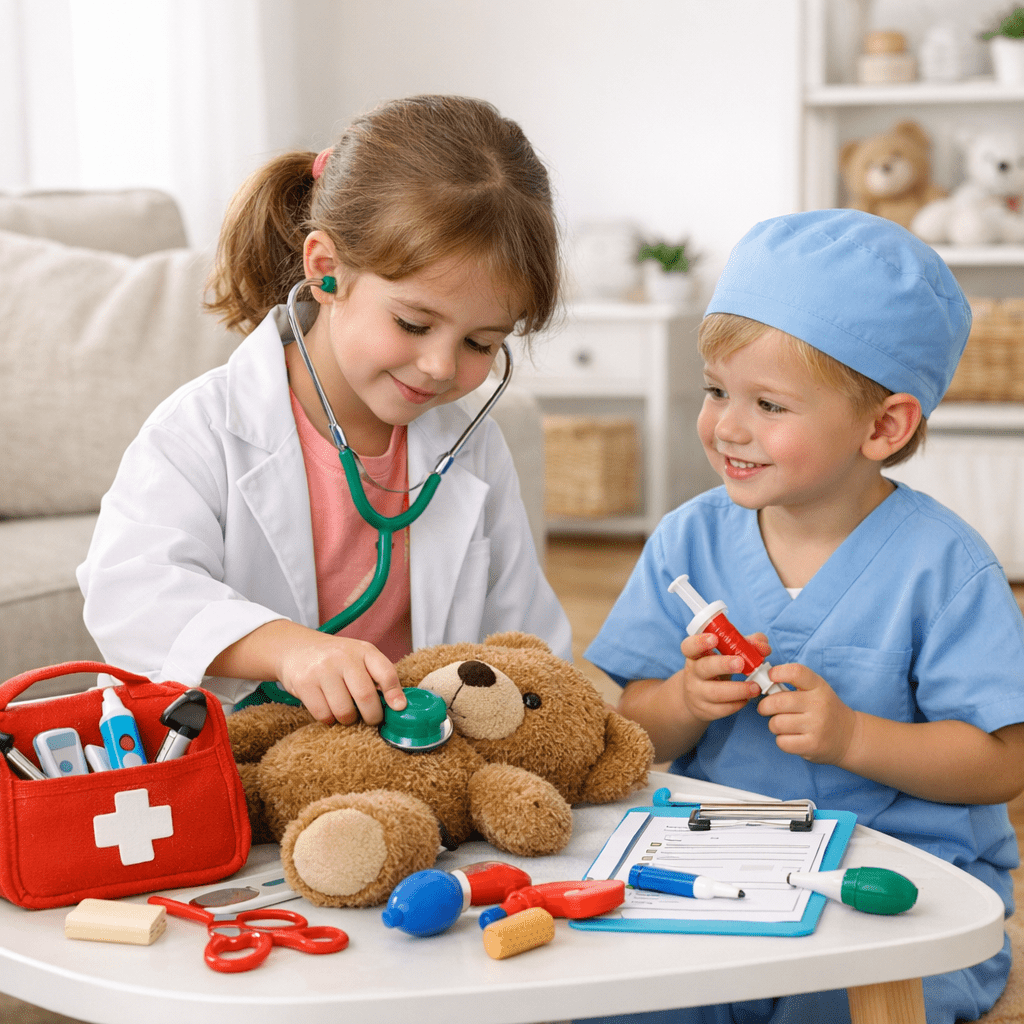
Let’s face it—kids love pretending. Whether they’re cooking up invisible feasts in toy kitchens or diagnosing their stuffed animals with imaginary ailments, role play is how children explore the world. Doctor kits are a favorite for a reason: they spark curiosity and teach empathy. But with so many options out there, picking one that’s truly educational can feel like pulling teeth (without anesthesia).
Here’s where we figure out what makes a kids doctor kit worth your money—and what doesn’t.

—
Why a Doctor Kit Is More Than Just a Toy
A good doctor kit isn’t just something you hand over to keep your child occupied for 20 minutes before dinner. It can teach real-world skills: communication, problem-solving, and even basic anatomy knowledge. Imagine your five-year-old confidently telling Grandma her “pulse feels strong” after using the toy stethoscope—that’s more than play; it’s learning through experience.
But not all kits deliver on this promise. Some are packed with flashy gadgets that break after one use or lack any real educational value. Others nail the balance between fun and learning but might miss practical durability or age-appropriate tools.
What Changed in 2026?
Doctor kits aren’t new, but manufacturers have upped their game recently by including interactive features like working lights, realistic sounds, and even mini anatomical charts for reference. On the flip side, these extras sometimes come at the cost of usability—too complicated for younger kids or loaded with parts that end up scattered under the couch within days.
—
Key Features to Look For
When choosing an educational doctor kit, focus on these practical criteria:
1. Age Appropriateness
Not every kid wants (or understands) medical jargon at age three—and handing them tools meant for older siblings can backfire fast. Younger kids benefit from larger tools with simple mechanisms (think chunky thermometers or oversized syringes). Older kids may enjoy kits with more detail: blood pressure cuffs that actually inflate or a reflex hammer that mimics the real thing.
For ages 2–4: Stick to basic items like plastic bandages and pretend stethoscopes—they’re easy to grip and hard to break.
For 5–8+: Look for kits with functional gadgets like light-up otoscopes or adjustable eyeglasses frames paired with vision charts.
—
2. Durability
Here’s something people forget: if it breaks within five minutes of opening, it doesn’t matter how “educational” it was supposed to be—it quickly becomes landfill material. Kids aren’t gentle when they’re deep in imaginative play; you need tools made of sturdy materials that can handle drops, bites (yes), and accidental baths in juice boxes.
Take note of whether parts are made from durable plastic vs flimsy thin pieces that snap under pressure—or worse—metal edges that could cut tiny fingers.
—
Los 7 mejores sets de maquillaje para niñas bajo $50 en 2024: guía práctica con
3. Interaction Level
The best doctor kits don’t just sit there looking cute—they engage kids actively in learning moments:
- Interactive tools: Lights and sounds make activities feel realistic without overwhelming younger players.
- Role play scenarios: Kits including patient cards or diagnosis sheets encourage storytelling while teaching empathy.
- Anatomy guides: Simple charts showing body parts give older children context without feeling too “school-ish.”
Worth mentioning: You don’t need all the bells and whistles if your primary goal is sparking imagination rather than detailed education.
—
4. Ease of Storage
Nobody wants little plastic scalpels lying around where bare feet find them later—not fun! Look for kits that come with storage cases or compartments to keep everything tidy when playtime ends.
Tip: Avoid sets where storage boxes double as toys unless they’re well-designed (some foldable beds fall apart faster than you’d think).
—
Comparing Popular Options in 2026
Here’s where things get interesting—let’s break down specific examples so you know what works and what doesn’t when choosing an educational role-play kit.
| Kit Name | Age Suitability | Interactive Features | Durability | Price Range (€) |
|———————————|—————–|——————————|—————–|—————-|
| My First Doctor Set | Ages 2–5 | Light-up stethoscope | High | €25–€30 |
| Deluxe Medical Learning Kit | Ages 5–8 | Charts + working BP cuff | Medium | €35–€50 |
| RealCare Junior MD Kit | Ages 7–10 | Advanced diagnostics booklet | High | €60–€75 |
Quick Takeaways:
- The My First Doctor Set is perfect for toddlers who just want something simple yet engaging.
- The Deluxe Medical Learning Kit walks the line between fun and education but falls short on durability.
- The RealCare Junior MD Kit is pricey but delivers true immersion for older kids ready to learn actual medical concepts.
—
Tradeoffs You’ll Face
Here’s an honest truth I’ve learned from testing these products myself with nieces and nephews: no kit nails every category perfectly—you’ll always compromise somewhere.
Cómo iniciar un negocio de dropshipping de juguetes desde cero: guía práctica co
Want maximum realism? Expect higher prices (and maybe smaller pieces not suited for younger kids). Need something affordable? You’ll probably sacrifice advanced features like interactive anatomy guides or working medical gadgets.
That said, if you’re stuck deciding between two decent options, prioritize durability over gimmicks—or else you’ll be replacing broken thermometers every month!
—
Real-Life Example: Why Storage Saves Sanity
Last summer I gifted my friend’s twins a mid-range doctor kit packed with over 20 pieces—but guess what? By day three half those items were already MIA because there wasn’t any storage case included! Lesson learned: spare yourself endless cleanup arguments by buying sets designed around organization from day one.
If you’re still unsure how storage impacts overall usability across different toy categories—learn more.
—
Don’t Forget About Gender Neutrality
One frustrating trend we still see in 2026 is overly gendered marketing on toys like doctor kits (“pink nurse sets” versus “blue surgeon gear”). It shouldn’t matter whether your child likes pink gloves or green scrubs—their imagination thrives best when toys cater universally rather than splitting along outdated stereotypes.
Need proof other categories struggle similarly? Check out this article.
—
Final Thoughts
Choosing the right doctor kit takes more effort than grabbing whatever looks cute on Amazon—but trust me, it pays off when your child starts giving teddy bears check-ups instead of staring blankly at screens all day.
Pick based on functionality, not fluff; focus on durability over unnecessary features; choose designs suitable for their age. And hey—don’t sweat perfection… sometimes half the fun comes from figuring things out together during playtime chaos!
Oh—and if you’re debating between gifting this versus another option entirely? Learn more.
Related Links
How to Build a Profitable Dropshipping Store for Kids Beauty & Salon Sets: Practical Playbook with Real Examples - Crown Toys
[…] How to Choose the Most Educational Kids Doctor Kit for Role Play: Practical Playbook with Real Examp… […]
3-in-1 Princess Vanity Desk vs. Doctor Pretend Play Kit: Which Sparks More Creativity for Kids?: Practical Playbook with - Crown Toys
[…] How to Choose the Most Educational Kids Doctor Kit for Role Play: Practical Playbook with Real Examp… […]