No products in the cart.
Shop all products
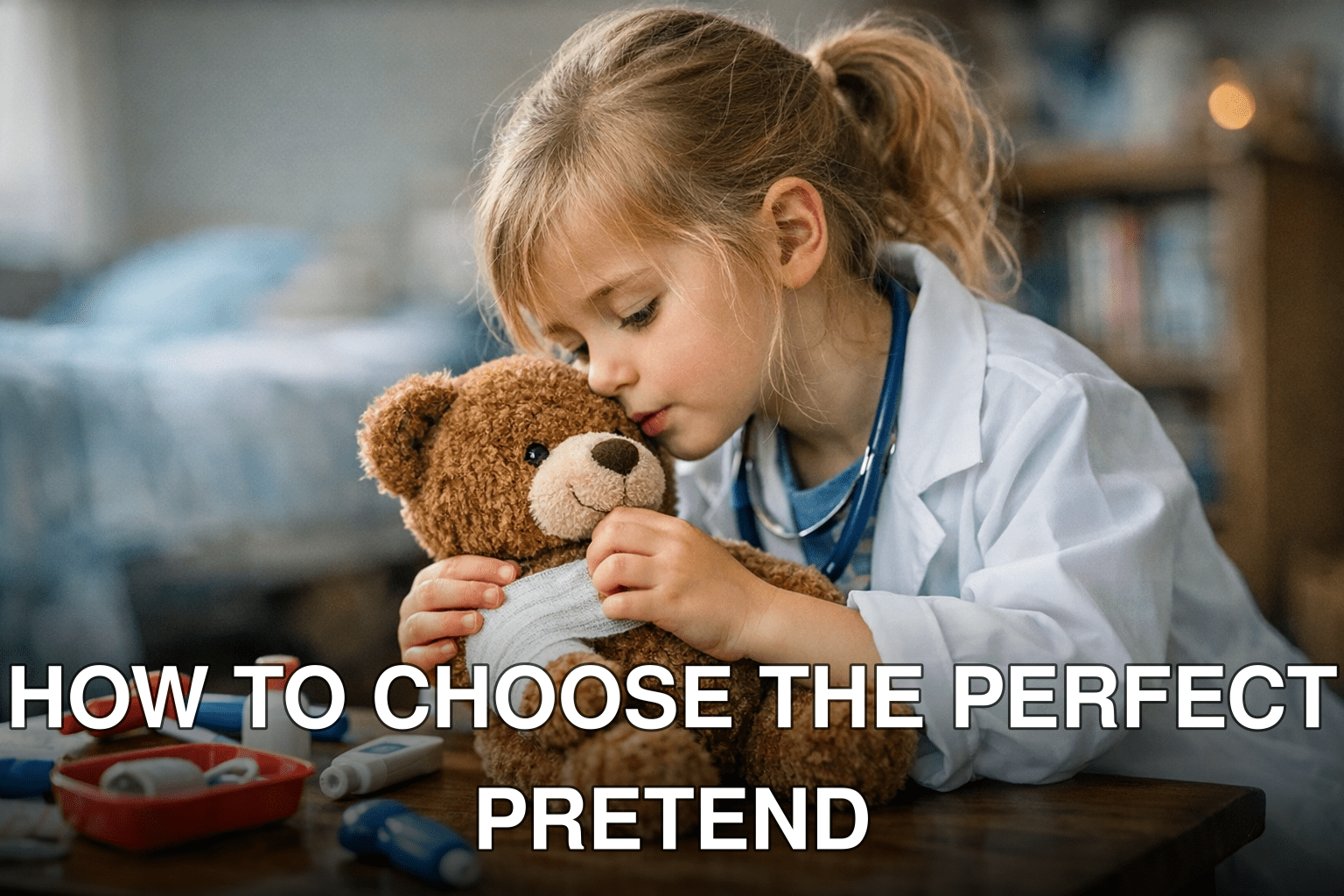
Picture this: your five-year-old is carefully bandaging their favorite stuffed animal, whispering words of comfort. It’s adorable, sure—but it’s also a glimpse into how play can shape emotional intelligence and practical skills. Pretend doctor kits aren’t just toys; they’re tools for teaching kids about empathy, problem-solving, and even teamwork.
Here’s the thing: not all kits are created equal. Some are too flimsy to last a week, others come with so many pieces you’ll be vacuuming up plastic thermometers until next Christmas. Worst of all? Many kits miss the mark entirely when it comes to actually teaching kids about caregiving or healthcare.
In this guide, we’ll cut through the clutter and help you find a pretend doctor kit that strikes the perfect balance between fun and learning. You’ll discover:
- What makes one kit more educational than another (spoiler alert: it’s not the stethoscope).
- How to pick age-appropriate options without wasting money on gimmicks.
- Real-world examples of how these kits can encourage empathy and life skills in kids.
Let’s get started—because picking the right kit now can make a big difference later.
Why Even Bother With Pretend Doctor Kits?
Before we dive into specific features, let’s address why you should care about this at all. Sure, pretend play is fun—that’s obvious—but there are deeper benefits here that most parents overlook.
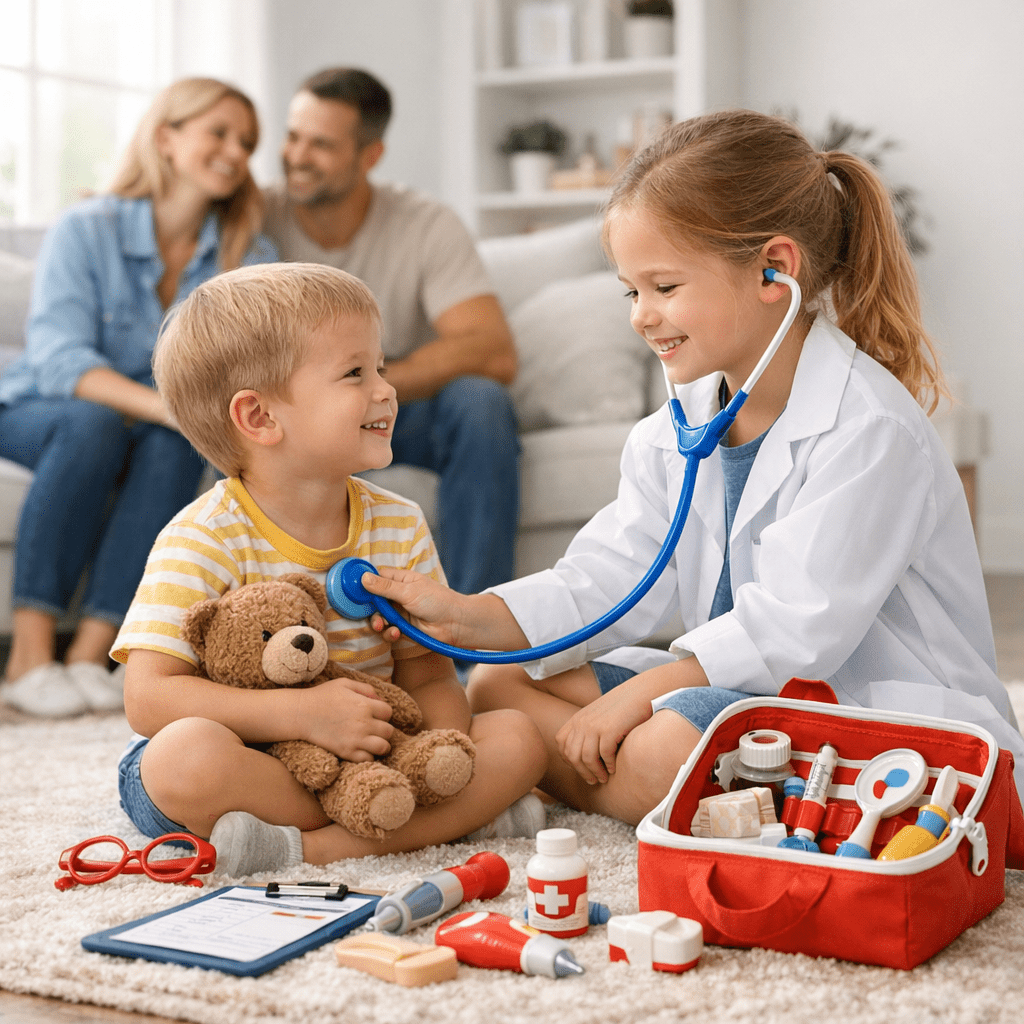
First off, empathy doesn’t grow overnight. Kids need opportunities to practice it in safe scenarios, like pretending to “take care” of someone or something else. By acting out roles as doctors or nurses, they start learning what it means to step into someone else’s shoes—even if that someone is a teddy bear with a sore paw.
On top of that, pretend doctor kits introduce basic healthcare concepts early on: what a thermometer does, where your heart is located (and why it goes “thump-thump”), and even hygiene practices like washing hands before an “operation.” These little lessons can stick for life.
Cost of inaction: Skip this chance now, and you might miss out on fostering skills that will help your child navigate relationships and responsibilities later on—whether as a friend, teammate, or future professional.
Also worth reading: Los 7 mejores sets de maquillaje para niñas
Quick Checklist: What Makes an Amazing Pretend Doctor Kit?
Not all doctor kits are worth your money—or your floor space (seriously). Here’s what separates the winners from the ones collecting dust under the couch:
- [ ] Durability: Can it survive being thrown across the room during an impromptu ER crisis?
- [ ] Realism: Does it look like actual medical tools rather than cheap plastic gadgets?
- [ ] Age Appropriateness: Too simple? It’ll bore older kids fast. Too complex? Younger children won’t know what to do with half of it.
- [ ] Interactive Features: Lights! Sounds! Role-playing cards! These extras keep kids engaged longer.
- [ ] Educational Value: Does it teach more than just “poke and prod”? Look for kits that emphasize communication, problem-solving, or basic anatomy.
Let’s break these down further so you can shop with confidence.
1. Start With Durability — Because Kids Are Rough
Here’s where most parents trip up: buying something adorable but flimsy because hey—it looks cute in pictures! Big mistake. If your kid gets frustrated because their stethoscope broke after one tug or their syringe won’t “work,” they’re less likely to stay engaged in play over time.
When I tested different sets earlier this year (2026), I noticed something surprising: metal instruments held up way better than plastic ones but didn’t add much weight or cost extra compared to high-end plastic sets. Look for stainless steel parts if possible—they’re easier to clean too! For younger kids who might put things in their mouths? Stick with BPA-free plastic options labeled non-toxic.
Key takeaway: A good pretend doctor kit should survive rough handling while staying safe for little hands—and mouths—to explore.
2. The Trick With Realism (And When It Goes Too Far)
Kids love realistic toys—it makes them feel grown-up. That said… don’t go overboard here unless you want freaked-out guests wondering why there’s an anatomically correct skeleton model on your dining table.
Things like working lights on otoscopes (those ear-checker tools) or beeping thermometers are awesome additions for realism that don’t cross into creepy territory. But avoid anything too advanced unless your kid has expressed interest—for example, some higher-end sets include pulse oximeters or IV bags meant more for preteens aiming at STEM careers than preschoolers practicing bedside manners.
A standout set I saw recently included role-play cards that described various patient symptoms (“Teddy has a fever!”) alongside treatment suggestions—a brilliant way to combine realism with learning!
Related guide: Cómo iniciar un negocio de dropshipping de
Key takeaway: Aim for realism without overwhelming complexity; bonus points if it includes props fostering storytelling and imagination alongside accuracy.
3. Age Matters More Than You Think
You wouldn’t hand car keys over to a toddler (I hope), so why give them medical gear they’re too young—or old—for?
For toddlers under three years old:
Stick with chunky shapes designed for tiny hands paired with soft edges—think large stethoscopes made entirely from smooth plastics instead of metal-tipped adult replicas which could poke eyes accidentally!
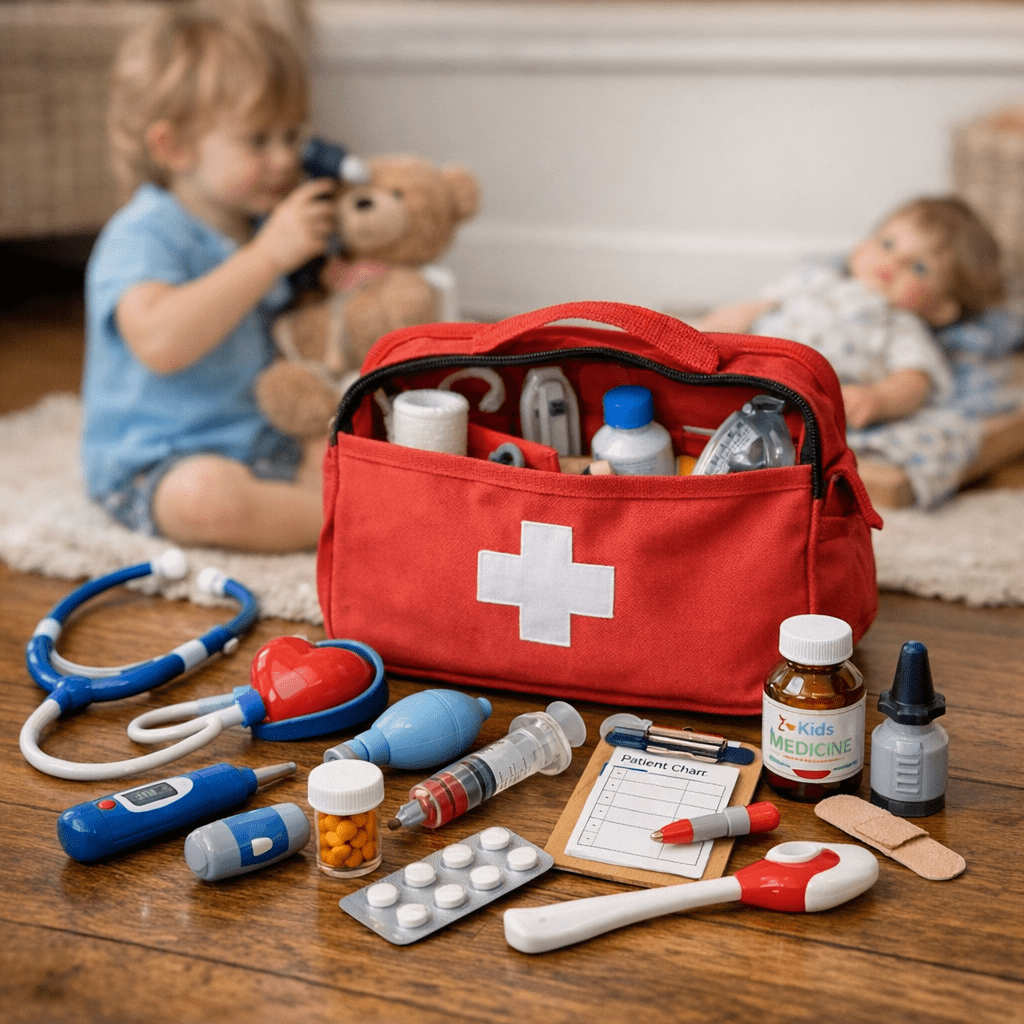
For pre-K through grade school:
Look toward mid-range kits featuring light sound effects + educational flashcards introducing basic anatomy organs beyond just hearts lungs etc