No products in the cart.
Shop all products
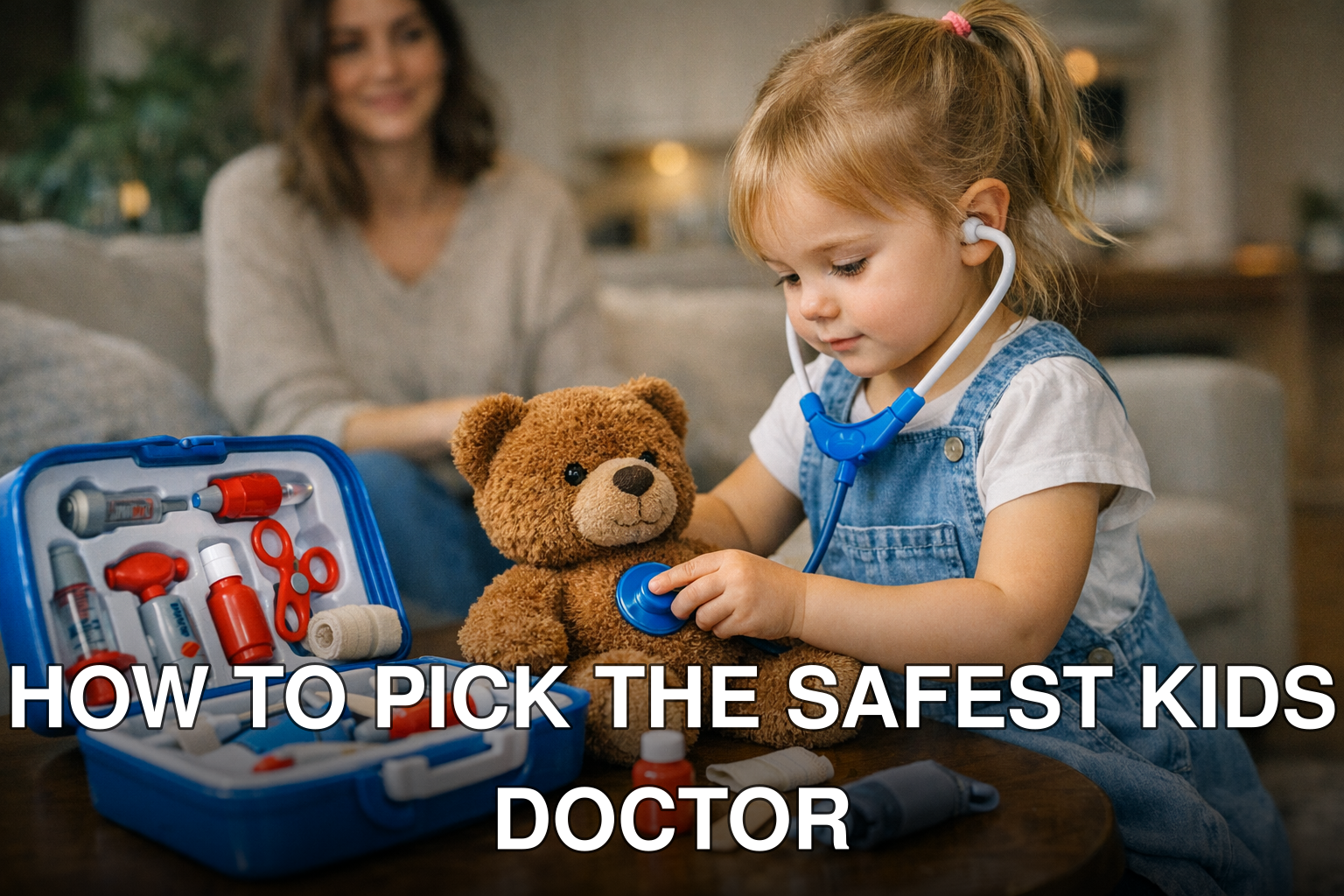
Imagine this: your curious 3-year-old just watched a cartoon where their favorite character pretended to be a doctor. Now they’re walking around the house with a plastic spoon, asking you to “say ahhh.” It’s adorable—and let’s face it—a little chaotic. You want to encourage their imagination but also channel that energy into something safe and useful. That’s where kids’ doctor kits come in.
But here’s the challenge: not all doctor kits are created equal. Some are so poorly made they could break mid-play; others come packed with tiny parts that scream choking hazard. Then there’s the question of materials—are these toys non-toxic? Durable? Do they have realistic features or just random plastic shapes? Picking the right one can feel overwhelming.
In this guide, we’ll solve that puzzle together. You’ll discover:
- What makes a kids’ doctor kit safe (and what doesn’t).
- The realistic features worth looking for—and which ones matter most for ages 2–5.
- A practical checklist to make sure you don’t overlook key details while shopping.
Let’s dive in and find the perfect balance between fun, learning, and safety.
Why Safety Comes First: The Hidden Risks of Cheap Kits
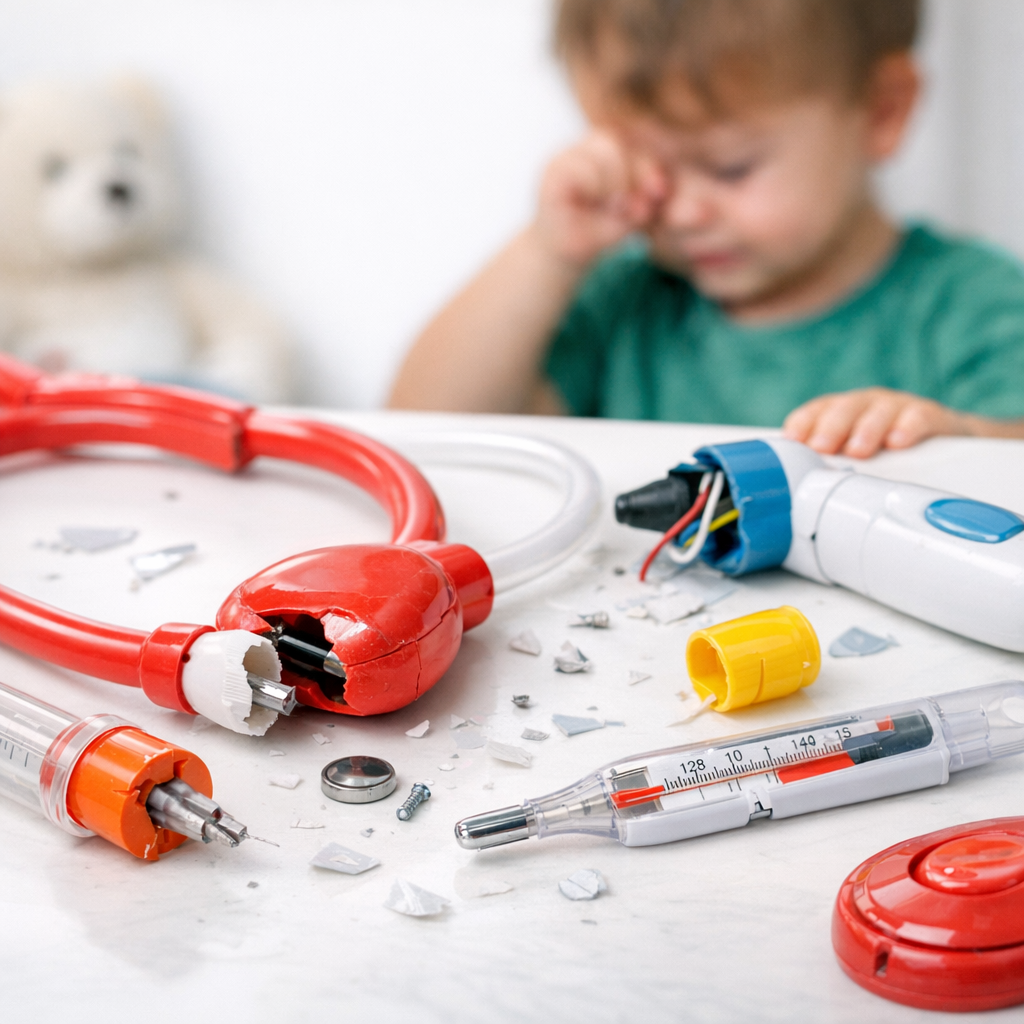
Here’s the harsh truth: some toy manufacturers cut corners to save money, especially when it comes to toddler toys like doctor kits. Cheap plastics can crack easily, small detachable parts become choking hazards, and toxic materials sneak into paints or finishes. And let me tell you from experience—nothing ruins playtime faster than finding out your child is holding something unsafe.
The Cost of Inaction: If you settle for a poorly made kit, you’re risking more than wasted money—you’re gambling with your child’s safety and health. Accidents like ingesting small parts or exposure to harmful chemicals are entirely preventable if you choose wisely now.
What Makes a Doctor Kit “Safe”?
Here are four key factors every parent should prioritize:
1. Non-Toxic Materials: Look for BPA-free plastics and non-toxic paints certified by third-party organizations like ASTM or CE standards.
2. Durable Construction: Toddler toys take a beating—opt for sturdy designs that won’t snap under pressure.
3. Age-Appropriate Pieces: Avoid kits with lots of tiny parts (anything smaller than 1¼ inches in diameter is risky for kids under 3).
4. Rounded Edges: Sharp edges on tools like tweezers or scissors? Hard no.
Key takeaway: Safety isn’t just about avoiding accidents—it’s about building trust in playtime so both you and your child can relax.
Also worth reading: Los 7 mejores sets de maquillaje para niñas
The Realism Factor: Why It Matters (and When It Doesn’t)
Let’s talk realism because not every “realistic” feature is actually helpful at this age group (2–5). Here’s why it matters—and when it doesn’t:
What Works at This Age:
Kids at this stage learn through sensory exploration and imitation, so tools with light-and-sound effects can keep them engaged longer without overwhelming them. For example:
- A stethoscope that makes heartbeat sounds gives them context (“Ah, that’s what doctors listen for!”).
- Thermometers with color-changing screens teach cause-and-effect without needing batteries constantly replaced.
But Watch Out For Overkill:
Some “realistic” features aren’t just unnecessary—they’re annoying or even dangerous! Example? I once tested a kit in 2026 where the blood-pressure cuff had rubber tubing attached—cute idea until my toddler decided it was chewy enough to gnaw on! Skip anything overly complicated or hard-to-supervise.
Common myth: More features = better learning tool.
Reality: Simple tools spark creativity; overly detailed ones often frustrate young kids who don’t yet understand how they work.
Comparing Top Features Across Kits
To make things easier, here’s how popular doctor kits stack up based on safety and realism:
| Feature | Budget Plastic Kits | Mid-Range Kits 🏆 | Premium Wooden Sets |
|—————————–|———————|——————-|———————|
| Non-Toxic Certification | ⚠️ Limited | ✅ Yes | ✅ Yes |
| Durable Construction | ❌ Breakable | ✅ Sturdy Plastic | ✅ Solid Wood |
| Light/Sound Effects | ❌ None | ✅ Moderate | ⚠️ Rarely Included |
| Risk of Small Parts | ⚠️ High | ✅ Low | ✅ Low |
| Best For | Quick Fix | Everyday Play | Eco-Friendly Homes |
🏆 Winner: Mid-range kits hit the sweet spot between affordability, durability, and engaging features without going overboard.
Checklist: How to Choose Your Child’s Doctor Kit
Before clicking “add to cart,” go through this quick checklist:
- [ ] Are all materials certified non-toxic? (e.g., BPA-free plastics)
- [ ] Is every piece large enough to avoid choking hazards? (No tiny pills!)
- [ ] Does the kit include realistic but simple tools suitable for toddlers? (Think stethoscopes over scalpels.)
- [ ] Are there any loose cords/tubes that could pose strangulation risks?
- [ ] Have other parents reviewed it as durable and safe?
If even one box isn’t checked—move along! There are better options out there waiting.
Related guide: Cómo iniciar un negocio de dropshipping de
Addressing Doubts About Price vs Quality
You might be thinking, “Isn’t spending extra on these features overkill?” Fair question! But here’s an analogy I always use—would you buy cheap car brakes because “they’ll probably work fine”? Of course not! Similarly, investing in safer toys pays off long-term by preventing injuries AND saving you from replacing broken junk repeatedly.
What Nobody Tells You About Wooden Kits
Now let me spill some tea about wooden kits—they look amazing on Instagram shelves but aren’t always practical for active toddlers who love throwing EVERYTHING across the room! Yes, they’re eco-friendly and aesthetically pleasing…but unless your kid plays gently (spoiler alert: most don’t), stick with sturdy plastic options instead.
FAQ Section
Q: What is the safest material for toddler doctor kits?
BPA-free plastic is typically safest due to its durability and resistance against cracking into sharp edges during rough play sessions.
Q: Are light-up stethoscopes really necessary?
Not necessary but definitely fun! They add an interactive element toddlers love while helping them understand what doctors do in real life.
Q: Can my 2-year-old choke on these toys?
If you’ve chosen an age-rated kit free from small detachable pieces (<1¼ inches), choking risks should be minimal—but always supervise!

Q: Do I need multiple sets if I have twins/siblings close in age?
It depends on how well they share! Some parents prefer buying two identical sets rather than refereeing squabbles mid-playtime…
Q: Where can I read similar parenting tips about role-play toys?
Check out guides like this one on beauty salon sets or this breakdown of wooden kitchen sets. They offer great insights too!
Your next step is simple—grab that checklist above, check certifications carefully online today…then enjoy watching your little one cure stuffed animals left and right tomorrow!