No products in the cart.
Shop all products
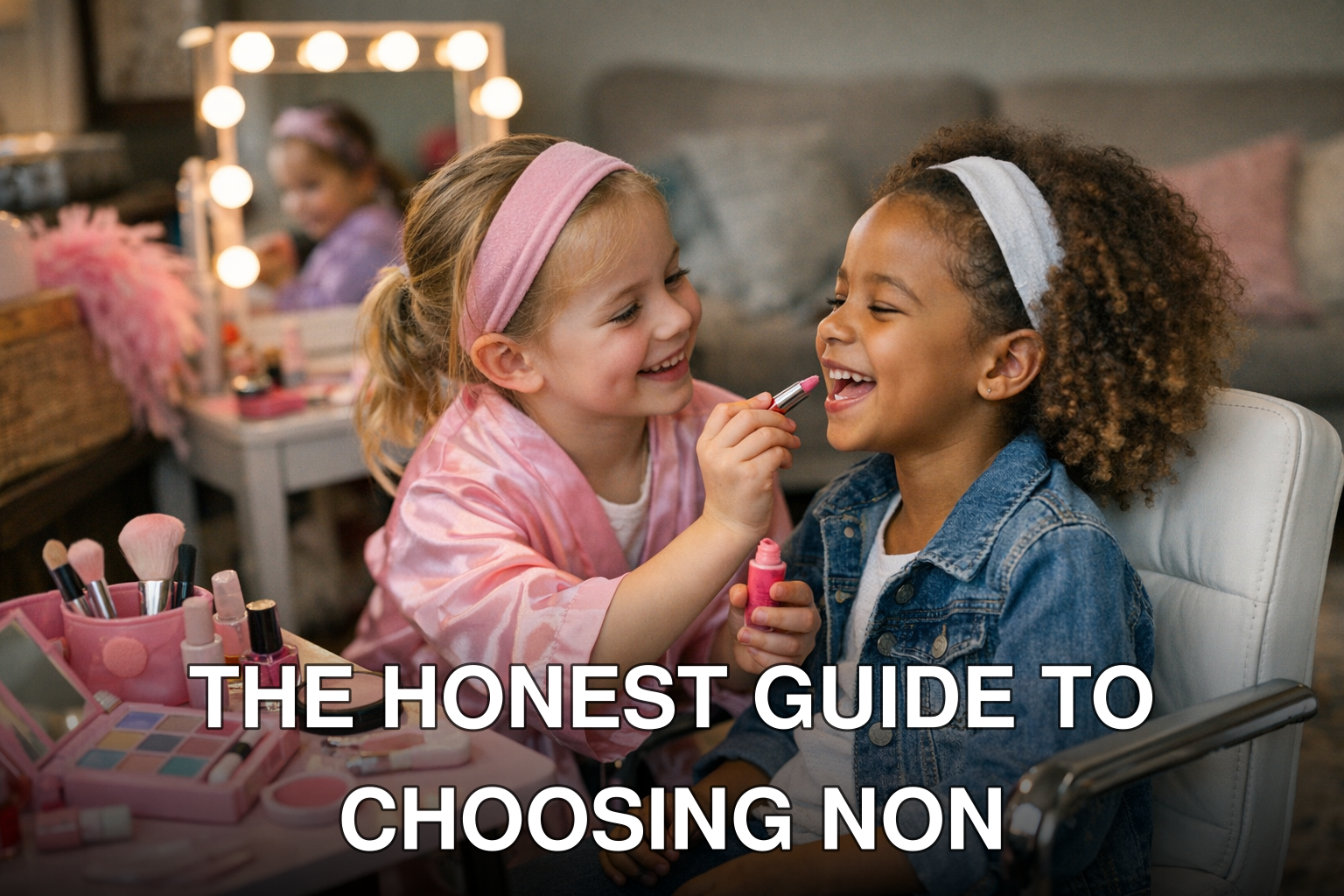
Imagine this: your child sets up their “beauty salon” in the living room, complete with chairs, mirrors, and their favorite makeup play set. They’re laughing, experimenting with colors, and calling you their next “client.” It’s adorable—until you start wondering what’s really in those brightly colored powders and glittery lipsticks they’re smearing on themselves. Sound familiar?
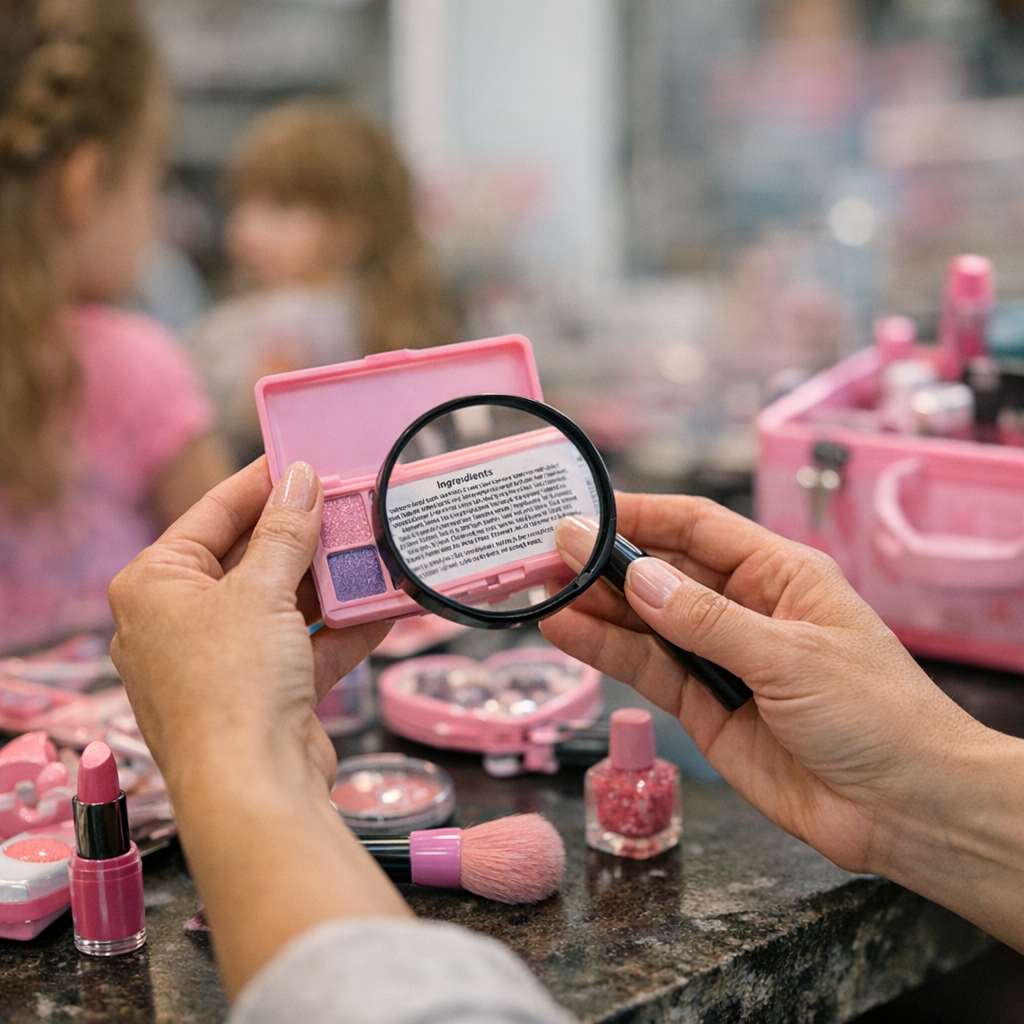
Here’s the problem: a lot of kids’ makeup play sets are full of questionable ingredients. Cheap dyes, synthetic fragrances, and even heavy metals have been found in some products marketed as “safe for kids.” And that’s not even touching how frustrating it is when these kits break after one use or leave stains everywhere.
But there’s good news—you don’t have to settle for junk. In this guide, you’ll discover:
- What makes a makeup kit truly non-toxic (and not just marketing hype).
- How to spot hidden dangers like unsafe packaging or misleading labels.
- A step-by-step checklist to choose the best options without overpaying.
Let’s dive straight into it—because your kid deserves safe and fun playtime without compromising health or your sanity.
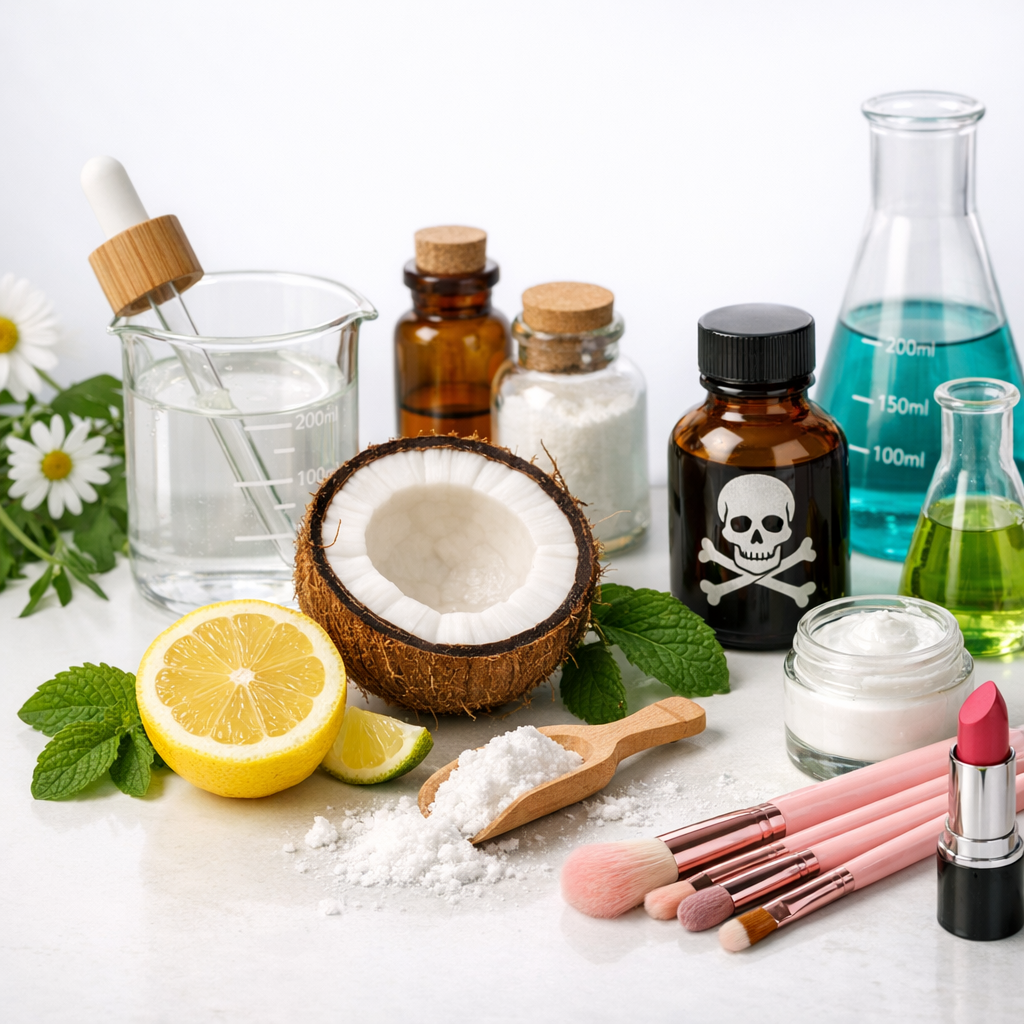
What Does “Non-Toxic” Really Mean?
Non-toxic isn’t just a buzzword; it has real implications when choosing kids’ products. For makeup play sets, it means that the ingredients won’t harm your child if ingested (within reason), absorbed through the skin, or inhaled during use. This is critical because young kids LOVE putting things in their mouths—and let’s be honest, some of that blush will end up smeared on their face after snack time anyway.
Here’s where most brands get sneaky: they claim “non-toxic” but bury harmful chemicals under vague terms like “fragrance” or “color additive.” In 2026, regulatory updates tightened rules around labeling in the U.S., but loopholes still exist. Brands can slap a “safe for kids” sticker on products packed with parabens or artificial preservatives unless parents know what to look for.
Common Myth: All Makeup Play Sets Are Non-Toxic
Reality: Many kits contain ingredients like talc contaminated with asbestos or poorly regulated colorants linked to allergies and irritation. Always check for certifications such as ASTM approval or third-party safety testing before buying.
Also worth reading: Top 10 Educational Toys for 3
Key takeaway: Non-toxic means more than just avoiding obvious toxins—it requires careful scrutiny of ingredient lists and manufacturing standards.
7 Things You MUST Check Before Buying
If you want to skip buyer’s remorse (and keep your kid safe), here’s your checklist:
- [ ] Ingredient Label Transparency: Can you easily find all components listed? Avoid anything vague like “proprietary blend.” Look for recognizable names you’d want near skin—think shea butter or mineral pigments instead of mystery compounds.
- [ ] Certification Badges: Is there proof of third-party testing? ASTM certifications are common for toys but less so for cosmetics—prioritize brands that exceed basic toy safety guidelines.
- [ ] Packaging Safety: Beware flimsy plastic cases that crack easily or sharp edges on applicators.
- [ ] Washability: Can spills be removed from clothes and furniture without permanent stains? Glitter often fails this test.
- [ ] Fragrance-Free Options: Synthetic scents might irritate sensitive skin—or worse, trigger asthma symptoms.
- [ ] Durability: Will this survive more than one pretend makeover session? Cheap brushes fall apart quickly; invest slightly more upfront for higher quality tools.
- [ ] Age Appropriateness: For toddlers (under 3 years), avoid kits with small parts posing choking hazards—even if labeled non-toxic.
When I tested three popular kits earlier this year from widely advertised brands, only one nailed all seven criteria—most failed at least two categories outright!
Key takeaway: Don’t trust flashy packaging; rely on hard product facts instead.
Why Most Guides Get This Backwards
Here’s where typical advice goes wrong—they focus too much on price tags while glossing over health risks hidden behind cheap materials. Sure, spending $10 sounds great until your kid ends up with red rashes from chemical-laden eyeshadow—or worse yet—you find out lead contamination was involved (yes, it still happens).
Instead of starting with budget concerns first, flip it around: prioritize safety certifications and proven material quality before narrowing down price ranges. A $30 kit built responsibly is far better value than three $10 ones filled with low-grade junk.
Want an example? In 2026 alone we saw multiple recalls involving bargain-brand makeup sets due to contamination issues flagged by consumer watchdogs across Europe and North America (learn more). Trust me—it pays off to spend slightly more upfront rather than dealing with health scares later.
Related guide: Los 7 mejores sets de maquillaje para niñas
The Sneaky Danger Hiding in Packaging Materials
You might think acrylic cases are harmless—they’re just containers after all—but poor-quality plastics can leach harmful chemicals over time (like BPA). Worse yet? Thin plastic boxes tend to shatter under pressure or mishandling during active play sessions—a potential hazard nobody warns parents about enough!
When evaluating packaging durability alongside toxin-free cosmetic design standards consider pre-mixed vs refillable models:
| Kit Type | Pre-Mixed | Refillable |
|—|—|—|
| Long-Term Cost Effectiveness⚠️Partial Savings Possible Longer-Term Upside🏆Highlighted Low Initial Price Avg Durability Consistency✅Well-Manufactured Drawbacks Limited Versatility Possible Higher Upfront Costs Extra replacements required