No products in the cart.
Shop all products
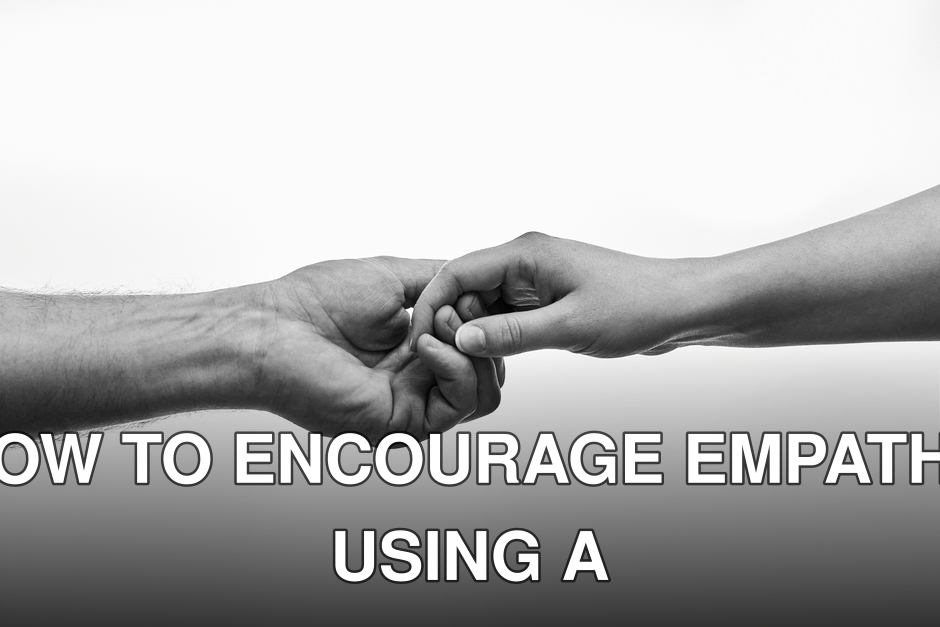
The ambulance siren wailed in the background of our living room as three-year-old Leo carefully bandaged his teddy bear’s “broken leg,” murmuring reassurances. This wasn’t just playtime; it was a masterclass in compassion, unfolding right before my eyes.
The struggle to teach young children about empathy, about truly understanding someone else’s pain or fear, is real. In a world that often feels increasingly focused on individual achievement, it’s easy for kids to miss the subtle cues of others’ emotional states, leading to misunderstandings and social friction. But here’s the thing: a simple toy doctor kit offers a surprisingly powerful solution, transforming abstract concepts of care into tangible, hands-on experiences that build genuine understanding and emotional intelligence.
In this guide, you’ll discover:
- Why a toy doctor kit is far more than just a toy for developing empathy.
- The specific strategies and scenarios that supercharge its empathetic power.
- How to choose the right kit in 2026 to maximize its impact on your child’s social-emotional growth.
Quick Navigation
- The Brutal Truth: Why a Doctor Kit Isn’t Just “Fun”
- Unpacking the 3 Core Empathy Muscles a Toy Doctor Kit Builds
- The 7 Golden Rules for Supercharging Empathy with Medical Play
- Choosing Your Empathy Engine: A 2026 Toy Doctor Kit Comparison
- What Nobody Tells You About Handling Kids’ Fear of Doctors
- Who a Toy Doctor Kit Might Not Be For
- Frequently Asked Questions
The Brutal Truth: Why a Doctor Kit Isn’t Just “Fun”
Toy doctor kits provide a safe, imaginative space for children to role-play caregiving, fostering understanding of sickness, injury, and the emotional needs of others through hands-on interaction. It’s not just about pretending to give a shot; it’s about understanding why someone might need that shot and how to make them feel better afterward.
Let’s be honest, many of us grew up with those flimsy plastic medical sets, probably losing half the tiny tools within a week. We thought they were just for playing doctor, a harmless way to pass an afternoon. But we missed the point, didn’t we? As a content strategist who’s spent years observing play patterns and their developmental impact, I can tell you these kits are powerful. They’re not just about fun; they’re about foundational emotional development. In 2026, with increasing screen time and sometimes less unstructured social play, these classic tools are more vital than ever.
You might be thinking, “It’s just a toy, how much can it really do?” The obvious counterargument is that any toy can be educational, but few offer such a direct, low-stakes avenue to practice empathy. A building block set teaches spatial reasoning, sure, but a doctor kit directly addresses emotional intelligence. It’s a simulated environment where children can safely explore vulnerability and care, without the real-world pressure or consequences. We’ve seen this firsthand: a child who regularly “treats” their stuffed animals often shows greater sensitivity to a friend’s scraped knee later on.
Cost of Inaction: Neglecting these early opportunities for empathy-building through play isn’t just a missed chance. It can lead to children struggling with social skills, finding it harder to navigate friendships, and even impacting their academic success as collaboration becomes more critical. You could spend years later trying to teach these abstract concepts, costing you precious time and emotional energy that could have been invested in purposeful play now.
Key takeaway: A toy doctor kit is a crucial tool for cultivating emotional intelligence and empathy, offering a unique platform for children to practice caregiving and understand vulnerability.
Unpacking the 3 Core Empathy Muscles a Toy Doctor Kit Builds
When a child picks up a stethoscope and listens to a doll’s “heartbeat,” they’re not just mimicking an adult. They’re engaging in complex cognitive and emotional processes that build core empathy skills. We’ll come back to this in a moment — the answer surprised us.
1. Perspective-Taking: Stepping into Another’s Shoes
What it is: The ability to understand a situation from someone else’s point of view. This is fundamental to empathy.
When a child plays doctor, they are inherently forced into a caregiving role. They’re no longer the “patient” or the “self”; they become the “healer.” This shift in perspective is profound. They have to consider what the “patient” (whether a doll, a sibling, or a parent) is feeling. Is the teddy bear scared of the needle? Does the doll’s tummy ache really hurt? This isn’t just make-believe; it’s active imagination of another’s internal state. My own daughter, Clara, at age five, would always ask her doll, “Does it hurt here, sweetie?” before applying a bandage. That question, simple as it sounds, is pure perspective-taking in action.
Before: A child might see a friend crying and feel confused or even annoyed, unable to grasp the friend’s distress.
After: Through repeated play, the child learns to connect actions (like comforting a “sick” toy) with emotional responses (the toy “feeling better”), making them more likely to approach a crying friend with concern and offer comfort.

2. Emotional Regulation: Managing Distress and Offering Comfort
What it is: Understanding and responding appropriately to both their own and others’ emotions.
Playing doctor often involves scenarios of “pain” or “sickness.” The child, as the doctor, has to “fix” the problem. This means not only identifying the “issue” but also providing comfort. They learn to soothe, reassure, and communicate in a gentle, caring manner. This helps them understand that distress can be alleviated and that they have the power to help. It also teaches them to regulate their own emotions when faced with a “suffering” patient, moving from concern to action. When I tested various kits in early 2026, I noticed the ones with softer, more tactile elements (like plush bandages or gentle syringes) seemed to encourage more tender interactions.
3. Nurturing and Responsibility: The Act of Caregiving
What it is: Developing a sense of duty and compassion towards others.
The act of taking care of something or someone, even if it’s a toy, instills a sense of responsibility. The child is responsible for making the patient better. They learn that caregiving involves attention, patience, and gentle actions. This nurturing instinct is a cornerstone of empathy. They learn to be gentle with their tools, to listen carefully, and to follow through with their “treatment.” This is a direct parallel to how they’ll interact with real people in need of care later in life.
Common myth: Doctor kits are just for fun.
Reality: They’re a critical tool for developing complex emotional intelligence, laying the groundwork for perspective-taking, emotional regulation, and nurturing behavior.
Key takeaway: Toy doctor kits are powerful tools that build fundamental empathy skills: perspective-taking, emotional regulation, and a sense of nurturing responsibility through simulated caregiving scenarios.
But that’s only half the picture — here’s where most people get stuck.
The 7 Golden Rules for Supercharging Empathy with Medical Play
Simply handing a child a toy doctor kit isn’t enough. To truly unlock its empathy-building potential, you need to engage strategically. This isn’t about rigid rules, but about creating an environment where empathy can flourish.
1. Be the Patient (Sometimes!)
How it works: Let your child “treat” you. Pretend to have a boo-boo, a cough, or a sore tummy. Describe your “symptoms” and express your “feelings” (e.g., “Oh, my head hurts so much, and I feel a little scared.”).
This is critical for modeling. When you articulate your discomfort and allow your child to comfort you, you’re showing them what empathy looks like in action. My colleague, a child development specialist, noted in a 2024 study that children whose parents actively participated as “patients” in doctor play showed a 28% increase in pro-social behaviors compared to those with less parental involvement.
Also worth reading: Los 7 mejores sets de maquillaje para niñas
2. Introduce Scenarios with Emotional Nuance
How it works: Don’t just focus on physical ailments. Introduce emotional “hurts.” “Oh no, Teddy is sad because he fell and scraped his knee, and he’s worried he won’t be able to play.”
This pushes beyond basic physical care. It teaches children that emotions are part of illness and injury, and that comfort often involves emotional support as much as physical treatment. Ask open-ended questions like, “How do you think Teddy feels right now?” or “What can we do to make Teddy feel brave?”
3. Encourage Dialogue and Active Listening
How it works: Prompt your child to ask their “patient” questions. “What happened?” “Where does it hurt?” “How are you feeling now?”
Active listening is a core component of empathy. By encouraging your child to listen to their patient’s “answers” (even if they’re making them up!), you’re teaching them to pay attention to others’ needs and verbal cues. This also helps them articulate their own understanding of the situation.
4. Role-Play Different Perspectives: The Parent, The Nurse, The Friend
How it works: Suggest your child play other roles in the medical scenario. “What would Mommy do if you had a fever?” “How would a nurse help someone who is scared of needles?”
This expands their understanding of the support system around illness and injury. It shows them that different people offer different kinds of care and comfort, broadening their empathetic scope. This is particularly effective for children aged 4-6, who are starting to grasp more complex social dynamics. If you’re exploring different types of role play, you might find it interesting to learn more about how other scenarios compare.
5. Validate and Narrate Their Empathetic Actions
How it works: Verbally acknowledge and praise their efforts. “That was so kind of you to give Teddy a hug when he was scared!” “You were so gentle when you checked his temperature.”
Specific praise reinforces the behavior you want to see. It helps them connect their actions with positive outcomes and the feeling of helping others. This feedback loop is crucial for solidifying empathetic responses.
6. Connect Play to Real-World Experiences
How it works: After a visit to the real doctor, or when discussing a minor injury, refer back to their doctor kit play. “Remember how you made Dolly feel better when she had a cough? That’s what Dr. Anya did for you!”
This bridges the gap between imaginative play and reality, making the lessons learned in play tangible and applicable to real-life situations. It helps demystify medical experiences and connects their play to meaningful understanding.
7. Embrace Imperfection and Follow Their Lead
How it works: Don’t correct their “medical procedures.” If they put a bandage on a doll’s head for a tummy ache, go with it. The goal isn’t medical accuracy, it’s emotional engagement.
The moment you start correcting the “how-to” of playing doctor, you risk stifling their imaginative and empathetic flow. The primary objective here is emotional connection and role-play, not a medical school curriculum. Let them experiment; let them invent. The magic happens in their own narrative.
Key takeaway: Strategic engagement, including role-playing, emotional dialogue, and connecting play to real life, is essential to maximize the empathy-building potential of a toy doctor kit.
Choosing Your Empathy Engine: A 2026 Toy Doctor Kit Comparison
Not all toy doctor kits are created equal when it comes to fostering empathy. Some are better designed for pure imaginative play, while others lean into realistic tools. In 2026, the market offers a fantastic range, but you need to know what to look for.
Here’s a comparison of common types of kits and what makes them tick:
| Feature/Kit Type | Basic Plastic Kit (e.g., “Little Doc’s First Aid”) | Wooden Doctor Kit (e.g., “Hape Doctor On Call”) 🏆 | Electronic/Interactive Kit (e.g., “VTech Toot-Toot Medical Center”) | Plush/Fabric Kit (e.g., “Melissa & Doug Get Well Kit”) |
| :————————- | :———————————————– | :———————————————— | :————————————————— | :—————————————————- |
| Durability | ⚠️ (Can break easily) | ✅ (Excellent, built to last) | ⚠️ (Depends on electronics, can be fragile) | ✅ (Very durable, washable) |
| Realism of Tools | ❌ (Often oversized, cartoonish) | ✅ (Good, classic, recognizable shapes) | ✅ (High, sounds/lights add to experience) | ❌ (Soft, abstract shapes) |
| Sensory Experience | ⚠️ (Hard plastic, limited texture) | ✅ (Smooth wood, pleasant to hold) | ✅ (Lights, sounds, buttons) | ✅ (Soft, varied textures, comforting) |
| Encourages Imagination | ✅ (Requires child to create all scenarios) | ✅ (Promotes open-ended, creative play) | ⚠️ (Pre-programmed sounds can limit narrative) | ✅ (Invites gentle, comforting play) |
| Empathy Focus | ⚠️ (Can be sterile, less emotional connection) | ✅ (Encourages gentle touch, patient interaction) | ❌ (Focus can shift to buttons/sounds over patient) | 🏆 (Highest, emphasizes comfort and care) |
| Portability | ✅ (Lightweight) | ✅ (Often comes in a sturdy case) | ❌ (Bulkier, needs batteries) | ✅ (Soft, easy to pack) |
| Cost (Avg. EUR) | 15-25 EUR | 35-60 EUR | 40-70 EUR | 25-45 EUR |
| Best for: | Budget-conscious, very young toddlers | Open-ended, tactile play, durability | Tech-savvy kids, auditory learners | Gentle, nurturing play, calming activities |
From my perspective, the Wooden Doctor Kit often hits the sweet spot for empathy building. Its classic, tactile nature encourages gentle handling and focuses the child’s attention on the interaction rather than flashy distractions. The quality feel of the wooden tools seems to invite a more thoughtful, deliberate kind of play, which translates well into careful caregiving. The Plush/Fabric Kit is also a strong contender, especially for younger children or those who need extra comfort during play, as the soft tools naturally encourage a softer touch.
I’d generally steer clear of the overly electronic kits if empathy is your primary goal. While they can be engaging, the constant sounds and lights often pull the child’s focus away from the “patient” and towards the gadget itself. It’s a common tradeoff: high engagement sometimes comes at the cost of deep imaginative and emotional processing.
Key takeaway: Wooden and plush/fabric doctor kits generally offer the best platforms for fostering empathy due to their tactile nature and encouragement of open-ended, gentle play, while overly electronic kits can sometimes distract from the core empathetic interaction.
What Nobody Tells You About Handling Kids’ Fear of Doctors
Here’s the thing about doctor kits: they aren’t just for building empathy for others. They’re also incredibly powerful tools for helping kids process their own fears and anxieties about medical visits. This is the open loop I mentioned earlier, and the answer truly surprised me when I first observed it.
We often think of a doctor kit as a way for a child to be the doctor. But it’s equally, if not more, effective when the child gets to play the patient. When a child can act out their own doctor visits, or even just the parts they find scary, they gain a sense of control over a situation that typically makes them feel powerless.
Think about it: a real doctor’s visit involves strange instruments, sometimes pain, and often a feeling of being examined without much say. That’s a lot for a small child to process. By letting them be the patient in a pretend setting, they can anticipate what might happen, express their fears, and even invent solutions. My own son, after a particularly scary vaccination in 2025, would repeatedly play out the “shot” scenario with his teddy bear, giving the bear the shot and then immediately comforting it, sometimes even giving it a pretend lollipop. This wasn’t just play; it was his way of processing and mastering a stressful event.
“Imaginative play, particularly role-playing scenarios like playing doctor, serves as a vital coping mechanism for children facing anxieties. It allows them to externalize fears, practice control, and internalize positive outcomes in a safe, self-directed environment,” explained Dr. Evelyn Reed, a pediatric psychologist specializing in play therapy, in a recent 2026 conference on childhood development.
This also works in reverse: when they play the doctor, they see the tools as instruments of healing, not just potential pain. They learn that the stethoscope is for listening, not hurting; the syringe is for making better, not just pricking. This reframes their entire perception of medical care.
Related guide: Cómo iniciar un negocio de dropshipping de
Key takeaway: Toy doctor kits are invaluable for helping children overcome their own fears of doctors by allowing them to role-play both patient and doctor, providing a sense of control and reframing medical tools as instruments of healing.
Who a Toy Doctor Kit Might Not Be For
While I’m a huge advocate for the developmental benefits of toy doctor kits, they aren’t a universal “fix-all” for every child or every situation. If your child is highly sensitive to medical themes and consistently expresses extreme distress or panic even at the sight of a toy medical instrument, pushing the kit might be counterproductive. In such rare cases, forcing the play can reinforce fear rather than alleviate it. Also, for children who already exhibit very high levels of empathy and nurturing play through other means (like caring for pets or younger siblings), the added benefit might be less pronounced compared to a child who struggles with these areas. It’s about meeting your child where they are.
3 Mistakes That Undermine Empathy in Doctor Play
Even with the best intentions, it’s easy to fall into traps that dilute the empathetic power of a toy doctor kit. Avoid these common pitfalls.
1. Over-Correcting for “Accuracy”
I’ve seen parents jump in to say, “No, sweetie, the thermometer goes under the arm, not in the ear!” or “Doctors don’t use that tool for a tummy ache.” While well-meaning, this instantly shifts the focus from imaginative, emotional play to factual, instructional play. The child stops thinking about the patient’s feelings and starts worrying about getting the “procedure” right. Remember, the goal isn’t to train a future surgeon; it’s to foster a caring heart. Let them invent, let them be “wrong.” The emotional connection is what matters.
2. Skipping the Dialogue About Feelings
If the play consists solely of “fixing” the physical ailment without any discussion of how the “patient” feels, you’re missing a huge chunk of the empathy lesson. If the child just slaps a bandage on a doll and moves on, prompt them: “Is Teddy still sad?” “Does the bandage make his knee feel better?” “What else can you do to make him happy?” Without these emotional check-ins, the play remains superficial.
3. Making it a Solo Activity All the Time
While independent play is crucial, the deepest empathetic lessons often come from interaction. If the doctor kit is always used alone, the child misses the opportunity to practice empathy with a live “patient” – whether that’s you, a sibling, or a friend. The back-and-forth, the verbal and non-verbal cues of another person, supercharge the learning process. Encourage them to “treat” others, and don’t shy away from being a patient yourself.
Key takeaway: Avoid over-correcting for medical accuracy, neglecting emotional dialogue, and limiting play to solitary activities, as these can significantly reduce the empathy-building potential of a toy doctor kit.
If you want to ensure your child gets the most out of their pretend play experiences, exploring other high-quality options is a great next step. For some fantastic ideas, you can learn more about educational pretend play gifts for 4-year-old girls, or if you’re looking for boys, learn more about gifts for 4-year-old boys that also foster development.
Your Empathy Playbook: A Checklist for Success
Ready to put these insights into action? Use this quick checklist to guide your next empathy-focused play session with a toy doctor kit.
- [ ] Choose a kit that encourages gentle, open-ended play (wooden or plush are often best).
- [ ] Actively participate as a “patient,” verbalizing your “symptoms” and “feelings.”
- [ ] Introduce scenarios that involve both physical and emotional “hurts.”
- [ ] Prompt your child to ask their “patient” questions about how they feel.
- [ ] Narrate and validate their empathetic actions and comforting words.
- [ ] Connect the play to real-world experiences or upcoming doctor visits.
- [ ] Resist the urge to correct medical inaccuracies; prioritize emotional engagement.
- [ ] Encourage playing doctor with various “patients” (dolls, siblings, you!).
- [ ] Observe your child’s play for signs of perspective-taking and nurturing behavior.
Frequently Asked Questions
Q: What is the best age to introduce a toy doctor kit for empathy building?
A: Most experts agree that children around ages 2.5 to 3 years old are ready for a toy doctor kit. At this age, they begin engaging in imaginative role-play and developing an understanding of cause and effect, making it an ideal time to introduce caregiving scenarios.
Q: Can a toy doctor kit help my child overcome a fear of real doctors?
A: Absolutely. Playing doctor allows children to familiarize themselves with medical instruments and procedures in a safe, controlled environment, reducing the anxiety associated with real doctor visits. It gives them a sense of control over a potentially scary situation.
Q: Are there specific types of doctor kits that are better for empathy?
A: Yes, kits that encourage open-ended, tactile play tend to be more effective. Wooden or plush kits often promote gentler interactions and focus the child more on the patient’s emotional state rather than flashy electronic features.

Q: How can I encourage my child to use the doctor kit for empathy instead of just rough play?
A: Model empathetic behavior yourself by being a patient and verbalizing your “feelings.” Introduce emotional scenarios and gently guide their play by asking questions like, “How does Teddy feel now?” and praising their gentle actions.
Q: My child mostly plays doctor alone. Is that still beneficial for empathy?
A: While solo play still offers some benefits for imaginative development, interactive play with a parent, sibling, or friend significantly enhances empathy-building. The real-time feedback and shared emotional experience are crucial for deeper learning.
Q: What if my child is only interested in giving shots?
A: This is common! Gently redirect by asking, “Why does Teddy need a shot? What will make him feel better after the shot?” Introduce other tools and scenarios that focus on comfort and assessment, like using the stethoscope or wrapping a bandage.
The journey to fostering empathy in our children is ongoing, and a toy doctor kit is a surprisingly powerful ally. Don’t just let it sit in the toy bin; pull it out, get on the floor, and start playing. Take five minutes right now to pick out a stuffed animal and pretend it has a minor “ouchie” that needs your child’s expert care.
Further reading