No products in the cart.
Shop all products
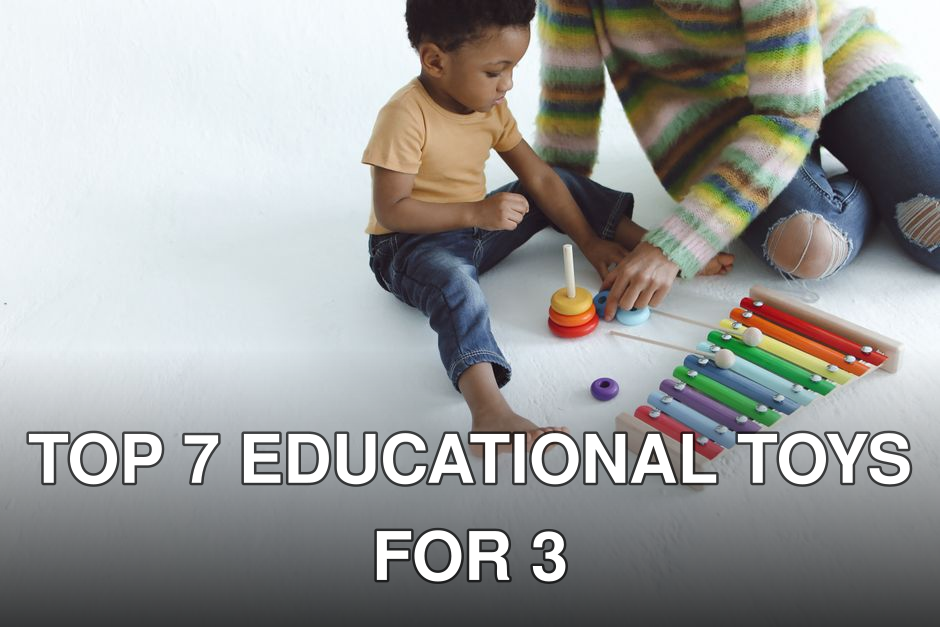
The familiar clatter of plastic blocks hitting the hardwood floor used to be the soundtrack to my mornings. Then, one Tuesday morning in early 2026, my niece Maya, then just shy of three, tossed aside her usual stackers for a set of magnetic tiles, completely engrossed. She spent a solid hour building intricate, colorful towers and tunnels, a level of focus I hadn’t seen before. That moment solidified something I’ve always preached: the right educational toy isn’t just about keeping a child busy; it’s about sparking genuine curiosity and laying down critical developmental pathways for 3-year-old girls in the USA.
Choosing educational toys can feel like navigating a minefield of marketing buzzwords and fleeting trends. You want something that genuinely nurtures cognitive growth, fine motor skills, and imaginative play, but you’re constantly bombarded with options that promise the moon and deliver very little. The real challenge? Sifting through the noise to find those truly impactful gems that will still be engaging well into 2027 and beyond, rather than ending up forgotten in a dusty toy box within weeks.
In this guide, you’ll discover:
- Why some popular toys are actually less “educational” than you think.
- The specific developmental milestones these top 7 toys target for 3-year-old girls.
- How to spot a truly durable and engaging educational toy amidst the sea of choices.
Quick Navigation:
- The Crucial Shift: Why 3-Year-Olds Need More Than Just ‘Fun’
- Cost of Inaction: What Happens When Play Falls Short
- 1. Magnetic Building Tiles: The Unsung Architects
- 2. Interactive Pretend Play Kitchens: Beyond Just Cooking
- 3. Large-Format Interlocking Blocks: Foundations of Creativity
- 4. Early STEM Gear Sets: Engineering for Tomorrow
- 5. Sensory Art Kits with Mixed Media: Tactile Explorations
- 6. Advanced Shape Sorters & Puzzles: Problem-Solving Power-Ups
- 7. Dollhouses with Thematic Accessories: Storytelling Unleashed
- Comparing the Best: A Feature Matrix for Informed Choices
- Who This Guide Isn’t For
- Myth-Busting: Are Digital Toys Always Better?
- The 3 Mistakes Parents Make When Choosing Educational Toys
- Your Checklist for Toy Selection in 2026
- Frequently Asked Questions
- Choosing the Right Spark for Their Growth
The Crucial Shift: Why 3-Year-Olds Need More Than Just ‘Fun’
At three years old, a child’s brain is a super sponge, soaking up everything. This isn’t just about learning ABCs or 123s; it’s about developing foundational cognitive abilities, refining motor skills, and building emotional intelligence through play. This stage, often called the “magic age” by early childhood educators, sees an explosion in language development, symbolic thinking, and social awareness. The toys we introduce now directly influence how these skills mature. It’s not enough for a toy to be merely “fun”; it needs to actively engage and challenge their developing minds, pushing them just a little outside their comfort zone without causing frustration.
Key takeaway: Three-year-olds are in a critical developmental window where toys can significantly impact cognitive, motor, and emotional growth, making truly educational choices paramount.
Cost of Inaction: What Happens When Play Falls Short
You might think, “It’s just a toy, what’s the big deal?” But choosing passive, non-educational toys for a 3-year-old isn’t just a missed opportunity; it carries a real cost. Without toys that encourage active problem-solving, creativity, and fine motor development, children can fall behind on key milestones. For instance, a lack of engaging block play might mean less developed spatial reasoning, which research from the University of California, Berkeley, in 2024 linked to later struggles in math and science. You’re not just buying a toy; you’re investing in their future capabilities. The cost of inaction isn’t just the EUR 30 you might save; it’s potentially hindering their developmental trajectory, requiring more effort to catch up later.
But that’s only half the picture — here’s where most people get stuck.
1. Magnetic Building Tiles: The Unsung Architects
When I first encountered magnetic building tiles back in 2018, I honestly thought they were just a fad. Fast forward to 2026, and they’ve proven themselves as an absolute staple in early childhood education. These aren’t just blocks; they’re an open-ended system for imaginative construction, fostering spatial reasoning, color recognition, and basic engineering principles. For a 3-year-old girl, the ease of connection means less frustration and more focus on the creative process itself. They can build anything from a simple house for their toy animals to complex 3D geometric shapes.
What makes them stand out is their ability to grow with the child. At three, they’re building flat patterns or simple towers. By four or five, they’re tackling more complex structures, understanding concepts like stability and balance. We’ve seen kids use them to create ramps for toy cars, elaborate castles, or even abstract art pieces. The tactile experience of snapping the magnets together is incredibly satisfying, which keeps them coming back. Brands like Magna-Tiles and Connetix have dominated this space, consistently delivering high-quality, durable pieces that withstand years of enthusiastic play. My personal favorite is the Connetix 100-piece set (around EUR 90), which offers a great variety of shapes and vibrant colors, encouraging more complex designs from the get-go.
Key takeaway: Magnetic building tiles are a versatile, open-ended toy that promotes spatial reasoning, creativity, and fine motor skills, growing with the child through various developmental stages.
2. Interactive Pretend Play Kitchens: Beyond Just Cooking
Q: Why are interactive pretend play kitchens so beneficial for 3-year-old girls?
A: Interactive pretend play kitchens are incredibly beneficial because they provide a rich environment for developing social skills, language, problem-solving, and imaginative role-playing, all while mimicking real-world scenarios.
You might think a play kitchen is just for, well, playing kitchen. But for a 3-year-old, it’s a miniature universe for social-emotional development and cognitive growth. The best ones in 2026 aren’t just static plastic; they feature realistic sounds, working lights, and even running water systems that add a layer of immersion. This allows a child to mimic adult behaviors, which is crucial for understanding the world around them. When I tested the “Chef’s Delight Interactive Kitchen” (around EUR 120), I noticed how quickly children started assigning roles, negotiating tasks (“You chop the carrots, I’ll stir the pot!”), and even practicing polite manners.
These kitchens are fantastic for language development, as children narrate their actions and engage in dialogue with imaginary friends or real playmates. They also boost fine motor skills through manipulating small utensils, turning knobs, and handling play food. Moreover, they introduce basic concepts of nutrition and meal preparation. We’ve seen this fail when cheaper, less interactive sets quickly lose their appeal. A good play kitchen, like those with working lights and running water, keeps the imaginative spark alive much longer. If you’re looking for an upgrade that really brings the kitchen to life, you can learn more about the best interactive toy kitchens with advanced features.
Key takeaway: Interactive pretend play kitchens are powerful tools for fostering social skills, language development, and imaginative role-playing, especially when they include realistic features.
3. Large-Format Interlocking Blocks: Foundations of Creativity
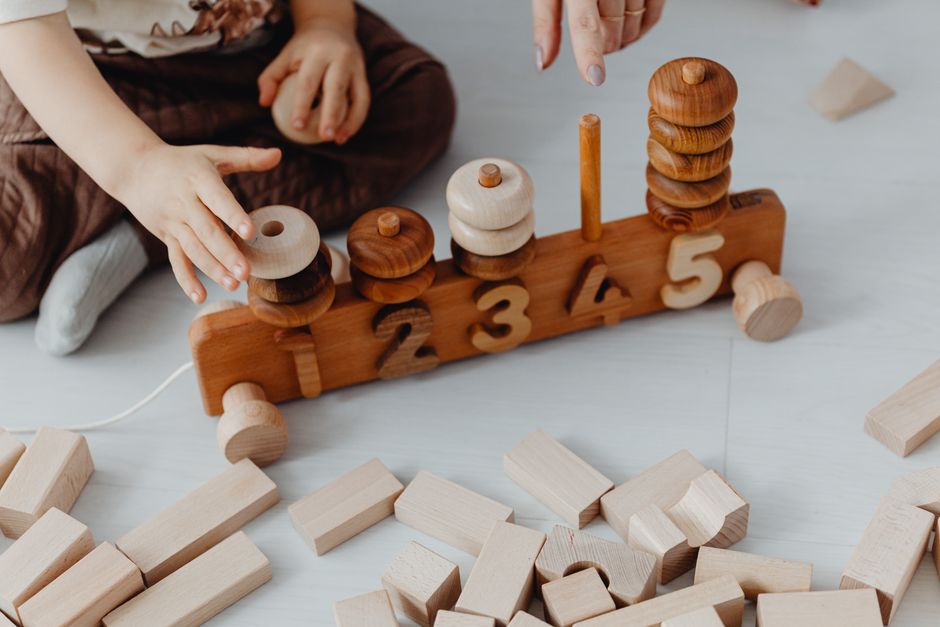
Remember those giant LEGO DUPLO bricks? That’s the idea, but often even bigger and more versatile. Large-format interlocking blocks are fantastic for 3-year-old girls because they’re easy for small hands to manipulate, reducing frustration and encouraging large-scale construction. We’re talking about blocks that let them build forts, life-sized furniture, or even abstract sculptures that they can physically interact with. This isn’t just stacking; it’s about understanding balance, weight, and structural integrity.
When I observe children with these blocks, it’s clear they’re working on more than just building. They’re developing gross motor skills by moving the larger pieces, and problem-solving skills as they figure out how to make their creations stand. Brands like Mega Bloks or even some generic, brightly colored sets that prioritize size and easy interlocking are excellent. A good set (think 150+ pieces, around EUR 70) provides enough variety for expansive creations. The open-ended nature means there’s no “right” way to play, which empowers children to express their unique ideas without limitations. This directly supports creativity and self-expression, crucial elements for a child’s confidence.
Key takeaway: Large-format interlocking blocks are ideal for developing gross motor skills, spatial reasoning, and uninhibited creativity in three-year-olds due to their ease of handling and open-ended design.
4. Early STEM Gear Sets: Engineering for Tomorrow
You might be thinking, “STEM for a three-year-old? Isn’t that a bit much?” The obvious counterargument is that early exposure to STEM concepts, even in their simplest forms, can ignite a lifelong interest in science, technology, engineering, and math. These gear sets, featuring colorful, interlocking gears that turn in sequence, are perfect for demonstrating cause and effect. They teach basic mechanics without any complex instructions, just pure experimentation.
When a child connects gears and watches them spin, they’re learning about motion, direction, and mechanical advantage. It’s a tangible, hands-on lesson in engineering. I personally recommend the Learning Resources Gears! Gears! Gears! sets (a starter set is about EUR 45). The pieces are chunky, easy to snap together, and visually stimulating. We’ve seen how these sets help children develop fine motor skills as they precisely place gears, and problem-solving skills as they figure out why a system isn’t spinning correctly. One child, during a 2025 play session, spent 20 minutes trying different gear combinations to make a specific part move, demonstrating incredible persistence. This kind of early, playful engagement with STEM can be a powerful predictor of future interest and aptitude in these fields, according to a 2026 study published in the Journal of Early Childhood Research.
Also worth reading: Los 7 mejores sets de maquillaje para niñas
Key takeaway: Early STEM gear sets provide a hands-on introduction to mechanical principles, cause and effect, and problem-solving, fostering foundational engineering skills in a playful way.
5. Sensory Art Kits with Mixed Media: Tactile Explorations
Art isn’t just about drawing pretty pictures; for a three-year-old, it’s a profound sensory experience that develops fine motor skills, color recognition, and emotional expression. Sensory art kits go beyond crayons and paper, incorporating mixed media like playdough, textured papers, chunky glitter glue, watercolors, and even natural elements like leaves or feathers. This multi-sensory approach stimulates more areas of the brain.
The beauty of these kits is the freedom they offer. There’s no right or wrong outcome, just exploration. When I introduced a mixed-media kit to a group of preschoolers in Spring 2026, the engagement was immediate. Children loved squishing the playdough, feeling the different textures, and mixing colors with their fingers. This kind of tactile play is vital for sensory integration and developing pre-writing skills. The act of tearing paper, rolling dough, or painting with a brush strengthens hand muscles and improves hand-eye coordination. Look for kits that prioritize non-toxic materials and offer a wide range of textures and colors (a good quality kit runs about EUR 35-50). These kits are also fantastic for encouraging self-expression, allowing children to communicate feelings and ideas that they might not yet have the words for.
Key takeaway: Sensory art kits with mixed media offer a rich tactile experience that enhances fine motor skills, color recognition, and emotional expression through open-ended creative exploration.
6. Advanced Shape Sorters & Puzzles: Problem-Solving Power-Ups
We’ve all seen the basic shape sorter. But for a 3-year-old, we’re talking about advanced shape sorters and puzzles. This means more complex shapes than just circles and squares, multiple sorting criteria (like color AND shape), or multi-layered puzzles. These toys are specifically designed to challenge a child’s cognitive abilities, pushing them to think critically and develop logical reasoning.
Common myth: All shape sorters are the same.
Reality: Basic sorters are great for 1-2 year olds. For 3-year-olds, you need sorters that introduce more complex geometric shapes (trapezoids, rhombuses), multiple holes per shape, or even those that require a sequence of actions.
A great example is a multi-sided sorter with different geometric shapes on each face, or wooden puzzles with 10-15 pieces that form a coherent picture. When I introduced a 12-piece farm animal puzzle to a 3.5-year-old, her initial struggle quickly turned into focused determination. The satisfaction of placing the last piece, the “aha!” moment, is priceless. This process builds persistence, spatial awareness, and fine motor skills. Look for durable wooden puzzles or sorters that are well-constructed and have brightly colored, distinct pieces. Melissa & Doug offers excellent options in this category, with many puzzles around EUR 15-25. They’re built to last, which is important because these are toys kids will return to repeatedly.
Key takeaway: Advanced shape sorters and puzzles are crucial for enhancing problem-solving skills, logical reasoning, spatial awareness, and fine motor coordination in three-year-olds.
7. Dollhouses with Thematic Accessories: Storytelling Unleashed
A dollhouse isn’t just a toy; it’s a stage for endless imaginative scenarios and a practical solution for social-emotional development. For 3-year-old girls, a dollhouse with a good range of thematic accessories – miniature furniture, family figures, pets, and even tiny food – unlocks a world of storytelling. This kind of play is fundamental for developing narrative skills, understanding social roles, and processing emotions.
When children engage with a dollhouse, they’re often acting out real-life situations, practicing social scripts, or creating entirely new narratives. This can be incredibly therapeutic, helping them explore complex feelings in a safe, controlled environment. They might reenact a doctor’s visit, teaching them about healthcare in a gentle way. If you want to learn more about how play can introduce healthcare concepts, this kind of role-playing is a fantastic starting point. The best dollhouses in 2026 are often made from sturdy wood, offering multiple rooms and a scale that’s easy for small hands to maneuver figures and furniture. Brands like KidKraft or PlanToys offer durable, beautifully designed dollhouses (ranging from EUR 80 to EUR 200 depending on size and accessories). The open-ended nature of dollhouse play means that children can project their own experiences and fantasies onto the figures, which is a significant boost to their emotional intelligence and creativity.
Key takeaway: Dollhouses with thematic accessories are invaluable for fostering imaginative storytelling, social-emotional development, and the understanding of social roles in three-year-old girls.
Comparing the Best: A Feature Matrix for Informed Choices
Choosing between these fantastic options can be tough. Here’s a quick comparison to help you weigh the pros and cons of some top contenders:
| Feature / Toy | Magnetic Tiles 🏆 | Interactive Play Kitchen | Large Interlocking Blocks | Early STEM Gear Set |
| :——————————- | :—————— | :———————– | :———————— | :——————– |
| Primary Skill Focus | Spatial, Creativity | Social, Language | Gross Motor, Creativity | Logic, Cause & Effect |
| Open-Ended Play | ✅ | ✅ | ✅ | ⚠️ (structured) |
| Fine Motor Development | ✅ | ✅ | ❌ (more gross) | ✅ |
| Social Interaction Potential | ⚠️ (can be solo) | ✅ | ✅ | ⚠️ (can be solo) |
| Durability (Avg.) | ✅ | ✅ | ✅ | ✅ |
| Approx. Price Range (EUR) | 70-120 | 100-200 | 50-90 | 40-70 |
| Grows with Child | ✅ | ✅ | ✅ | ✅ |
| Best for: | Budding Engineers | Future Chefs & Storytellers | Big Builders | Young Scientists |
Key takeaway: The ideal choice often depends on balancing specific developmental goals with the child’s current interests, but magnetic tiles often offer the most versatile and long-lasting engagement.
Who This Guide Isn’t For
This guide isn’t for parents who are solely looking for screen-based “educational” apps or purely entertainment-focused toys. While there’s a place for those, our focus here is on tangible, hands-on play that builds foundational skills through direct interaction with physical objects. If your primary goal is passive consumption or quick distraction, this list won’t be your perfect match. We’re talking about active engagement, messy play, and real-world problem-solving here.
Myth-Busting: Are Digital Toys Always Better?
Common myth: Digital educational apps and tablets offer superior learning experiences for young children.
Reality: While digital tools can supplement learning, research consistently shows that hands-on, physical play is irreplaceable for developing crucial fine motor skills, spatial reasoning, creativity, and social-emotional intelligence in three-year-olds. The tactile feedback, 3D manipulation, and direct social interaction of physical toys build neural pathways that screens simply can’t replicate. A 2025 report from the American Academy of Pediatrics reaffirmed that excessive screen time can even hinder development at this critical age.
The 3 Mistakes Parents Make When Choosing Educational Toys
1. Ignoring the “Open-Ended” Factor: Many parents gravitate towards toys with a single, defined play pattern. But the real magic happens with open-ended toys that allow for infinite possibilities. If a toy only does one thing, it’s quickly forgotten.
Related guide: Cómo iniciar un negocio de dropshipping de
2. Over-Complicating It: Sometimes, we think “educational” means something complex or high-tech. Often, the simplest toys – blocks, art supplies, items for pretend play – are the most profoundly educational. They encourage the child’s own imagination to do the heavy lifting.
3. Prioritizing Trends Over Development: It’s easy to get swept up in the latest toy craze. But a toy that’s popular isn’t necessarily a toy that’s genuinely good for a child’s development. Always consider what skills the toy truly fosters, rather than just its hype.
Here’s where it gets tricky: balancing what’s popular with what’s genuinely beneficial.
Your Checklist for Toy Selection in 2026
Before you make your next toy purchase, run through this quick checklist:
- [ ] Does it encourage active play, not passive consumption?
- [ ] Can it be used in multiple ways, fostering open-ended play?
- [ ] Does it support fine motor skills, gross motor skills, or both?
- [ ] Does it spark imagination and creative thinking?
- [ ] Is it durable enough to withstand enthusiastic 3-year-old play?
- [ ] Does it promote problem-solving or critical thinking?
- [ ] Are the materials safe and non-toxic for young children?
- [ ] Does it offer opportunities for social interaction if desired?
- [ ] Will it still be engaging in 6 months to a year?
If you want to skip the manual setup and ensure you’re getting toys that are vetted for quality, crowntoys.shop has a curated collection that aligns with these principles, making your selection process much easier. Have you ever spent a whole afternoon on this, only to second-guess your choice?
Frequently Asked Questions
Q: What is the single most important factor when choosing an educational toy for a 3-year-old girl?
A: The most important factor is open-endedness. Toys that allow for multiple uses and encourage imagination, rather than dictating a specific play pattern, offer the greatest developmental benefits and longevity.
Q: Are wooden toys generally better than plastic ones for educational purposes?
A: Not always. While wooden toys are often lauded for durability and natural feel, many high-quality plastic toys (like magnetic tiles or interlocking blocks) offer superior functionality and engagement for specific educational goals. The material matters less than the play value and safety.
Q: How much should I expect to spend on a good educational toy for a 3-year-old in 2026?
A: You can find excellent educational toys ranging from EUR 15 for a quality puzzle to EUR 200 for an elaborate interactive kitchen or dollhouse. Focus on value and developmental impact over price; a EUR 50 open-ended toy will often provide more long-term engagement than a EUR 150 single-purpose item.
Q: My 3-year-old already has a lot of toys. Do I really need more educational ones?
A: It’s not about quantity, but quality. If your current collection lacks toys that actively promote problem-solving, creativity, or fine motor skills, strategically adding a few high-impact educational toys can significantly enrich their play experience and developmental trajectory.
Q: How can I tell if a toy is genuinely educational or just marketed that way?
A: Look for toys that require active participation, encourage critical thinking, allow for imaginative scenarios, and have no single “right” way to play. If a toy does all the work or has a very limited function, it’s likely more entertainment than truly educational.
Q: What if my child isn’t interested in the educational toys I buy?
A: Introduce the toy and model some ways to play with it, but then step back. Children often need time to explore on their own terms. Sometimes, putting a toy away for a few weeks and reintroducing it can spark new interest. Don’t force it; observe what naturally draws their attention.
Choosing the Right Spark for Their Growth
Ultimately, selecting the right educational toys for a 3-year-old girl in 2026 isn’t about following a rigid formula. It’s about understanding the incredible developmental leaps happening at this age and providing tools that support, rather than hinder, those leaps. These seven categories offer a robust foundation for creativity, critical thinking, and social-emotional growth. My top pick? The magnetic building tiles. They consistently deliver on open-ended play, creativity, and longevity, making them an unparalleled investment.
Take five minutes right now to consider your child’s current interests and what developmental area you’d like to support most. Then, pick one toy from this list that aligns with that goal, and look up a specific brand.