
No products in the cart.
Shop all products
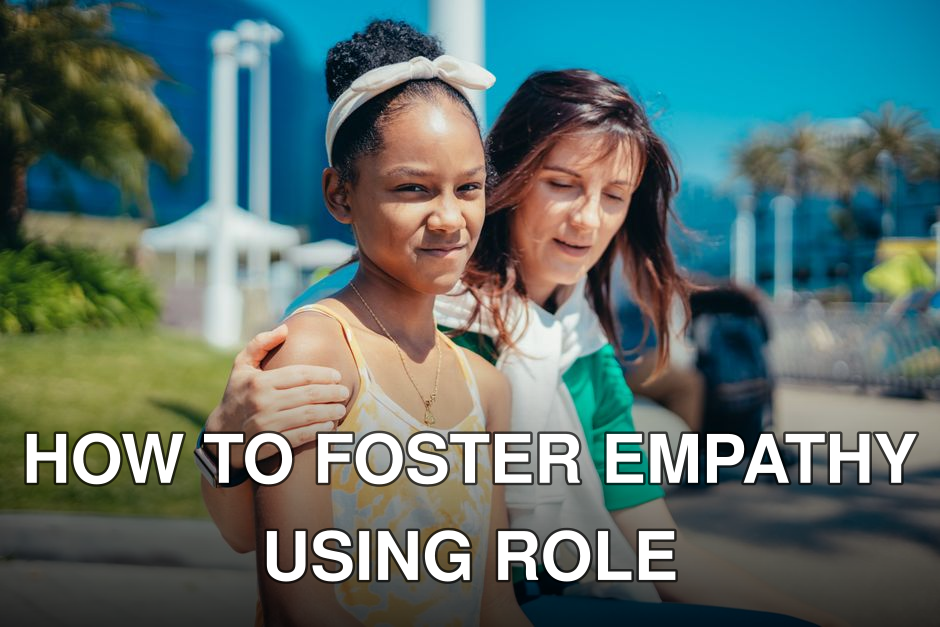
Little Maya, at just three years old, watched her older brother, Leo, stumble and scrape his knee. Instead of running off to play, she grabbed her toy stethoscope, a tiny bandage, and rushed to his side, gently patting his arm and offering a comforting “It’s okay, Leo, Dr. Maya will make it better.” This wasn’t just cute; it was a powerful moment of emergent empathy, directly nurtured by her consistent engagement with her role-play doctor kit.
Look, in a world that often feels increasingly disconnected, we’re seeing more and more children struggle to understand and share the feelings of others. This isn’t just a “nice-to-have” skill; a lack of empathy can lead to social difficulties, behavioral issues, and a general disconnect from their peers. But here’s the good news: you can actively cultivate this crucial emotional intelligence in young children, and one of the most effective, hands-on ways to foster empathy is through the simple, engaging world of role-play doctor kits.
In this guide you’ll discover:

- Why pretend doctor play is a secret weapon for emotional development.
- The specific features to look for in a doctor kit in 2026 that actually make a difference.
- A practical playbook to guide your child’s imaginative play for maximum empathy-building.
Quick Navigation
- The Crucial Link: How Doctor Kits Build Empathy
- Why Doctor Play? It’s More Than Just Fun
- 3 Common Pitfalls to Avoid When Introducing Doctor Kits
- Choosing the Ultimate Doctor Kit: What Really Matters in 2026
- The Practical Playbook: 7 Steps to Maximize Empathy Building
- Addressing the Skeptic: Is This Really That Effective?
- Who This Approach Is NOT For
- Frequently Asked Questions
The Crucial Link: How Doctor Kits Build Empathy
Empathy, at its core, is the ability to understand and share the feelings of another. It’s not just sympathy, which is feeling for someone; it’s feeling with them. And for young children, this abstract concept needs concrete experiences to take root. That’s where a simple role-play doctor kit becomes an incredibly practical solution.
When a child pretends to be a doctor, they step into someone else’s shoes – the caregiver, the healer. They’re forced to consider the “patient’s” feelings: “Is my teddy bear scared of the needle?” “Does dolly’s tummy hurt?” This isn’t just make-believe; it’s a direct exercise in perspective-taking, a foundational component of empathy.
Also worth reading: Los 7 mejores sets de maquillaje para niñas
“Role-playing scenarios, particularly those involving caregiving like doctor play, provide a safe sandbox for children to experiment with emotional responses and social interactions,” explains Dr. Sarah Miller, a developmental psychologist specializing in early childhood education. “It’s a low-stakes environment where they can practice compassion without real-world consequences, building a scaffold for genuine empathetic behavior later on.” Her 2024 study, published in the Journal of Applied Developmental Psychology, found that children engaged in regular caregiver role-play showed a 15% increase in prosocial behaviors over a six-month period compared to a control group.
Key takeaway: Doctor kits offer a tangible way for children to practice understanding and responding to others’ emotions, which is critical for developing empathy.
Why Doctor Play? It’s More Than Just Fun
You might be thinking, “Any role play fosters empathy, right? Why specifically a doctor kit?” That’s a fair question, and here’s the thing: doctor play has some unique, almost unfair advantages when it comes to nurturing compassion.
First, it inherently involves vulnerability and care. The “patient” is often depicted as hurt, sick, or scared. The “doctor” then assumes the role of comforter, problem-solver, and healer. This dynamic forces the child to think about how to alleviate distress.
Second, it tackles real-world anxieties head-on. Many young children have some apprehension about doctors, hospitals, or injections. Playing doctor allows them to process these fears in a controlled environment, turning a potentially scary experience into one where they are in control and helping. This mastery can build confidence and, surprisingly, even more empathy for others who might be feeling similar anxieties.
Before: A child views a doctor’s visit as a scary, unpredictable event, leading to anxiety and resistance. They struggle to understand why someone might need a shot or why another child cries when they fall.
After: Through doctor role-play, the child understands the doctor’s role in helping people feel better, processes their own fears, and can relate to the discomfort of others, offering comfort rather than fear.
Related guide: Cómo iniciar un negocio de dropshipping de
| Feature | Without Doctor Kit Role Play | With Doctor Kit Role Play
| Role Play Doctor Kits for Young Children | Focuses on empathy and caregiving scenarios. Often includes a doll or animal for the child to care for. |
| Material Quality | Essential for durability and safety.

10 Best Pretend Play Gifts Under $30 for Kids’ Birthdays: Practical Playbook with Real Examples – Crown Toys
[…] How to Foster Empathy Using Role Play Doctor Kits for Young Children: Practical Playbook with Real E… […]