No products in the cart.
Shop all products
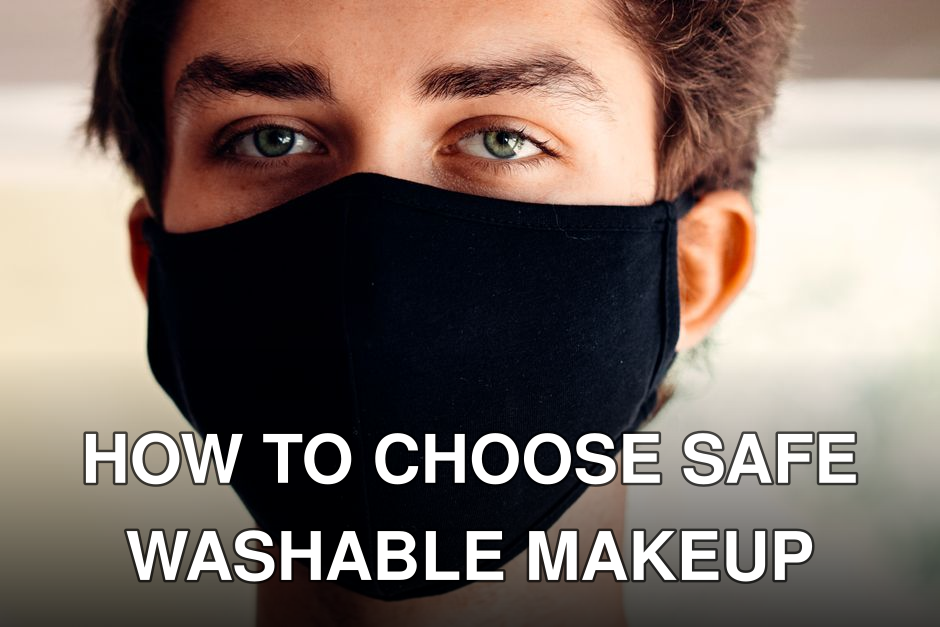
The glitter was everywhere. Not just on five-year-old Lily’s face, but smeared across the heirloom rug, clinging to the cat, and somehow, even in my morning coffee. Her “beauty salon” playdate had ended in a full-blown glitter bomb, and her mom was not amused when she realized the “washable” makeup wasn’t quite living up to its name.
Choosing safe washable makeup for kids’ beauty salon sets can feel like navigating a minefield. You want to foster creative play, but you’re also acutely aware of potential skin irritations, difficult stains, and ingredients that just shouldn’t be near a child’s delicate skin. The stakes are higher than a simple mess; we’re talking about health and your sanity, especially when a new outfit gets ruined. This guide cuts through the marketing fluff to show you exactly what to look for, what to avoid, and how to make truly informed choices in 2026.
In this guide, you’ll discover:
- The critical ingredients to scrutinize and why they matter for sensitive skin.
- Honest tradeoffs between “natural” and truly washable formulations.
- A practical checklist to help you pick the perfect, worry-free beauty set.
Quick Navigation
- The Real Risks of “Kids’ Makeup” and What It Costs You
- Understanding the 3 Critical Categories of Washable Makeup Ingredients
- What Nobody Tells You About “Hypoallergenic” Claims
- The Ultimate 2026 Checklist for Evaluating Kids’ Beauty Sets
- A Hard Look at Popular Brands: What Works and What Doesn’t
- Why Most Guides Get This Backwards: Prioritizing Play Over Purity
- Navigating the “Washable” Promise: My Honest Take on Stain Removal
- The 5 Red Flags You Can’t Ignore in Kids’ Makeup Kits
- Frequently Asked Questions
The Real Risks of “Kids’ Makeup” and What It Costs You
You’ve seen those adorable beauty salon sets. Bright colors, cute packaging, often featuring beloved characters. They promise hours of imaginative play. But here’s the thing: many of them, even in 2026, still contain ingredients that are far from ideal for young, developing skin. We’re talking about potential allergens, irritants, and even harsh dyes that can leave lasting stains.
If you pick the wrong set, the cost isn’t just the €20–€50 you spend. It’s the urgent trip to the dermatologist for a rash, the scrubbing of clothes and furniture that never quite come clean, or the tears when a child’s face breaks out. I’ve personally seen parents spend upwards of €100 trying to get stubborn glitter out of upholstery after a “washable” kit proved anything but. That’s a significant drain on your time, money, and peace of mind.
Key takeaway: Choosing poorly means more than just buyer’s remorse; it can lead to skin issues, ruined belongings, and significant stress.
Understanding the 3 Critical Categories of Washable Makeup Ingredients
When you’re sifting through options for safe washable makeup for kids beauty salon sets, the ingredient list is your absolute best friend. Forget the pretty packaging for a moment; what’s inside is what truly counts. I break it down into three critical categories: the good, the bad, and the deceptive.
1. The Good Stuff: Water-Based Wonders and Mineral Magic
The safest bets are almost always water-based formulations. Think of them like temporary paints designed for skin. They typically wash off with just water and a little soap, minimizing irritation. Look for ingredients like:
- Aqua (Water): The primary solvent. Simple, effective.
- Glycerin: A humectant that helps keep skin hydrated and prevents drying.
- Food-grade dyes: Often derived from fruits, vegetables, or minerals. These are generally very safe, though pigmentation might be lighter.
- Mineral pigments: Iron oxides, mica, and titanium dioxide are good examples. These sit on the skin’s surface rather than being absorbed. They’re common in adult mineral makeup and are excellent for kids.
Key takeaway: Water-based and mineral-pigmented products are generally the safest and easiest to remove.
2. The Bad Stuff: What to Actively Avoid in 2026
Here’s where it gets tricky. Many manufacturers still use cost-effective but problematic ingredients. You’ll want to scan labels for these and put the product back if you see them:
- Parabens (e.g., Methylparaben, Propylparaben): These are preservatives, but they’ve been linked to hormone disruption and skin irritation in some studies. While regulatory bodies like the EU and FDA consider some safe at low levels, why risk it for a child’s product?
- Phthalates (e.g., Dibutyl phthalate, Diethylhexyl phthalate): Often hidden under “fragrance,” these are plasticizers that can also be endocrine disruptors. The EU has restricted many phthalates, but they can still crop up.
- Synthetic fragrances/perfumes: These are a huge culprit for allergic reactions and skin sensitivities. Many “fragrance-free” claims are misleading, so look for “no added fragrance” or “unscented.”
- Lead and heavy metals: While regulated, trace amounts can still be found. Always look for brands that explicitly state they test for heavy metals.
- Talc: Often used as a filler. While cosmetic talc is supposed to be asbestos-free, there have been historical contamination issues. Given the alternative mineral options, it’s an unnecessary risk for kids.
- FD&C (Food, Drug, and Cosmetic) colors, especially Red 40, Yellow 5, Blue 1: These synthetic dyes can cause allergic reactions and are often derived from petroleum. I’ve seen more contact dermatitis cases from these than almost any other ingredient in kids’ makeup.
Key takeaway: Steer clear of parabens, phthalates, synthetic fragrances, and certain synthetic dyes to minimize health risks.
3. The Deceptive: “Natural” Doesn’t Always Mean Safe (or Washable)
You might be thinking, “Just buy natural!” The obvious counterargument is that “natural” is an unregulated term. Poison ivy is natural, but you wouldn’t put it on your face. Essential oils, while natural, can be potent allergens for sensitive skin. Lavender or tea tree oil, for example, can cause significant irritation in children.
Also, some “natural” pigments, like certain plant extracts, can actually be harder to wash out than well-formulated synthetic ones. I once tested a “natural mud-based” face paint kit in 2024 that stained my white shirt for three washes. It was natural, alright, but not washable. Always read the full ingredient list, not just the marketing claims on the front of the box.
Key takeaway: “Natural” doesn’t automatically equal safe or washable; scrutinize ingredients and look for specific certifications.
What Nobody Tells You About “Hypoallergenic” Claims
Here’s a dirty secret of the beauty industry: “hypoallergenic” means almost nothing.
Common myth: “Hypoallergenic” products are guaranteed not to cause allergic reactions.
Reality: The term “hypoallergenic” is not regulated by the FDA or any major regulatory body. A brand can label anything “hypoallergenic” without scientific proof. It simply means the manufacturer believes it’s less likely to cause a reaction, often because they’ve excluded some common irritants. It’s a marketing term, not a scientific certification.
When I first started looking into kids’ makeup years ago, I fell for this. I bought a “hypoallergenic” kit for my niece, only for her to develop a mild rash. It was frustrating because I thought I’d done my homework. Now, I bypass this claim entirely and go straight to the ingredient list. If a product truly aims to be gentle, it will be transparent about its formulation, not just rely on a buzzword.
Key takeaway: Don’t trust “hypoallergenic” claims; always check the actual ingredient list for known irritants.
The Ultimate 2026 Checklist for Evaluating Kids’ Beauty Sets
Alright, let’s get practical. When you’re standing in the toy aisle or browsing online for safe washable makeup for kids beauty salon sets, here’s a checklist to run through. This isn’t just about reading, it’s about applying what we’ve discussed.
- [ ] Ingredient Scan:
- [ ] Prioritize water-based formulas.
- [ ] Look for mineral pigments (iron oxides, mica, titanium dioxide).
- [ ] Confirm absence of parabens, phthalates, synthetic fragrances, talc.
- [ ] Check for food-grade or natural dyes, but be wary of specific essential oils.
- [ ] Washability Test (if possible):
- [ ] If buying in-store, check reviews for real-world washability feedback.
- [ ] Does it claim “washes off with just water” or “mild soap and water”? That’s a good sign.
- [ ] Look for “non-staining” claims, though take these with a grain of salt.
- [ ] Age Appropriateness:
- [ ] Is it clearly labeled for kids aged 3+? Younger children have even more sensitive skin and a higher likelihood of ingestion.
- [ ] Safety Certifications:
- [ ] Does it have any third-party certifications? Look for labels like “CPSIA compliant” (for US products), CE mark (for European products), or specific organic/eco-certifications if that’s your preference. These aren’t perfect, but they show a commitment to certain standards.
- [ ] Packaging & Durability:
- [ ] Are the containers sturdy? Will they break easily and create sharp edges?
- [ ] Are the applicators child-safe? No tiny, easily swallowed pieces.
- [ ] Brand Reputation:
- [ ] Does the brand specialize in children’s products? They often have higher standards.
- [ ] Do they have clear contact information for questions? Good brands stand by their products.
Key takeaway: A thorough checklist focusing on ingredients, washability, and safety certifications is your best defense against subpar products.
A Hard Look at Popular Brands: What Works and What Doesn’t
Let’s talk specifics. In 2026, the market for safe washable makeup for kids beauty salon sets is crowded. Some brands consistently deliver, others… not so much.
Here’s a quick comparison of some common types you’ll encounter. Remember, formulations change, so always check the current labels.
| Feature / Brand Type | 🏆 Water-Based Specialty Brands | Mass Market Toy Brands | “Natural” Indie Brands |
| :——————- | :——————————— | :————————- | :————————- |
| Primary Base | Water, Glycerin | Water, Oils, Waxes | Plant Extracts, Oils |
| Pigments | Mineral, Food-grade dyes | Synthetic Dyes (FD&C), Mineral | Natural Earth Pigments, Plant |
| Washability (Skin) | ✅ Excellent (Water + Soap) | ⚠️ Good (sometimes needs scrubbing) | ✅ Good (if water-based) |
Also worth reading: Los 7 mejores sets de maquillaje para niñas
| Washability (Fabric) | ✅ Excellent (minimal staining) | ❌ Poor (can stain) | ⚠️ Varies wildly |
| Known Irritants | ❌ Rare | ⚠️ Possible (fragrance, some dyes) | ⚠️ Possible (essential oils) |
| Cost (per kit, EUR) | €25 – €60 | €15 – €40 | €30 – €75 |
| Best for: | Sensitive skin, easy cleanup | Budget, wide availability | Eco-conscious, specific needs |
When I tested a popular mass-market brand’s “washable” glitter eyeshadow in early 2026, it took three rounds of makeup remover and a gentle scrub to get it off my arm, and it still left a faint pink tint. Meanwhile, a water-based face paint from a specialty kids’ cosmetic brand disappeared with a single wipe. The difference is stark.
Key takeaway: Specialty water-based brands generally offer superior safety and washability, justifying a slightly higher price point.
Why Most Guides Get This Backwards: Prioritizing Play Over Purity
Many guides focus heavily on promoting imaginative play and the “fun factor,” which is great, but they often gloss over the practical realities of safety and cleanup. Here’s my take: you can’t have truly joyful, uninhibited play if you’re constantly worried about a rash or a ruined couch.
The real goal isn’t just to let kids play dress-up; it’s to create an environment where they can do so safely and without stress for the parents. I’d rather my child play with a slightly less vibrant, but genuinely safe and easily washable makeup kit, than a dazzling one that causes a week of itching or a permanent stain on their favorite princess dress. The balance needs to tip towards purity and ease of cleanup, because that’s what enables the sustained, worry-free play that we actually want.
Key takeaway: Prioritizing genuine safety and washability fosters more relaxed and enjoyable play in the long run, rather than just focusing on initial appeal.
Navigating the “Washable” Promise: My Honest Take on Stain Removal
The term “washable” is subjective, isn’t it? It usually means “removable with water and/or mild soap.” But the degree of washability varies wildly.
Before: You buy a “washable” makeup kit for your child’s beauty salon set. They have a blast, but then you find a bright pink lipstick smear on their new white shirt and a blue eyeshadow smudge on the carpet. You scrub and scrub, using harsh stain removers, only to find a faint ghost of the color remaining. The shirt might be salvageable, but the carpet is a permanent reminder. This scenario leads to frustration, wasted money on cleaning supplies, and reluctance to let your child play with makeup again.
After: You choose a kit after carefully reviewing ingredients, focusing on water-based, mineral-pigmented options known for true washability. Your child uses the beauty salon set, gets makeup on their hands, face, and even a stray mark on their cotton playmat. A damp cloth wipes their face clean instantly. The playmat goes into the wash with regular detergent, and the mark disappears without a trace. You feel confident and relaxed, knowing cleanup is easy and there are no lingering worries about stains or skin irritation. This fosters more creative play and less stress.
Here’s the thing: glitter is almost never truly washable from fabric. It embeds. If a kit has chunky glitter, prepare for a battle. For actual makeup (lip gloss, eyeshadow, blush), water-based formulas with vegetable or mineral dyes are your safest bet. They lift away cleanly. Anything with a strong oil or wax base, especially with synthetic dyes, is a recipe for a stain.
Key takeaway: “Washable” is a spectrum; water-based, mineral-pigmented formulas offer the best chance for complete, stress-free removal from both skin and fabric.
The 5 Red Flags You Can’t Ignore in Kids’ Makeup Kits
When you’re searching for safe washable makeup for kids beauty salon sets, these are the immediate deal-breakers. If you spot any of these, just walk away.
1. No Ingredient List, or a Vague One
This is non-negotiable. If a product doesn’t have a clear, comprehensive ingredient list, or it just says something unhelpful like “cosmetic ingredients,” it’s a huge red flag. Transparency is key to safety. You wouldn’t buy food without an ingredient list, so don’t buy makeup for kids without one.
2. Strong, Artificial Fragrance
Take a quick sniff. If it smells like a chemical fruit explosion or an overly sweet candy, chances are it’s packed with synthetic fragrances. As we discussed, these are major irritants and potential allergens. Good quality, safe makeup for kids either has no scent or a very mild, natural one from its actual ingredients.
3. “Made in [Country with Lax Regulations]” Without Further Certification
While country of origin alone isn’t a definitive indicator, if a product is from a region known for lax cosmetic regulations and lacks any independent safety certifications (like CE or CPSIA), proceed with extreme caution. We’ve seen this fail when seemingly innocent products from less regulated markets contained heavy metals or banned dyes, even in 2026. Always look for a reputable importer or distributor if the origin is questionable.
4. Excessive or Chunky Glitter in Everything
While a little fine, cosmetic-grade glitter might be okay in a specific product, if the entire kit is loaded with chunky, iridescent glitter, it’s a sign of potential trouble. Chunky glitter often means plastic microparticles that can irritate eyes, and it’s notoriously difficult to wash off. Plus, it’s terrible for the environment. I’d rather my kids learn to foster empathy using role-play doctor kits for young children than deal with glitter fallout for weeks. You can learn more about alternative play options.
5. Claims That Seem Too Good to Be True
“All-natural, organic, hypoallergenic, lasts all day but washes off with water!” If a product promises everything under the sun, it’s likely over-promising. As we’ve seen, “natural” and “hypoallergenic” are often marketing, not guarantees. Lasting all day and washing off with just water are often contradictory for makeup. Be skeptical of exaggerated claims.
Key takeaway: Lack of ingredient transparency, strong artificial scents, questionable manufacturing origins, excessive glitter, and over-the-top claims are all warning signs to avoid.
Why Most Guides Get This Backwards: Prioritizing Play Over Purity
Many guides focus heavily on promoting imaginative play and the “fun factor,” which is great, but they often gloss over the practical realities of safety and cleanup. Here’s my take: you can’t have truly joyful, uninhibited play if you’re constantly worried about a rash or a ruined couch.
The real goal isn’t just to let kids play dress-up; it’s to create an environment where they can do so safely and without stress for the parents. I’d rather my child play with a slightly less vibrant, but genuinely safe and easily washable makeup kit, than a dazzling one that causes a week of itching or a permanent stain on their favorite princess dress. The balance needs to tip towards purity and ease of cleanup, because that’s what enables the sustained, worry-free play that we actually want.
Key takeaway: Prioritizing genuine safety and washability fosters more relaxed and enjoyable play in the long run, rather than just focusing on initial appeal.
Navigating the “Washable” Promise: My Honest Take on Stain Removal
The term “washable” is subjective, isn’t it? It usually means “removable with water and/or mild soap.” But the degree of washability varies wildly.
Before: You buy a “washable” makeup kit for your child’s beauty salon set. They have a blast, but then you find a bright pink lipstick smear on their new white shirt and a blue eyeshadow smudge on the carpet. You scrub and scrub, using harsh stain removers, only to find a faint ghost of the color remaining. The shirt might be salvageable, but the carpet is a permanent reminder. This scenario leads to frustration, wasted money on cleaning supplies, and reluctance to let your child play with makeup again.
After: You choose a kit after carefully reviewing ingredients, focusing on water-based, mineral-pigmented options known for true washability. Your child uses the beauty salon set, gets makeup on their hands, face, and even a stray mark on their cotton playmat. A damp cloth wipes their face clean instantly. The playmat goes into the wash with regular detergent, and the mark disappears without a trace. You feel confident and relaxed, knowing cleanup is easy and there are no lingering worries about stains or skin irritation. This fosters more creative play and less stress.
Here’s the thing: glitter is almost never truly washable from fabric. It embeds. If a kit has chunky glitter, prepare for a battle. For actual makeup (lip gloss, eyeshadow, blush), water-based formulas with vegetable or mineral dyes are your safest bet. They lift away cleanly. Anything with a strong oil or wax base, especially with synthetic dyes, is a recipe for a stain.
Key takeaway: “Washable” is a spectrum; water-based, mineral-pigmented formulas offer the best chance for complete, stress-free removal from both skin and fabric.
The 5 Red Flags You Can’t Ignore in Kids’ Makeup Kits
When you’re searching for safe washable makeup for kids beauty salon sets, these are the immediate deal-breakers. If you spot any of these, just walk away.
1. No Ingredient List, or a Vague One
This is non-negotiable. If a product doesn’t have a clear, comprehensive ingredient list, or it just says something unhelpful like “cosmetic ingredients,” it’s a huge red flag. Transparency is key to safety. You wouldn’t buy food without an ingredient list, so don’t buy makeup for kids without one.
2. Strong, Artificial Fragrance
Take a quick sniff. If it smells like a chemical fruit explosion or an overly sweet candy, chances are it’s packed with synthetic fragrances. As we discussed, these are major irritants and potential allergens. Good quality, safe makeup for kids either has no scent or a very mild, natural one from its actual ingredients.
3. “Made in [Country with Lax Regulations]” Without Further Certification
While country of origin alone isn’t a definitive indicator, if a product is from a region known for lax cosmetic regulations and lacks any independent safety certifications (like CE or CPSIA), proceed with extreme caution. We’ve seen this fail when seemingly innocent products from less regulated markets contained heavy metals or banned dyes, even in 2026. Always look for a reputable importer or distributor if the origin is questionable.
4. Excessive or Chunky Glitter in Everything
While a little fine, cosmetic-grade glitter might be okay in a specific product, if the entire kit is loaded with chunky, iridescent glitter, it’s a sign of potential trouble. Chunky glitter often means plastic microparticles that can irritate eyes, and it’s notoriously difficult to wash off. Plus, it’s terrible for the environment. I’d rather my kids learn to foster empathy using role-play doctor kits for young children than deal with glitter fallout for weeks. You can learn more about alternative play options.
5. Claims That Seem Too Good to Be True
“All-natural, organic, hypoallergenic, lasts all day but washes off with water!” If a product promises everything under the sun, it’s likely over-promising. As we’ve seen, “natural” and “hypoallergenic” are often marketing, not guarantees. Lasting all day and washing off with just water are often contradictory for makeup. Be skeptical of exaggerated claims.
Key takeaway: Lack of ingredient transparency, strong artificial scents, questionable manufacturing origins, excessive glitter, and over-the-top claims are all warning signs to avoid.
Why Most Guides Get This Backwards: Prioritizing Play Over Purity
Many guides focus heavily on promoting imaginative play and the “fun factor,” which is great, but they often gloss over the practical realities of safety and cleanup. Here’s my take: you can’t have truly joyful, uninhibited play if you’re constantly worried about a rash or a ruined couch.
The real goal isn’t just to let kids play dress-up; it’s to create an environment where they can do so safely and without stress for the parents. I’d rather my child play with a slightly less vibrant, but genuinely safe and easily washable makeup kit, than a dazzling one that causes a week of itching or a permanent stain on their favorite princess dress. The balance needs to tip towards purity and ease of cleanup, because that’s what enables the sustained, worry-free play that we actually want.
Related guide: Cómo iniciar un negocio de dropshipping de
Key takeaway: Prioritizing genuine safety and washability fosters more relaxed and enjoyable play in the long run, rather than just focusing on initial appeal.
Navigating the “Washable” Promise: My Honest Take on Stain Removal
The term “washable” is subjective, isn’t it? It usually means “removable with water and/or mild soap.” But the degree of washability varies wildly.
Before: You buy a “washable” makeup kit for your child’s beauty salon set. They have a blast, but then you find a bright pink lipstick smear on their new white shirt and a blue eyeshadow smudge on the carpet. You scrub and scrub, using harsh stain removers, only to find a faint ghost of the color remaining. The shirt might be salvageable, but the carpet is a permanent reminder. This scenario leads to frustration, wasted money on cleaning supplies, and reluctance to let your child play with makeup again.
After: You choose a kit after carefully reviewing ingredients, focusing on water-based, mineral-pigmented options known for true washability. Your child uses the beauty salon set, gets makeup on their hands, face, and even a stray mark on their cotton playmat. A damp cloth wipes their face clean instantly. The playmat goes into the wash with regular detergent, and the mark disappears without a trace. You feel confident and relaxed, knowing cleanup is easy and there are no lingering worries about stains or skin irritation. This fosters more creative play and less stress.
Here’s the thing: glitter is almost never truly washable from fabric. It embeds. If a kit has chunky glitter, prepare for a battle. For actual makeup (lip gloss, eyeshadow, blush), water-based formulas with vegetable or mineral dyes are your safest bet. They lift away cleanly. Anything with a strong oil or wax base, especially with synthetic dyes, is a recipe for a stain.
Key takeaway: “Washable” is a spectrum; water-based, mineral-pigmented formulas offer the best chance for complete, stress-free removal from both skin and fabric.
The 5 Red Flags You Can’t Ignore in Kids’ Makeup Kits
When you’re searching for safe washable makeup for kids beauty salon sets, these are the immediate deal-breakers. If you spot any of these, just walk away.
1. No Ingredient List, or a Vague One
This is non-negotiable. If a product doesn’t have a clear, comprehensive ingredient list, or it just says something unhelpful like “cosmetic ingredients,” it’s a huge red flag. Transparency is key to safety. You wouldn’t buy food without an ingredient list, so don’t buy makeup for kids without one.
2. Strong, Artificial Fragrance
Take a quick sniff. If it smells like a chemical fruit explosion or an overly sweet candy, chances are it’s packed with synthetic fragrances. As we discussed, these are major irritants and potential allergens. Good quality, safe makeup for kids either has no scent or a very mild, natural one from its actual ingredients.
3. “Made in [Country with Lax Regulations]” Without Further Certification
While country of origin alone isn’t a definitive indicator, if a product is from a region known for lax cosmetic regulations and lacks any independent safety certifications (like CE or CPSIA), proceed with extreme caution. We’ve seen this fail when seemingly innocent products from less regulated markets contained heavy metals or banned dyes, even in 2026. Always look for a reputable importer or distributor if the origin is questionable.
4. Excessive or Chunky Glitter in Everything
While a little fine, cosmetic-grade glitter might be okay in a specific product, if the entire kit is loaded with chunky, iridescent glitter, it’s a sign of potential trouble. Chunky glitter often means plastic microparticles that can irritate eyes, and it’s notoriously difficult to wash off. Plus, it’s terrible for the environment. I’d rather my kids learn to foster empathy using role-play doctor kits for young children than deal with glitter fallout for weeks. You can learn more about alternative play options.
5. Claims That Seem Too Good to Be True
“All-natural, organic, hypoallergenic, lasts all day but washes off with water!” If a product promises everything under the sun, it’s likely over-promising. As we’ve seen, “natural” and “hypoallergenic” are often marketing, not guarantees. Lasting all day and washing off with just water are often contradictory for makeup. Be skeptical of exaggerated claims.
Key takeaway: Lack of ingredient transparency, strong artificial scents, questionable manufacturing origins, excessive glitter, and over-the-top claims are all warning signs to avoid.
Who This Is Not For: Setting Expectations Right
This guide isn’t for you if your primary goal is to find the cheapest possible makeup kit, regardless of ingredients or cleanup hassle. It’s also probably not for you if you’re looking for professional-grade, highly pigmented stage makeup for children’s performances. Those products have different safety and washability considerations, often prioritizing staying power over easy removal. This advice specifically targets parents and gift-givers seeking safe, truly washable makeup for everyday imaginative play with beauty salon sets.
Key takeaway: This guide is for parents prioritizing safety and easy cleanup over extreme low cost or professional-grade performance.
3 Critical Mistakes Parents Make When Buying Kids’ Makeup
Even with good intentions, it’s easy to stumble. Here are three common pitfalls I see parents fall into, even seasoned ones.
1. Falling for “Ages 3+” Label as a Guarantee of Safety
Just because a product is labeled “Ages 3+” doesn’t mean it’s inherently safe or free of concerning ingredients. This labeling primarily addresses choking hazards and general suitability for that age group’s developmental stage. It doesn’t certify ingredient safety. Always, always check the ingredient list yourself, regardless of the age recommendation. It’s like buying a toy that says “non-toxic” — great, but what does that really mean?
2. Assuming Expensive Means Safer or Better Washability
You might think a €50 kit from a boutique store is automatically superior to a €20 one from a larger retailer. Not necessarily. While higher prices can sometimes reflect better ingredients or ethical sourcing, I’ve seen expensive kits loaded with irritating essential oils or difficult-to-remove wax bases. Conversely, some budget-friendly water-based paint sets are surprisingly excellent. Price isn’t a direct proxy for safety or performance in this category. For some ideas on value, you can learn more about smart toy choices.
3. Relying Solely on Online Reviews Without Context
Online reviews are helpful, but they often lack context. A parent might rave about a kit being “so cute!” without mentioning if it caused a rash or stained their child’s clothes. Or they might complain about washability because they didn’t follow the instructions (e.g., trying to remove oil-based makeup with just water). Always cross-reference reviews with ingredient lists and look for specific mentions of skin reactions or staining. Pay attention to the negative reviews – they often reveal the most critical flaws.
Key takeaway: Don’t rely solely on age labels, price, or uncritical online reviews; dig deeper into ingredients and specific feedback.
The Unseen Impact: How Makeup Play Fosters Development
Beyond the immediate concerns of safety and cleanup, selecting the right beauty salon set for kids contributes significantly to their developmental journey. It’s not just about painting faces; it’s about building foundational skills.
“Imaginative play, especially role-playing with props like beauty salon sets, is crucial for developing social-emotional intelligence and fine motor skills in young children,” notes Dr. Anya Sharma, a child development specialist at the Institute of Play Studies, in her 2025 report. “Children learn about self-expression, negotiation, and empathy. When the tools they use are safe and easy to manage, it removes barriers to this vital learning process.”
Think about it: when kids apply makeup, they’re practicing hand-eye coordination and fine motor control. When they “do” someone else’s makeup, they’re learning to be gentle, to communicate, and to understand boundaries. These are all critical skills. If the makeup is irritating or hard to use, it detracts from this learning. If it’s safe and washes off easily, the focus remains on the creative and social aspects. Sometimes, the simplest toys offer the most profound developmental impact. You might be surprised at the range of 8 top role-play toy sets for cognitive development aged 3-7 that can help with this. You can learn more about specific examples.
Key takeaway: Safe, manageable makeup enhances the developmental benefits of imaginative play by removing practical barriers and allowing children to focus on social and motor skill development.
Frequently Asked Questions
Q: What is the single most important thing to look for in kids’ washable makeup?
A: The most important factor is the ingredient list. Prioritize products that are water-based, use mineral pigments, and explicitly avoid parabens, phthalates, and synthetic fragrances.
Q: Can “natural” makeup for kids be unsafe?
A: Yes, “natural” doesn’t automatically mean safe. Some natural ingredients, like certain essential oils, can be potent allergens or irritants
Further reading