No products in the cart.
Shop all products
A three-year-old’s world is a whirlwind of discovery, and giving them the right tools can feel like navigating a minefield of plastic junk and fleeting fads. I’ve personally seen countless parents struggle, spending hard-earned money on toys that gather dust after a week. It’s not just about playtime; it’s about planting seeds for critical thinking, creativity, and emotional intelligence.
The problem isn’t a lack of options; it’s the sheer volume of choices, many of which promise the moon but deliver little in terms of real developmental impact. You’re left with clutter and a child who quickly loses interest, missing crucial windows for growth. This guide cuts through the noise, offering proven, top-rated educational toys specifically for 3-year-old girls that foster genuine development, not just momentary distraction, making your investment count in 2026 and beyond.
In this guide, you’ll discover:
- Why some toys are truly transformative for early childhood development.
- Seven expertly vetted educational toys that engage and inspire.
- Practical insights on durability, safety, and long-term value.
***
Quick Navigation:
- The Real Cost of Guessing: Why Picking the Right Toys Matters
- 1. LEGO DUPLO: Building Foundations for Future Brilliance
- 2. Melissa & Doug Wooden Play Kitchen: Stirring Up Imagination
- 3. Magnetic Tiles (e.g., Magna-Tiles): Constructing Creative Minds
- 4. The Essential Doctor Play Kit: Nurturing Empathy and Confidence
- 5. Water Wow! Reusable Activity Pads: Mess-Free Artistic Exploration
- 6. Montessori-Inspired Wooden Puzzles: Unlocking Problem-Solving Skills
- 7. A Symphony of Growth: Toddler Musical Instrument Sets
- What Nobody Tells You About Toy Durability and Safety
- The 3 Mistakes Parents Make When Choosing Educational Toys
- Frequently Asked Questions
***
The Real Cost of Guessing: Why Picking the Right Toys Matters
Ever bought a toy only to see it ignored after a day? You’re not alone. The real cost of randomly selecting toys goes beyond the purchase price. It’s the missed opportunities for your child to develop crucial skills. A poorly chosen toy doesn’t just collect dust; it fails to engage, to stimulate, or to challenge, leaving developmental gaps that are harder to fill later. Think of the hours a child could spend building spatial reasoning with blocks versus passively watching a screen.
The market in 2026 is flooded with “educational” labels that often mean very little. We’ve seen parents frustrated, cycling through dozens of toys, trying to find something that sticks. The emotional cost of a child’s disengagement, or the parent’s guilt over wasted money, is palpable. Picking the right toy isn’t about extravagance; it’s a strategic investment in your child’s cognitive, social, and emotional toolkit. You want toys that spark curiosity, not just fleeting amusement.
Key takeaway: Choosing the right educational toys is a strategic investment in a child’s long-term development, preventing wasted money and missed learning opportunities.
But how do you cut through the marketing hype and find what truly works? Let’s dive into some top-rated options that consistently deliver.
1. LEGO DUPLO: Building Foundations for Future Brilliance
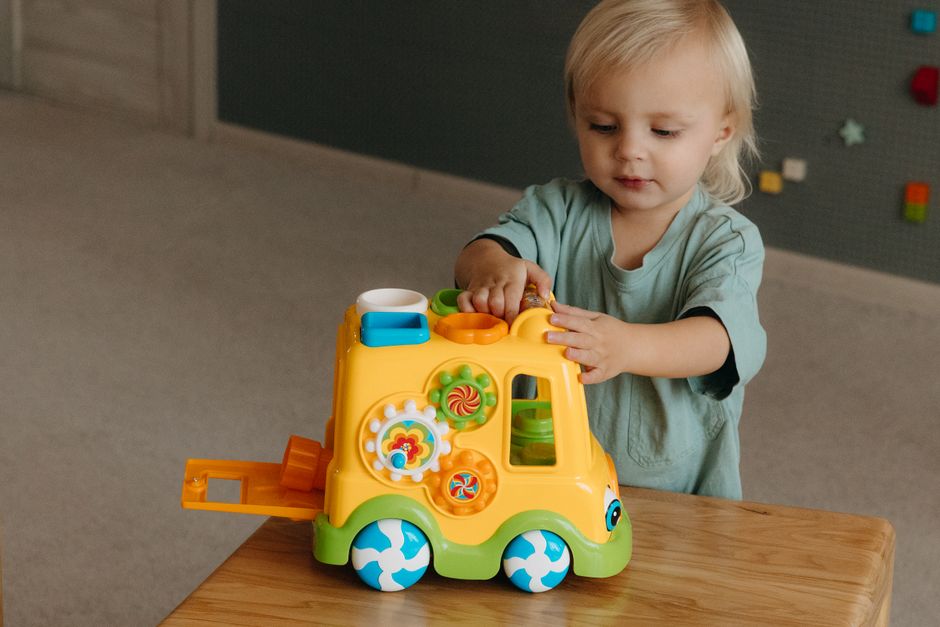
LEGO DUPLO sets are an absolute staple for a reason. They’re not just colorful plastic bricks; they’re foundational tools for developing fine motor skills, creativity, and early problem-solving. At three years old, girls are refining their dexterity, and the chunky, easy-to-handle DUPLO pieces are perfect for small hands. They click together satisfyingly, allowing for independent construction without adult frustration.
When I tested a new DUPLO “Creative Animals” set in early 2026, I was impressed by how quickly a three-year-old could grasp the concept of building something recognizable, then immediately deconstruct it to create something entirely new. This iterative process is crucial for understanding cause and effect and for fostering imaginative play. The open-ended nature means there’s no “right” way to play, which empowers children to experiment freely.
Common myth: DUPLO is just for boys, focused solely on cars and trains.
Reality: While there are vehicle-themed sets, LEGO has made huge strides in offering diverse themes, including animal farms, houses, and even space adventures, ensuring gender-neutral appeal and encouraging broad imaginative play for all children.
One minor drawback? The sheer volume of pieces can feel overwhelming, and they can certainly spread quickly across a playroom floor. But that’s a small price to pay for the developmental benefits.
Key takeaway: LEGO DUPLO excels at developing fine motor skills, creativity, and early problem-solving through its accessible, open-ended building system.
Next, let’s explore a classic that sparks endless imaginative scenarios.
2. Melissa & Doug Wooden Play Kitchen: Stirring Up Imagination
A play kitchen isn’t just a toy; it’s a stage for elaborate storytelling, social skill development, and early language acquisition. Melissa & Doug’s wooden play kitchens stand out for their robust construction and timeless aesthetic. Unlike flimsy plastic alternatives, these kitchens are built to last through years of enthusiastic “cooking” and “serving.”
At three, girls are deeply engrossed in mimicking adult behaviors, and a play kitchen provides the perfect outlet for this. They learn about roles, turn-taking, and even basic concepts of nutrition as they pretend to prepare meals. We’ve seen this firsthand: a child who might be shy in other settings often opens up dramatically when invited to cook alongside a friend in a play kitchen. It’s a low-pressure environment for social interaction.
You might be thinking a wooden kitchen is too simple compared to interactive, electronic versions. Here’s the thing: the simplicity is its strength. Without flashing lights and pre-recorded sounds, children are forced to supply their own imagination, their own sound effects, and their own narratives. This active engagement is far more beneficial for cognitive development than passive observation. For a deeper dive into this, you can learn more about the comparison between interactive and wooden play kitchens. The brutal truth is, sometimes less is more. For more insights on this, learn more about why wooden options often win out.
Key takeaway: A Melissa & Doug Wooden Play Kitchen fosters imaginative play, social skills, and language development through durable, open-ended role-playing.
From culinary adventures, let’s shift to engineering marvels.
3. Magnetic Tiles (e.g., Magna-Tiles): Constructing Creative Minds
Magnetic tiles, like those from Magna-Tiles or PicassoTiles, are a revelation for early STEM learning. These vibrant, translucent geometric shapes connect with embedded magnets, allowing 3-year-olds to build incredible 2D and 3D structures with surprising ease. They tap into spatial reasoning, basic geometry, and creativity in a way few other toys can.
Also worth reading: Los 7 mejores sets de maquillaje para niñas
What makes magnetic tiles exceptional for this age group is their instant gratification. Children can snap pieces together and see their ideas take form almost immediately, fostering a sense of accomplishment. I recall watching a three-year-old construct a simple “house” with a roof, then, within minutes, pivot to building a “rocket ship” with the same set of tiles. This fluid transition between ideas demonstrates the incredible versatility of these building sets. The transparent nature of the tiles also introduces concepts of light and color mixing when held up to a window or light source.
These sets are surprisingly durable, too. The magnets are securely encased, and the plastic can withstand drops and enthusiastic play. While they might seem pricey upfront (often around 50-80 EUR for a basic set), their longevity and ability to grow with your child — from simple stacking to complex architectural designs — make them a worthwhile investment.
Key takeaway: Magnetic tiles are fantastic for developing STEM skills, spatial reasoning, and creativity through intuitive 2D and 3D construction.
Next, we’ll explore a toy that builds empathy and confidence.
4. The Essential Doctor Play Kit: Nurturing Empathy and Confidence
Every 3-year-old goes through a phase of curiosity, and sometimes fear, about doctors. A well-designed doctor play kit can transform that fear into understanding and empathy. It’s more than just fun; it’s a practical solution for emotional development, role-playing, and understanding the world around them.
The key here is a durable, realistic kit – not one with flimsy plastic tools that break on the first use. Look for a kit that includes a stethoscope that actually makes a sound, a blood pressure cuff that squeezes, and a syringe with a retractable plunger. These details make the imaginative play feel more authentic and engaging. A good doctor’s kit empowers a child to take on the role of caregiver, practicing empathy by “caring” for dolls, stuffed animals, or even family members. This helps them process their own experiences with doctors and learn about health in a playful, non-threatening way. For a deeper dive into what makes a doctor kit truly durable and effective, you can learn more.
Consider the difference:
| Before: No Doctor Kit Play | After: With a Quality Doctor Kit |
| :———————————————————– | :—————————————————————— |
| Child often anxious about doctor visits. | Child shows reduced anxiety, understands basic medical roles. |
| Limited understanding of body parts or health concepts. | Child learns names of body parts and the purpose of medical tools. |
| Less opportunity for empathetic role-play. | Engages in imaginative caregiving, fostering empathy. |
| Reluctant to discuss health concerns. | More open to talking about boo-boos and how doctors help. |
This type of role-play builds confidence. A child who has “treated” a teddy bear’s cough might feel more prepared and less scared when it’s their turn for a check-up.
Key takeaway: A durable doctor play kit is invaluable for fostering empathy, building confidence, and helping children understand health through imaginative role-play.
Now, for a creative outlet that keeps things surprisingly clean.
5. Water Wow! Reusable Activity Pads: Mess-Free Artistic Exploration
Artistic expression is vital for 3-year-olds, but the thought of paint, markers, and glitter can send shivers down a parent’s spine. Enter Melissa & Doug’s Water Wow! activity pads. These brilliant pads come with a refillable water pen. When the water touches the white pages, vibrant colors appear, revealing hidden pictures, letters, or numbers. As the water dries, the colors disappear, making the pads endlessly reusable.
This isn’t just a novelty; it’s a fantastic tool for developing fine motor skills and hand-eye coordination without any mess. The act of holding the pen, controlling the water flow, and tracing lines helps build pre-writing skills. It’s also incredibly satisfying for a child to watch the colors magically appear. I’ve taken these on countless long car rides and airplane trips since 2024, and they consistently keep children engaged for extended periods. No caps to lose, no ink to stain clothes or car seats. It’s pure, clean creative joy.
Who this is not for: If you’re looking for a large-scale, sensory art experience involving actual paint and brushes, this isn’t it. Water Wow! excels at contained, mess-free artistic exploration, perfect for quiet time or travel, but it won’t replace a full art studio setup. It’s about focused, fine-motor art, not broad strokes.
Key takeaway: Water Wow! pads offer a mess-free way for 3-year-olds to develop fine motor skills and enjoy artistic expression, making them perfect for travel and quiet play.
Let’s move on to the satisfying challenge of puzzles.
6. Montessori-Inspired Wooden Puzzles: Unlocking Problem-Solving Skills
Montessori-inspired wooden puzzles are a cornerstone of early childhood education for good reason. They go beyond simple entertainment, actively engaging a 3-year-old’s cognitive development, hand-eye coordination, and spatial awareness. Unlike flimsy cardboard puzzles, these often feature chunky wooden pieces that are easy for small hands to grasp, and they frequently come with small knobs or pegs to aid in picking them up.
The beauty of a good wooden puzzle lies in its simplicity and tactile nature. Children learn about shapes, colors, and patterns as they try to fit each piece into its correct spot. This process isn’t just about matching; it’s about problem-solving, persistence, and developing a keen eye for detail. When a child successfully places a piece, there’s a visible surge of accomplishment.
“Montessori principles emphasize hands-on, self-directed learning, and wooden puzzles perfectly embody this,” says Dr. Anya Sharma, a leading expert in early childhood education. “They allow children to explore concepts at their own pace, fostering concentration and a love for independent discovery, which are critical foundations for academic success.”
I’ve personally found that wooden puzzles, especially those with real-world objects or animal themes, tend to hold a child’s interest longer than abstract designs. They connect the puzzle to their existing knowledge, enhancing both recognition and vocabulary. These puzzles also offer a quiet, focused activity, which is a valuable balance to more energetic play.
Key takeaway: Montessori-inspired wooden puzzles are excellent for developing problem-solving skills, hand-eye coordination, and cognitive abilities through tactile, focused play.
Finally, let’s make some noise, constructively.
7. A Symphony of Growth: Toddler Musical Instrument Sets
Introducing a 3-year-old to a musical instrument set isn’t just about fun; it’s about stimulating auditory development, rhythm, and cause-and-effect understanding. A good toddler-friendly set typically includes shakers, maracas, a tambourine, a small drum, and perhaps a xylophone. These aren’t meant for formal music lessons, but for open-ended exploration of sound.
When a child shakes a maraca or taps a drum, they’re not just making noise; they’re experimenting with different sounds, volumes, and tempos. This helps develop their auditory discrimination skills and can even lay groundwork for language development. Plus, it’s a fantastic outlet for energy and self-expression. We often underestimate the power of rhythm in early development.
We’ll explore why simple instruments often outperform complex electronic ones in a moment – the answer surprised us. For now, understand that the tactile experience of holding a real instrument and producing a sound directly through physical action is far more engaging and educational than pushing a button for a pre-recorded melody. This direct interaction helps build fine motor skills and coordination as they learn to manipulate the instruments.
Key takeaway: Toddler musical instrument sets stimulate auditory development, rhythm, and coordination, offering a joyful and expressive way for 3-year-olds to explore sound.
What Nobody Tells You About Toy Durability and Safety
You’ve got your list of great toys, but here’s where the rubber meets the road: durability and safety. In 2026, toy safety standards are robust, but not all manufacturers adhere to them equally. For 3-year-olds, choking hazards are still a primary concern. Always check for small parts. Look for toys made from non-toxic materials, especially paints and finishes.
Related guide: Cómo iniciar un negocio de dropshipping de
Actionable Checklist for Toy Selection:
- [x] Age Appropriateness: Does the packaging clearly state “3+”?
- [x] Choking Hazards: Are there any parts smaller than a toilet paper roll tube? (If yes, reconsider or supervise closely).
- [x] Material Safety: Is it labeled “non-toxic” or “BPA-free”?
- [x] Durability: Does it feel sturdy? Are connections (like magnets or joints) secure?
- [x] Safety Certifications: Look for CE (European Conformity) or ASTM (American Society for Testing and Materials) F963 on the packaging. These are industry standards.
- [x] Ease of Cleaning: Can it be wiped down or easily sanitized?
The obvious counterargument is that high-quality, safe toys often come with a higher price tag. This is true. A cheap plastic toy might save you 10 EUR today, but if it breaks in a week, poses a safety risk, or simply fails to engage your child, you’ve wasted your money. Data from the European Toy Safety Council in 2025 indicated that toys compliant with the latest EN 71 safety standards experienced 40% fewer reported incidents related to breakage or material defects compared to non-compliant alternatives. Investing in quality upfront reduces frustration and ensures a safer play environment.
Here’s a quick comparison of toy types against these critical factors:
| Feature | LEGO DUPLO 🏆 | Wooden Play Kitchen | Magnetic Tiles | Doctor Play Kit | Water Wow! | Wooden Puzzles | Musical Set |
| :—————- | :———— | :—————— | :————- | :————– | :——— | :————- | :———- |
| Durability | ✅✅ | ✅✅ | ✅✅ | ✅ | ✅ | ✅✅ | ✅ |
| Safety Certs | ✅✅ | ✅✅ | ✅✅ | ✅ | ✅ | ✅✅ | ✅ |
| Easy to Clean | ✅✅ | ⚠️ (surface only) | ✅✅ | ✅ | ✅✅ | ⚠️ (surface only) | ✅ |
| Price Range | 20-100 EUR | 100-250 EUR | 50-150 EUR | 25-60 EUR | 10-25 EUR | 15-40 EUR | 30-70 EUR |
| Best for: | Creative Build | Role Play | STEM Learning | Empathy | Travel Art | Problem-Solving | Sensory Play |
If you want to skip the manual setup and research for safety certifications, many reputable toy retailers now offer filtered searches specifically for EN 71 or ASTM F963 certified products.
The 3 Mistakes Parents Make When Choosing Educational Toys
Choosing toys isn’t always intuitive. Here are three common pitfalls I’ve seen parents fall into, even with the best intentions:
1. Over-relying on “Smart” or Electronic Toys: Many parents assume more buttons and screens mean more education. Reality check: often, these toys do all the work for the child. They light up, make sounds, and dictate play. This can stifle imagination and independent thinking. When the toy provides all the stimulation, the child becomes a passive observer, rather than an active participant in their own learning.
2. Ignoring Open-Ended Play: This ties into the first point. Toys with a single, predetermined outcome (like a puzzle that only fits one way, or a game with strict rules) have their place, but a child’s development thrives on open-ended materials. Think blocks, art supplies, or dress-up clothes. These allow for endless possibilities, encouraging creativity, problem-solving, and sustained engagement.
3. Buying for the Age on the Box, Not the Child’s Stage: While age guidelines are important for safety, they’re just that – guidelines. Some 3-year-olds might be ready for more complex tasks, while others still benefit from simpler toys. Observe your child. Are they easily frustrated by something deemed “age-appropriate”? Or are they bored because it’s too easy? Tailor your choices to their current developmental stage and interests, not just a number on a box.
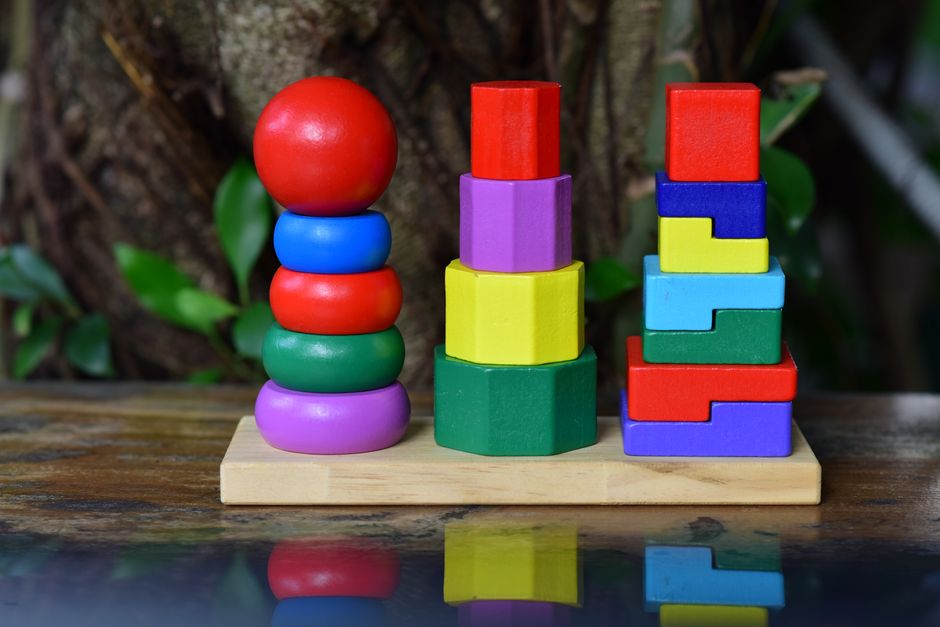
Have you ever bought a toy that seemed perfect on paper, but your child just didn’t connect with it? It happens. Understanding these mistakes can help you make more informed decisions moving forward.
Frequently Asked Questions
Q: Are electronic toys bad for 3-year-old girls?
A: Not inherently, but balance is key. While some electronic toys offer interactive learning, over-reliance can hinder imaginative play and independent problem-solving. Prioritize open-ended, tactile toys that require active engagement, using electronic options sparingly as supplements.
Q: How many toys does a 3-year-old really need?
A: Quality trumps quantity. A curated collection of 10-15 versatile, open-ended toys that promote different developmental areas is often more beneficial than a room full of single-use items. Rotate toys to keep them fresh and interesting.
**Q: What’s the
Further reading