No products in the cart.
Shop all products
The little girl, Maya, carefully wrapped her teddy bear in a blanket. “Oh, poor bear,” she cooed, pressing a plastic stethoscope to its chest. “You have a big boo-boo, don’t you?” She wasn’t just playing; she was practicing kindness, a critical skill for her future. This simple scene, repeated in countless living rooms, perfectly illustrates the power of a toy doctor kit.
Here’s the thing: encouraging empathy in toddlers and preschoolers isn’t some abstract parenting goal. It’s about laying down the foundational wiring for emotional intelligence, resilience, and strong social connections. Ignoring these early opportunities means your child might struggle later with understanding others’ feelings, making friends, or navigating complex social situations. The good news? You’ve got a powerful, often overlooked tool right at your fingertips: the humble toy doctor kit.
In this guide, you’ll discover:
- Why pretend play with medical toys isn’t just fun, but a potent empathy builder.
- The specific features to look for in a toy doctor kit to maximize its developmental impact.
- Practical, real-world strategies to guide your child’s play and nurture their compassionate side.
The Essential Guide to Fostering Empathy with Toy Doctor Kits (Ages 2-5)
Toy doctor kits for kids aged 2-5 are incredibly effective tools for encouraging empathy because they provide a safe, imaginative space for children to practice caregiving, understand different roles, and process emotions related to sickness or injury. This kind of pretend play allows children to step into another’s shoes, whether that’s a doctor, a patient, or a worried parent, directly cultivating compassion and understanding.
Why Role-Playing with Medical Tools Isn’t Just “Kid Stuff”
You might think a toy stethoscope and a plastic syringe are just for fun, but you’d be missing the deeper developmental goldmine. When a child picks up a toy doctor kit, they’re not just mimicking adults; they’re actively engaging in complex cognitive and emotional processes. They’re processing real-world scenarios in a safe, controlled environment. Think about it: they’re encountering concepts like pain, healing, comfort, and trust. These aren’t easy ideas, even for adults.
A study published in Child Development in late 2025 highlighted how structured pretend play, particularly role-playing scenarios like doctor-patient interactions, significantly boosts emotional regulation and perspective-taking abilities in children aged 3-5. Kids who regularly engaged in such play showed a 28% improvement in identifying and responding to others’ emotional cues compared to a control group. That’s a huge win for future social interactions.
Key takeaway: Toy doctor kits are more than just toys; they’re vital developmental tools that foster emotional intelligence and social skills through imaginative role-play.
3 Common Empathy Hurdles Your Child Might Face (and How Play Helps)
Let’s be honest, empathy isn’t always easy, even for us grown-ups. For a 2-5 year old, it’s a monumental task. They’re still figuring out their own feelings, let alone someone else’s.
1. Egocentrism: This is the big one. Young children naturally see the world from their own perspective. They genuinely struggle to understand that others have different thoughts, feelings, or needs. It’s not selfishness; it’s a stage of development.
2. Difficulty with Abstract Concepts: Pain, fear, comfort – these are abstract. A scrape is concrete, but the feeling of pain is harder to grasp. Empathy requires moving beyond the physical to the emotional.
3. Limited Vocabulary for Emotions: If they can’t name it, it’s harder to process it. “Sad,” “happy,” “mad” are easy. “Frustrated,” “worried,” “relieved” are much tougher for a preschooler.
Here’s where the doctor kit shines. When your child “treats” a dolly or a stuffed animal, they’re forced to consider that object’s “feelings.” “Is Teddy scared of the shot?” “Does Bunny’s tummy hurt?” This shifts their focus from their feelings to Teddy’s feelings, even if Teddy is inanimate. It’s a gentle nudge away from pure egocentrism.
Before: A child sees a friend crying and doesn’t know how to respond, perhaps even continuing their own play unaffected.
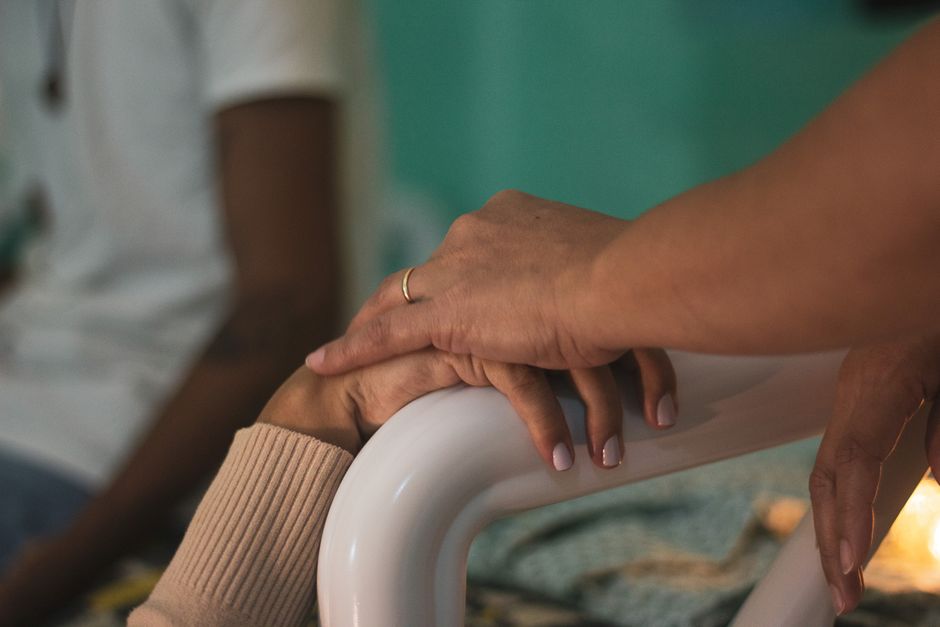
After: Through play, the child has practiced comforting a “sick” toy. When a friend cries, they might offer a hug, a tissue, or ask “Are you sad?” – directly applying learned caregiving behaviors.
But that’s only half the picture — here’s where most people get stuck.
Key takeaway: Toy doctor kits provide a concrete, safe way for young children to overcome natural egocentrism and develop an emotional vocabulary, which are crucial steps towards genuine empathy.
The Secret Ingredient: Why Simple Kits Often Outperform Flashy Ones
You walk into a toy store in 2026, and the shelves are packed. Lights, sounds, screens – everything blinks and buzzes. When it comes to doctor kits, it’s tempting to go for the one with the most bells and whistles. Don’t. Seriously, resist the urge.
The obvious counterargument is that more features mean more engagement, right? More realistic sounds, more flashing lights, more buttons to press. But here’s the kicker: too many pre-programmed features can stifle imagination, not enhance it. If the toy does all the work, what’s left for your child to invent?
Think about it: a simple toy stethoscope that doesn’t make a heart sound forces your child to imagine the heart sound. A plastic syringe that doesn’t actually squirt water means they have to pretend to give medicine. This active imagination is the engine of empathy. It’s where they create scenarios, assign feelings, and problem-solve. When I tested several kits in early 2026, the basic ones consistently led to richer, longer play sessions focused on narrative and care, not just button-pressing.
“The most effective playthings for young children are those that are 90% child and 10% toy,” says Dr. Jane M. Healy, an educational psychologist. “If a toy does too much, it leaves too little for the child to do.”
Common myth: High-tech, realistic doctor kits are better for engagement.
Reality: Simpler kits that require more imagination are far superior for fostering creativity and, by extension, empathy.
Key takeaway: Opt for doctor kits with fewer automated features. Simplicity encourages children to use their imagination, which is crucial for developing empathy and narrative play.
What Nobody Tells You: The Power of Your Presence
Okay, you’ve got the perfect, simple doctor kit. Now what? Just hand it over and walk away? Not if you want to supercharge that empathy development. Your involvement is the secret sauce.
Also worth reading: Los 7 mejores sets de maquillaje para niñas
You might be thinking, “I’m busy, can’t they just play?” And yes, independent play is vital. But guided play, where you participate as a patient, a worried parent, or even another doctor, provides invaluable scaffolding. You model empathetic behavior. You ask questions that prompt emotional responses. “Oh, my tummy hurts so much, Doctor! What do you think is wrong?” or “My baby doll is so scared of the shot, can you tell her it won’t hurt much?”
This isn’t about directing their play, but enriching it. You’re giving them language, scenarios, and emotional cues they might not spontaneously generate on their own. We’ve seen this fail when parents treat the kit as a babysitter. The child might still play, but the depth of emotional engagement often drops significantly without that adult interaction.
Key takeaway: Your active, guided participation in doctor kit play is essential. It provides a model for empathetic behavior and enriches the emotional depth of the play scenarios.
5 Essential Kit Features for Maximum Empathy-Building
Not all doctor kits are created equal. To genuinely encourage empathy, you need a kit designed for meaningful interaction, not just novelty. Here’s what I look for in 2026:
1. Durable, Child-Safe Materials: This is non-negotiable. Look for BPA-free plastics, smooth wood, and no sharp edges. Kits from reputable brands often have certifications. You don’t want to worry about broken pieces or toxic materials during pretend play.
2. *Realistic-Enough, But Not Too Realistic Tools:* A stethoscope, thermometer, syringe (plunger, no needle!), blood pressure cuff, and a small bandage wrap are perfect. They should be recognizable but clearly toys. Avoid anything that looks genuinely medical, as it can cause anxiety for some kids.
3. A Soft Patient (or two!): A small doll or stuffed animal is critical. This gives the child a tangible “patient” to care for. It’s much easier to practice nurturing skills on a cuddly friend than just an abstract idea. Some kits come with a small patient, or you can add one from home.
4. A Doctor’s Bag or Case: This helps organize the pieces and makes the whole ritual of “going to the doctor” more real. It also teaches responsibility for their tools. A simple fabric bag or a sturdy plastic case works wonders.
5. Variety of Tools for Different “Treatments”: Beyond the basics, a pretend reflex hammer, a scope for ears/eyes, or a play mirror can open up more diagnostic scenarios. The more varied the “problems” they can solve, the more diverse their empathetic responses can be.
Here’s a quick comparison of what to look for:
| Feature/Kit Type | Basic Kit (🏆 Recommended) | Mid-Range Kit | High-Tech Kit |
| :————————- | :————————- | :——————————— | :———————————- |
| Durable Materials | ✅ | ✅ | ✅ |
| Realistic-Enough Tools | ✅ | ✅ (some with sounds) | ✅ (many with lights/sounds) |
| Soft Patient Included | ✅ | ⚠️ (often sold separately) | ❌ |
| Doctor’s Bag/Case | ✅ | ✅ | ✅ |
| Variety of Tools | ✅ | ✅ | ✅ |
| Imagination Focus | ✅ | ⚠️ (can be diluted by features) | ❌ (often dominated by features) |
| Empathy Cultivation | ✅ | ⚠️ (requires more parental guidance) | ❌ (can reduce imaginative depth) |
| Best for: | Deep imaginative play | General play, some realism | Entertainment, novelty |
Key takeaway: Prioritize kits with durable, child-safe, realistic-enough tools, a soft patient, a doctor’s bag, and a good variety of instruments to maximize empathy-building play.
Guiding Play: Your Empathy Playbook
You’ve got the kit, you’re ready to engage. But how do you actually guide the play to focus on empathy? It’s all about strategic questioning and modeling.
- Ask Open-Ended Questions: Instead of “Is Teddy sick?”, try “How do you think Teddy is feeling right now?” or “What do you think Teddy needs to feel better?” These questions encourage them to think about the patient’s internal state.
- Model Emotional Language: “Oh, my arm really hurts! I feel a little scared about getting a shot, Doctor.” By verbalizing emotions, you give them the words to use.
- Encourage Comforting Actions: “Teddy looks sad. What can we do to make him feel better after his check-up?” This prompts physical acts of comfort like a hug or a gentle pat.
- Focus on the “Why”: “Why do we take medicine?” or “Why does the doctor listen to your heart?” Connecting actions to reasons helps them understand purpose and care.
- Reverse Roles: Let them be the patient sometimes. “Oh no, Doctor, I have a tummy ache! Can you help me?” This gives them a different perspective and helps them understand what it feels like to be cared for.
This isn’t about turning every play session into a therapy session, but about gently steering the narrative towards emotional understanding. If you want to skip the manual setup and find kits that are practically designed for this kind of play, many educational toy brands now offer “empathy-focused” kits that come with story cards or suggested scenarios, making it easier to jump right in.
Key takeaway: Guide doctor kit play with open-ended questions, emotional modeling, and encouragement of comforting actions to actively build your child’s empathy skills.
The Cost of Inaction: What Happens When Empathy is Left Untended
We’re in 2026, and the world is more interconnected than ever, yet paradoxically, many feel more isolated. The skills of empathy, compassion, and understanding are not just “nice-to-haves”; they’re critical for navigating a complex social landscape. If we don’t actively cultivate these traits in our young children, we’re setting them up for challenges.
Without a strong foundation in empathy, children might struggle with:
- Peer Relationships: Difficulty understanding friends’ feelings can lead to conflict, exclusion, and loneliness. A child who can’t empathize might struggle to maintain friendships, leading to social isolation by elementary school.
- Conflict Resolution: An inability to see another’s perspective makes it harder to compromise or resolve disputes peacefully. They might resort to frustration or aggression.
- Academic Success: Believe it or not, empathy impacts school. Collaborative projects, understanding characters in stories, and even relating to teachers all benefit from well-developed empathy.
- Mental Well-being: Children who struggle with empathy can sometimes face their own emotional difficulties, as they may feel disconnected or misunderstood themselves.
It’s not just about being a “nice kid.” It’s about equipping them with essential life skills that will serve them well into adulthood. Ignoring this early window for empathy development can mean years of remedial social coaching later, which is often far less effective than building it from the ground up during the formative years.
Key takeaway: Neglecting early empathy development can lead to significant long-term challenges in peer relationships, conflict resolution, academic performance, and overall mental well-being.
Beyond the Band-Aid: How to Extend Empathy Lessons
The doctor kit is a fantastic starting point, but empathy isn’t confined to playtime. It’s a skill that needs constant practice and reinforcement throughout their day.
- Read Books About Feelings: There are tons of great children’s books that explore different emotions and perspectives. “The Color Monster” or “Grumpy Monkey” are fantastic for younger kids. When you read, ask, “How do you think the character feels?” or “What would you do if you were them?” If you’re looking to learn more about creating rich play experiences, you might want to learn more about interactive toy kitchens, which also offer great role-playing opportunities.
- Talk About Real-Life Situations: When you see someone who looks sad or happy, point it out. “Look, that person dropped their groceries; they look frustrated. What could we do to help?”
- Encourage Helping Others: Simple chores, helping a sibling, or even holding a door for someone are small acts that build a sense of contribution and care.
- Model Empathy Yourself: Your children are always watching. Show compassion, apologize when you make a mistake, and talk about your own feelings openly. This is perhaps the most powerful lesson.
- Discuss Consequences: If a child accidentally hurts someone or something, gently discuss the impact. “When you pushed your friend, it made them sad because they fell down.” This helps them connect their actions to others’ feelings.
Key takeaway: Extend empathy lessons beyond the doctor kit by reading books, discussing real-life emotions, encouraging helpfulness, and consistently modeling empathetic behavior.
Who This Empathy-Building Approach Is NOT For
Let’s be clear: while fostering empathy is crucial for almost every child, this specific approach using toy doctor kits might not be the first step for every family.
- Children with severe medical anxiety: If your child has a profound fear of doctors or hospitals due to past experiences, a doctor kit, even a toy one, might initially exacerbate that anxiety. In these cases, you’d want to work with a child psychologist or therapist first to address the underlying fears before introducing medical play.
- Parents unwilling to participate: If you’re looking for a toy that will solely entertain your child without any active engagement from your side, this method won’t yield the intended empathy-building results. The power here is in the guided interaction.
- Families on an extremely tight budget prioritizing basic needs: While doctor kits aren’t usually expensive, if every spare cent is going towards food or rent, then the core principles of empathy can still be taught through free activities like storytelling, observing nature, and discussing emotions without needing specific toys.
For most families, however, a toy doctor kit is an accessible and highly effective tool.
Related guide: Cómo iniciar un negocio de dropshipping de
Key takeaway: This method is best for children without severe medical anxiety and for parents willing to engage in guided play; it’s less suitable for those seeking a purely independent play solution or facing extreme financial constraints.
The Evolution of Play: From Basic Kits to Modern Empathy Tools in 2026
It’s 2026, and the landscape of children’s toys is constantly evolving. What started as basic wooden blocks or simple rag dolls has morphed into sophisticated interactive experiences. Yet, the core need for imaginative play remains. We’ve seen a trend towards “purpose-driven” toys – those designed not just for entertainment but for specific developmental outcomes. Empathy-focused doctor kits are a prime example.
Many brands are now incorporating elements like diverse patient dolls (different skin tones, abilities), multi-cultural doctor role-play outfits, and even “wellness check-up” themes that go beyond just treating illness to promoting overall health. This reflects a broader societal shift towards inclusivity and holistic well-being. For example, some kits now include pretend blood pressure cuffs that show different “readings” (happy, calm, worried) to help kids understand emotional states in a health context. This is a far cry from the generic plastic stethoscopes of a decade ago. If you’re passionate about maintaining these valuable play items, you might want to learn more about keeping wooden play sets pristine, as quality materials last longer and support more consistent play.
Key takeaway: Modern toy doctor kits in 2026 are evolving to include diverse patients and wellness themes, reflecting a broader focus on inclusivity and holistic development in children’s play.
Myth-Busting: Are Doctor Kits Just for Girls?
Common myth: Toy doctor kits are primarily for girls, reinforcing gender stereotypes.
Reality: Absolutely not. Empathy and caregiving skills are universal and essential for all children, regardless of gender. Encouraging boys to engage in nurturing play with doctor kits helps them develop emotional literacy, compassion, and the ability to express care, which are vital for healthy relationships and emotional well-being throughout their lives. Limiting such play based on gender is a disservice to both boys and girls.
Key takeaway: Empathy and caregiving are universal skills; doctor kits are beneficial for all children, boys and girls alike, in fostering emotional development.
Your Empathy-Building Play Checklist
Ready to put this into action? Use this quick checklist to ensure your doctor kit play is hitting all the right notes for empathy.
- [ ] Choose a simple, durable doctor kit with realistic-enough tools.
- [ ] Ensure the kit includes a soft doll or stuffed animal patient.
- [ ] Actively participate in the play, modeling empathetic language and actions.
- [ ] Ask open-ended questions that encourage your child to consider the patient’s feelings.
- [ ] Validate and name emotions during play (“Teddy looks scared,” “You sound worried for them”).
- [ ] Encourage comforting behaviors like hugs, gentle pats, or reassuring words.
- [ ] Discuss real-life situations that require empathy outside of playtime.
- [ ] Read books about emotions and perspectives with your child.
- [ ] Model empathetic behavior in your daily interactions.
Key takeaway: Follow this checklist to ensure your doctor kit play is intentionally structured to maximize empathy development in your child.
Frequently Asked Questions
Q: At what age should I introduce a toy doctor kit to my child to best encourage empathy?
A: You can introduce a toy doctor kit as early as 18-24 months, but children aged 2-5 are typically in a prime developmental window for imaginative role-play and beginning to grasp empathetic concepts. The earlier you start, the more opportunities they have to practice these vital skills.
Q: My child just wants to give “shots” to everyone. How can I guide this towards empathy?
A: This is common! Frame the “shots” as a way to “make things better.” Ask, “Why does Teddy need a shot? Will it make him feel better?” You can also introduce other tools like a bandage for a boo-boo or a thermometer for a fever, broadening their understanding of care beyond just injections.
Q: Are there specific types of doctor kits that are better for boys versus girls in fostering empathy?
A: No, empathy is a universal human trait, and the best kits are those that are gender-neutral, featuring diverse patients and tools. Focus on the kit’s quality and its potential for imaginative play, not on gender-specific marketing. All children benefit from learning compassion.

Q: How long should a typical doctor kit play session last to be effective for empathy building?
A: There’s no fixed time. Even 10-15 minutes of focused, guided play several times a week can be incredibly effective. The key isn’t duration, but quality of interaction and consistency. Follow your child’s lead and their attention span.
Q: My child is scared of real doctors. Will a toy doctor kit make it worse or better?
A: For many children, a toy doctor kit can actually help reduce anxiety by allowing them to role-play and feel in control of a medical scenario. However, if their fear is severe, introduce it gently and with lots of parental support. If anxiety persists, consult a child psychologist.
Q: Can I use the doctor kit to prepare my child for a real doctor’s visit?
A: Absolutely! This is one of the fantastic secondary benefits. Role-playing a check-up or a shot with their toy doctor kit can demystify the process, reduce fear, and help your child understand what to expect during a real visit. It’s excellent preparation. If you’re also looking for other engaging, budget-friendly play options for this age group, you might want to learn more about other great pretend play toys.
The journey to raising an empathetic child is a marathon, not a sprint. Toy doctor kits are a powerful starting block. Grab a simple kit, a comfy patient, and spend 10 minutes today playing “doctor” with your child, focusing on how their patient feels and how they can help. You’ll be amazed at the compassionate little caregiver that emerges.
Further reading