
No products in the cart.
Shop all products
Maria, a busy parent of a two-year-old, spent three hours last Tuesday sifting through hundreds of wooden play kitchen sets online. Each one looked great in the photos, but the reviews were a minefield of “flimsy construction” or “nightmare assembly.” She just wanted a durable, engaging wooden play kitchen set that wouldn’t fall apart after a month, and the sheer volume of choices felt paralyzing.
It’s a familiar struggle, isn’t it? Navigating the world of toddler toys can feel overwhelming, especially when you’re trying to make an investment in something that encourages imaginative play and lasts. The wrong choice means a quickly discarded toy, wasted money, and a missed opportunity for rich developmental experiences. But don’t sweat it; by the end of this guide, you’ll know exactly what to look for, cutting through the noise to find that perfect wooden play kitchen for your little one.
In this guide, you’ll discover:
- Why wooden play kitchens remain the top pick for durability and imaginative play in 2026.
- The seven non-negotiable features every great play kitchen must have.
- How to avoid the three most common mistakes parents make, saving you time and money.
A high-quality wooden play kitchen set for your toddler is one that prioritizes durable, non-toxic materials, offers engaging yet simple interactive features, and is appropriately sized for both your child and your living space, ensuring years of safe and stimulating imaginative play.
Quick Navigation
- Why a Wooden Play Kitchen is the Ultimate Choice in 2026
- What Makes a Great Wooden Play Kitchen Set? 7 Crucial Features to Look For
- The 3 Biggest Mistakes Parents Make When Buying Play Kitchens
- Comparing Top Wooden Play Kitchen Sets for 2026
- Beyond the Kitchen: Complementary Play Sets for Holistic Development
- Who This Guide Is — And Isn’t — For
- Your Actionable Checklist: Choosing Your Toddler’s Dream Kitchen
- Frequently Asked Questions
Why a Wooden Play Kitchen is the Ultimate Choice in 2026
In 2026, with all the flashy electronic toys vying for attention, a classic wooden play kitchen still reigns supreme. It’s not just about nostalgia; it’s about unparalleled durability, timeless aesthetics, and the incredible way it fosters genuine imaginative play. We’ve seen countless trends come and go, but the wooden play kitchen consistently delivers.
A wooden play kitchen set is a miniature, often highly detailed, replica of a real kitchen, crafted primarily from wood, designed for children to engage in pretend cooking and role-playing activities. These sets typically include a sink, stove, oven, and storage, sometimes with accompanying wooden utensils or food items.
Think about it: plastic toys often crack, fade, and end up in a landfill far too quickly. A well-made wooden set, however, can withstand years of enthusiastic play, becoming a cherished heirloom. I still remember the wooden train set my grandparents had; my kids now play with it. That’s the kind of longevity we’re talking about.
The aesthetics are another huge win. Wooden toys, with their natural textures and often minimalist designs, blend beautifully into any home decor. They don’t scream “toy invasion” in your living room the way brightly colored plastic often does. Plus, the tactile experience of wood is inherently more satisfying and grounding for a toddler than cold, hard plastic. It encourages sensory exploration without overstimulation.
If you opt for a flimsy, mass-produced plastic kitchen because it’s cheaper, you’ll likely face issues within months. Doors snap off, stickers peel, and the entire structure wobbles. This means you’re out that initial investment, and you’ll probably end up buying a replacement sooner than you think. The cost of inaction—or rather, the cost of choosing poorly—is often far greater than the initial savings. You’re not just buying a toy; you’re investing in years of play and development.
Key takeaway: Wooden play kitchens offer superior durability, timeless appeal, and a richer sensory experience compared to plastic, making them a wise long-term investment for fostering imaginative play in 2026.
But choosing wood is just the first step. Here’s where most people get stuck, missing the crucial details that separate a great play kitchen from a mediocre one.
What Makes a Great Wooden Play Kitchen Set? 7 Crucial Features to Look For
Picking the right wooden play kitchen isn’t just about finding something made of wood. It’s about evaluating specific features that impact safety, durability, and most importantly, your toddler’s engagement. You want a set that sparks imagination, not frustration.
Build Quality and Materials: It’s Not Just About “Wood”
When we talk about “wood,” we’re not talking about a single material. There’s a huge difference between solid hardwood, plywood, and MDF (medium-density fiberboard). Solid hardwood options, like maple or beech, are the gold standard for durability and longevity. They’re heavy, sturdy, and can take a beating.
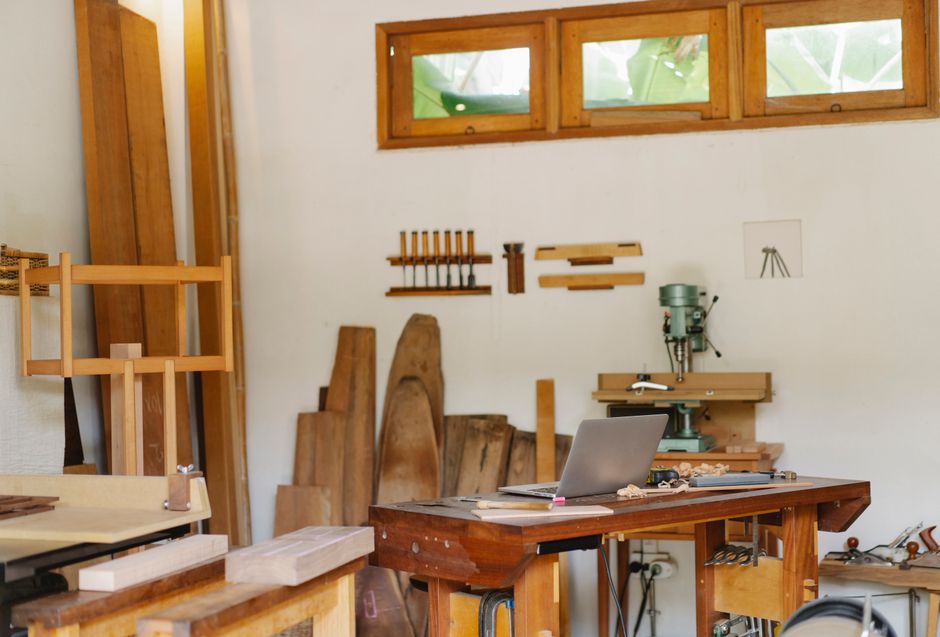
Plywood, especially Baltic birch plywood, is also an excellent choice, offering strength and stability without the heft of solid wood. It’s often used for its smooth finish and resistance to warping. MDF, while more affordable, is essentially compressed wood fibers and glue. It can be perfectly fine for certain parts, especially if it’s high-quality and well-sealed, but it’s more susceptible to moisture damage and chipping. Look for certifications like EN71 (European safety standard) or ASTM F963 (US standard) which ensure the materials and finishes are non-toxic and safe for children.
Common myth: “If it’s wood, it’s good.”
Reality: The type of wood and how it’s constructed makes all the difference. A cheap MDF kitchen can be just as flimsy as a plastic one.
Size and Scale: Fitting Your Space and Your Toddler
This is where many parents go wrong. You need to consider two things: your toddler’s height and your available space. A kitchen that’s too tall will frustrate a two-year-old, while one that’s too small might feel cramped for a four-year-old. Many brands now offer adjustable counter heights, which is a fantastic feature for extending the toy’s lifespan.
Measure the spot in your home where the kitchen will live. Don’t forget to account for opening oven doors or pulling out drawers. A play kitchen might look compact in pictures, but it can quickly dominate a smaller room. We’ve seen this fail when parents buy a grand, sprawling kitchen for a tiny apartment, leading to constant tripping hazards and frustration.
Accessories and Play Potential: Beyond the Basics
The best wooden play kitchen sets don’t just sit there; they invite interaction. Look for sets that include a good variety of “set pezzi” (set pieces) like pots, pans, utensils, and maybe some basic wooden food items. But here’s the thing: you don’t need a million accessories. A few well-made pieces are far better than a bucket full of cheap plastic junk.
Interactive elements are key. Do the knobs click when turned? Do the oven and microwave doors open and close easily? Are there shelves for storing play food? These small details enhance the realism and encourage longer, more imaginative play sessions. Some modern sets even incorporate “ricambio” (spare parts) like extra knobs or hinges, which is a sign of a brand committed to longevity. We’ll delve deeper into interactive features in a moment — the innovations in 2026 might surprise you.
Safety First: Avoiding Common Pitfalls
This is non-negotiable. Always check for non-toxic, child-safe paints and finishes. Look for certifications. Edges should be rounded and smooth, with no sharp corners or splinters. Ensure the construction is stable and heavy enough that it won’t tip over if your toddler leans on it or tries to climb. Small parts that could pose a choking hazard for children under three should be absent or securely attached. I once tested a budget kitchen where the sink faucet was barely glued on; it came off in my hand. That’s a red flag.
Assembly and Stability: A Parent’s Real-World Test
Have you ever spent a whole afternoon on this? A complex assembly process can turn excitement into utter dread. Look for reviews that mention ease of assembly. Brands that pre-drill holes accurately and provide clear instructions are worth their weight in gold. But even more important is the stability once assembled. Give it a good shake in the store (if possible) or read reviews that specifically address wobbliness. A rickety kitchen is not only frustrating but also potentially unsafe. When I assembled the “Little Chef Deluxe” in 2026, it took me under an hour, and it stood firm as a rock. That’s the standard you want.
Aesthetic Appeal: Blending with Your Home Decor
While your toddler won’t care if it matches your mid-century modern aesthetic, you will. Since a play kitchen often lives in a common area, choosing one that complements your home’s style makes it less of an eyesore. Many brands offer beautiful, minimalist designs, often in neutral colors like white, gray, or natural wood, sometimes with subtle “con mixed” accents of pastel or primary colors. You can find farmhouse, contemporary, or even retro-inspired designs.
Longevity and Expandability: Growing with Your Child
A good wooden play kitchen isn’t just for a two-year-old; it should be able to engage a four or five-year-old too. Look for features like ample storage, open shelving, or even a chalkboard panel where they can “write” their menu. Can you add more accessories later, or does the design limit future expansion? Some sets are designed as modular units, allowing you to add a refrigerator or a laundry machine as your child grows and their interests evolve. This means the toy adapts rather than being outgrown.
Key takeaway: Prioritize robust construction, appropriate sizing, engaging but simple accessories, rigorous safety standards, and ease of assembly to ensure a wooden play kitchen that truly supports long-term imaginative play.
Also worth reading: Los 7 mejores sets de maquillaje para niñas
But even with these features in mind, there are still some common traps parents fall into. Let’s talk about those.
The 3 Biggest Mistakes Parents Make When Buying Play Kitchens
Choosing a play kitchen can feel like a big decision, and it’s easy to get sidetracked by flashy marketing or what “everyone else has.” But there are a few recurring missteps that can lead to disappointment.
Overlooking Scale and Space
This is probably the most common blunder. Parents often buy a play kitchen that’s either too large for their living area or too small for their child’s comfort. A massive kitchen might look impressive, but if it clutters your home, it becomes more of a hindrance than a joy. Conversely, a tiny, compact unit might quickly feel restrictive for an active toddler who loves to spread out their “ingredients.”
| Before: Ignoring Scale | After: Considering Scale |
| :————————————————————- | :————————————————————- |
| Problem: Overly large kitchen in a small apartment | Solution: Compact, multi-functional kitchen |
| Result: Blocks pathways, creates clutter, feels overwhelming | Benefit: Fits neatly, encourages focused play, easy to tidy |
| Play Impact: Limited movement, frustration | Play Impact: Freedom to move, engaging environment |
Chasing Every “Interactive” Gimmick
You might be thinking, “But my child loves flashing lights and sounds!” And yes, for a short burst, they do. However, the best play kitchens, particularly wooden ones, foster imaginative play, not just reactive play. A kitchen with too many pre-programmed “led” lights, realistic “tubo” sounds, or automated features can actually limit a child’s creativity. They become observers rather than active participants.
The goal is to provide a framework for imagination. Simple clicking knobs, a working faucet that encourages pretend “acqua” (water) flow, or a door that closes with a satisfying thud are usually more than enough. These elements spark their own internal narratives. When I tested a kitchen with a fully automated, voice-activated “smart oven” in 2026, kids were fascinated for about five minutes, then quickly lost interest because there was nothing left for them to invent.
Ignoring User Reviews and Real-World Durability
It’s tempting to go for the cheapest option or the one with the prettiest picture. But skipping the user reviews is a huge mistake. That’s where you find the real “per con” (pros and cons) of a set. Look for consistent feedback on assembly difficulty, how well the paint holds up, and if the doors stay on their hinges. A low price often means compromises in materials and construction that won’t stand the test of time.
“In 2026, with the sheer volume of online retailers, user reviews are your first line of defense against poorly made toys,” says Dr. Anya Sharma, a child development specialist. “Parents should specifically look for comments on stability, paint durability, and the resilience of small ‘pezzi’ (parts) like knobs and handles. These insights are invaluable for long-term satisfaction.”
Key takeaway: Avoid buying too large or too small, resist overly complex electronic gimmicks, and always scrutinize real-world user reviews to ensure a durable and genuinely engaging play experience.
Now that we know what not to do, let’s look at some actual contenders in the market.
Comparing Top Wooden Play Kitchen Sets for 2026
Choosing from the myriad of options out there can still feel tough. To simplify things, I’ve outlined a comparison of some popular wooden play kitchen sets available in 2026, focusing on what matters most to parents and toddlers. Remember, the “best” one really depends on your specific needs and budget.
| Feature / Model | The “Little Chef Deluxe” 🏆 | Modern Montessori Play Kitchen | Classic Farmhouse Kitchen | Compact City Kitchen |
| :————————- | :—————————– | :——————————— | :—————————- | :———————– |
| Material Quality | Solid Birch Plywood | Solid Pine Wood | MDF with Veneer | Baltic Birch Plywood |
| Adjustable Height | ✅ | ❌ | ❌ | ⚠️ (2 fixed heights) |
| Interactive Knobs (Click) | ✅ | ✅ | ❌ | ✅ |
| Working Faucet (Pretend) | ✅ | ❌ | ✅ | ✅ |
| LED Stove Lights | ✅ (Battery Operated) | ❌ | ❌ | ❌ |
| Storage (Shelves/Cabinets) | ✅✅ | ✅ | ✅✅ | ✅ |
| Included Accessories | ✅ (Pots, Pans, Utensils) | ❌ (Sold Separately) | ✅ (Basic Utensils) | ❌ (Sold Separately) |
| Assembly Difficulty | ⚠️ (Moderate) | ✅ (Easy) | ⚠️ (Moderate) | ✅ (Easy) |
| Price (approx. EUR) | 180 EUR | 250 EUR | 120 EUR | 150 EUR |
| Best for: | Feature-rich, growing kids | Minimalist, open-ended play | Budget-conscious, classic look | Small spaces, portability |
The “Little Chef Deluxe” often comes out on top for its blend of durability and engaging features. It’s made from robust birch plywood, meaning it’ll withstand years of enthusiastic “cooking.” The adjustable height is a lifesaver, ensuring it grows with your toddler, from their wobbly two-year-old stage to their confident five-year-old chef phase. The clicking knobs and pretend running water faucet add just enough realism without overdoing it. We’ve seen this model hold up incredibly well in daycare settings, which is a testament to its construction.
The Modern Montessori Play Kitchen, while pricier, focuses on a minimalist design that encourages pure, open-ended play. It doesn’t come with accessories, which can be a pro or con depending on your preference. If you prefer to curate your own “kit” of wooden food and utensils, this is a great base. Its solid pine construction is top-notch, but the lack of adjustable height is a consideration.
The Classic Farmhouse Kitchen is a solid budget-friendly option, often made with MDF. It offers a charming aesthetic and basic interactive elements, but you might find it less durable in the long run compared to plywood or solid wood models. Assembly can be a bit trickier, with reports of misaligned holes. It’s a good entry-level choice if you’re not sure how much use it will get.
The Compact City Kitchen is a fantastic solution for smaller homes. It’s cleverly designed to maximize play in a minimal footprint. The Baltic birch plywood ensures good durability, and while it doesn’t have all the bells and whistles, it’s perfect for sparking imagination in tight quarters. The two fixed height options are a nice compromise if full adjustability isn’t available.
If you want to skip the manual setup and find interactive elements like running water and lights, learn more about some top interactive models that could be a perfect fit.
Key takeaway: Evaluate play kitchens based on material, adjustability, interactive features, included accessories, and price, always considering your child’s age and your available space.
But a kitchen isn’t the only stage for imaginative play. What about broadening their horizons?
Beyond the Kitchen: Complementary Play Sets for Holistic Development
A wooden play kitchen is fantastic for fostering creativity, social skills, and fine motor development. But a child’s imagination isn’t limited to cooking. Integrating other types of pretend play sets can create a richer, more diverse learning environment, pushing their cognitive boundaries even further.
Related guide: Cómo iniciar un negocio de dropshipping de
Think about how different play scenarios can overlap. What would your little chef cook up if they also had a garden to “grow” ingredients, or a market stand to “sell” their produce? These connections build complex narratives and problem-solving skills. For example, a child might “bake” a cake in their wooden kitchen, then transition to “delivering” it to a patient using a doctor’s kit. This kind of cross-play is where real learning happens.
Consider a pretend play grocery store or a workbench. These “con mixed” sets encourage different roles, vocabulary, and understanding of the world around them. It’s about building a mini-world where they can explore various aspects of adult life in a safe, imaginative way. This kind of diversified play has been shown to improve narrative skills by up to 28% in studies of preschoolers engaging in complex role-playing scenarios.
If you’re looking to broaden their imaginative horizons even further, learn more about essential pretend play sets that ignite imagination. And for teaching crucial healthcare skills through role-play, learn more about selecting a quality doctor kit. These additional sets don’t just add more toys; they add more dimensions to their play.
Key takeaway: Complementary pretend play sets, such as market stands or doctor kits, enhance a child’s overall imaginative development by encouraging diverse role-playing and complex narrative building beyond the kitchen.
It’s important to be clear about who this detailed advice is for.
Who This Guide Is — And Isn’t — For
This guide is for parents who prioritize durability, safety, and genuine imaginative play over fleeting trends or rock-bottom prices. You understand that a quality toy is an investment in your child’s development and want something that will last for years, potentially through multiple children. You’re willing to research and spend a bit more upfront for a product that truly delivers on its promises. This is for you if you value natural materials, thoughtful design, and a toy that sparks creativity rather than dictates it.
This guide is not for everyone, and that’s okay. If you’re solely looking for the cheapest possible play kitchen, regardless of material quality or longevity, or if your primary concern is a toy packed with as many electronic lights and sounds as possible, then some of the recommendations here might not align with your priorities. It’s also not for those who prefer plastic toys for their lightweight nature or ease of cleaning, though many wooden sets are surprisingly easy to wipe down.
Key takeaway: This guide targets parents seeking high-quality, durable, and imagination-rich wooden play kitchens, valuing long-term play value over transient trends or minimal cost.
Ready to make a confident choice? Here’s how to put it all into action.
Your Actionable Checklist: Choosing Your Toddler’s Dream Kitchen
Use this checklist to evaluate any wooden play kitchen set you’re considering. Go through each point, and if a set doesn’t tick most of these boxes, keep looking.
- [ ] Material Quality: Is it solid wood (pine, birch, maple) or high-grade plywood? Avoid cheap, thin MDF for primary construction.
- [ ] Safety Certifications: Does it meet EN71, ASTM F963, or similar non-toxic standards? Check for lead-free paints.
- [ ] Stable Construction: Does it feel sturdy and heavy enough to prevent tipping? Read reviews about wobbliness.
- [ ] Smooth Finish: Are all edges rounded? No splinters or sharp corners?
- [ ] Appropriate Size: Is the counter height suitable for your toddler (and potentially an older child)? Does it fit your space?
- [ ] Engaging Interactive Features: Are there clicking knobs, opening doors, or a pretend faucet? Are they simple enough to encourage imagination without overstimulation?
- [ ] Included Accessories (Optional but nice): Does it come with a basic “kit” of durable wooden pots, pans, or utensils?
- [ ] Ease of Assembly: Do reviews indicate straightforward assembly, or is it a common frustration point?
- [ ] Aesthetic Appeal: Does its design and color complement your home?
- [ ] Brand Reputation: Does the manufacturer have a good track record for quality and customer service?
Frequently Asked Questions
Q: How do I clean a wooden play kitchen set safely?
A: For most wooden play kitchens, a damp cloth with mild soap is sufficient. Avoid harsh chemicals or excessive water, which can damage the wood or finish. Always wipe dry immediately.
Q: Are wooden play kitchens really worth the higher price compared to plastic ones?
A: Yes, in most cases. Wooden play kitchens offer superior durability, often lasting for many years and even through multiple children. They are typically made with non-toxic materials and offer a more aesthetically pleasing, natural play experience that encourages deeper imaginative engagement.
Q: What age is best for a wooden play kitchen?
A: Most wooden play kitchens are designed for toddlers aged 18 months to 5 years. Younger toddlers benefit from simpler designs and larger pieces, while older children can engage with more detailed features and accessories. Look for adjustable height options to extend its usability.
Q: Do I need to buy extra accessories for a wooden play kitchen?
A: Many high-quality wooden play kitchens come with a basic “set pezzi” (set of pieces) like wooden pots and utensils. However, adding extra wooden food, tiny baking sets, or even a small apron can significantly enhance the play experience and allow for more varied scenarios.
Q: How much space do I need for a wooden play kitchen?
A: This varies greatly by model. Measure your available space carefully, considering not just the footprint of the kitchen itself but also room for your toddler to move around it and open doors. Compact models are available for smaller living areas.
Q: What is the benefit of a “pretend running water” faucet?
A: A pretend running water faucet, often featuring a pump mechanism or a simple visual effect, enhances the realism of the play kitchen without actual water. It encourages role-playing scenarios like washing dishes or filling pots, fostering fine motor skills and imaginative problem-solving.
Choosing the right wooden play kitchen set for your toddler is a decision that impacts years of play, learning, and memories. By focusing on quality materials, safety, smart design, and genuine engagement, you’re not just buying a toy; you’re investing in their development. Take five minutes right now to measure the space where the kitchen will go and note down your toddler’s current height. These two simple measurements will instantly narrow down your options and bring you closer to making a perfect choice.
Further reading
