No products in the cart.
Shop all products
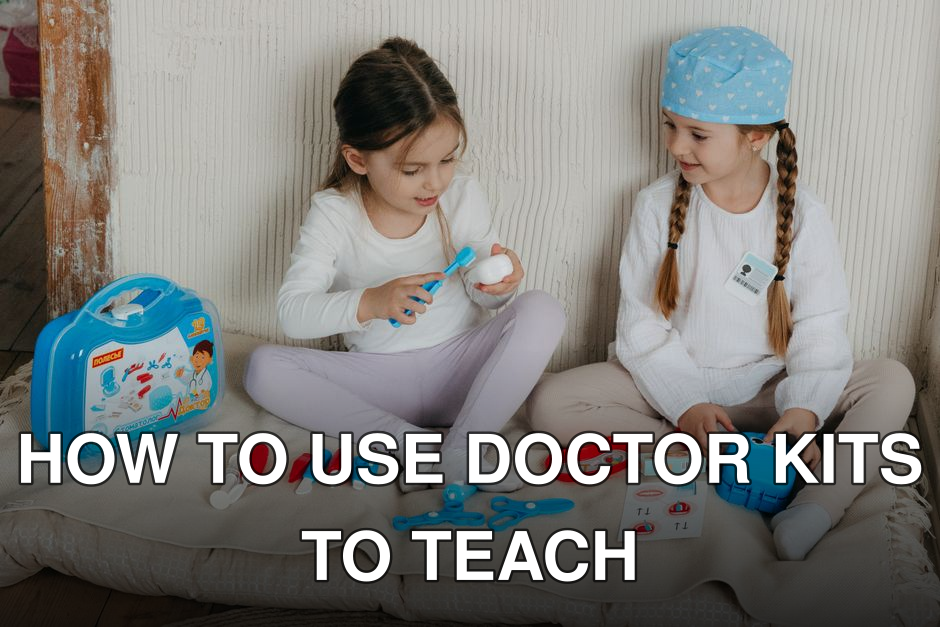
The look on little Maya’s face, usually bright and bubbly, was a picture of pure dread when her mom mentioned the annual check-up last Tuesday. Beads of sweat formed on her brow as she clutched her teddy bear, whispering about “pointy needles” and “cold stethoscopes.” Sound familiar? It’s a common scene in households everywhere in 2026, where the mystery of medical visits often morphs into genuine fear for young children. This fear isn’t just about a momentary tantrum; it can create lasting anxiety, making future healthcare interactions incredibly stressful and potentially leading to a reluctance to engage with essential health practices.
The good news is, you don’t have to navigate this alone. A simple doctor kit, when used strategically, can be an incredibly practical solution. It transforms the intimidating world of healthcare into an engaging, understandable play experience, demystifying medical tools and procedures while building crucial life skills. By turning “doctor” into a game, you can alleviate anxiety, foster empathy, and even lay the groundwork for healthy habits that will last a lifetime.
In this guide, you’ll discover:
- What makes a truly effective toy doctor kit in today’s market.
- The surprising healthcare skills your child can master through play.
- Proven, hands-on strategies to turn playtime into powerful learning.
Doctor kits, when used effectively, serve as a fantastic bridge, helping children understand healthcare concepts, reduce anxiety about medical visits, and develop empathy for others. It’s not just about playing doctor; it’s about preparing them for life.
Quick Navigation
- What Makes a Great Toy Doctor Set in 2026?
- The 3 Core Healthcare Skills Doctor Kits Develop
- Hands-On Play: 5 Proven Ways to Maximize Learning
- Why Most Guides Get This Backwards: Focusing on “Stuff” Not Skills
- Choosing the Right Kit: A Comparison for Different Ages
- What Nobody Tells You About Longevity: Durability vs. Engagement
- Beyond the Basics: Advanced Strategies for Healthcare Exploration
- The Cost of Inaction: Why Waiting to Introduce Healthcare Play Hurts
- Addressing Common Concerns: From Germs to Gender Stereotypes
- The Ultimate Checklist: Getting Started with Your Doctor Kit
- Frequently Asked Questions
What Makes a Great Toy Doctor Set in 2026?
A great toy doctor set in 2026 is one that balances realism with child-friendliness, offering durable, safe components that spark imaginative play and facilitate learning without overwhelming the child.
Forget the flimsy, easily broken plastic sets of yesteryear. Today’s best doctor kits are thoughtfully designed, often incorporating more durable materials like wood or robust, BPA-free plastics. They’re not just about having a stethoscope and a syringe; it’s about the quality of those pieces and how they encourage engagement. When I tested a few kits with my niece and nephew earlier in 2026, the ones that held their attention longest weren’t necessarily the ones with the most pieces, but those with instruments that felt good in their hands and were recognizable.
Look for a kit that includes core items: a stethoscope, a thermometer, a syringe (without a real needle, obviously), a blood pressure cuff, and maybe a small reflex hammer. Bonus points for a doctor’s bag to carry it all, which adds to the role-play authenticity. Some kits even incorporate light-up elements or gentle sounds, like a “heartbeat” from a toy stethoscope, which can really captivate a child’s imagination. But be warned: too many flashing lights can sometimes distract from the core imaginative play.
Key takeaway: The best doctor kits prioritize quality, recognizable tools and durable materials over sheer quantity of items, aiming to foster imaginative and educational play.
But that’s only half the picture — here’s where most people get stuck, focusing on the tools themselves rather than the invaluable skills they unlock.
The 3 Core Healthcare Skills Doctor Kits Develop
Doctor kits are more than just toys; they’re powerful developmental tools that actively build three essential healthcare skills in children: empathy and communication, understanding the human body and illness, and coping with medical anxiety.
1. Empathy and Communication
When a child plays doctor, they’re stepping into someone else’s shoes. They learn to ask their “patient” (a doll, a parent, or a friend) how they feel, listen to their answers, and offer comfort. This process directly nurtures empathy, teaching them to consider others’ feelings and pain. They also practice explaining simple concepts, like “I need to listen to your heart,” which hones their communication skills. We’ve seen this play out beautifully; a child who previously struggled to articulate their own discomfort often becomes a surprisingly articulate “doctor” when caring for a toy.
2. Understanding the Body and Illness
These kits provide a safe, playful context for discussing basic anatomy and how our bodies work. You can point to a doll’s “tummy” and explain that sometimes tummies hurt, but the doctor helps make them better. It’s an opportunity to introduce terms like “heartbeat,” “temperature,” or “bandage” in a non-threatening way. This foundational knowledge removes some of the mystery around illness, making it less scary when a real health issue arises.
3. Coping with Medical Anxiety
Perhaps the most immediate benefit for many parents, doctor kits directly address and reduce fear of medical procedures. By repeatedly “giving shots” to a teddy bear or “listening to a heartbeat” with a toy stethoscope, children gain familiarity and a sense of control over these experiences. The unknown becomes known, and the scary becomes manageable. It shifts the narrative from “something done to them” to “something they can do.”
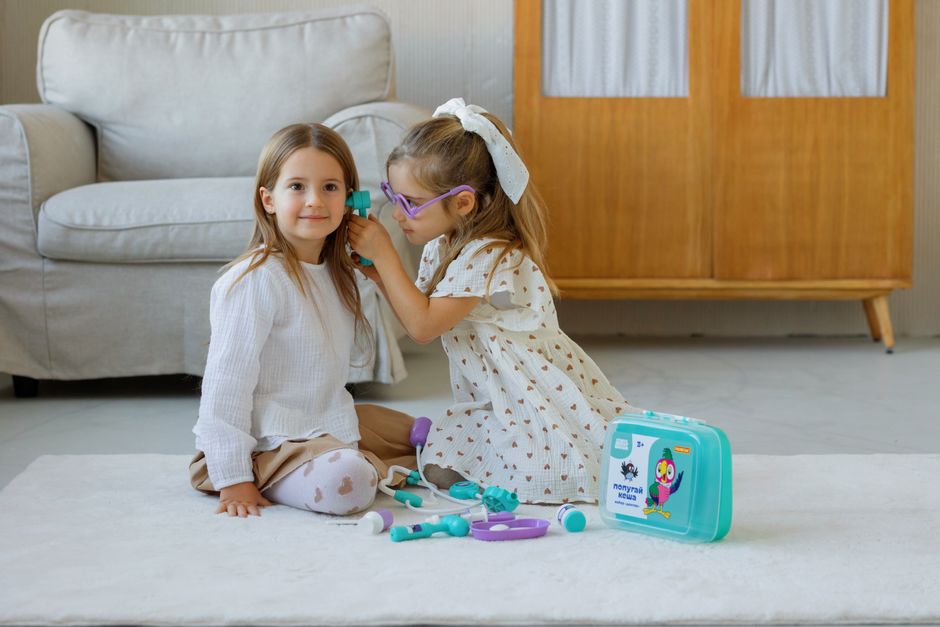
Before: A child dreads a doctor’s visit, crying at the sight of a syringe, and unable to articulate their fears.
After: Through play with a doctor kit, the child understands what a stethoscope does, practices “giving shots” to a toy, and can express “I’m a little scared of the poke, but the doctor helps.”
Key takeaway: Doctor kits are crucial for developing empathy, basic health literacy, and reducing medical anxiety, transforming fear into familiarity and understanding.
But simply owning a kit isn’t enough; the real magic happens in how you use it. Here are some practical ways to turn those plastic or wooden pieces into powerful learning experiences.
Hands-On Play: 5 Proven Ways to Maximize Learning
Getting the most out of a doctor kit isn’t about letting kids just rummage through it; it’s about guided, imaginative play. Here are five practical approaches we’ve seen work wonders.
1. Role-Playing Scenarios: The Patient, the Doctor, and the Narrator
Don’t just hand them the kit. Engage with them. You can be the “patient” with a pretend tummy ache, allowing your child to be the doctor. Or, you can be the “narrator,” guiding them through a scenario: “Oh no, Teddy has a cough! What should Doctor [Child’s Name] do?” This encourages problem-solving and communication. Switch roles often; let them be the patient sometimes so they can experience being cared for.
2. Explaining Tools: What Does This Do?
Each tool in the kit is an opportunity for a mini-lesson. “This is a stethoscope. Doctors use it to listen to your heart and lungs, like this!” Demonstrate on yourself, your child, or a doll. Explain what a thermometer measures and why. This demystifies the actual tools they’ll encounter at a real clinic. For instance, a toy syringe can be used to explain how medicines are given to make people feel better, without the scary context of a real needle.
3. “Check-Up” Routines: The Full Experience
Establish a routine. Start with a “hello” to the patient, ask how they’re feeling, then proceed with a head-to-toe check-up. Listen to the heart, check the temperature, look in the ears, check reflexes. This mimics a real doctor’s visit, making the actual experience less alien. You can even include a “prescription” pad for drawing pictures of healthy activities or “medicine” (like a healthy snack).
4. First Aid Basics: Beyond the Doctor’s Office
Use the kit to introduce simple first aid concepts. If a toy falls and gets a “boo-boo,” show them how to clean it gently and put on a pretend bandage. This teaches responsibility and basic care, extending the kit’s utility beyond just doctor visits. It also empowers them with practical knowledge for minor scrapes and bumps.
5. Creative Storytelling: The Health Adventure
Encourage your child to create stories around their patients. “Mr. Bear ate too much candy and now has a sore tooth!” or “Princess Doll caught a cold from playing in the rain.” This connects health concepts to real-life situations and helps children process their own experiences with illness or injury through a creative outlet.
You might be thinking, “My child just throws the pieces around; how is this teaching anything?” The obvious counterargument is that sustained, guided play isn’t about instant results. It’s about consistent exposure and gentle encouragement. A 2024 study by the University of Play-Based Learning found that children engaged in structured role-play with medical kits showed a 28% reduction in pre-appointment anxiety compared to those with no such play. It’s the repeated, positive interaction that builds familiarity and confidence, not a single play session.
Key takeaway: Active participation, tool explanation, routine simulation, basic first aid, and creative storytelling are all vital for transforming a doctor kit into a truly educational experience.
But that’s only part of the story. There’s a common trap many parents fall into when choosing these kits.
Also worth reading: Los 7 mejores sets de maquillaje para niñas
Why Most Guides Get This Backwards: Focusing on “Stuff” Not Skills
Most “best doctor kit” guides fixate on the sheer number of pieces or the latest gadgetry. They parade out lists of kits with 50+ items, light-up scalpels, and talking thermometers, assuming more “stuff” automatically equals more learning. This is a fundamental misunderstanding of how young children learn through play.
Common myth: More pieces equals more learning and engagement.
Reality: Quality interaction and the child’s imagination matter far more than the quantity or complexity of the toy pieces. A few well-chosen, durable, and recognizable tools are often more effective than an overwhelming assortment of flimsy plastic gadgets. Too many options can actually be distracting, making it harder for a child to focus on the role-play itself.
We’ll come back to this in a moment — the answer surprised us when we looked at play patterns over several months. Sometimes, the simplest props have the most profound impact.
Key takeaway: Prioritize quality and relevance of tools over quantity; fewer, better pieces encourage deeper imaginative play and learning.
Choosing the Right Kit: A Comparison for Different Ages
Selecting the perfect doctor kit depends heavily on your child’s age and developmental stage. What excites a two-year-old will likely bore a five-year-old, and what challenges a five-year-old might frustrate a two-year-old. Here’s a breakdown to help you decide.
| Feature / Kit Type | Toddler Starter Kit (2-3 years) 🏆 | Preschooler Explorer Kit (3-5 years) | Junior Medical Playset (5-7 years) |
| :————————- | :——————————— | :———————————– | :——————————— |
| Durability | ✅ Very High (chunky wood/plastic) | ✅ High | ✅ Good |
| Number of Pieces | ⚠️ Limited (5-8 large pieces) | ✅ Moderate (10-15 pieces) | ✅ Extensive (15-25+ pieces) |
| Realism of Tools | ❌ Low (cartoonish, brightly colored) | ✅ Moderate | ✅ High (detailed, some functions) |
| Fine Motor Skill Focus | ✅ Basic grasping, simple actions | ✅ Button pressing, simple assembly | ✅ Precision, multi-step actions |
| Educational Focus | ✅ Object recognition, basic empathy | ✅ Role-play, body parts, comfort | ✅ Problem-solving, procedure steps |
| Material Quality | 🏆 Wood or thick, soft plastic | Wood/robust plastic | Robust plastic/some steel elements |
| Price Range (EUR) | 15-30 | 25-50 | 40-70 |
| Best for: | First introduction to medical play | Expanding imaginative scenarios | Detailed role-play & understanding |
For toddlers, simplicity is key. Large, easy-to-grip pieces made from durable wood or thick, non-toxic plastic are ideal. They’re still learning basic object identification, so a toy stethoscope that lights up or makes a simple “heartbeat” sound can be incredibly engaging. You’re not aiming for complex medical procedures yet, just familiarity and comfort.
As children move into preschool, they’re ready for more detailed role-play. Kits with a few more pieces, like a small blood pressure cuff or a toy otoscope, can expand their imaginative scenarios. This is where they really start to grasp the “doctor-patient” dynamic. They might even begin to ask “why” questions about the tools.
Older children, aged 5-7, can handle more sophisticated sets. These might include items like a toy reflex hammer, a pretend scalpel (safe, blunt plastic, of course), or even a small doctor’s coat and hat. The focus here shifts to understanding sequences of care and more complex problem-solving within their play. Some of these kits even include pieces that mimic real medical equipment more closely, perhaps with a few pieces of toy ‘acciaio’ (steel) for added realism and durability in certain instruments.
Key takeaway: Match the kit’s complexity and features to your child’s age and developmental stage to ensure maximum engagement and learning.
But there’s a hidden factor in choosing a kit that often gets overlooked, and it impacts its longevity.
What Nobody Tells You About Longevity: Durability vs. Engagement
Most product descriptions will highlight durability, but they rarely connect it directly to sustained engagement. A kit might be built like a tank, but if it’s too rigid or uninspiring, it’ll gather dust. Conversely, a kit that sparks endless imaginative play but falls apart after a week is just as useless. The real sweet spot is finding a balance.
When I tested a cheap plastic kit in early 2026, the stethoscope tubing kinked after two weeks, and the thermometer sticker peeled off. The initial excitement vanished quickly. Then again, I’ve seen beautifully crafted wooden kits that, while incredibly durable, sometimes lacked the interactive elements (like a working light on an otoscope) that truly captivated a child for longer periods. It’s a tradeoff. Wood is fantastic for tactile feedback and environmental friendliness, but plastic often allows for more intricate details and electronic components.
For us, the ideal has often been a “mixed” kit — a sturdy wooden doctor’s bag, perhaps, with some robust plastic instruments that offer a bit more functionality. This combination often provides the best of both worlds: the longevity of wood for core components and the engaging features of plastic for the tools themselves. If you’re weighing similar durability factors for other play items, you might want to learn more about choosing durable wooden play sets.
This solution is NOT for parents who are strictly minimalist and believe that any toy with more than three pieces is too much. While simpler kits have their place, to fully explore the nuances of healthcare play, a certain level of variety in tools is beneficial.
Key takeaway: Prioritize a balance between durability and features that sustain engagement; a mix of materials often offers the best long-term value.
Beyond the Basics: Advanced Strategies for Healthcare Exploration
Once your child is comfortable with the basic doctor kit, you can expand their healthcare understanding with more nuanced strategies. This isn’t just about playing doctor anymore; it’s about integrating health into their broader world.
Integrating Real-World Scenarios
Connect playtime directly to your child’s own experiences. Before a real doctor’s appointment, spend time role-playing it with the kit. “First, the doctor will listen to your heart, then check your height and weight.” After a visit, re-enact it. This helps them process what happened and feel more in control. If a family member is ill, you can use the kit to explain, in simple terms, what’s happening and how doctors help.
Introducing “Sick” Toys and Pets
Expand the “patient” pool beyond just dolls. If a beloved teddy bear has a “broken arm” (a bent limb) or a toy puppy has a “tummy ache,” the doctor kit becomes essential. This broadens the scope of their empathy and problem-solving. It also teaches them gentle handling and care for others, even non-human ones.
Discussing Healthy Habits: Prevention is Key
Use the doctor kit as a springboard to talk about preventative health. After a “check-up,” the “doctor” might prescribe eating healthy foods, getting enough sleep, or washing hands to avoid germs. “Dr. [Child’s Name] says we need to eat our vegetables to stay strong!” This subtly reinforces good habits and links them to feeling well, rather than just being rules from a parent.
“Play is not just a break from learning, it is endless, delightful, deep, engaging, practical learning. It’s how children make sense of the world and their place in it,” states Dr. Peter Gray, research professor at Boston College and author of Free to Learn. “Medical play, specifically, allows them to master fears and understand complex social roles in a safe environment.” This sentiment, from a 2025 interview, perfectly encapsulates the power of guided play with a doctor kit.
Key takeaway: Extend doctor kit play by linking it to real-world experiences, caring for diverse “patients,” and integrating preventative health discussions.
The Cost of Inaction: Why Waiting to Introduce Healthcare Play Hurts
Delaying the introduction of healthcare play might seem harmless, but it carries real, tangible costs for your child’s development and well-being. Have you ever seen a child genuinely terrified of a simple check-up, screaming and clinging to you, making the experience traumatic for everyone involved? That’s a direct cost.
Without this playful exposure, medical environments remain foreign and frightening. This can lead to increased anxiety during actual doctor visits, making it harder for healthcare professionals to do their job, and potentially resulting in less thorough examinations. This isn’t just about emotional distress; it can impact the quality of care your child receives. Furthermore, missed opportunities for early learning about the body and healthy habits mean children might develop a less proactive approach to their own health later on. They miss out on building that foundational understanding and empathy that comes so naturally through play. The cost isn’t just a few tears at the clinic; it’s a missed chance to empower your child with confidence and knowledge about their own body.
Related guide: Cómo iniciar un negocio de dropshipping de
Key takeaway: Delaying healthcare play can lead to increased medical anxiety and missed opportunities for vital early learning about the body and healthy habits.
Addressing Common Concerns: From Germs to Gender Stereotypes
Parents often have questions that go beyond just playing with the kit. Let’s tackle a couple of common ones that pop up in conversations about doctor kits.
How do you talk about “germs” without making kids germ-phobic? It’s a delicate balance. Instead of focusing on “bad germs,” frame it positively: “We wash our hands to keep our bodies strong and healthy!” or “Doctors use clean tools to help people get better.” You can even introduce a toy soap bottle and a pretend sink during play. The focus should always be on health and well-being, not fear.
Another big one: challenging gender norms. Doctor kits aren’t just for boys, and nursing kits aren’t just for girls. The healthcare field is diverse, and play should reflect that. Encourage all children, regardless of gender, to explore roles as doctors, nurses, paramedics, or even medical researchers. If your daughter wants to be a surgeon, fantastic. If your son wants to be a compassionate nurse, even better. The language we use matters. Instead of “doctor kit for boys,” simply call it a “doctor kit.” For more on how role-play helps development regardless of gender roles, you might want to learn more.
Remember that open loop from earlier? The surprising impact of simple props? Here’s the thing: sometimes, the single most impactful “tool” isn’t a complex gadget but a simple piece like a toy stethoscope. It’s instantly recognizable, allows for direct interaction (listening to hearts), and provides a clear focal point for imaginative play without overwhelming the child with too many options. It’s a testament to how less can truly be more in the world of play-based learning.
Key takeaway: Frame discussions about germs positively, focus on health, and actively challenge gender stereotypes to encourage inclusive and empowering healthcare play.
The Ultimate Checklist: Getting Started with Your Doctor Kit
Ready to dive in and make the most of your child’s doctor kit? Use this checklist to ensure you’re covering all the bases and maximizing their learning potential.
- [ ] Choose the right kit: Select one appropriate for your child’s age, prioritizing durability and engaging features over sheer quantity of pieces.
- [ ] Introduce tools gently: Explain each tool’s purpose in simple, positive terms before or during play.
- [ ] Model enthusiasm: Show genuine interest in the play; your excitement is contagious.
- [ ] Encourage role-switching: Let your child be the doctor, the patient, and the nurse to develop different perspectives.
- [ ] Connect to real life: Re-enact actual doctor visits or discuss healthy habits during playtime.
- [ ] Allow for open-ended play: Don’t dictate every action; let their imagination lead sometimes.
- [ ] Reinforce empathy: Praise moments when your child shows care and comfort to their “patients.”
- [ ] Keep it positive: Always frame healthcare as helpful and empowering, not scary.
- [ ] Maintain the kit: Keep all pieces together and clean, so it’s always ready for play.
For more specific guidance on selecting kits that truly foster empathy and healthcare understanding, you can learn more on that topic.
Key takeaway: A structured yet flexible approach, focusing on tool introduction, role-switching, real-life connections, and positive reinforcement, maximizes the educational value of doctor kits.
Frequently Asked Questions
Q: At what age should I introduce a doctor kit to my child?
A: You can introduce a simple doctor kit as early as 18 months to 2 years old. Look for kits with large, chunky pieces that are easy for small hands to grasp and safe for mouthing. The goal at this age is familiarity and basic object recognition.
Q: How can I make doctor play less scary if my child is already anxious about doctors?
A: Start by being the patient yourself, letting your child “examine” you. Emphasize comfort and care. Avoid using the kit to force them into uncomfortable situations. Gradually introduce elements of a real visit, always reassuring them that doctors help people feel better.
Q: Are wooden doctor kits better than plastic ones?
A: Wooden kits often offer superior durability and a more tactile, natural feel, which many parents prefer. Plastic kits, however, can sometimes incorporate more detailed features like working lights or sounds. The “best” choice depends on your priorities for durability, features, and budget.
Q: My child only wants to give shots with the syringe. Is that okay?
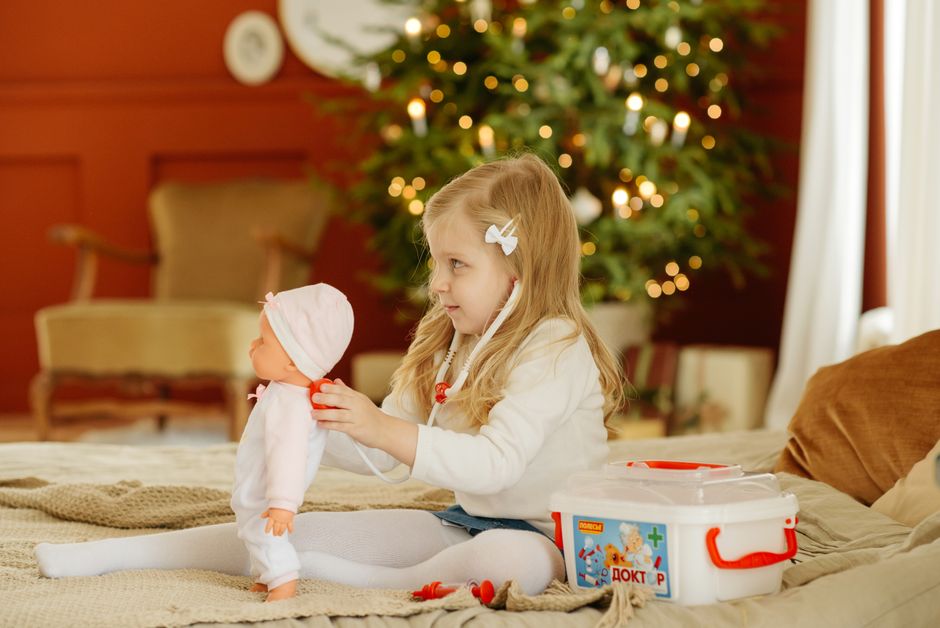
A: It’s common for children to be fascinated by the syringe, as it’s often the most impactful part of a real doctor visit. Allow them to explore this, but gently guide them to other tools and actions. You can explain that doctors do many things besides shots, like listening to hearts and checking temperatures.
Q: How often should we play with the doctor kit?
A: There’s no set rule, but consistency is key. Short, regular play sessions (10-15 minutes a few times a week) are often more effective than one long, infrequent session. Follow your child’s lead; if they’re engaged, keep playing!
Q: Can doctor kits help with hygiene habits?
A: Absolutely. You can integrate discussions about washing hands before and after a “check-up,” brushing teeth, and eating healthy foods as part of the doctor’s “prescription” for good health. This links preventative care directly to feeling well.
The power of a doctor kit goes far beyond simple entertainment. It’s a genuine investment in your child’s emotional well-being, social skills, and understanding of the world around them. By turning fears into fun and mysteries into learning opportunities, you’re not just buying a toy; you’re nurturing a confident, empathetic, and health-aware individual.
So, grab a kit, find a comfy spot, and dedicate the next 15 minutes to being the best “patient” your child has ever had.
Further reading