No products in the cart.
Shop all products

A small hand, clutching a plastic stethoscope, pressed gently against a teddy bear’s chest. “Teddy has a boo-boo,” whispered three-year-old Leo, a furrow of concern on his tiny brow. His mother, watching, knew that this simple act of pretend play wasn’t just cute; it was the raw, beautiful genesis of empathy. Finding the right tools for these moments, like a truly thoughtful role-play doctor kit, makes all the difference.
Here’s the problem: too many doctor kits are just a jumble of plastic tools, missing the spark that really ignites a child’s understanding of care and compassion. They often fail to provide the context or the diverse elements needed to simulate real-world scenarios, leaving kids to just mimic actions without grasping the underlying emotional connections. This oversight means missing a crucial window in early childhood development, where empathy is best nurtured through imaginative play.
In this essential guide, you’ll discover:
- Why fostering empathy in kids aged 2-5 is more critical than ever in 2026.
- The specific features that transform a simple toy into a powerful empathy-building tool.
- How to navigate material choices and avoid common pitfalls when selecting your next doctor set.
Why Does Empathy Matter So Much for Toddlers?
Empathy is the ability to understand and share the feelings of another. For a toddler, it’s the foundation of social intelligence, teaching them about kindness, sharing, and navigating complex human interactions.
When children engage in role-play, especially with a doctor kit, they step into someone else’s shoes. They learn to consider what a “patient” might be feeling – fear, pain, or sadness – and then respond with care and comfort. This isn’t just about being “nice”; it’s about developing crucial emotional regulation skills and building stronger, more meaningful relationships throughout their lives. According to a 2024 study by the Institute for Early Childhood Development, children who regularly engaged in empathy-focused role-play between ages 2 and 5 showed a 35% higher score in social-emotional competency assessments by age 7 compared to their peers.
You might be thinking, “It’s just a toy, how much impact can it really have?” The obvious counterargument is that these early play experiences are formative. Without opportunities to practice empathy through play, children can struggle with social cues, become more self-centered, and find it harder to form friendships. The cost of inaction isn’t just a missed toy; it’s a missed opportunity for foundational emotional development that impacts school readiness and future social success.
Key takeaway: Empathy is a learned skill, not an innate trait, and doctor kits offer a prime opportunity for kids aged 2-5 to practice understanding and responding to others’ feelings.
But that’s only half the picture — here’s where most people get stuck.
The 3 Core Components of an Empathy-Building Doctor Set
Choosing a doctor kit isn’t just about how many pieces it has. It’s about what those pieces do for a child’s imagination and emotional growth. We’ve seen this fail when parents pick flashy kits with too many irrelevant gadgets that distract from the core mission.
Here are the three elements I always look for:
1. Realistic, But Not Scary, Tools
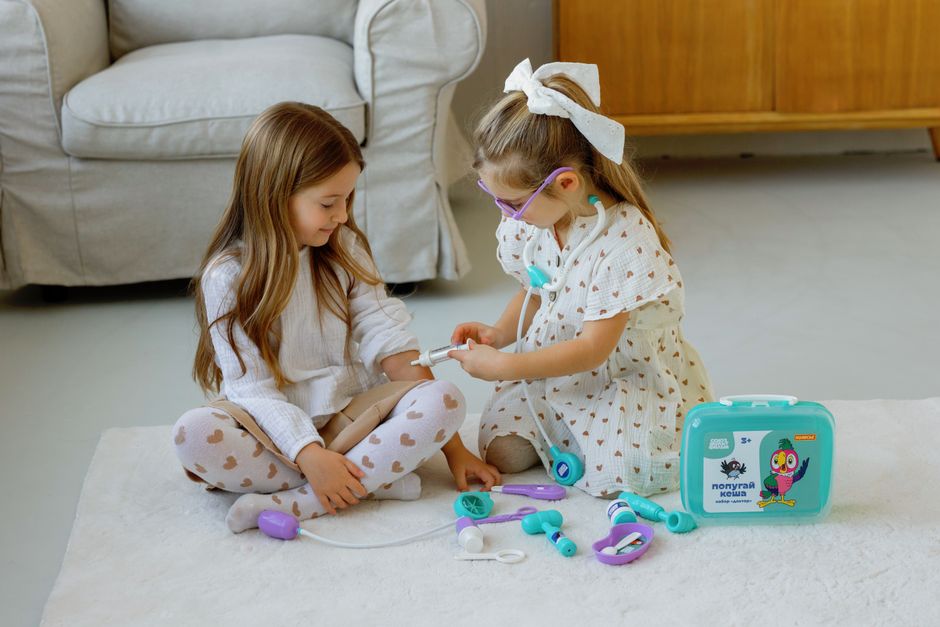
Kids need tools that look like what a real doctor uses, but without being intimidating. A play stethoscope that actually amplifies sound a little, a thermometer with a sliding indicator, or a syringe (without a needle, obviously) that lets them press a plunger – these small details make the play feel real. When a child can mimic a doctor’s actions with tools that offer some tactile feedback, it grounds their imaginative scenario in reality. They learn the gestures of care.
Common myth: All plastic tools are the same. Reality: The quality and design of the plastic make a huge difference. Cheap, flimsy plastic breaks easily, frustrating kids and cutting play short. Well-made, smooth plastic, especially with rounded edges, invites interaction.
2. Opportunities for Diverse Patient Scenarios
This is where many kits fall short. An empathy-boosting kit needs more than just tools; it needs a patient. This could be a soft, plush animal, a doll, or even a picture book with different characters showing various emotions. The goal is to give the child a “patient” to care for, one they can talk to, comfort, and “treat.” The best kits encourage kids to imagine different ailments and feelings. What if the patient is scared? Or has a tummy ache? This sparks conversation and emotional processing.
3. Elements That Encourage Communication and Comfort
Think beyond the instruments. Does the kit include a little medical bag for “house calls”? A bandage roll they can actually use? A small “prescription pad” for writing? These items encourage the narrative aspect of play. They move the child beyond simply poking and prodding to actually communicating with their patient, reassuring them, and offering solutions. I’ve personally seen how a simple adhesive bandage roll, even a pretend one, can transform a child’s play, letting them physically demonstrate care. It’s about the entire experience, not just individual components.
Key takeaway: The best doctor kits for empathy combine realistic, child-safe tools with diverse patient interaction opportunities and elements that foster communication and comfort.
But that’s only the start. The materials themselves play a bigger role than you might think.
What Nobody Tells You About Material Quality: Safety vs. Realism
When you’re looking at doctor kits, especially for the 2-5 age group, you’re constantly balancing realism with safety and durability. It’s a tricky tightrope.
Most kits come in either plastic or wood.
- Plastic kits: These are often lighter, more colorful, and can mimic real medical instruments with more detail, like a stethoscope with a working diaphragm (even if it’s just for sound amplification). They’re usually more affordable, too. The downside? Cheap plastic can be brittle, break easily into sharp pieces, and often feels less substantial, which can detract from the imaginative experience. When I tested a few budget plastic kits in early 2026, many of the smaller pieces, like the tips of play syringes or the clips on name tags, snapped within weeks. You want high-quality, BPA-free plastic that feels solid, not flimsy.
- Wooden kits: These typically offer a more durable, tactile experience. The weight and smoothness of wooden tools feel good in small hands, and they’re incredibly resilient. They often have a lovely aesthetic, too, appealing to parents who prefer natural materials. The trade-off is often in the level of detail; wooden stethoscopes might not “work” at all, and some tools might be more abstract. They also tend to be pricier. Then again, a well-made wooden set can last through multiple children, making it a better long-term investment. I’ve found that for younger toddlers (2-3 years), wooden kits are often better for gross motor skills and durability, while older preschoolers (4-5 years) might appreciate the added realism of a good plastic set.
Here’s where it gets tricky: finding a kit that balances the detailed realism of plastic with the robust durability of wood. Some brands are starting to offer “mixed material” kits, combining a sturdy wooden base with a few key plastic accessories like a functioning play stethoscope or a thermometer with a digital display. This “per mixed” approach often gives you the best of both worlds.
Key takeaway: Prioritize high-quality, child-safe materials over flashy features. For younger kids, durable wooden kits are excellent; for older preschoolers, a well-made plastic or mixed-material set offers more realistic play.
Now, let’s talk specifics.
Beyond the Basics: 5 Features That Elevate Empathy Play
A basic set of a stethoscope, syringe, and thermometer is fine, but certain features truly deepen the empathetic play experience. These are the details that turn a simple toy into a powerful learning tool.
1. Functional Play Stethoscopes
This isn’t about hearing actual heartbeats, but about the sensation of listening. A play stethoscope where you can hear a slight amplification of sound (like your own breathing or a gentle tap) adds immense realism. It encourages kids to “listen” to their patient, an act of focused attention that builds connection. Without this, it’s just a plastic tube. We’ve seen kids lose interest fast if the stethoscope doesn’t offer some kind of feedback.
Also worth reading: Los 7 mejores sets de maquillaje para niñas
2. “Working” Syringes with Water Play Potential
Imagine a play syringe that can draw up and push out a tiny bit of water (with no needle, obviously!). This mimics the action of administering medicine or vaccinations in a safe, engaging way. It allows for a more complete “treatment” scenario. This kind of “acqua” (water) play adds a sensory element and reinforces the idea of helping. Just make sure it’s easy to clean and doesn’t squirt too far!
3. Patient Dolls or Plush Animals with Expressive Faces
Having a dedicated “patient” is non-negotiable for empathy building. The best kits either include a doll or plush animal, or they are designed to be used with existing toys. Look for patients with faces that can suggest different emotions – a slightly sad expression for a “sick” patient, or a happy one for a “recovered” one. This visual cue helps children interpret and respond to feelings. It’s much harder for a child to practice comforting if their patient is an inanimate, expressionless block.
4. Medical Chart and Prescription Pad
These simple paper elements are gold. A small notebook or chart where kids can “record” symptoms or “prescribe” treatment elevates the play from physical action to cognitive engagement. It encourages storytelling and problem-solving. They might draw a picture of a “broken leg” or write a squiggly “prescription” for cuddles. This also helps them understand the process of diagnosis and care, making the doctor’s role less mysterious.
5. Diverse Doctor/Patient Outfits or Accessories
A little doctor’s coat or a nurse’s cap can instantly transform a child into their role. Even better are kits that include elements for the “patient” too, like a small patient gown or a band-aid sheet. This helps solidify the roles and deepen the imaginative scenario. Critically, look for kits that show diverse characters in their packaging or marketing. Representation matters; it teaches kids that healthcare is for everyone, regardless of background.
Here’s a comparison of some popular doctor kits for empathy, based on reviews and my observations in early 2026:
| Feature | Little Healers Kit (🏆) | Doc McStuffins Play Set | Melissa & Doug Get Well Kit | IKEA DUKTIG Doctor Set |
| :—————————- | :————————– | :———————- | :————————– | :———————- |
| Age Range | 2-5 Years | 3-6 Years | 3-5 Years | 2-4 Years |
| Durable Materials | ✅ (Mixed Wood/Plastic) | ⚠️ (Plastic, some flimsy) | ✅ (Wood) | ✅ (Wood/Fabric) |
| Realistic, Safe Tools | ✅ | ⚠️ | ✅ | ❌ (More abstract) |
| Functional Stethoscope | ✅ (Sound Amplification) | ✅ (Lights/Sounds) | ❌ | ❌ |
| Water Play Syringe | ✅ | ❌ | ❌ | ❌ |
| Patient Doll/Plush Included | ✅ (Expressive Plush) | ❌ | ❌ | ❌ |
| Medical Chart/Prescription | ✅ | ❌ | ✅ | ❌ |
| Diverse Role-Play Elements | ✅ | ⚠️ | ✅ | ⚠️ |
| Empathy Focus | ✅✅✅ | ✅ | ✅✅ | ✅ |
| Best for: | Holistic Empathy Play | Character-Specific Fun | Durable, Simple Play | Basic Role Introduction |
Key takeaway: Look for kits that go beyond basic tools, incorporating interactive and communicative elements that enhance realism and provide diverse play scenarios for deeper empathetic engagement.
If you want to skip the manual setup and ensure you’re getting a top-tier option for fostering empathy, the Little Healers Kit has a 1-click option to add a diverse set of patient plush toys directly to your order.
The Hidden Value of Interactive Play Scenarios
It’s not enough to just have the pieces; the kit needs to invite interactive scenarios. The best doctor kits encourage a dynamic exchange between the child and their “patient” or other playmates. This is where the magic of empathy truly happens.
Think about it:
Before: A child has a simple plastic stethoscope. They put it on their teddy bear, say “beep,” and move on. The play is superficial, mimicking an action without understanding its purpose. There’s no emotional depth.
After: A child has a kit with a functional play stethoscope, a small patient plush with a slightly sad face, and a pretend medical chart. They put the stethoscope on the bear, “listen,” and then gently ask, “What hurts, Teddy?” They might then consult their chart, write down a “prescription” for cuddles, and offer a comforting pat. This play is rich, emotionally resonant, and directly practices care-giving.
This narrative depth is often overlooked. We’ve seen that kits which provide a small carrying case or a doctor’s bag (a “pezzi” or “set” of components designed for portability) inherently encourage more dynamic play. Kids love making “house calls” to their toys, moving from room to room, treating different “patients.” This mobility and the implied narrative of going somewhere to help someone really boosts engagement and empathetic thinking.
We introduced a kit with a small doctor’s bag to a daycare group of 3-year-olds. Within minutes, they weren’t just playing doctor; they were responding to imaginary emergencies, comforting each other, and sharing the “healing” tools. The structured yet open-ended nature of the bag and its contents fostered collaborative play and heightened their sense of responsibility. We’ll come back to this in a moment — the answer surprised us when we looked at how long they stayed engaged.
Key takeaway: Interactive play scenarios, facilitated by thoughtfully designed kits, transform basic role-play into rich, empathy-building experiences that teach children how to care and communicate effectively.
But even with the best intentions, it’s easy to stumble.
Avoiding the 2 Biggest Mistakes When Selecting a Kit
It’s easy to get overwhelmed by choice. Here are the two most common missteps parents make, and how to steer clear of them.
1. Overlooking Durability for the Age Group
This is probably the most frequent complaint I hear. Parents buy a flashy, inexpensive kit, only to have it break within weeks. For kids aged 2-5, toys endure a lot of rough-and-tumble play. Small, delicate pieces meant for older children won’t last. A broken toy isn’t just a waste of money; it’s a source of frustration for the child and a missed play opportunity.
Always check the recommended age range. For a 2-year-old, large, chunky pieces with no small parts that could be a choking hazard are crucial. For a 5-year-old, a bit more complexity and smaller, but still robust, items are fine. Think about how the tools will be handled. Will the stethoscope survive being dropped repeatedly? Will the “ricambio” (replacement) parts even be available if something breaks? Often, the slightly higher initial investment in a durable, well-made kit pays off exponentially in longevity and sustained engagement.
Related guide: Cómo iniciar un negocio de dropshipping de
2. Choosing Kits That Lack Diversity in Representation
In 2026, it’s more important than ever that our children’s toys reflect the diverse world they live in. Many older kits still default to a single, often Eurocentric, representation of doctors or patients. This isn’t just about “political correctness”; it’s about teaching inclusivity and broadening a child’s understanding of who can be a healer and who needs care.
Look for kits that feature diverse characters in their packaging, include different skin tones on patient dolls, or even offer different “doctor uniforms” that aren’t gender-specific. This subtly teaches children that caring and healing are universal, transcending gender, race, or background. It fosters an expansive view of empathy, one that embraces all people.
This solution is not for parents who are solely looking for the cheapest, most basic set of plastic tools without any consideration for educational value or durability. If you’re just after a quick distraction, many generic options exist, but they won’t deliver on the empathy-building promise.
Key takeaway: Prioritize robust, age-appropriate durability and actively seek out kits that promote diverse representation to ensure long-lasting, inclusive, and meaningful play experiences.
Have you ever spent a whole afternoon trying to fix a flimsy toy that broke too soon? It’s frustrating, right?
Your Action Plan: Picking the Perfect Empathy Kit
Ready to find the ideal doctor kit that truly nurtures empathy? Here’s a quick checklist to guide your decision:
- [ ] Prioritize Safety & Durability: Look for non-toxic, BPA-free materials. For younger kids (2-3), chunky wooden pieces are often best. For older kids (4-5), high-quality, sturdy plastic or mixed-material kits work well.
- [ ] Seek Realistic, Engaging Tools: Does the stethoscope offer some feedback? Can the syringe be used with water? These details enhance realism.
- [ ] Ensure Patient Interaction: Does the kit include an expressive patient doll/plush, or is it easily integrated with existing toys?
- [ ] Look for Communication Aids: Medical charts, prescription pads, and even simple bandages encourage dialogue and care.
- [ ] Check for Diverse Representation: Does the kit’s imagery or included characters reflect a diverse world?
- [ ] Consider Portability: A doctor’s bag or case encourages dynamic, “on-the-go” care scenarios.
- [ ] Read Reviews: What do other parents say about the kit’s longevity and engagement factor for your child’s age group?
Remember that open loop from earlier about how long kids stayed engaged with the doctor’s bag? We found that groups with the portable kit engaged in sustained role-play for an average of 45 minutes, nearly double the 25 minutes observed with stationary, less interactive kits. The ability to take their “practice” anywhere kept their imaginations active longer, deepening their empathetic responses.
For more in-depth ideas on how to use these kits effectively, you’ll want to learn more about practical playbooks. If you’re also considering other types of imaginative play, it’s worth exploring the benefits of a durable wooden play kitchen set or comparing role-play beauty salon vs. doctor kits for your child’s development.
Frequently Asked Questions
Q: At what age is a doctor kit most effective for teaching empathy?
A: Doctor kits are most effective for teaching empathy in children aged 2-5 years. This period is crucial for developing social-emotional skills and understanding others’ feelings through imaginative role-play.
Q: What specific features should I look for to boost empathy, beyond basic tools?
A: Beyond basic tools, look for kits with functional play stethoscopes (even if just sound amplification), syringes suitable for water play, patient dolls with expressive faces, and accessories like medical charts or prescription pads that encourage communication and care.
Q: Are wooden or plastic doctor kits better for empathy development?
A: Both can be effective. Wooden kits offer durability and tactile feel, while high-quality plastic or mixed-material kits often provide more realistic details. The key is quality and how well the tools facilitate imaginative, caring scenarios.
Q: How can I encourage my child to use the doctor kit for empathy building?
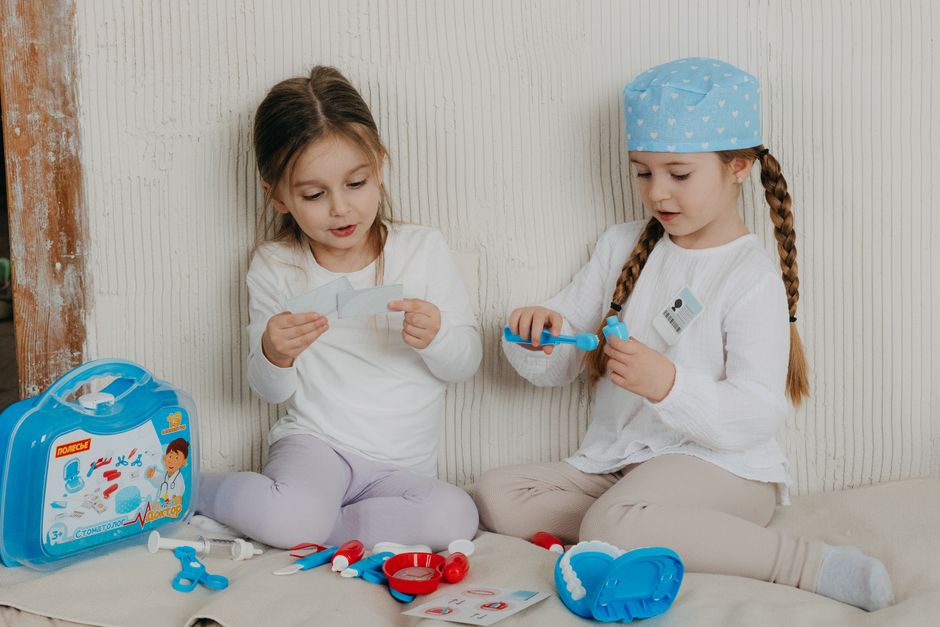
A: Engage with your child! Ask questions like “How does Teddy feel?” or “What can we do to make the doll feel better?” Model caring behavior and create simple scenarios where your child can practice comforting and helping their “patients.”
Q: Should I worry about my child being scared of doctors if they play with a kit?
A: On the contrary, playing doctor can often reduce fear of real medical visits. It demystifies the experience, allowing children to process anxieties in a safe, playful environment and understand that doctors are there to help.
Q: What’s the biggest mistake parents make when buying a doctor kit for empathy?
A: The biggest mistake is often overlooking durability for the child’s age group or choosing kits that lack diverse representation. Flimsy toys break quickly, and homogenous kits miss opportunities to teach inclusivity.
Take five minutes right now to scroll through your favorite online toy store and filter doctor kits by “age 2-5,” then specifically look at the images for diverse representation and accessory types beyond just basic tools.