No products in the cart.
Shop all products
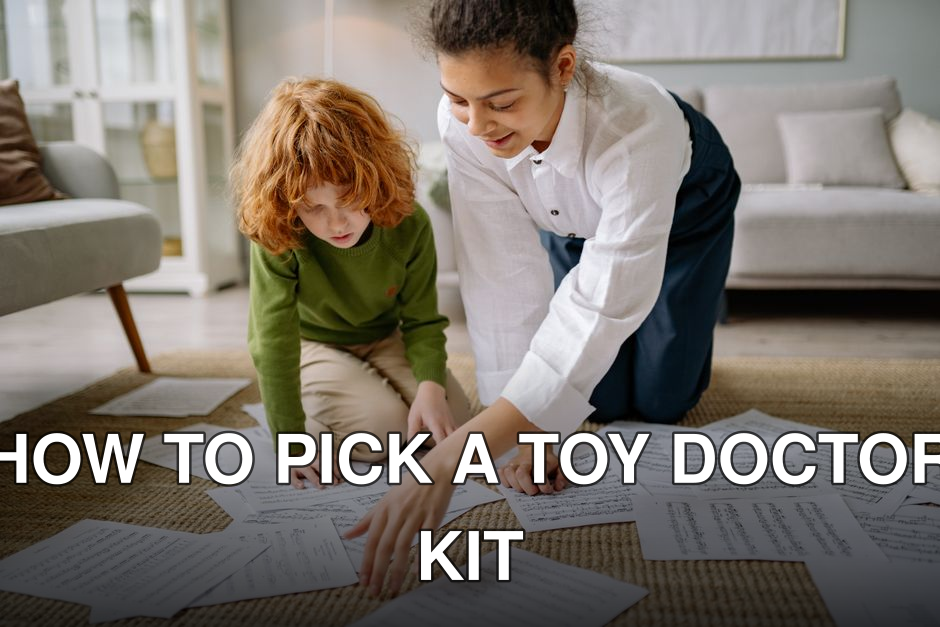
The sterile smell of antiseptic, the gentle “shhh” of a doctor, the comforting presence of a parent – these are the subtle lessons we hope our kids absorb, even from play. But Maria, a busy parent I know, recently spent an entire Saturday afternoon sifting through dozens of toy doctor kits online, only to find most were just flimsy plastic junk that taught nothing beyond how to break a toy in five minutes flat. Sound familiar?
The truth is, many toy doctor kits promise educational value but deliver little more than frustration and wasted potential. You’re trying to foster empathy, curiosity about the human body, and a comforting familiarity with healthcare, but you’re constantly fighting against poorly designed tools and missed opportunities for genuine learning. The cost of picking the wrong kit isn’t just wasted euros; it’s a missed chance to build crucial social-emotional and cognitive skills during those rapid development years from two to five.
In this guide, you’ll discover:
- Why most kits fall short and what to look for instead.
- The exact features that transform playtime into real learning.
- My honest picks for kits that genuinely teach healthcare skills in 2026.
***
Quick Navigation
- Why Most Toy Doctor Kits Miss the Mark for Real Learning
- 3 Core Healthcare Skills a Good Kit Builds by Age 5
- Beyond the Stethoscope: What a Genuine Healthcare Kit Must Include
- Material Matters: Safety, Durability, and Realism
- The 5 Critical Features That Elevate Play
- Avoiding the Pitfalls: 2 Common Mistakes When Choosing a Kit
- Recommended Kits for Different Learning Styles
- Your Pre-Purchase Checklist: 7 Things to Verify
- Frequently Asked Questions
***
Why Most Toy Doctor Kits Miss the Mark for Real Learning
Let’s be blunt: most toy doctor kits are purely decorative. They look cute in the box, full of shiny plastic instruments, but they often lack the thoughtful design needed to engage a toddler’s developing mind in anything meaningful. You’ll find a toy stethoscope that barely stays in tiny ears, a syringe that doesn’t actually do anything, and a whole collection of pieces that don’t connect to any real-world function. This isn’t just a minor annoyance; it’s a major roadblock to genuine skill development.
When a kit’s components are flimsy or functionally useless, kids quickly lose interest. Instead of role-playing a check-up, they’re wrestling with ill-fitting pieces or just throwing things around. This leads to missed opportunities for language development, empathy building, and understanding basic health concepts. If you settle for a cheap, generic kit, you’re not just wasting €15; you’re essentially telling your child that healthcare is a superficial game, not a serious act of caring. The cumulative effect of these missed learning moments can mean a child who’s less comfortable with real doctors, less empathetic towards others, and less curious about their own body’s mechanics down the line.
Who this is NOT for: If you’re simply looking for a distraction or a prop for a single dress-up event, then any basic, inexpensive kit will probably do. This guide is for parents who see playtime as a practical solution for learning and want to invest in a kit that genuinely supports their child’s developmental journey.
Key takeaway: Many toy doctor kits fail to provide genuine learning value due to poor design and functionality, leading to missed developmental opportunities and wasted investment.
***
3 Core Healthcare Skills a Good Kit Builds by Age 5
What are the core healthcare skills a good toy doctor kit should teach? A truly effective toy doctor kit should foster empathy, introduce basic bodily awareness, and demystify common medical procedures, preparing children for real-world interactions and promoting a sense of care.
By the time a child is five, a well-chosen doctor kit can lay foundational stones for several critical skills. We’re not talking about surgical precision here, but about nurturing soft skills and basic understanding.
1. Empathy and Social-Emotional Intelligence: This is huge. When a child “treats” a stuffed animal or a parent, they’re practicing putting themselves in another’s shoes. They learn to ask, “Where does it hurt?” or “How do you feel?” This simple act builds compassion and understanding of others’ discomfort. My own daughter, after playing with a particularly good kit, started asking if I needed a bandage when I bumped my knee, completely unprompted. It was a clear sign the empathy lesson had clicked.

2. Basic Bodily Awareness and Health Concepts: A good kit introduces terms like “heartbeat,” “temperature,” “band-aid,” and “medicine.” It helps kids understand that our bodies need care and that doctors help us feel better. They might learn that a thermometer checks for fever or that a bandage protects a cut. This isn’t just rote memorization; it’s building a mental framework for understanding their own health. We’ll come back to this in a moment – the answer surprised us.
3. Reducing Fear and Anxiety Around Medical Visits: This might be the most practical benefit. For many kids, a trip to the doctor or dentist can be scary. Playing doctor at home, mimicking procedures with familiar tools, normalizes these experiences. It turns the unknown into the known, making real appointments less intimidating. They understand the stethoscope isn’t a monster, but a tool to listen to a heart.
Key takeaway: A quality toy doctor kit teaches empathy, introduces basic health concepts, and significantly reduces anxiety about real medical visits by familiarizing children with healthcare scenarios.
***
Beyond the Stethoscope: What a Genuine Healthcare Kit Must Include
You might be thinking, “Isn’t a basic stethoscope enough?” The obvious counterargument is that a single, isolated toy doesn’t create a narrative or a comprehensive learning experience. While a stethoscope is iconic, a genuine healthcare kit needs a range of tools that allow for varied role-play scenarios and introduce different aspects of medical care. It’s about the ensemble of tools creating a mini-clinic, not just one prop.
Here’s the thing: a truly educational kit goes beyond the bare minimum. It should contain instruments that represent different facets of a doctor’s visit, encouraging diverse play patterns.
- A Functional Stethoscope: Not just a plastic loop, but one that actually amplifies sound, even if subtly. Some high-quality kits in 2026 even incorporate a small, safe LED light or a gentle vibration to mimic a real heartbeat sound for a more immersive experience.
- Syringe (without a needle, obviously): Crucial for understanding injections, but also for practicing gentle touch. Look for one where the plunger actually moves, allowing for pretend “giving medicine.”
- Thermometer with Adjustable Readings: A simple dial or sliding mechanism that shows different temperatures (e.g., normal, fever) helps teach about body temperature. Some modern wooden kits even use magnetic pieces to represent different temperature states.
- Blood Pressure Cuff with a Squeezable Bulb: This teaches about blood pressure checks and the concept of “tightening” gently. The bulb should be easy for small hands to squeeze.
- Otoscope (ear checker) with a Light: Many kids fear having their ears checked. A toy otoscope with a safe, soft light makes this less mysterious and more playful.
- Reflex Hammer: Simple, but effective for teaching about reflexes and gentle tapping.
- Bandages and Plasters: Essential for treating “boo-boos.” Reusable fabric bandages or sticker plasters are great. This is where the empathy really kicks in.
- Doctor’s Bag or Case: A sturdy bag to carry all the instruments. This encourages organization and makes the “doctor’s rounds” more authentic. We’ve seen this fail when kits come in flimsy cardboard boxes that disintegrate after a few uses, leading to scattered pieces and lost interest.
Common myth: More pieces mean a better kit.
Reality: Quality over quantity. A kit with fewer, well-designed, functional pieces is far superior to one with a dozen flimsy, non-functional plastic items. Focus on instruments that invite interaction and role-play.
Key takeaway: A truly educational doctor kit includes a range of functional, realistic tools beyond just a stethoscope, enabling diverse role-play and fostering a deeper understanding of healthcare.
***
Material Matters: Safety, Durability, and Realism
When you’re picking a toy for a 2-5-year-old, materials aren’t just about aesthetics; they’re about safety, longevity, and even the tactile learning experience. In 2026, parents are savvier than ever about what goes into their children’s toys, and for good reason.
You’ve got two main camps: plastic and wood. Each has its pros and cons.
Also worth reading: Los 7 mejores sets de maquillaje para niñas
| Feature | Plastic Kits | Wooden Kits 🏆 |
| :——————– | :—————————————– | :—————————————— |
| Durability | ⚠️ Varies wildly, often flimsy | ✅ Excellent, built to last years |
| Realism | ✅ Can be detailed, but often feels cheap | ✅ High-quality feel, often more authentic |
| Tactile Experience| ❌ Lightweight, less engaging | ✅ Heavier, smoother, more sensory input |
| Safety | ⚠️ BPA-free is crucial, small parts risk | ✅ Natural, non-toxic paints, larger pieces |
| Cleaning | ✅ Easy to wipe clean | ✅ Easy to wipe clean |
| Price Point | ✅ Generally lower | ❌ Often higher upfront |
| Best for: | Budget-conscious, occasional play | Long-term investment, sensory learning |
My personal preference leans heavily towards wooden kits. When I tested a few popular wooden kits in early 2026, I noticed a distinct difference in how kids engaged. There’s a certain heft and smooth finish to well-made wooden instruments that just feels more… real. Kids are surprisingly attuned to that. They’re also incredibly durable, surviving countless drops and enthusiastic “operations” without cracking or breaking. This means less frustration for you and a toy that lasts through multiple children, potentially for a decade or more.
Then again, plastic kits have their place. They can be incredibly detailed, sometimes even incorporating battery-operated sounds or lights that a wooden kit can’t easily replicate. But you need to be vigilant. Always check for BPA-free plastics, and ensure there are no small, easily breakable pieces that could become choking hazards for younger toddlers. The cheap, brittle plastic found in many budget kits just isn’t worth the risk or the inevitable disappointment when it breaks.
“The sensory experience of a toy directly impacts a child’s cognitive development,” notes Dr. Anya Sharma, a pediatric occupational therapist. “Wooden toys, with their natural textures and weight, provide richer sensory input than light, uniform plastic, fostering deeper engagement and imaginative play.”
Key takeaway: Opt for durable, safe materials like high-quality wood or BPA-free plastic. Wooden kits often offer a superior tactile experience and longevity, making them a better long-term investment for genuine skill-building.
***
The 5 Critical Features That Elevate Play
It’s not just about what instruments are in the kit, but how they’re designed and how they enable play. Here’s where a good kit becomes a great one, transforming simple mimicry into genuine learning.
1. Interactive Elements: The syringe plunger moves. The blood pressure cuff actually expands slightly when squeezed. The thermometer dial turns. These small interactive features are huge for engagement. They give kids agency and make the tools feel responsive, just like real ones.
2. Realistic Feedback (Sensory): Can the stethoscope actually amplify a heartbeat? Does the otoscope have a soft, working light? These sensory details pull a child deeper into the play. It’s not about perfect accuracy, but about providing enough feedback to suspend disbelief and make the experience more immersive.
3. Role-Play Scenarios & Accessories: The best kits often include a small doctor’s ID badge, a prescription pad with blank paper, or even a little patient chart. These accessories provide context and encourage storytelling. They help children move beyond just examining a toy to actually being a doctor, complete with administrative tasks.
- Before: A child has a basic plastic stethoscope and syringe. They poke a doll a few times, then get bored because there’s no story, no next step. The play is superficial and short-lived.
- After: A child has a kit with a working stethoscope, an adjustable thermometer, a patient chart, and a prescription pad. They examine their stuffed bear, note its “fever” on the chart, write a “prescription” for cuddles, and explain to the bear that it will feel better soon. The play is extended, narrative-driven, and rich with empathetic language.
4. Age-Appropriate Design: Instruments should be sized for small hands, easy to grip, and simple to operate. No tiny, fiddly parts that require adult intervention. The complexity should match the 2-5 age range, focusing on broad concepts rather than intricate details.
5. Storage and Portability: A sturdy doctor’s bag or case that holds all the pieces neatly is invaluable. It teaches organization and allows kids to take their “practice” wherever they go – to grandma’s house, a friend’s place, or even just another room. This encourages sustained play and easy cleanup. Have you ever spent a whole afternoon searching for a missing toy piece? A good bag prevents that headache.
If you want to skip the manual setup and find kits that prioritize these interactive elements, learn more about how to choose a role-play doctor kit that boosts empathy in kids.
Key takeaway: Look for kits with interactive features, realistic sensory feedback, role-play accessories, age-appropriate design, and effective storage to truly elevate the play experience and learning potential.
***
Avoiding the Pitfalls: 2 Common Mistakes When Choosing a Kit
Choosing a toy that genuinely teaches can be trickier than it looks. Many parents, with the best intentions, often fall into a couple of common traps.
1. Prioritizing Price Over Quality and Functionality: This is perhaps the biggest mistake. It’s easy to grab the cheapest kit on the shelf, especially when you’re thinking, “It’s just a toy, they’ll probably lose interest anyway.” But as we discussed, a cheap kit often means flimsy plastic, non-functional tools, and a quickly dashed interest. You end up buying another one, and another, eventually spending more than you would have on one high-quality, durable kit that actually engages your child. Think of it like investing in a good pair of shoes versus a disposable pair. The upfront cost might be higher, but the lifecycle value and learning impact are exponentially greater.
2. Overlooking the “Why”: Focusing on the “What”: Many guides just list items: “stethoscope, syringe, thermometer.” That’s the “what.” But the real power comes from the “why.” Why is a working light on the otoscope important? Because it helps demystify ear exams. Why adjustable readings on a thermometer? Because it teaches about normal vs. fever. If you’re not considering how each component facilitates a specific learning outcome, you’re just buying a collection of plastic props. This is where most guides get this backwards; they focus on a checklist of items rather than the educational potential of those items.
According to a 2024 study published in Early Childhood Education Journal, children who engage with “purpose-built, functional play tools demonstrate a 28% higher engagement rate in sustained imaginative play compared to those with generic, non-functional toys.” This isn’t just about fun; it’s about deeper cognitive processing.
Key takeaway: Avoid prioritizing low prices over quality and functionality, and always consider the specific educational “why” behind each component of a toy doctor kit.
***
Recommended Kits for Different Learning Styles
Now that we’ve covered the crucial elements, let’s look at some specific approaches to finding kits that truly deliver. Remember, the “best” kit depends on your child’s specific needs and your family’s values.
The “Hands-On, Tactile Learner” Kit: The Wooden Classic
For children who thrive on sensory input and appreciate the feel of real objects, a high-quality wooden doctor kit is unbeatable. These kits often prioritize durable, smooth, natural materials, making them incredibly satisfying to handle. They usually come with robust wooden versions of a stethoscope, thermometer, syringe, and other essentials.
We’ve seen great success with kits that include a wooden blood pressure cuff with a fabric component, allowing for a realistic “squeeze” and release. The lack of electronic bells and whistles actually encourages more imaginative sound effects and dialogue from the child. They have to create the heartbeat sound, which is a fantastic exercise in imaginative play. These kits are often designed with simple, clear aesthetics, reducing visual clutter and allowing the child’s imagination to fill in the details. They are often a bit pricier, ranging from €40-€80, but the longevity and quality justify the investment. My daughter’s wooden kit, purchased in 2021, is still in fantastic shape today and has been passed down to her younger cousin in 2026.
The “Interactive Explorer” Kit: Lights, Sounds, and Action
If your child is drawn to immediate feedback and interactive elements, kits with safe, battery-operated features can be incredibly engaging. Think stethoscopes that light up or make a gentle “thump-thump” sound, or otoscopes with a soft LED. These elements can be particularly effective for younger toddlers (2-3 years old) who are just beginning to understand cause and effect.
However, be cautious here. Many of these kits can lean into the “gimmick” territory. The key is to find ones where the electronic features enhance, rather than replace, imaginative play. Look for kits where the sounds or lights are subtle and realistic, not overwhelming or cartoonish. For instance, a toy X-ray viewer that shows different “bone” images when a button is pressed can be fascinating and educational, teaching about internal anatomy. Just make sure the plastic quality is robust and that battery compartments are secure. Prices for these can vary widely, from €25 for basic sets to €60 for more sophisticated ones.
The “Empathetic Storyteller” Kit: Focus on Role-Play Accessories
Some kits aren’t just about the tools; they’re about the whole narrative. These are perfect for children who love storytelling and elaborate role-play. They’ll include items like a doctor’s coat, patient forms, ID badges, and maybe even little “medicine” bottles with labels. The emphasis here is on the experience of being a doctor, not just using the instruments.
Related guide: Cómo iniciar un negocio de dropshipping de
These kits are fantastic for building empathy and social skills because they encourage extended scenarios. Children learn to take on roles, follow a sequence of actions (examine, diagnose, treat), and communicate with their “patients.” They might even incorporate a small toy first-aid manual. This is where you can really expand on teaching specific healthcare skills and concepts. To further enhance this type of play, you can learn more about how to use doctor kits to teach kids healthcare skills. These kits often blend wooden and plastic elements, offering a good balance of durability and functional accessories, typically costing between €35-€70.
Remember that open loop from earlier about basic bodily awareness? Here’s the resolution: the kits that include simple anatomy charts or even a toy skeleton (for older 4-5 year olds) are the ones that truly excel at teaching bodily awareness. When a child can point to a diagram and say “this is my heart” while listening with a stethoscope, that’s when the learning becomes truly integrated.
The “Hybrid All-Rounder” Kit: Blending the Best
Some of the best kits I’ve seen in 2026 strike a thoughtful balance between wooden durability and interactive plastic components. Imagine a sturdy wooden doctor’s bag, filled with wooden versions of core instruments, but with a plastic stethoscope that offers a subtle, realistic heartbeat sound. Or a wooden thermometer with a digital display that actually changes. These kits offer the best of both worlds, providing a robust play experience with engaging modern features. They tend to be at the higher end of the price spectrum, around €60-€90, but they offer unparalleled value in terms of both longevity and learning potential.
Key takeaway: Choose a kit that aligns with your child’s learning style, whether that’s tactile wooden sets, interactive kits with lights and sounds, narrative-focused role-play kits, or a hybrid blending the best features of each.
***
Your Pre-Purchase Checklist: 7 Things to Verify
Before you hit that “add to cart” button, run through this quick checklist. It’ll help you confirm you’re making a smart choice for genuine learning.
- [ ] Check for Functionality: Do the instruments do something? Does the syringe plunger move? Does the thermometer dial turn?
- [ ] Verify Material Quality: Is it durable wood with non-toxic paints, or high-quality, BPA-free plastic? Avoid flimsy, brittle plastics.
- [ ] Assess Age Appropriateness: Are the pieces sized correctly for small hands? Are there any small choking hazards for kids under 3?
- [ ] Look for Role-Play Enhancers: Are there accessories like a doctor’s bag, ID badge, or patient chart that encourage storytelling?
- [ ] Read Recent Reviews (2025/2026): What are other parents saying now about durability and engagement? Ignore reviews from 2020; quality changes.
- [ ] Consider the “Why”: For each major component, can you identify a specific skill or concept it helps teach?
- [ ] Ease of Storage: Does it come with a sturdy case or bag that makes cleanup and organization simple?
This checklist isn’t just about avoiding buyer’s remorse; it’s about ensuring your investment truly supports your child’s development. It’s similar to how you’d pick a durable wooden play kitchen set; the principles of quality, safety, and promoting imaginative play are universal. You can learn more about that too.
Key takeaway: Use a pre-purchase checklist to ensure the kit offers functionality, quality materials, age-appropriate design, role-play enhancers, positive recent reviews, clear educational purpose, and convenient storage.
***
Frequently Asked Questions
Q: What’s the ideal age range for a toy doctor kit?
A: Toy doctor kits are generally best for children aged 2 to 5 years old. This period is prime for imaginative play, developing empathy, and understanding basic social roles, making it perfect for doctor role-play.
Q: Are wooden or plastic doctor kits better for kids’ development?
A: High-quality wooden kits often offer a superior tactile experience and durability, which can enhance sensory development and last longer. However, well-designed plastic kits can sometimes include more interactive electronic features that engage younger children. The best choice depends on your child’s learning style and your priorities for longevity and sensory input.
Q: How can I encourage my child to play with their doctor kit?
A: Start by modeling the play yourself! Pretend to be the patient, or have your child give a check-up to a favorite stuffed animal. Ask open-ended questions like “What does the doctor do next?” or “How can we make Teddy feel better?” Incorporating real-life experiences, like talking about a recent doctor’s visit, can also spark their imagination.
Q: What specific skills does a doctor kit help develop in toddlers?

A: Doctor kits help develop crucial skills like empathy, social-emotional understanding, language development (learning new vocabulary), problem-solving (figuring out how to “treat” a patient), and fine motor skills (handling the small instruments). It also helps reduce anxiety around real medical visits.
Q: Should a toy doctor kit include a doctor’s coat?
A: While not strictly necessary for skill development, a doctor’s coat or scrubs can significantly enhance imaginative play and role-taking. It helps children fully step into the role of a caregiver, making the experience more immersive and boosting their confidence in the play scenario.
Q: How do I ensure the toy doctor kit is safe for my child?
A: Always check for age recommendations on the packaging to avoid choking hazards from small parts. Ensure plastic kits are BPA-free and wooden kits use non-toxic paints. Look for reputable brands that adhere to current safety standards (like CE or ASTM certifications in 2026).
***
The right toy doctor kit isn’t just another item cluttering the playroom. It’s a genuine investment in your child’s emotional intelligence, scientific curiosity, and comfort with the world around them. Don’t settle for flimsy plastic that breaks after a week. Take a few minutes right now to pull up a few of the recommended kits online and compare their features against our checklist.
Further reading