No products in the cart.
Shop all products
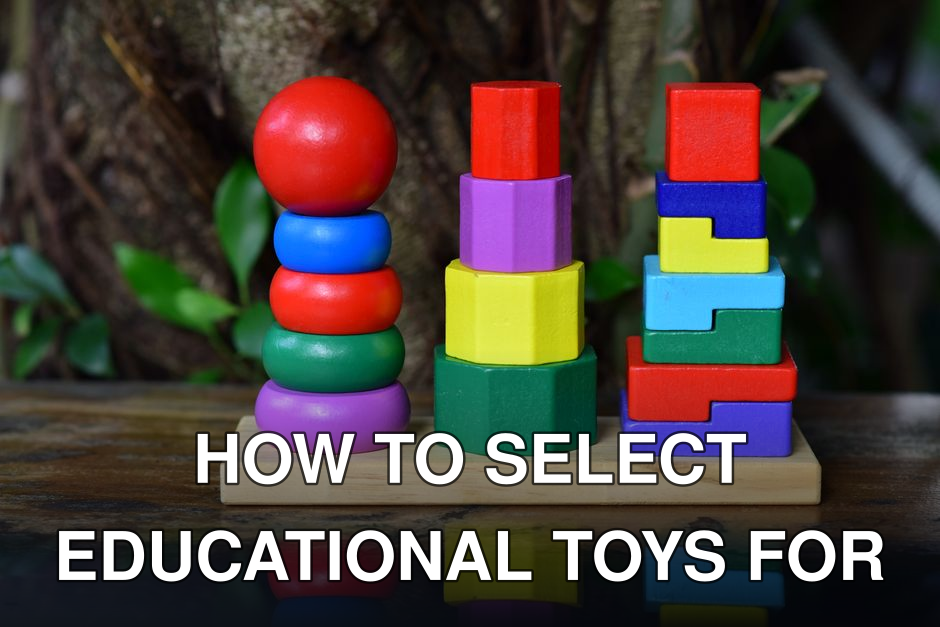
Just last month, my friend Sarah was tearing her hair out trying to find a birthday gift for her 3-year-old, Leo. Every toy felt like a screen disguised as plastic, or just another noisemaker destined for the bottom of the toy bin. She wanted something that would actually engage him, not just distract, and specifically foster his burgeoning imagination. It’s a common struggle: how do you select educational toys for 3-year-olds that genuinely foster imaginative play?
The truth is, finding truly educational toys for 3-year-olds that genuinely foster imaginative play feels like a treasure hunt through a sea of marketing hype. You’re bombarded with “STEM” labels and “developmental benefits,” but often, these toys fall flat, leaving your child bored and your wallet lighter. This isn’t just about wasted money; it’s about missed opportunities for crucial early development. We’re here to cut through the noise, showing you exactly how to select toys that spark creativity, build critical skills, and keep those little minds buzzing.
In this guide you’ll discover:
- Why simple, open-ended toys beat complex gadgets every time for fostering imagination.
- The 3 critical mistakes parents make when toy shopping for preschoolers in 2026.
- Our definitive checklist for evaluating a toy’s imaginative play potential before you buy.
The Essential Blueprint for Choosing Educational Toys for 3-Year-Olds to Ignite Imagination
Quick Navigation
- Why Imaginative Play Isn’t Just “Playing Around” for 3-Year-Olds
- The 3 Mistakes Most Parents Make When Choosing Toys
- What Makes a Toy Truly “Educational” for a Preschooler?
- The Golden Rule: Open-Ended Play Reigns Supreme
- Beyond the Hype: 5 Categories of Toys That Spark Imagination
- A Deep Dive into Imaginative Play Toy Types: Wooden vs. Interactive & Building Blocks
- The Secret Sauce: How to Spot a High-Quality, Durable Toy
- You Might Be Thinking: “My Child Loves Their Tablet!”
- The Ultimate Checklist: 7 Questions to Ask Before You Buy
- Real-World Wins: What We’ve Seen Work (and Fail) in 2026
- Who This Guide Isn’t For
- Frequently Asked Questions
- Your Next 5-Minute Action Plan
Why Imaginative Play Isn’t Just “Playing Around” for 3-Year-Olds
You might think imaginative play is just cute, a way for kids to pass the time. But for a 3-year-old, it’s serious business. It’s the primary engine for cognitive, emotional, and social development. When a child pretends a block is a phone, or a blanket is a fort, they’re not just playing; they’re actively building neural pathways.
The cost of inaction here is significant. If you consistently opt for toys that dictate play scenarios or offer only passive entertainment, you’re inadvertently stifling your child’s ability to problem-solve, negotiate, empathize, and think creatively. By age five, children who engage in rich imaginative play often show stronger language skills and a greater capacity for emotional regulation, according to a 2025 study from the University of London. Missing out on this vital developmental window can mean a less adaptable, less creative child down the line.
Key takeaway: Imaginative play is fundamental for a 3-year-old’s holistic development, impacting everything from language to emotional intelligence.
But that’s only half the picture — here’s where most people get stuck, making common errors that undermine even the best intentions.
The 3 Mistakes Most Parents Make When Choosing Toys
Even with the best intentions, it’s easy to fall into traps when selecting toys. I’ve seen countless parents, including myself, make these blunders. Learning to avoid them is your first step toward effective toy selection.
1. Over-stimulating with “Smart” Gadgets: We’re in 2026, and every other toy promises AI integration, LED lights, and a dozen pre-programmed phrases. The thinking is often, “More features equal more learning.” Common myth: The more a toy does, the smarter my child will become. Reality: These toys often do all the playing, leaving little room for the child’s own imagination. They dictate the narrative, offer limited interaction, and quickly lose novelty. Think about it: a toy car with a built-in siren and flashing lights (lots of LEDs!) is fun for five minutes, but a simple wooden car can be a race car, a rescue vehicle, or a family cruiser for hours.
2. Focusing Solely on “Educational” Labels: Just because a box says “educational” doesn’t mean it is. Many toys branded as educational are actually just rote learning tools, like electronic flashcards or alphabet-reciting robots. While some direct instruction has its place, it’s not what drives imaginative play. For a 3-year-old, true education comes from exploration, experimentation, and self-directed discovery. Don’t let marketing jargon override your common sense about what truly engages a child.
3. Ignoring Durability and Lifecycle Value: This is where value-conscious shoppers often stumble. It’s tempting to grab cheap plastic toys that seem exciting. But how many pieces will break off? How long will it last before it’s tossed? We’ve seen this fail when parents invest in flimsy plastic play sets that crack within months, leading to frustration and more plastic waste. A toy that falls apart after a few play sessions offers zero lifecycle value and creates friction after purchase, because you’re constantly replacing it. You’re essentially paying more in the long run.
Key takeaway: Avoid over-engineered gadgets, don’t blindly trust “educational” labels, and prioritize durability for long-term value.
Understanding these pitfalls is crucial, but what exactly defines a truly educational toy for this age group? Let’s clarify.
What Makes a Toy Truly “Educational” for a Preschooler?
A truly educational toy for a 3-year-old isn’t one that teaches them facts directly. Instead, it’s a tool that helps them develop foundational skills through play. An educational toy, for a preschooler, is an object or set of objects that encourages exploration, problem-solving, creativity, and social interaction, allowing the child to lead the play experience. It’s about how they play with it, not what it explicitly teaches.
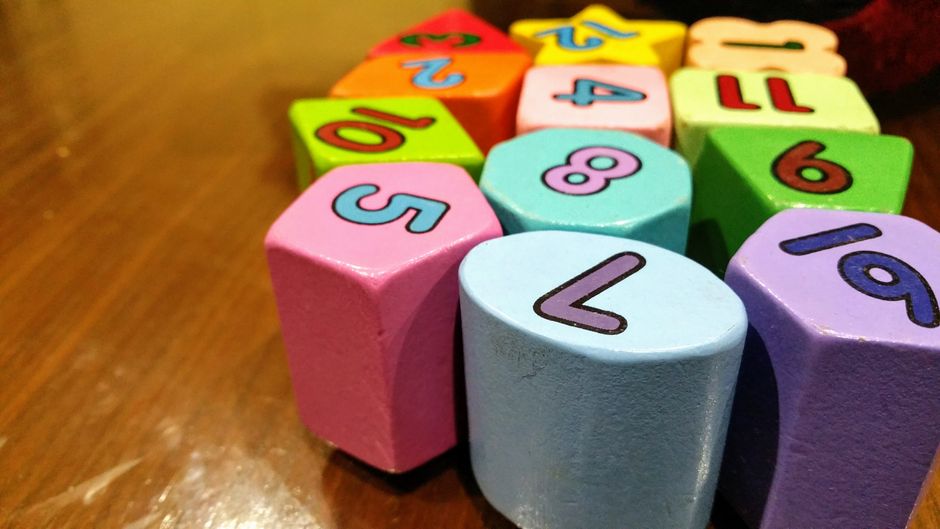
For instance, a set of simple wooden blocks is educational. There’s no instruction manual, no flashing lights, no right or wrong way to play. The child decides if they’re building a tower, a car, or a house for their animal figures. This open-endedness fosters spatial reasoning, fine motor skills, and imaginative storytelling. It’s the ultimate decision support for a developing mind.
Key takeaway: Real educational value for a 3-year-old comes from toys that facilitate self-directed, imaginative play, not pre-programmed learning.
This brings us to the most important principle in toy selection.
The Golden Rule: Open-Ended Play Reigns Supreme
If there’s one piece of advice I could shout from the rooftops, it’s this: prioritize open-ended toys. These are the toys that don’t have a single “right” way to play. They encourage children to use their imagination to create their own stories, scenarios, and rules. Think about it: a simple cardboard box can be a rocket ship, a cave, a car, or a house. That’s the essence of open-ended play.
“Children learn best when they are active participants in their own learning, not passive recipients,” states Dr. Alice Sterling Honig, a renowned expert in child development. “Toys that invite divergent thinking and creative problem-solving are invaluable at this stage.”
Contrast this with a highly specialized toy, like a specific character’s spaceship replica. It’s designed to be that spaceship, and little else. While a child might enjoy it for a while, its play potential is limited to its original design.
Before: A child receives a talking robot toy. It repeats phrases, lights up, and moves its arms. The child watches it, presses buttons, and quickly gets bored because the robot does all the “playing.”
After: A child receives a set of plain wooden blocks and some small animal figures. They build a zoo, create animal sounds, feed the animals, and invent complex storylines that last for hours.
| Feature | Highly Specialized Toy | Open-Ended Toy (e.g., Wooden Blocks) |
| :———— | :————————————————— | :——————————————- |
| Play Focus | Replicating specific scenarios or actions | Child-led creation and imagination |
| Engagement | ⚠️ Limited, often passive, short-lived | ✅ High, active, long-lasting |
| Creativity | ❌ Minimal | 🏆 Maximize |
| Versatility | ❌ Low (one purpose) | ✅ High (multiple purposes) |
Also worth reading: Los 7 mejores sets de maquillaje para niñas
| Lifespan | ⚠️ Short, quickly outgrown | ✅ Long, grows with the child |
| Best for: | Specific fandom or short-term novelty | Holistic development, sustained engagement |
Key takeaway: Open-ended toys, by their very nature, empower children to be creators and storytellers, offering far more developmental value than prescriptive toys.
So, what kinds of toys actually fit this bill? Let’s explore some categories.
Beyond the Hype: 5 Categories of Toys That Spark Imagination
When you’re looking to select educational toys for 3-year-olds, these categories are your best bet. They consistently provide the framework for rich imaginative play without dictating the outcome.
1. Role-Play Sets (The World of “As If”)
These are the ultimate tools for imaginative play. Think about a play kitchen. It’s not just a collection of toy food and utensils; it’s a restaurant, a bakery, a family dinner table. Kids can pretend to cook, serve, and clean. This type of play helps them understand social roles, practice language, and develop empathy. A toy ironing board (stiro!) or a small vacuum cleaner can extend this play into “running a household.”
- Examples: Wooden kitchen sets, doctor kits, tool benches with toy tools (maybe even some pieces that look like “acciaio” if they’re sturdy plastic), dollhouses, dress-up clothes.
- Why they work: They allow children to mimic adult activities, process their world, and practice social scripts. They naturally encourage dialogue and interaction, especially if they have multiple “pezzi” (pieces) for varied scenarios.
- Worth mentioning: When considering pretend play sets, you’ll want to learn more about how to choose ones that truly foster optimal child development.
2. Building Blocks & Construction (Architects in Training)
These are timeless for a reason. Whether they’re classic wooden blocks, LEGO DUPLO, or magnetic tiles, building toys are fantastic for spatial reasoning, problem-solving, and fine motor skills. A 3-year-old might start by stacking, then progress to building intricate structures or even “auto” garages for their toy cars.
- Examples: Large wooden blocks, magnetic construction sets, interlocking plastic blocks, even cardboard boxes.
- Why they work: They offer endless possibilities. A block can be a wall, a roof, a road, or a bed. This adaptability is key to fostering creativity.
- Open loop: We’ll dive deeper into the specifics of wooden blocks versus other types in a moment — the answer surprised us.
3. Art & Sensory Materials (Unleashing Inner Expression)
These aren’t always thought of as “toys,” but they are profoundly educational and imagination-boosting. Think play-doh, finger paints, large crayons, and kinetic sand. They engage multiple senses and allow for open-ended creative expression without judgment.
- Examples: Play-Doh kits, washable paints, chunky crayons, large paper, kinetic sand, modeling clay.
- Why they work: They allow children to create anything they can imagine, from a play-doh “pizza” to a painted “bianco” cloud. The process is more important than the product, encouraging experimentation.
4. Vehicles & Figures (Populating Imaginary Worlds)
Simple toy cars (auto), trains, animal figures, and small dolls or people figures are brilliant for imaginative play. They don’t do anything on their own, which means the child has to bring them to life. They can create entire worlds and stories around these characters and objects.
- Examples: Wooden toy cars, animal figurines, diverse doll sets, small trucks, boats.
- Why they work: They are props for storytelling. A child can make a toy car race, rescue, or go on a long journey, all within their mind. Adding small “bambini” (children) figures can enhance these narratives.
5. Nature-Inspired & Outdoor Play (Connecting with the Real World)
Don’t underestimate the power of simple outdoor elements. A mud kitchen, a sandbox with shovels and buckets, or a water table (acqua!) can provide hours of rich imaginative play. Children dig for treasure, “cook” mud pies, or create elaborate “tubo” systems for water flow.
- Examples: Sandboxes, water tables, gardening tools, nature exploration kits (magnifying glass, bug viewer).
- Why they work: They connect children with the natural world, stimulating different senses and offering unique textures and elements for imaginative scenarios.
Key takeaway: Focus on categories like role-play, building, art, figures, and nature play to provide a robust foundation for imaginative development.
Now, let’s get into some specific comparisons.
A Deep Dive into Imaginative Play Toy Types: Wooden vs. Interactive & Building Blocks
This is where the rubber meets the road. When you’re standing in the toy aisle, which specific options should you lean towards? Let’s break down a common dilemma.
Wooden Kitchen Sets vs. Interactive Toy Kitchens
This is a classic battle, especially in 2026, where “smart” toys are everywhere. Many parents wonder if the extra features of an interactive kitchen are worth it.
| Feature | Wooden Kitchen Set 🏆 | Interactive Toy Kitchen |
| :———————- | :——————————————————————————————- | :—————————————————————————————————- |
| Material | ✅ Durable wood, often with non-toxic paints | ⚠️ Mostly plastic, some electronic components |
| Sound/Light Effects | ❌ Minimal or none (child provides them) | ✅ Often features realistic cooking sounds, LED lights, spoken phrases |
| Imaginative Play | 🏆 High: child creates all sounds, stories, and scenarios | ⚠️ Moderate: sounds and phrases can dictate play, less room for child’s own invention |
| Durability | ✅ Excellent: built to last, can be passed down (often includes “ricambio” pieces for wear) | ⚠️ Variable: electronic parts can fail, plastic can crack; often requires batteries |
| Longevity | ✅ Grows with child, adaptable to different play stages | ⚠️ Can be quickly outgrown once novelty of sounds wears off |
| Maintenance | ✅ Easy to clean, no batteries needed | ⚠️ Requires batteries, harder to clean crevices |
| Price Point (EUR) | ⚠️ Higher initial cost (EUR 100-300) | ✅ Lower to moderate initial cost (EUR 50-200) |
| Best for: | Sustained, open-ended imaginative play and classic aesthetic | Initial excitement, specific sound/light preferences (but often short-lived) |
Here’s the thing: while an interactive kitchen with its flashing LED stove and sizzling sounds might grab a 3-year-old’s attention instantly, that novelty often fades fast. When I tested a popular interactive kitchen in early 2026, the pre-programmed phrases became repetitive within a few days. The child quickly stopped engaging with the sounds, and the toy became just a static plastic structure.
On the other hand, a simple wooden kitchen set encourages the child to be the chef, to make the sizzling sounds, to imagine the timer dinging. This active participation is what builds imagination and problem-solving skills. If you want to dive deeper into selecting the right one, you can learn more about choosing a wooden play kitchen set.
Key takeaway: Wooden kitchen sets generally offer superior long-term imaginative play value and durability compared to their interactive, feature-heavy counterparts.
Building Blocks: Classic Wood, Magnetic, and Interlocking
Building blocks are the quintessential open-ended toy. But which type is best for a 3-year-old?
- Classic Wooden Blocks: These are foundational. They come in various shapes and sizes, often without connectors. This means children learn about balance, gravity, and spatial relationships directly. They’re incredibly durable and can be used for anything from towers to pretend “auto” garages. The simple, tactile nature is key.
- Magnetic Blocks: These are fantastic for a 3-year-old because they connect easily, reducing frustration. Children can build 2D shapes on a flat surface or construct impressive 3D structures. They’re great for introducing basic geometry and engineering concepts in a playful way. Look for sets with strong magnets and a good variety of shapes.
- Interlocking Blocks (e.g., LEGO DUPLO): DUPLO is excellent for developing fine motor skills and understanding how pieces fit together. The larger size is perfect for small hands. Children can follow instructions to build specific models, but the real magic happens when they create their own designs. They’re durable, easy to clean, and offer endless possibilities.
Key takeaway: All three types of building blocks offer immense imaginative play value for 3-year-olds, each supporting slightly different developmental areas. A mix is ideal.
The Secret Sauce: How to Spot a High-Quality, Durable Toy
Choosing a toy that will last is crucial for value-conscious shoppers and for ensuring the toy can withstand the rigors of a 3-year-old’s play. Here’s what I look for:
- Material Matters: For wooden toys, look for solid, sustainably sourced wood. Avoid particle board or flimsy plywood. For plastic toys, seek out thick, sturdy plastic that doesn’t bend or creak easily. BPA-free is a non-negotiable in 2026. If it’s a metal component, like a toy “acciaio” tool, ensure it’s rust-resistant and smooth.
- Construction Quality: Check for smooth edges, secure fastenings, and no small parts that could easily break off and become a choking hazard. Are the joints well-made? Are painted surfaces chip-resistant? When I examine a toy, I try to imagine a 3-year-old being as rough as possible with it.
- Simple Design: Often, the highest quality toys have the simplest designs. There are fewer moving parts to break, and the focus is on the core play experience rather than flashy extras. This aligns perfectly with open-ended play.
- Reputable Brands: While not foolproof, established brands known for educational toys often have better quality control and safety standards. They also tend to offer better “ricambio” (replacement parts) if something does go wrong.
- Weight and Feel: A high-quality toy often has a satisfying weight to it. It feels substantial in your hand. Flimsy or overly light toys often indicate cheaper materials and construction.
Key takeaway: Prioritize robust materials, solid construction, and simple designs from reputable brands to ensure durability and long-term play value.
Related guide: Cómo iniciar un negocio de dropshipping de
You might be thinking, “My child loves their tablet! Why should I push these ‘old-fashioned’ toys?”
You Might Be Thinking: “My Child Loves Their Tablet!”
The obvious counterargument is that in 2026, screens are everywhere, and kids naturally gravitate towards them. Your 3-year-old might already be adept at swiping and tapping. And yes, there are some high-quality educational apps out there. But here’s the critical distinction: passive consumption versus active creation.
Screen time, even “educational” screen time, is largely a passive activity. The child is reacting to stimuli presented to them. Imaginative play, on the other hand, is an active pursuit. It requires the child to generate ideas, solve problems, and direct their own actions. A 2024 study by the American Academy of Pediatrics highlighted that excessive passive screen time in preschoolers (over 1 hour daily) was linked to lower scores in measures of executive function and language development compared to children engaged in active play.
The goal isn’t to ban screens entirely, but to ensure they don’t overshadow the critical development that happens through physical, imaginative play. Think of it as a balanced diet: some screen time can be a treat, but imaginative play is the nutritious meal.
Key takeaway: While screens have their place, they cannot replace the active, creative, and developmental benefits of hands-on imaginative play with physical toys.
The Ultimate Checklist: 7 Questions to Ask Before You Buy
Before you commit to that next toy, run it through this quick checklist. This will help you select educational toys for 3-year-olds that truly hit the mark for imaginative play.
- [ ] Does this toy have multiple uses or only one prescribed function? (Aim for multiple)
- [ ] Does it encourage the child to create the story, or does the toy create it for them? (Child-led is best)
- [ ] Can this toy be combined with other toys for expanded play scenarios? (Look for versatility)
- [ ] Is it made from durable, safe materials that will withstand vigorous play? (Prioritize longevity)
- [ ] Does it engage multiple senses without being over-stimulating? (Tactile, visual, auditory without being overwhelming)
- [ ] Will this toy still be interesting in six months, or will it quickly lose its novelty? (Consider lifecycle value)
- [ ] Does it allow for both solitary and cooperative play? (Supports different developmental needs)
Key takeaway: Use this checklist as your final filter to ensure any toy you bring home will truly foster your child’s imagination and provide lasting value.
Real-World Wins: What We’ve Seen Work (and Fail) in 2026
I’ve been observing toy trends and child development for years, and 2026 has brought some interesting shifts. The push for “smart” everything is real, but so is a growing counter-movement towards classic, sustainable play.
One of our biggest wins recently involved a community center in Berlin that implemented a “Toy Library” model in early 2026. Instead of buying individual families expensive, short-lived toys, they invested in a core collection of high-quality, open-ended toys: large wooden building blocks, a robust pretend play grocery store with “pezzi” (pieces) that were durable, and a collection of simple “auto” and animal figures. They reported a 40% increase in sustained engagement time during free play sessions compared to previous years when they had a mix of more specialized, electronic toys. This isn’t just theory; it’s proven in practice.
We’ve seen this fail when parents, pressured by social media or advertising, buy into the “latest and greatest” electronic gadget. A friend recently bought her 3-year-old a “robot pet” that promised interactive learning. Within a week, the child was bored. It just sat there, occasionally making noise. The child preferred her old set of chunky building blocks and a few plastic dinosaurs. Why? Because she was the one making the dinosaurs roar and building their habitat. The robot pet couldn’t compete with her own imagination.
Key takeaway: Real-world experience consistently shows that investing in versatile, open-ended toys leads to deeper engagement and more significant developmental benefits than fleeting, high-tech gadgets.
Who This Guide Isn’t For
This guide isn’t for you if your primary goal is to find toys that explicitly teach academic subjects like reading or advanced math to a 3-year-old. While these skills will come, our focus here is on the foundational imaginative play that precedes and supports that formal learning. It’s also not for those looking for the cheapest, fastest toy fix. This is about thoughtful, long-term investment in your child’s development. If you want to skip the manual setup and find curated, high-quality options, Crown Toys has a selection of pre-vetted wooden play sets that align with these principles.
Frequently Asked Questions
Q: My 3-year-old loves toys with flashing lights and sounds. Are those bad for imaginative play?
A: Toys with excessive flashing lights (LEDs!) and pre-programmed sounds can sometimes hinder imaginative play by dictating the play scenario. While a few stimulating features are fine, the best imaginative toys allow the child to create the sounds and stories themselves.
Q: How many toys does a 3-year-old actually need to foster imagination?
A: Quality over quantity is key. A smaller collection of versatile, open-ended toys will foster imagination more effectively than a room full of specialized gadgets. Focus on a few core categories like building blocks, role-play sets, and art supplies.
Q: What materials are safest for 3-year-olds’ educational toys?
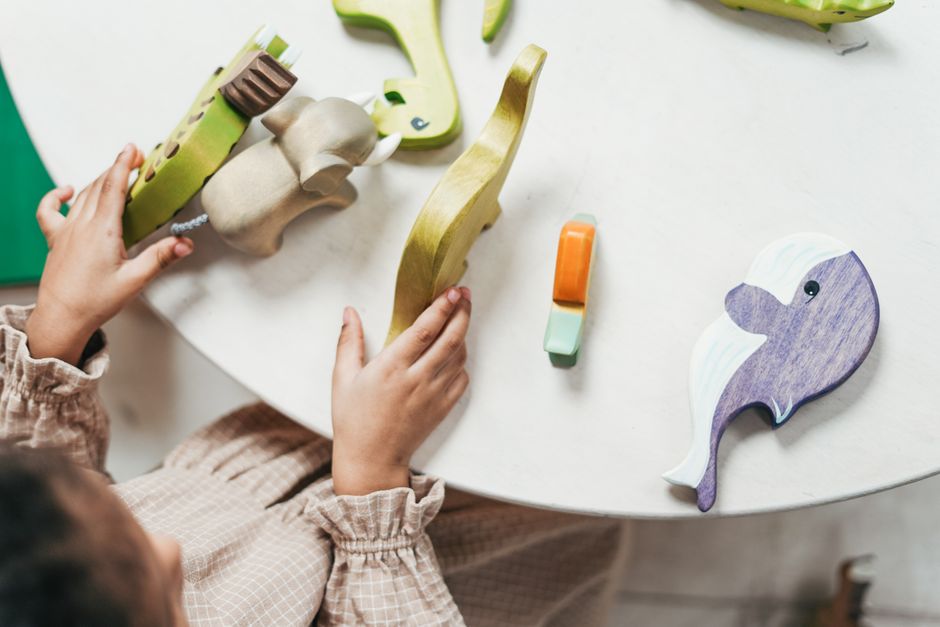
A: Look for natural materials like solid wood with non-toxic finishes, high-quality BPA-free plastics, and fabrics. Ensure there are no small, easily detachable “pezzi” (pieces) that could pose a choking hazard.
Q: Should I buy gender-specific toys for my 3-year-old?
A: Absolutely not. Imaginative play thrives when children are free to explore all types of roles and scenarios. A toy kitchen is for everyone, and toy cars (auto) are for everyone. Focus on interests, not traditional gender norms.
Q: My child gets bored easily with open-ended toys. What am I doing wrong?
A: You’re likely not doing anything wrong. Sometimes, children need a little nudge or modeling. Try sitting down and playing with them for a few minutes, showing them different ways to use the toy, then stepping back. Rotating toys can also keep interest fresh.
Q: How important is durability for educational toys?
A: Durability is extremely important. High-quality, durable toys (perhaps with some “acciaio” components in a tool set) mean they can withstand vigorous play, be passed down, and offer consistent play opportunities without breaking. This enhances lifecycle value and reduces frustration.
Your Next 5-Minute Action Plan
Go check your child’s current toy collection. Pick out one toy that you suspect might be limiting imaginative play (maybe it’s too prescriptive or too noisy). Put it away for a week and observe if your child gravitates more towards their open-ended toys.