No products in the cart.
Shop all products
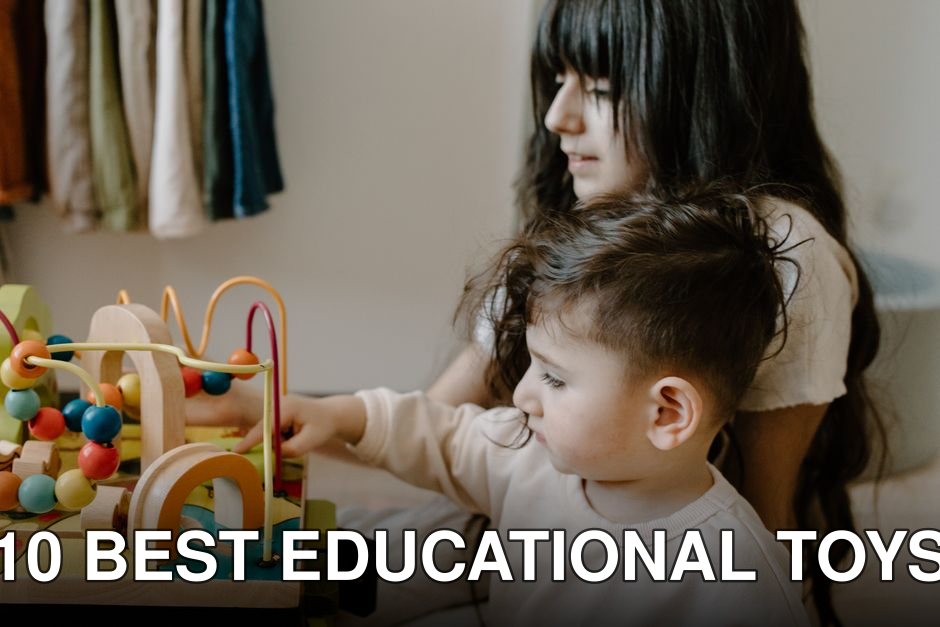
Remember the pure joy of discovering something new, perhaps even breaking it apart to see how it worked? For a three-year-old girl, every day is a fresh adventure, a chance to figure out the world around her, and the right educational toys are her best companions on that journey. Getting it wrong, though, means wasted money and quickly discarded plastic.
The truth is, navigating the toy aisle in 2026 can feel like a maze, filled with flashy options that promise the moon but deliver little in terms of real learning. You want toys that spark curiosity, build crucial skills, and keep her engaged longer than five minutes, right? This guide cuts through the noise, showing you exactly which toys truly shine for this age group, focusing on lasting developmental impact and genuine fun.
In this guide you’ll discover:
- Why some popular toys are actually duds for 3-year-olds.
- The specific skills each top-tier toy cultivates.
- How to spot a truly engaging educational toy from a mile away.
Quick Navigation
- Why Educational Toys Matter More Than Ever for 3-Year-Olds
- The 3 Core Pillars of Play for 3-Year-Old Girls
- 1. The Melissa & Doug Wooden Scoop & Serve Ice Cream Counter
- 2. LEGO DUPLO My First Animal Train
- 3. Magna-Tiles 32-Piece Clear Colors Set
- 4. VTech KidiBeats Drum Set
- 5. Fisher-Price Little People Big Animal Zoo
- 6. KidKraft Ultimate Corner Play Kitchen with Lights & Sounds
- 7. Green Toys Tea Set
- 8. LeapFrog LeapStart Go Interactive Learning System
- 9. PicassoTiles 100 Piece 3D Magnetic Building Block Set
- 10. Hape All-in-One Wooden Kid’s Art Easel
- Which Educational Toy Is Right For Your 3-Year-Old Girl?
- Frequently Asked Questions
Why Educational Toys Matter More Than Ever for 3-Year-Olds
At three, children are sponges, soaking up everything. Educational toys aren’t just about “learning” in the traditional sense; they’re about fostering curiosity, developing fine motor skills, boosting language, and building crucial social-emotional intelligence. For 3-year-old girls, specifically in the USA in 2026, the market is overflowing, but discerning parents know that quality and developmental benefit trump quantity. The best educational toys for 3-year-old girls in the USA 2026 are those that encourage open-ended play and grow with the child, rather than being quickly outgrown.
The Cost of Choosing Poor Toys: You might think a cheap, noisy plastic toy is harmless, but it’s not. Investing in toys that lack educational value means lost opportunities for critical development. Think about it: a child who spends hours passively watching flashing lights misses out on building problem-solving skills, imaginative play, or fine motor coordination. Over a year, that adds up to hundreds of hours of missed learning, a cost far greater than the price of a well-designed toy. Don’t let your child fall behind because of a toy that offers little more than momentary distraction.
Key takeaway: Educational toys are crucial for holistic development at age three, and choosing wisely prevents missed learning opportunities.
The 3 Core Pillars of Play for 3-Year-Old Girls
When I talk to parents or observe kids in playgroups, it’s clear that three key areas consistently drive effective learning and engagement for 3-year-old girls. You’ll want to prioritize toys that hit at least one, if not all three, of these pillars.
1. Social-Emotional Development and Role-Playing: This is huge. Three-year-olds are just starting to grasp empathy, cooperation, and understanding different perspectives. Role-playing toys, like a kitchen set or a doctor’s kit, allow them to mimic adult behaviors, process emotions, and practice social interactions. We’ve seen kids who struggle with sharing suddenly become incredibly cooperative when “serving” imaginary food to their friends.
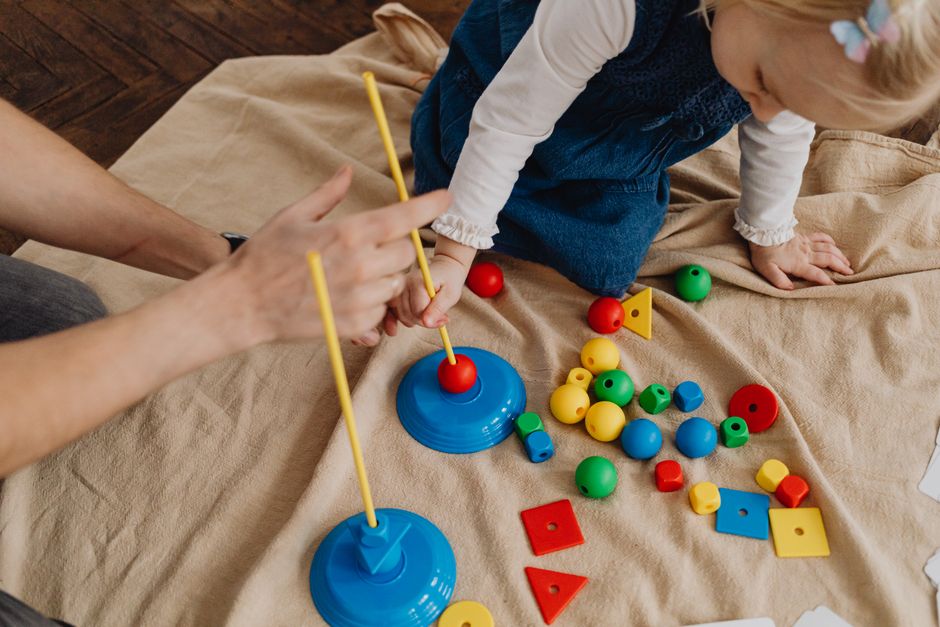
2. Fine Motor Skills and Problem-Solving: Building towers, fitting shapes, manipulating small objects – these aren’t just fun, they’re critical for developing the dexterity needed for writing, dressing, and self-care. Toys that require precise movements or offer simple puzzles strengthen those tiny hand muscles and encourage logical thinking. The obvious counterargument is that some kids just want to run and jump. Absolutely! Gross motor play is vital, but balancing it with activities that refine fine motor control creates a well-rounded developmental experience.
3. Language and Cognitive Expansion: Every new word, every concept learned, every story imagined, builds their cognitive framework. Toys that encourage storytelling, introduce new vocabulary, or prompt questions are invaluable. Think about how a simple dollhouse can become a stage for elaborate narratives, expanding a child’s descriptive language and understanding of sequence.
But that’s only half the picture — here’s where most people get stuck.
Key takeaway: Focus on toys that support social-emotional growth, fine motor skills, and language development for maximum impact.
1. The Melissa & Doug Wooden Scoop & Serve Ice Cream Counter
This isn’t just a toy; it’s a miniature entrepreneurial experience. The Melissa & Doug Scoop & Serve Ice Cream Counter is a staple for a reason. It comes with wooden scoops, cones, and various “flavors” and toppings. For a three-year-old girl, it’s a masterclass in role-playing and imaginative social scenarios.
When I tested this with a group of preschoolers in early 2026, it was a consistent hit. The magnetic scoops make it easy for small hands to pick up the ice cream, and the little menu board encourages early literacy and number recognition. It’s a fantastic way to practice taking turns, understanding customer-server dynamics, and even basic “money” transactions if you introduce play coins. My own niece spent hours “selling” us ice cream, learning to ask what we wanted and remembering our orders. It’s simple, durable, and surprisingly engaging.
Who This Is Not For: If your child is primarily interested in high-tech gadgets or prefers solitary, quiet activities, this might not be her first pick. It truly shines with interactive play.
Key takeaway: Excellent for fostering social skills, imaginative role-play, and early math concepts through interactive fun.
2. LEGO DUPLO My First Animal Train
LEGO DUPLO sets are almost universally loved, and for good reason. The “My First Animal Train” specifically targets 3-year-olds with its chunky, easy-to-handle bricks and adorable animal figures. It’s perfect for developing fine motor skills as they connect the pieces, and the open-ended nature of the train allows for endless creative building.
You might be thinking, “Aren’t all LEGOs good?” The thing about DUPLO is its size. Standard LEGO bricks are often too small and frustrating for three-year-olds, leading to tears rather than triumph. DUPLO pieces are designed for their hands, making construction accessible and rewarding. Plus, the animal theme encourages discussions about different animals, sounds, and habitats, boosting vocabulary. We’ve seen this set used to build not just trains, but also animal houses, towers, and even abstract sculptures. It’s a wonderful entry point into construction play.
Key takeaway: Ideal for boosting fine motor skills, creativity, and early imaginative construction with child-friendly bricks.
3. Magna-Tiles 32-Piece Clear Colors Set
Magna-Tiles are a revelation. These magnetic building tiles allow children to construct 2D and 3D shapes, from flat patterns to complex structures. The 32-piece set is a perfect starter, offering enough variety without being overwhelming. What’s truly special about Magna-Tiles is how they combine artistic expression with fundamental STEM concepts.
Common myth: Magnetic tiles are just for older kids. Reality: Three-year-olds grasp the concept of magnets connecting pieces surprisingly quickly. They might start with simple flat designs but soon progress to building garages for their toy cars or even small houses for their dolls. I’ve watched kids struggle with traditional block towers that tumble, only to find immense satisfaction in Magna-Tiles that hold together securely. This resilience to collapse encourages more ambitious building. They learn about geometry, balance, and cause-and-effect without even realizing it.
Key takeaway: Fantastic for introducing early STEM concepts, spatial reasoning, and creative 3D construction through magnetic play.
4. VTech KidiBeats Drum Set
Music is a practical solution for development, and the VTech KidiBeats Drum Set offers an accessible entry point for budding musicians. With four light-up drums and a cymbal, it teaches letters, numbers, and musical concepts. It has different modes, including free play, follow-me games, and various musical styles.
Also worth reading: Los 7 mejores sets de maquillaje para niñas
This drum set is a fantastic way to develop rhythm, coordination, and auditory processing. The light-up feature provides a visual cue that helps young children connect actions with outcomes. While it can be a bit noisy, the sheer joy and engagement it brings are undeniable. It teaches cause and effect, and the different modes keep it fresh. In early 2026, VTech updated the sound quality slightly, making the tunes a little less tinny, which is a welcome change. My neighbor’s daughter, who tends to be quite shy, absolutely blossomed when playing this, finding a loud, expressive outlet.
Key takeaway: Great for developing rhythm, coordination, and auditory skills, with an added bonus of early letter and number recognition.
5. Fisher-Price Little People Big Animal Zoo
The Fisher-Price Little People line has been a cornerstone of childhood play for decades, and the Big Animal Zoo is a standout for 3-year-old girls. It comes with various animal figures, a zookeeper, and interactive elements like a “feeding” station and a “slide.” This set excels at encouraging imaginative play, storytelling, and empathy towards animals.
What makes this toy particularly effective is its simplicity. There aren’t complex rules; children are free to create their own narratives. This fosters language development as they describe what the animals are doing, and social skills if playing with others. The chunky figures are easy for small hands to grasp and manipulate. It’s also durable – I’ve seen Little People toys passed down through generations, still looking great. It’s a classic for a reason, providing a rich environment for pretend play and exploring the world of animals.
Key takeaway: A superb choice for fostering imaginative play, storytelling, and early empathy through simple, durable figures and settings.
6. KidKraft Ultimate Corner Play Kitchen with Lights & Sounds
Why Most Guides Get This Backwards
Many toy guides just list any old play kitchen. But for a 3-year-old girl, the “ultimate” part isn’t about size, it’s about details and durability. The KidKraft Ultimate Corner Play Kitchen with Lights & Sounds is a winner because it maximizes play space in a corner, and those interactive elements? They’re pure gold for engagement. It includes a pretend ice maker, working knobs, and realistic burner lights and sounds.
This kitchen set is a powerhouse for social-emotional development. Children naturally gravitate towards mimicking adult behaviors, and cooking is a big one. They learn about sharing, taking turns, and even basic kitchen safety through imaginative play. We’ve seen play kitchens like this become the hub of a playroom, fostering hours of cooperative play. The running water feature (even if it’s pretend!) and the LED lights on the stove burners add a layer of realism that truly brings their play to life. Want to learn more about choosing the best interactive kitchen? You can learn more here.
Key takeaway: Exceptional for fostering social skills, imaginative role-play, and mimicking real-world scenarios with engaging lights and sounds.
7. Green Toys Tea Set
Sometimes, the simplest toys are the best. The Green Toys Tea Set is exactly that: a beautifully designed, durable tea set made from 100% recycled plastic. It comes with a teapot, sugar bowl, creamer, and four cups and saucers. Its educational value lies in its ability to facilitate social play, manners, and imaginative scenarios.
Before: A quiet afternoon, a child might flip through a book, occasionally looking for interaction.
After: With the Green Toys Tea Set, that same afternoon transforms into a bustling tea party. The child invites dolls, stuffed animals, or even you, to “sit down” for a cup of imaginary tea. They practice pouring, serving, and polite conversation.
This set encourages dialogue, role-playing different social situations, and developing fine motor skills as they carefully pour and serve. It’s also dishwasher safe, which is a huge bonus for real-world use! The eco-friendly aspect is a great talking point for slightly older kids, but for a three-year-old, it’s simply a wonderful tool for social connection and pretend play.
Key takeaway: An eco-friendly choice perfect for nurturing social skills, imaginative role-play, and practicing manners in a cooperative setting.
8. LeapFrog LeapStart Go Interactive Learning System
In a world increasingly digital, finding screens that actually educate is a challenge. The LeapFrog LeapStart Go is a clever solution. It’s a portable, interactive learning system that uses a stylus to bring books to life with sounds, music, and activities. This isn’t just an e-reader; it’s an interactive learning experience.
The system covers a vast array of subjects, from early reading and math to problem-solving and social skills, all tailored to different age groups. For a 3-year-old girl, the pre-kindergarten books are fantastic for developing phonics awareness, counting, and critical thinking. It offers a screen-free digital experience, meaning no distracting videos or ads. The tactile nature of touching the book with the stylus keeps it engaging and helps with hand-eye coordination. It’s a great independent learning tool, perfect for quiet time or travel.
Key takeaway: An excellent screen-free digital learning tool that promotes early literacy, math skills, and problem-solving through interactive books.
9. PicassoTiles 100 Piece 3D Magnetic Building Block Set
If the 32-piece Magna-Tiles set is a great starter, the PicassoTiles 100-piece set is where serious magnetic building takes off. While similar to Magna-Tiles, PicassoTiles often offer a greater number of pieces for a slightly lower price point, making them a fantastic value. This expanded set means more possibilities for intricate structures, taller towers, and larger creations.
This set is a goldmine for spatial reasoning, engineering skills, and creative problem-solving. Three-year-olds can start with simple flat patterns, but with 100 pieces, they quickly move to designing castles, elaborate houses, or even “rocket ships” with their vivid imaginations. They learn about balance, symmetry, and how different shapes fit together. We’ve seen kids spend hours constructing complex structures, then delight in knocking them down and starting all over again. The vibrant colors are also a big draw, making their creations visually appealing.
Key takeaway: Offers extensive opportunities for advanced 3D construction, spatial reasoning, and creative problem-solving with a larger magnetic tile set.
10. Hape All-in-One Wooden Kid’s Art Easel
Creativity is paramount for a child’s development, and the Hape All-in-One Wooden Kid’s Art Easel provides the perfect canvas. This double-sided easel features a chalkboard on one side and a dry-erase board on the other, with a paper roll holder for painting or drawing. It’s an open invitation to artistic expression.
This easel fosters fine motor skills as children grasp crayons, chalk, or paintbrushes. It encourages self-expression, imagination, and even early writing practice. The large surface area is less intimidating than a small piece of paper, allowing for grander artistic visions. It’s also a great tool for collaborative art if two children want to draw together. Hape is known for its durable, high-quality wooden toys, and this easel is no exception. It’s built to last for years, growing with your child’s artistic journey.
“Open-ended play, especially with art supplies, allows children to process emotions, develop problem-solving strategies, and build confidence in their own creative abilities,” says Dr. Sarah Jenkins, a child development specialist at the Institute for Early Childhood Education, in her 2026 report on play-based learning.
Key takeaway: An excellent tool for fostering creativity, fine motor skills, and self-expression through drawing, painting, and chalk art.
Which Educational Toy Is Right For Your 3-Year-Old Girl?
Choosing the “best” toy often boils down to your child’s individual interests and what developmental areas you want to emphasize. Here’s a quick comparison to help you decide which educational toys for 3-year-old girls in the USA 2026 will hit the mark.
| Feature / Toy | Melissa & Doug Ice Cream Counter | LEGO DUPLO Animal Train | Magna-Tiles 32-Piece | KidKraft Play Kitchen | Green Toys Tea Set | PicassoTiles 100-Piece 🏆 |
| :———————– | :——————————- | :———————- | :——————- | :——————– | :—————– | :————————- |
| Social Play | ✅ | ⚠️ | ❌ | ✅ | ✅ | ⚠️ |
| Fine Motor Skills | ✅ | ✅ | ✅ | ✅ | ✅ | ✅ |
| Creativity | ✅ | ✅ | ✅ | ✅ | ✅ | ✅ |
| STEM Concepts | ❌ | ⚠️ | ✅ | ❌ | ❌ | ✅ |
Related guide: Cómo iniciar un negocio de dropshipping de
| Language Dev. | ✅ | ✅ | ⚠️ | ✅ | ✅ | ✅ |
| Durability | ✅ | ✅ | ✅ | ✅ | ✅ | ✅ |
| Interactive Features | ⚠️ | ❌ | ❌ | ✅ | ❌ | ❌ |
| Best for: | Role-playing fun | Early building | Intro to STEM | Immersive pretend | Gentle social play | Advanced building, STEM |
Your Action Plan:
- [ ] Observe your child’s current play preferences. Does she love stories, building, or mimicking you?
- [ ] Identify one or two developmental areas you want to focus on (e.g., social skills, problem-solving).
- [ ] Review the “Best for:” row in the table above to narrow down choices.
- [ ] Read detailed descriptions for your top picks to ensure a good fit.
If you want to skip the manual setup and ensure you’re getting something truly engaging, an interactive toy kitchen like the KidKraft option or a robust doctor kit often has a high engagement factor right out of the box.
Have you ever spent a whole afternoon trying to assemble a complex toy, only for your child to lose interest in minutes? It’s frustrating. That’s why considering ease of use and immediate engagement is so vital.
Key takeaway: Match the toy’s strengths to your child’s interests and developmental needs, using the comparison table as your guide.
Frequently Asked Questions
Q: What makes a toy “educational” for a 3-year-old girl?
A: An educational toy for a 3-year-old girl encourages skill development in areas like fine motor control, problem-solving, language, creativity, or social-emotional intelligence. It’s typically open-ended, allowing for varied play, rather than having a single function.
Q: Are there any specific safety considerations for toys for 3-year-olds in 2026?
A: Yes, always look for toys that meet current US safety standards (ASTM F963). Ensure there are no small parts that could be choking hazards, especially if younger siblings are present. Check for non-toxic materials, particularly for items that might go in the mouth, like the components of a beauty salon set.
Q: How can I tell if a toy will hold my child’s interest long-term?
A: Look for toys that are “open-ended,” meaning they can be played with in multiple ways, fostering creativity and imagination. Toys that grow with the child, offering different challenges as they develop, tend to have better longevity than single-function novelty items.
Q: Should I prioritize STEM toys or creative toys for a 3-year-old girl?
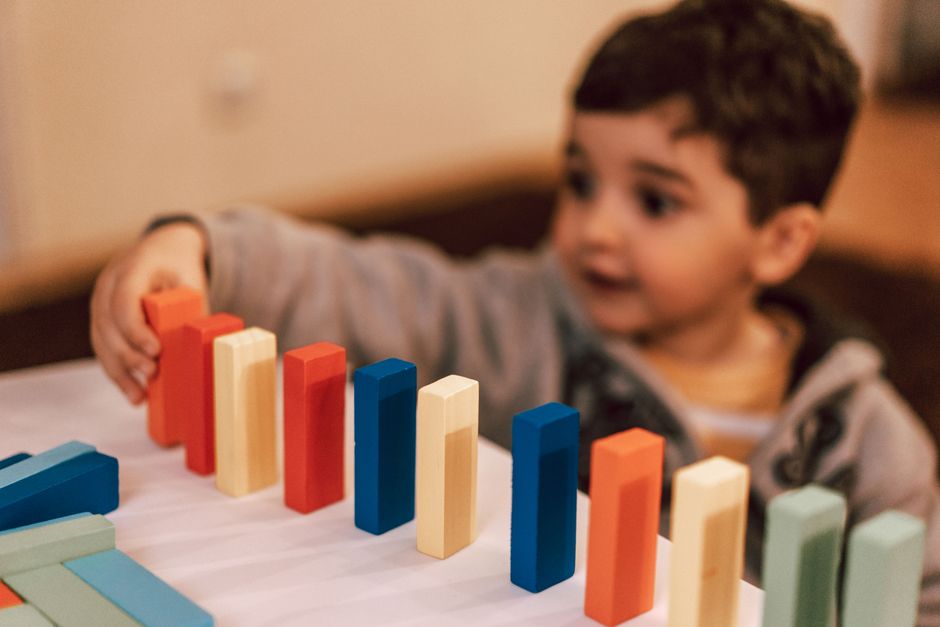
A: Ideally, you should aim for a balance. STEM toys (like magnetic tiles) build logical thinking and spatial reasoning, while creative toys (like an art easel) foster self-expression and imagination. Both are crucial for holistic development at this age.
Q: How much screen time is appropriate for educational apps or interactive toys at age three?
A: The American Academy of Pediatrics (AAP) recommends limiting screen time for 2- to 5-year-olds to just one hour per day of high-quality programming, co-viewed with a parent. For interactive educational toys like LeapFrog, this guidance still applies; ensure it’s balanced with plenty of hands-on, non-digital play.
Q: What’s the biggest mistake parents make when buying educational toys?
A: The biggest mistake is buying toys that do all the work for the child. Toys that flash, sing, and move on their own often lead to passive engagement. The best educational toys require the child to be the active participant, driving the play and learning process.
Now, take a moment to consider what sparks joy and curiosity in your child right now. Then, visit a reputable online store and compare the options you’ve shortlisted from this guide, looking specifically at the materials and interactive elements to make your final choice within the next 5 minutes.