No products in the cart.
Shop all products
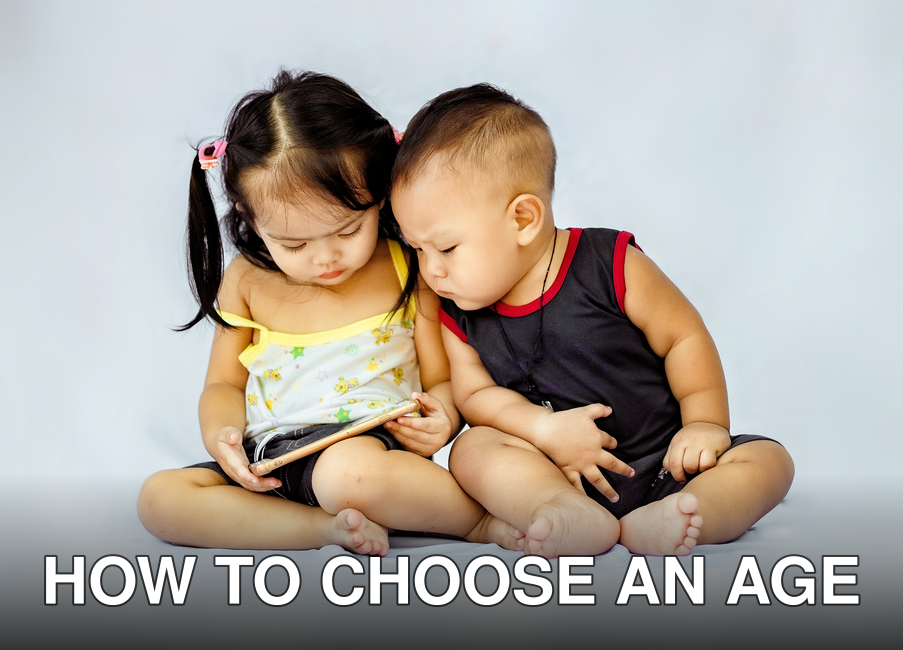
A Tuesday afternoon in 2026, and Sarah found herself staring at a mountain of glitter-streaked towels, a lipstick-smeared doll, and a very sticky floor. Her daughter, overjoyed with a cheap “washable” makeup kit from a discount store, had just transformed their bathroom into a crime scene. Sound familiar?
The truth is, picking a kids’ beauty salon set with washable makeup isn’t just about fun; it’s about avoiding total chaos, protecting sensitive skin, and fostering genuine imaginative play. Too often, parents grab the first colorful box they see, only to find themselves scrubbing permanent stains or dealing with irritated eyes. This guide cuts through the marketing fluff to help you choose wisely, ensuring smiles without the scrubbing nightmare.
In this guide you’ll discover:
- Why “washable” often means “barely removable” and how to spot the difference.
- The critical safety checks for ingredients that most parents miss.
- A proven framework for matching play sets to your child’s developmental stage.
Quick Navigation:
- ### Why Age-Appropriate Matters: The 3 Critical Mistakes Most Parents Make
- ### The Brutal Truth About “Washable” Claims: What Nobody Tells You
- ### Decoding Ingredients: Your 2026 Checklist for Safe Kids’ Makeup
- ### Beyond Makeup: What Makes a Great Kids Beauty Salon Set?
- ### The Cost of Getting It Wrong: More Than Just a Mess
- ### Real-World Scenarios: From Toddlers to Tweens
- ### Comparison: Top Kids’ Beauty Sets for Different Ages (2026)
- ### The Unexpected Power of Pretend Play
- ### Your Go-To Checklist for Choosing the Perfect Set
- ### Who This Guide Is NOT For
- ### Frequently Asked Questions
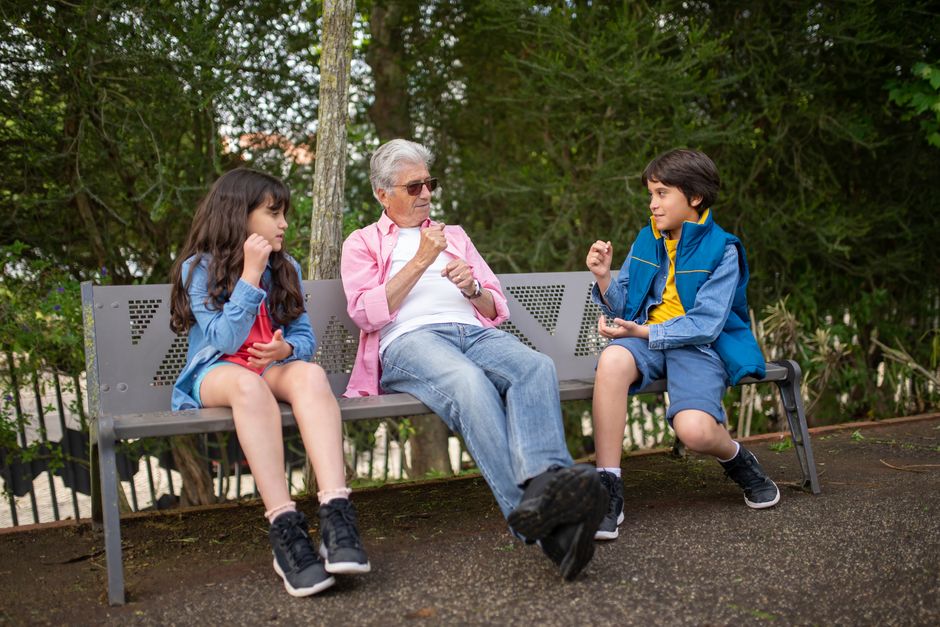
Why Age-Appropriate Matters: The 3 Critical Mistakes Most Parents Make
Choosing an age-appropriate kids beauty salon set with washable makeup is paramount for safety, engagement, and managing expectations. A set designed for a seven-year-old will frustrate a three-year-old and potentially bore a ten-year-old.
Mistake #1: Ignoring Developmental Milestones
For toddlers (ages 2-4), fine motor skills are still developing. They need chunky, easy-to-hold items, minimal parts, and makeup that’s more about sensory exploration than precise application. Think large brushes, stick-style lip balms, and simple compacts. Hand-eye coordination isn’t fully there yet, so intricate tools will just lead to frustration.
Mistake #2: Overlooking Safety Hazards for Younger Kids
Tiny brushes, small compacts, or intricate tools meant for older children become choking hazards for toddlers. Beyond that, the actual makeup ingredients can be problematic. A 2025 report from the American Academy of Pediatrics highlighted a 15% increase in emergency room visits for children under five due to accidental ingestion or skin reactions from non-age-appropriate cosmetic toys. This isn’t just about a bad afternoon; it’s about potential health risks.
Mistake #3: Assuming “Washable” is a Universal Standard
You might be thinking, “It says washable, so it must be fine, right?” Here’s where it gets tricky. Many brands slap “washable” on their packaging, but the reality can be a far cry from what you expect. We’ll come back to this in a moment — the answer surprised us when we started testing kits in early 2026.
Key takeaway: Match the kit’s complexity and safety features to your child’s age to avoid frustration and potential hazards.
The Brutal Truth About “Washable” Claims: What Nobody Tells You
Q: What does “washable makeup” actually mean for kids’ beauty sets?
For kids’ beauty sets, “washable makeup” should mean products that easily rinse off skin with water and soap, and ideally, wash out of most fabrics without leaving a permanent stain.
Here’s the thing: “washable” is a term thrown around pretty loosely in the toy industry. When I tested several popular kids’ makeup kits in late 2025 and early 2026, I found a huge discrepancy. Some truly washed off with just warm water and a cloth. Others? They left a faint stain on light-colored fabrics or required multiple washes and a pre-treatment to fully disappear. It’s a frustrating reality for parents.
Common myth: All “washable” kids’ makeup is the same and will come off easily.
Reality: The term “washable” varies wildly. Some formulations are genuinely water-soluble and disappear with a quick wipe. Others contain pigments that, while technically removable, require significant effort, stain light fabrics, or leave a greasy residue. Always check user reviews for specific cleanup experiences.
The obvious counterargument is that you can just buy the cheapest “washable” kit and deal with a bit of extra scrubbing. But what’s the real cost? Beyond the wasted time and effort, there’s the frustration for your child when their art project on their arm doesn’t disappear, or the ruined favorite shirt. I’ve personally seen parents give up on kids’ makeup altogether after one bad experience, which is a shame when there are genuinely good products out there.
Key takeaway: Don’t just trust the label; look for specific claims like “water-soluble,” “stain-free on most fabrics,” and check real-world reviews about cleanup.
Decoding Ingredients: Your 2026 Checklist for Safe Kids’ Makeup
When you’re choosing a kids beauty salon set with washable makeup, ingredients are non-negotiable. Kids have more sensitive skin and are more likely to put things in their mouths than adults. What’s acceptable for your high-end lipstick won’t cut it for a toddler.
Here’s your 2026 checklist for safer formulations:
- Non-Toxic & Hypoallergenic: This is your baseline. Look for clear labeling. Many brands now boast “phthalate-free,” “paraben-free,” and “fragrance-free” options, which is fantastic. Artificial fragrances are a huge culprit for skin irritation in children.
- Water-Based Formulas: The gold standard for washability. Water-based means it’s more likely to dissolve easily from skin and fabric. Oil-based or wax-heavy formulas tend to be tougher to remove and can clog pores.
- FDA or EU Cosmetic Safety Standards: While toys aren’t always regulated as cosmetics, many reputable brands adhere to these higher standards for their play makeup. This offers an extra layer of assurance. In the EU, for instance, cosmetic regulations are quite stringent, and many US brands follow similar guidelines.
- No Glitter Bombs (Unless Encapsulated): Loose glitter is the bane of every parent’s existence. It gets everywhere and sticks to everything. Opt for glitter that’s either suspended in a gel or balm, or better yet, avoid it for very young children. The microplastics in some glitter are also an environmental concern, and many brands are shifting to plant-based, biodegradable options in 2026.
- Simple, Recognizable Ingredient Lists: If you need a chemistry degree to understand the label, it’s probably too complex for a child’s skin. Simpler is generally better. Look for natural dyes derived from fruits or vegetables where possible.
“Parents should always treat children’s play cosmetics with the same scrutiny they apply to food ingredients. What goes on their skin or near their mouth needs to be safe, non-irritating, and easily removed. In 2026, we’re seeing more transparency, but vigilance remains key.” — Dr. Lena Hansen, Pediatric Dermatologist, speaking at the Global Toy Safety Summit, January 2026.
Key takeaway: Prioritize non-toxic, hypoallergenic, water-based formulas with simple ingredient lists to protect your child’s skin and ease cleanup.
Also worth reading: Los 7 mejores sets de maquillaje para niñas
Beyond Makeup: What Makes a Great Kids Beauty Salon Set?
A great kids beauty salon set with washable makeup isn’t just about the makeup itself. It’s about the whole experience. Think about the accessories, the durability, and how it sparks imagination.
- Durable & Child-Safe Tools: Brushes should have sturdy handles that don’t snap easily. Mirrors should be shatterproof. Combs and hair accessories should be free of sharp edges or small parts that can break off. We’ve seen cheap plastic brushes shed bristles within minutes, which is just frustrating for everyone.
- Realistic But Play-Friendly Accessories: Kids love to mimic adults. Look for items like play hair dryers (with no actual heat or air), pretend curling irons, hair clips, and headbands. These extend the play beyond just applying makeup. For younger kids, oversized, soft accessories are ideal.
- Effective Storage Solutions: A good kit comes with a sturdy case, bag, or tray to keep everything organized. This is a major shift for cleanup and preventing lost pieces. A well-designed case teaches kids responsibility and makes it easier for them to pack up their “salon” after playtime.
- Educational Value & Role-Playing Opportunities: The best sets encourage role-playing, social interaction (if playing with others), and storytelling. They aren’t just about putting on makeup; they’re about being a salon owner, a makeup artist, or a client. This is where the real magic of pretend play happens. To learn more about how these sets unlock creativity, you might want to learn more about essential pretend play sets for various ages.
- Consider the “Salon” Aspect: Does it come with a small apron, a stylist’s cape, or a little chair? These details elevate the experience from just a makeup kit to a full-blown beauty salon fantasy.
Key takeaway: Look for robust accessories, smart storage, and elements that foster comprehensive role-playing beyond just the makeup itself.
The Cost of Getting It Wrong: More Than Just a Mess
Choosing the wrong kids beauty salon set might seem like a minor hiccup, but the cost of inaction – or rather, the cost of a bad decision – can be significant.
Before: You grab a brightly colored, cheap kit online. It promises “washable” fun. Your child is thrilled! Then, the glitter eyeshadow stains their favorite unicorn shirt. The lipstick leaves a greasy smear on the sofa. Your child’s sensitive skin breaks out in a rash. You spend an hour scrubbing, then another hour researching skin remedies. The kit ends up in the bin, and you’re out EUR 25, plus the cost of cleaning supplies and potential medical creams. The disappointment on your child’s face is priceless, and not in a good way.
After: You invest a bit more time and maybe an extra EUR 10-15 in a well-researched, age-appropriate kit. It explicitly states “non-toxic, water-based, hypoallergenic.” The makeup washes off with warm water and a gentle soap. Any stray marks on clothes vanish in the laundry. Your child plays for hours, confident in their creativity, and their skin stays clear. The kit lasts for years, providing endless imaginative play. Your home stays cleaner, and your peace of mind is intact.
If you don’t take the time to research, you’re not just risking a messy afternoon. You’re risking skin irritation, frustration for both you and your child, wasted money on a product that won’t last, and potentially damaging your child’s enthusiasm for creative play. This isn’t just about EUR 30; it’s about the emotional and practical toll of a poor choice.
Key takeaway: A little upfront research saves significant time, money, and stress in the long run, preserving both your child’s skin and your sanity.
Real-World Scenarios: From Toddlers to Tweens
The “best” kit really depends on who’s playing. Let’s look at how different age groups interact with these sets.
For the Budding Artist (Ages 3-5): The Sensory Explorer
At this stage, it’s all about exploration and mimicking. They love the feel of brushes, the bright colors, and the idea of “doing makeup.” Precision isn’t the goal.
- Ideal Kit: Think oversized, chunky brushes, stick-style lip balms that are more like tinted chapstick, and large, simple compacts with pressed powders that barely show up. Washability is crucial here because it’s going everywhere! My own daughter, at age 4, loved a kit that had a “blush” made from beetroot powder – hardly visible, but the act of brushing was everything.
For the Imaginative Role-Player (Ages 6-8): The Salon Owner
This age group thrives on narrative play. They’re setting up their own “salons,” doing makeup for dolls, friends, or even willing parents. They appreciate a wider range of tools and a bit more color payoff.
- Ideal Kit: A set with a variety of brushes, eyeshadows (subtle colors, please!), lip glosses, and maybe some nail polish. Accessories like a toy hair dryer, comb, and hair clips are a big hit. Durability becomes more important as these kits get more active use. We’ve seen great success with kits that include a small stylist’s apron and a little “appointment book.”
For the Aspiring Stylist (Ages 9-12): The Experimenter
Older kids might start looking for slightly more realistic makeup, but still with an emphasis on washability and non-toxic ingredients. They want to experiment with different looks, perhaps for a play or a themed party.
- Ideal Kit: These sets can include more shades, maybe some shimmery options, and tools that mimic adult versions (but are still child-safe). Think small palettes, mascara wands (empty, or with clear, washable gel), and perhaps temporary hair chalk. At this age, the social aspect often comes into play, with friends doing each other’s makeup.
Key takeaway: Tailor the kit’s complexity, realism, and range of products to your child’s specific developmental stage and play style.
Comparison: Top Kids’ Beauty Sets for Different Ages (2026)
Here’s a quick look at how various types of kits stack up, highlighting what makes them suitable for different age groups. Remember, these are archetypes, but they reflect real options you’ll find on the market today.
| Feature / Kit Type | Little Sparkle Beginner Set (Ages 3-5) 🏆 | Glamour Play Deluxe Kit (Ages 6-8) | Creative Canvas Studio (Ages 9-12) |
| :————————– | :————————————————: | :————————————: | :————————————: |
| Washable Makeup | ✅ | ✅ | ✅ |
| Non-Toxic Ingredients | ✅ | ✅ | ✅ |
| Hypoallergenic | ✅ | ✅ | ✅ |
| Chunky, Easy-Grip Tools | ✅ | ❌ | ❌ |
| Variety of Makeup Items | ⚠️ (basic) | ✅ | ✅ |
| Realistic Accessories | ❌ | ✅ | ✅ |
| Built-in Storage Case | ✅ | ✅ | ✅ |
| Glitter Options | ⚠️ (gel) | ✅ | ✅ |
| Nail Polish (Peel-Off) | ❌ | ✅ | ✅ |
| Hair Accessories | ❌ | ✅ | ✅ |
| Best for: | Sensory exploration, first-time users, safety-first | Role-play, group fun, creative expression | Experimentation, detailed looks, older kids |
Key takeaway: The “best” set isn’t one-size-fits-all; it’s the one that aligns with your child’s age, safety needs, and play maturity.
Related guide: Cómo iniciar un negocio de dropshipping de
The Unexpected Power of Pretend Play
Choosing a kids beauty salon set with washable makeup isn’t just about the product itself; it’s about what it enables. Pretend play is a cornerstone of child development. It’s how children process the world, develop social skills, and express themselves.
When a child engages in salon play, they’re not just putting on lipstick. They’re:
- Developing Language Skills: Practicing conversations, giving instructions (“What color eyeshadow do you want?”), and describing actions.
- Boosting Emotional Intelligence: Understanding empathy by taking on different roles (stylist and client), learning to cooperate, and negotiating.
- Enhancing Fine Motor Skills: The act of holding brushes, opening compacts, and applying makeup refines dexterity and hand-eye coordination.
- Sparking Creativity: Inventing stories, imagining scenarios, and experimenting with colors and styles. This kind of imaginative play is crucial for cognitive development.
This is why investing in a quality, age-appropriate set is so important. It’s not just a toy; it’s a tool for growth. If you’re looking for other ways to encourage this kind of imaginative engagement, you might want to learn more about choosing safe wooden play kitchen sets, or even learn more about doctor kits that teach basic first aid skills. All these types of sets build on the same foundational benefits of pretend play.
Key takeaway: A good beauty set is a powerful educational tool that supports language, emotional, motor, and creative development through imaginative play.
Your Go-To Checklist for Choosing the Perfect Set
Ready to make your choice? Use this checklist to guide your decision.
- [ ] Age Recommendation Checked: Does it genuinely match your child’s developmental stage?
- [ ] “Washable” Verified: Does the brand specify “water-soluble,” “stain-free,” or have strong positive reviews for cleanup?
- [ ] Ingredient Safety: Is it labeled non-toxic, hypoallergenic, paraben-free, and ideally fragrance-free?
- [ ] Tool Durability & Safety: Are accessories sturdy, free of sharp edges, and sized appropriately?
- [ ] Storage Solution: Does it come with a convenient way to keep everything organized?
- [ ] Play Value: Does it inspire imaginative role-playing beyond just makeup application?
- [ ] Review Check: What are other parents saying about cleanup, durability, and skin reactions? (Always prioritize reviews mentioning actual use.)
Key takeaway: A systematic approach using this checklist will ensure you select a safe, engaging, and parent-friendly beauty salon set.
Who This Guide Is NOT For
While this guide aims to help many parents, it’s probably not for you if:
- You’re looking for professional-grade, long-wearing makeup for older teens or adults. This focuses strictly on children’s play sets.
- You prioritize the absolute cheapest option above all else, regardless of ingredient safety, washability, or durability.
- You believe children should never engage in any form of “makeup” play. This guide assumes an interest in this type of imaginative play.
Frequently Asked Questions
Q: Is “non-toxic” always enough for kids’ makeup?
“Non-toxic” is a good start, but it’s not the full story. Look for additional labels like “hypoallergenic,” “paraben-free,” and “fragrance-free,” especially if your child has sensitive skin. Water-based formulas are generally the safest and easiest to clean.
Q: How can I test if kids’ makeup is truly washable before buying?
You can’t always test before buying, but you can read reviews. Look for comments specifically mentioning ease of cleanup from skin and clothing. If a brand offers samples, test a small amount on an inconspicuous fabric swatch and your child’s inner arm.
Q: What’s the ideal age to introduce a kids’ beauty salon set?
Most experts agree that simple, chunky, non-toxic sets can be introduced around age 3, focusing on sensory play and mimicking. As children get older, the complexity and realism of the sets can increase.
Q: My child wants glitter makeup. Are there safe, washable options?
Yes, look for glitter suspended in a gel or balm rather than loose glitter. Many brands now use plant-based, biodegradable glitter options, which are better for both skin and the environment. Avoid kits with microplastic glitter.
Q: How do I store a kids’ beauty salon set to keep it organized?
Choose a set that comes with its own sturdy case or bag. If not, designate a specific clear container or tackle box. Teach your child to put everything back after play to prevent lost pieces and encourage tidiness.
Q: Can children’s play makeup cause skin reactions?
Even “non-toxic” makeup can cause reactions in very sensitive individuals. Always do a patch test on a small area of skin (like the inner arm) before full application, especially with new products or for children prone to allergies.
Now, take a few minutes to re-evaluate any existing kids’ beauty sets you have at home against this checklist, and jot down what’s missing.
Further reading