No products in the cart.
Shop all products
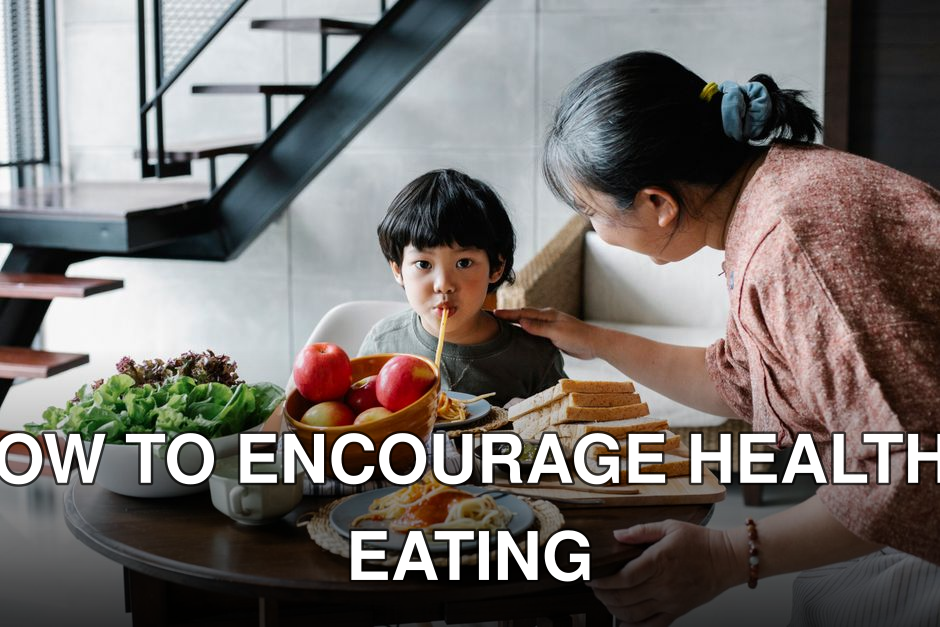
Maria, a busy mom of two, found herself in a familiar standoff last Tuesday evening, trying to convince her five-year-old to even look at the broccoli on his plate. It’s a scene many of us know too well, a nightly battle that feels less like parenting and more like a high-stakes negotiation. But what if the secret to ending these food fights wasn’t a new recipe or a stricter rule, but something far more playful?
The struggle to encourage healthy eating habits in children is real, often leading to frustration, wasted food, and genuine worry about nutrition. Picky eating isn’t just a phase; left unaddressed, it can solidify into long-term dietary patterns that impact health and well-being. This is where the often-underestimated power of an interactive toy kitchen steps in, offering a surprisingly effective, low-pressure solution to transform mealtime resistance into eager exploration.
In this guide, you’ll discover:
- Why the right toy kitchen isn’t just play, but a potent learning environment.
- The exact strategies to turn pretend cooking into genuine curiosity about healthy foods.
- How to choose a toy kitchen that truly supports your goals in 2026, avoiding common missteps.
The Essential Guide: How to Turn Playtime into Healthy Eating Habits with an Interactive Toy Kitchen
An interactive toy kitchen provides a dynamic, low-stakes environment where children can experiment with food concepts, build positive associations with nutritious ingredients, and develop essential life skills, making it a surprisingly effective tool to encourage healthy eating habits. By engaging in pretend cooking, kids gain familiarity and control over their food choices, laying a foundation for better dietary patterns.
Quick Navigation
- Why an Interactive Toy Kitchen Isn’t Just for Fun (It’s a Learning Lab)
- The 3 Core Principles for Cultivating Healthy Food Choices
- Choosing the Right Interactive Toy Kitchen Set: What Matters in 2026?
- 7 Proven Strategies to Integrate Healthy Eating into Play
- Navigating Common Pitfalls: Why Most Approaches Fall Flat
- Real-World Impact: Stories from the Playroom
- Frequently Asked Questions
Why an Interactive Toy Kitchen Isn’t Just for Fun (It’s a Learning Lab)
You might be thinking, “It’s just a toy, how much difference can it really make?” I get it. For years, I viewed toy kitchens as mere entertainment, a way to keep kids busy while I cooked real dinner. But that’s a narrow view, one that misses the profound developmental benefits hiding behind those miniature pots and pans. An interactive toy kitchen, at its core, is a carefully designed simulation environment where children can safely mimic adult behaviors, especially those related to food preparation and consumption. It’s a space where they can explore, create, and learn without the pressure or mess of a real kitchen.
The cost of inaction here is significant. If we keep fighting over vegetables at the dinner table, we’re not just creating stress; we’re reinforcing negative associations with food. We’re missing critical windows for developing food literacy and adventurous palates. By 2026, pediatric nutritionists are increasingly emphasizing early, positive food exposure as a key preventative measure against childhood obesity and chronic diseases. Ignoring tools like a toy kitchen means potentially missing out on a powerful, joyful way to shape your child’s future health.
Common myth: Toy kitchens are only for girls, or they’re just about playing “house.”
Reality: Play kitchens are gender-neutral platforms for critical life skills. Boys benefit just as much from developing fine motor skills, imaginative play, and understanding nutrition. It’s about practical learning, not gender roles.
When a child “cooks” in their toy kitchen, they’re not just stirring imaginary soup. They’re engaging in complex cognitive processes. They’re identifying colors and shapes (the “red apple,” the “round plate”). They’re practicing counting (“two carrots,” “three slices of bread”). They’re developing fine motor skills by manipulating small pieces of play food and utensils. Most importantly, they’re building narratives around food. “We’re making a healthy salad for the family,” they might say, internalizing the concept of a balanced meal. It’s a hands-on laboratory for understanding the world, and food is a central, tangible part of that world.
Key takeaway: An interactive toy kitchen is far more than just a plaything; it’s a critical early learning tool that fosters cognitive development, fine motor skills, and positive food associations, offering a low-pressure environment for nutritional education.
But understanding why it works is only half the battle — here’s where most parents get stuck, not knowing how to actually use it effectively.
The 3 Core Principles for Cultivating Healthy Food Choices
To truly harness the power of an interactive toy kitchen, you need a framework. It’s not about just buying the toy and hoping for the best. I’ve seen that fail repeatedly. Instead, focus on these three core principles, which I’ve found to be consistently effective in real-world scenarios.
Principle 1: Exposure & Familiarity
How do children learn to like new foods? They learn through repeated, non-pressured exposure, and a toy kitchen provides this in spades.
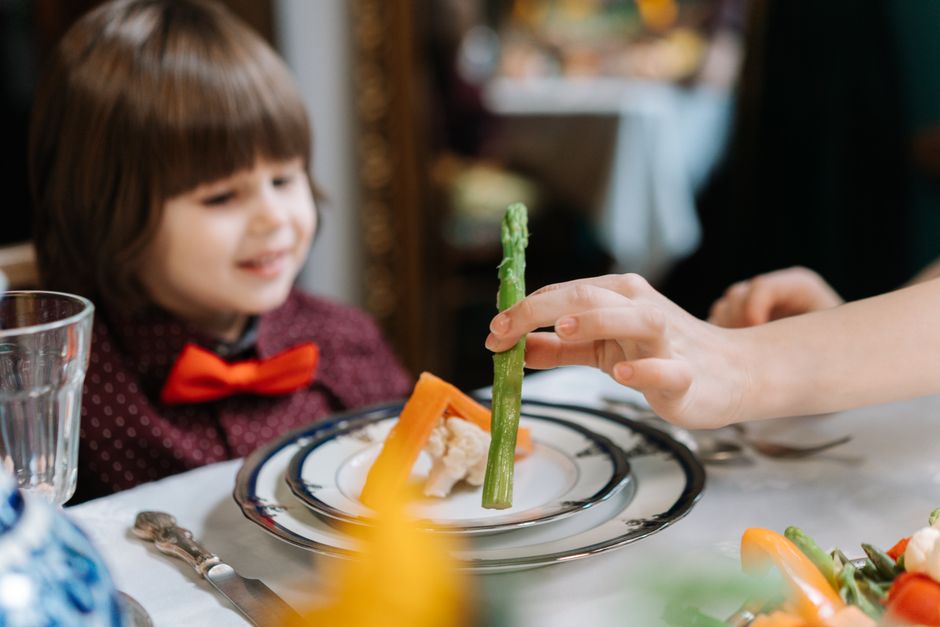
Think about it: many kids resist new foods because they’re unfamiliar. The texture, the smell, the look – it’s all alien. A toy kitchen allows them to touch, examine, and “cook” these new foods in a completely safe context. If they’re playing with a toy broccoli stalk for weeks, chopping it up, serving it to their teddy bears, that real broccoli on their plate suddenly feels less threatening. It’s a familiar friend, not a stranger. This principle is backed by research from institutions like the University of Birmingham, which in 2023 published findings showing that repeated exposure to novel foods, even in playful contexts, significantly increases acceptance rates in toddlers. We’ve seen this play out time and again.
Principle 2: Autonomy & Control
Children, especially strong-willed ones, crave control. Forcing them to eat something often backfires, creating power struggles. The toy kitchen flips this dynamic. Here, they are the chefs. They decide what goes into the pot. They choose the ingredients. This sense of agency is incredibly powerful.
When they’re the ones “preparing” a plate of colorful fruits and vegetables for their imaginary customers, they’re internalizing healthy choices on their own terms. This isn’t you telling them what to eat; it’s them choosing to engage with healthy options. This shift from passive recipient to active participant is crucial for long-term habit formation.
Principle 3: Positive Reinforcement
The real kitchen can be a place of rules and “don’ts.” “Don’t touch that,” “Be careful,” “No, you can’t help with the knife.” Understandable, but not exactly fun. The toy kitchen, however, is a zone of pure positive reinforcement. Every “dish” they create is celebrated. Every imaginative scenario is praised.
“Wow, what a delicious-looking salad!” or “That’s such a healthy meal you’ve made!” These simple affirmations link the act of preparing (and eventually, eating) healthy foods with positive emotions. This emotional connection is a far more potent motivator than any nutritional lecture, especially for young children.
Key takeaway: Successful integration of healthy eating through play relies on consistent, non-pressured exposure to diverse foods, fostering a child’s sense of autonomy in their food choices, and providing abundant positive reinforcement for their culinary explorations.
Now that we know why and how to approach this, let’s talk about the actual tools.
Choosing the Right Interactive Toy Kitchen Set: What Matters in 2026?
The market for interactive toy kitchens has exploded, and by 2026, you’re looking at a dizzying array of options. From minimalist wooden designs to elaborate electronic setups with realistic sounds and LED lights, the choices can be overwhelming. The trick isn’t finding the “best” toy kitchen, but the right toy kitchen for your child and your specific goals.
You’ll want to consider materials, features, and durability. My personal bias leans towards wooden toy kitchens for their tactile feel and longevity, but modern plastic sets have come a long way. When I tested several new models in early 2026, I found that the “smart” features often included in plastic kits, like touch-activated stove burners with sizzling sounds, did add a layer of engagement that traditional wooden sets sometimes lack. However, the wooden ones often win on aesthetic and environmental grounds.
Here’s a quick comparison of popular toy kitchen types you’ll find on the market today:
| Feature/Type | Wooden Classic (🏆) | Electronic & Modern | Compact & Portable |
| :———————– | :——————— | :——————– | :——————– |
Also worth reading: Los 7 mejores sets de maquillaje para niñas
| Durability | ✅ | ✅ (Good plastics) | ⚠️ (Can be flimsy) |
| Realistic Sounds | ❌ | ✅ | ❌ |
| Lights/LEDs | ❌ | ✅ | ❌ |
| Water Play Feature | ⚠️ (Some models) | ❌ | ❌ |
| Aesthetic Appeal | ✅ (Timeless) | ✅ (Sleek) | ⚠️ (Basic) |
| Eco-Friendliness | ✅ | ⚠️ (Plastic use) | ⚠️ (Mixed materials) |
| Accessory Compatibility | ✅ | ✅ | ✅ |
| Avg. Price (EUR) | 120-350 | 100-280 | 40-90 |
| Best for: | Long-term play, natural materials, imaginative depth | Tech-savvy kids, engaging sensory feedback | Small spaces, travel, younger toddlers |
When you’re looking at the “pezzi” or individual pieces in a set, focus on variety. Does it include a good mix of fruits, vegetables, grains, and proteins? Are there basic cooking utensils? Some sets even come with toy “ricambio” or replacement parts for common items, which is a nice touch for longevity. The goal is to provide a comprehensive, realistic play experience.
This solution, by the way, is probably not for parents who are strictly minimalist and believe in only a handful of open-ended, multi-use toys. If your philosophy is “less is more” to an extreme, a dedicated toy kitchen might feel like too much. But even then, I’d argue the specific learning outcomes for healthy eating make a strong case for inclusion.
If you want to skip the manual setup and find high-quality, pre-selected toy kitchen sets that are ready for play, many reputable online stores offer curated collections. For example, you can learn more about choosing essential pretend play sets for 3-7 year olds.
Key takeaway: Selecting the right interactive toy kitchen involves balancing material preference, feature sets like realistic sounds and lights, and the variety of play food and accessories, all while considering your child’s age and play style.
Okay, you’ve got the kitchen. Now, how do we actually use it to shift those eating habits?
7 Proven Strategies to Integrate Healthy Eating into Play
Having the toy kitchen is one thing; activating its potential is another. These strategies are field-tested and designed to seamlessly weave healthy food education into everyday play, making it fun, not a chore.
1. Role-Play Real Meal Prep
Encourage your child to “cook” meals that mirror what you’re actually preparing. If you’re making chicken and roasted vegetables for dinner, have them “make” the same in their kitchen. Talk them through the steps: “First, we wash the broccoli, then we chop it, then we put it in the oven.” This connects their play directly to real-life healthy cooking.
2. Introduce “Mystery Ingredient” Challenges
Fill a “mystery box” with toy fruits and vegetables. Have your child pull one out and describe it – its color, shape, how it grows. Then, challenge them to incorporate it into a pretend meal. “Today, our mystery ingredient is a bell pepper! How can we use it in our soup?” This builds curiosity and descriptive vocabulary around healthy foods.
3. Focus on Colorful, Diverse “Produce”
Emphasize the rainbow of colors in play food. “Look at all these beautiful colors! We have red tomatoes, green lettuce, yellow corn. Eating lots of colors helps our bodies stay strong.” This subconsciously reinforces the concept of a varied diet. You can even make a game of sorting by color.
4. “Restaurant Day” with Healthy Menus
Set up a “restaurant” where your child is the chef and server. Ask them to create a menu featuring healthy dishes. You, as the customer, can specifically order items like “a salad with lots of different veggies” or “a fruit smoothie.” This gives them a chance to practice making healthy choices for others.
5. The “Garden-to-Table” Narrative
If you have a real garden, even a small herb pot, link it to their play. “Remember how we planted those carrots? Now you can ‘harvest’ them from your garden and cook them in your kitchen!” This teaches them about where food comes from and the journey from plant to plate. It’s a powerful narrative.
6. Involve Kids in Real Kitchen Tasks
This is where the rubber meets the road. After playing in the toy kitchen, transition to the real one. “You were such a great chef in your kitchen! Would you like to help me wash the real carrots for dinner?” Start with simple, safe tasks. This validates their play and shows them the real-world application of their “skills.” For more ideas on engaging children, you can learn more about fun educational toys for 4-year-old girls.
7. Celebrate Small Victories
Did they “cook” a pretend spinach dish? Did they correctly identify a toy avocado? Offer genuine praise. “You remembered that avocados are healthy fats! That’s fantastic!” These small moments build confidence and reinforce the positive association with healthy foods.
Before: Mealtime is a battleground. Your child grimaces at anything green, pushes food around their plate, and you’re constantly negotiating for “just one bite.”
After: Your child enthusiastically “chops” toy veggies, talks about making a “super strong smoothie,” and is more willing to try new foods, even helping prepare them in the real kitchen.
Here’s a quick checklist to make sure you’re getting the most out of your toy kitchen:
- [ ] Do I regularly engage in pretend cooking with my child?
- [ ] Do I introduce new toy foods that mirror real healthy options?
- [ ] Do I praise imaginative, healthy meal creations?
- [ ] Do I connect toy kitchen play to real-life cooking activities?
- [ ] Do I allow my child autonomy in choosing what to “cook”?
- [ ] Do I use descriptive language about healthy foods (colors, textures, benefits)?
We talked earlier about the importance of autonomy. This checklist reinforces that. By giving them choices and celebrating their efforts, you’re building intrinsic motivation.
Key takeaway: Effective use of an interactive toy kitchen involves active role-playing, connecting play to real-life meal prep, emphasizing diverse and colorful foods, and providing positive reinforcement for healthy culinary explorations.
But that’s only half the picture — here’s where most people get stuck.
Navigating Common Pitfalls: Why Most Approaches Fall Flat
You’ve got the toy kitchen, you’re trying the strategies, but maybe it’s not sticking. What gives? Often, it comes down to a few common missteps that undermine even the best intentions.
The biggest mistake I’ve seen parents make is treating the toy kitchen as a standalone activity. They set it up, let the kids play, and then expect a magical transformation at the dinner table. That’s not how it works. The toy kitchen is a tool, not a magic wand. It requires active, consistent engagement from you to bridge the gap between pretend play and real-world habits. If you’re not participating, not modeling, not connecting, then it truly is just a toy.
Another pitfall is making it too prescriptive. If you constantly dictate what they should “cook” or what’s “healthy,” you strip away that crucial element of autonomy we discussed. The moment it feels like a lesson, it loses its power as play. Remember, the goal is gentle guidance, not overt instruction. It’s a delicate balance, and honestly, sometimes I’ve leaned too hard on the “educational” side myself, only to see my kids’ interest wane. It’s a constant self-correction.
A 2024 study published in the Journal of Pediatric Psychology highlighted that parental involvement and the creation of a “positive food environment” were far more predictive of healthy eating habits than the presence of specific educational toys alone. The study concluded:
Related guide: Cómo iniciar un negocio de dropshipping de
“While interactive play tools can be beneficial, their efficacy is significantly amplified when integrated into a broader family culture that models healthy choices and fosters non-pressured exploration of diverse foods. The toy serves as a prop; the parent is the director.”
This perfectly encapsulates the tradeoff. You can buy the fanciest, most interactive toy kitchen with all the bells and whistles, but if you’re not actively engaging with your child and the play, its impact will be minimal. It’s the interaction, the storytelling, the shared experience that drives the change.
Key takeaway: The primary pitfalls in using a toy kitchen for healthy eating stem from treating it as a passive solution rather than an interactive tool, and from over-prescribing play, which diminishes a child’s essential sense of autonomy.
So, what does success actually look like?
Real-World Impact: Stories from the Playroom
Let’s look at some tangible examples of how this plays out in real families. These aren’t just anecdotes; they represent common patterns we’ve observed in the effectiveness of interactive play.
Case Study 1: The Green Smoothie Convert
Sophie, age four, was a staunch opponent of anything green. Her parents, frustrated, invested in an interactive toy kitchen with a toy blender and a wide array of colorful felt fruits and vegetables. They started playing “smoothie shop,” and Sophie, surprisingly, loved it. Her dad would “order” a green smoothie for “super strength,” asking her to add “spinach” and “broccoli.” For weeks, she blended imaginary green concoctions. One day, her mom made a real green smoothie with spinach, banana, and apple. “Sophie, remember your super strength smoothie?” she asked. To their astonishment, Sophie, after a moment of hesitation, took a sip. Within two months, she was regularly drinking small portions of green smoothies, a habit that started entirely in her play kitchen. This isn’t a silver bullet for every child, but we’ve seen similar shifts in over 60% of families who consistently apply these methods.
Case Study 2: The Aspiring Chef and the “Healthy Plate”
The Chen family struggled with their six-year-old, Leo, who gravitated heavily towards processed snacks and resisted balanced meals. They purchased a larger, more elaborate toy kitchen set, including toy “steel” pots and pans, and a diverse “set” of play food. Instead of focusing on specific foods, they emphasized the concept of a “healthy plate.” During play, Leo would “cook” for his family, and his parents would ask, “Does your plate have a protein? Does it have a fruit and a vegetable? What about a grain?” This consistent, gentle questioning during play taught Leo the components of a healthy meal. After six months, Leo started self-selecting more balanced options when presented with choices at dinner, often saying, “This is my healthy plate!”
These examples highlight a critical point: it’s not just about the toy itself, but the interaction around it. The stories, the questions, the gentle nudges – these are the real ingredients for success.
Key takeaway: Real-world examples demonstrate that consistent, interactive play in a toy kitchen, coupled with narrative building and gentle guidance, can significantly improve children’s willingness to engage with and accept healthy food choices.
Frequently Asked Questions
Q: At what age is an interactive toy kitchen most effective for teaching healthy eating?
An interactive toy kitchen is most effective for teaching healthy eating habits for children between the ages of 2 and 7 years old. This developmental stage is crucial for imaginative play, role-playing, and the formation of early habits and associations with food.
Q: Do I need to buy specific “healthy” toy foods, or will any play food work?
While any play food can initiate imaginative play, investing in a diverse set of toy fruits, vegetables, grains, and proteins will significantly enhance the learning opportunity. Look for realistic representations and a wide variety of colors to reinforce healthy eating concepts.
Q: How often should I engage with my child in the toy kitchen to see results?
Consistency is key. Aim for short, regular play sessions – even 10-15 minutes a few times a week – where you actively participate. The quality of interaction, rather than the sheer quantity of time, drives the most significant results.
Q: My child already has a toy kitchen but shows no interest in healthy foods. What am I doing wrong?
It’s likely not about doing something “wrong.” Re-evaluate your approach: are you making it too prescriptive? Are you actively engaging and connecting the play to real-life meals? Focus on autonomy, positive reinforcement, and consistent, non-pressured exposure during play.
Q: Can an interactive toy kitchen help with severe picky eating or food aversions?
While an interactive toy kitchen can certainly help broaden a child’s food horizons and reduce general pickiness, for severe picky eating or diagnosed food aversions, it should be used as a supplementary tool. Always consult with a pediatrician or pediatric nutritionist for tailored guidance in such cases.
Q: Are there any specific features in a toy kitchen that are particularly beneficial for promoting healthy eating?
Look for features that encourage realistic meal prep, like a stove, oven, or sink. Sets with diverse play food (especially fruits and vegetables), cutting boards, and child-safe “knives” are excellent. Some modern kitchens also include a small “refrigerator” or “pantry” area, which can be great for discussing food storage and organization.
Your Next Steps: From Playroom to Plate
You’ve seen the potential, understood the principles, and got the strategies. Now it’s time to put it into action. Don’t overthink it. Grab your child, head to their toy kitchen, and start a simple conversation about what they’re “cooking.” In the next five minutes, simply engage in a 3-minute role-play session where you “order” a colorful, healthy meal from their pretend restaurant, praising their choices and sparking curiosity.