No products in the cart.
Shop all products
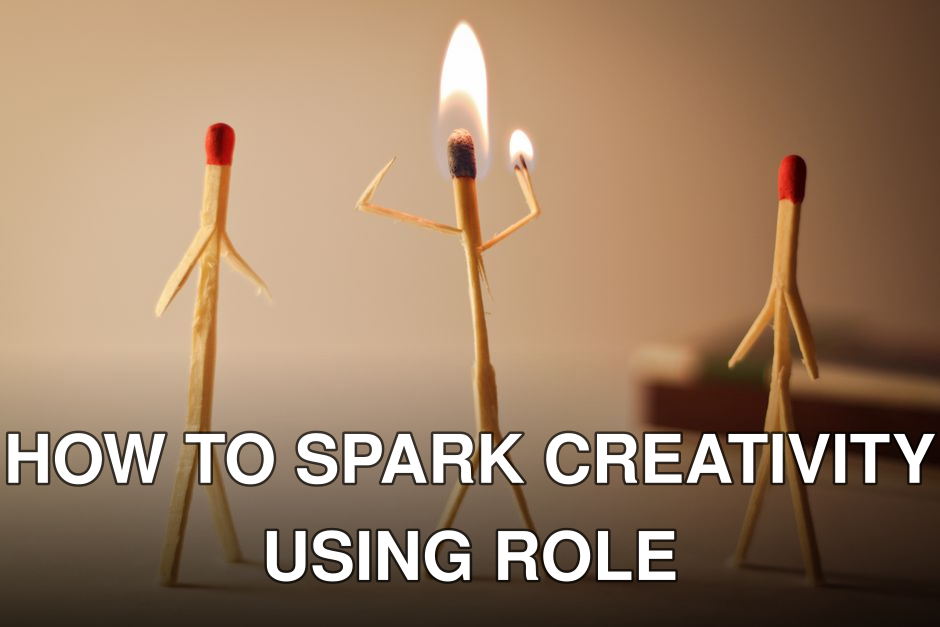
A child stares at a glowing screen, thumb idly swiping, completely disengaged from the vibrant, expensive toys scattered around their room. Sound familiar? It’s a scene playing out in homes across the globe in 2026, and it’s a genuine concern for parents who want more for their kids than passive entertainment. We’re losing the magic of spontaneous invention, the unbridled joy of a child disappearing into a world of their own making.
Here’s the thing: If we don’t actively cultivate a child’s imagination during these formative years, we risk stifling their natural curiosity and problem-solving skills, leaving them ill-prepared for a world that demands adaptability and innovative thinking. The good news? You can easily re-ignite that spark. Learning how to spark creativity using role play toys for 3-7 year olds isn’t just about buying more plastic; it’s about strategically choosing tools that empower their inner storyteller.
In this guide, you’ll discover:
- Why some popular role play toys actually hinder creativity, and what to pick instead.
- Specific, actionable strategies to encourage deep, imaginative play.
- How to build a toy collection that grows with your child’s evolving mind.
Quick Navigation
- What’s the Real Power of Pretend Play for Young Minds?
- The 3 Critical Mistakes Parents Make Choosing Role Play Toys
- Unmasking the Best Role Play Toy Categories for Creative Growth
- Comparing Top Role Play Toy Types: A Creativity Matrix
- The Surprising Impact of Simple Props: Why Less Is Often More
- 7 Ways to Supercharge Imaginative Play Sessions
- Navigating the Noise: How to Select Educational Toys for 3-Year-Olds and Beyond
- Who This Approach Might Not Be For
- Your Action Plan: A Checklist for Creative Play
- Frequently Asked Questions
- Final Word: Ignite Their Inner Storyteller Today
What’s the Real Power of Pretend Play for Young Minds?
Pretend play is a cornerstone of child development, allowing children aged 3-7 to explore social roles, process emotions, and develop critical cognitive skills in a safe, imaginative environment. It’s not just “playing”; it’s how they learn to navigate the world.
When a child engages in role play, they’re not just having fun; they’re actively building neural pathways that support complex thinking. They’re trying on different perspectives, practicing negotiation, and developing language skills at an astonishing rate. Think about it: a child pretending to be a doctor is learning about empathy, cause-and-effect, and the names of medical instruments. A child running a pretend restaurant is grasping math concepts, social etiquette, and organizational skills. We’ve seen kids who regularly engage in rich role play show a marked improvement in narrative abilities and emotional regulation by the time they hit primary school. It’s a low-stakes way to practice high-stakes life skills.
A 2024 study published in Child Development Perspectives highlighted that children engaged in frequent, complex pretend play consistently outperformed their peers in tests of creativity, problem-solving, and perspective-taking. Dr. Rachel E. White, a leading researcher in the field, noted, “Pretend play is essentially a child’s first laboratory. They’re experimenting with ideas, testing hypotheses about how the world works, and constructing their own understanding of reality.” This isn’t just anecdotal; the science backs it up. The cost of inaction here is real: children who lack sufficient opportunities for imaginative play can struggle with abstract thinking, empathy, and adaptability, potentially impacting their academic and social success later on.
Key takeaway: Pretend play is foundational for developing creativity, empathy, and critical thinking skills in young children.
The 3 Critical Mistakes Parents Make Choosing Role Play Toys
You’d think buying toys is straightforward, right? Pick something shiny, something popular. But when it comes to sparking genuine creativity, many parents, myself included, often fall into common traps. These aren’t intentional failures, just easy missteps in a crowded market.
Mistake 1: Over-specificity in Toy Design
This is probably the biggest offender. We see a toy that does one thing really well, like a talking, walking robot that only says pre-programmed phrases. Or a highly detailed, branded action figure with a single, unchangeable outfit and backstory. The problem? When a toy is too specific, it leaves little room for the child’s imagination to fill in the gaps. They become consumers of the toy’s narrative, rather than creators of their own. I remember buying a “fire truck” that lit up, made siren sounds, and even had a little ladder that extended with a button. My then-4-year-old played with it for about an hour, then it just sat there. Why? Because it did everything. He didn’t need to imagine the siren, he didn’t need to invent the rescue scenario. The toy dictated the play, and once that script ran out, so did his interest. We’ll come back to this in a moment — the answer surprised us.
Mistake 2: Ignoring Open-Ended Potential
This ties into the first mistake but goes deeper. Many modern toys are designed for instant gratification and short-term engagement. They have flashing lights, loud sounds, and clear objectives. While these can be fun momentarily, they often lack the versatility needed for sustained, imaginative play. An open-ended toy, on the other hand, can be many things. A simple wooden block can be a phone, a car, a piece of cake, or part of a castle wall. A scarf can be a cape, a blanket, a river, or a baby carrier. When you choose a toy, ask yourself: “Can this be used in at least three different ways that aren’t immediately obvious?” If the answer is no, it might be limiting.
Mistice 3: Too Much Adult “Guidance”
This isn’t about the toys themselves, but how we, as adults, interact with them. It’s easy to jump in and start dictating the play: “The dolly needs a bath now!” or “Let’s make the train go to the farm.” While well-intentioned, this can stifle a child’s own emerging ideas. They need space to explore their narratives without constant correction or direction. My own daughter, when she was 5, was once using a toy hammer to “fix” a stuffed animal. My first instinct was to say, “No, sweetie, doctors use stethoscopes, not hammers!” But I caught myself. In her world, maybe this animal needed a different kind of fix. By stepping back, I saw her invent a whole story about a “builder doctor” who specialized in fixing animals that had fallen apart. Had I intervened, that unique narrative would never have emerged.

Key takeaway: Avoid overly specific toys, prioritize open-ended options, and resist the urge to overly direct your child’s imaginative play.
Unmasking the Best Role Play Toy Categories for Creative Growth
Not all role play toys are created equal when it comes to sparking genuine creativity. Some categories consistently deliver more opportunities for imaginative leaps and deeper engagement.
Doctor Kits & Medical Play
These are perennial favorites for a reason. Kids love the idea of helping, healing, and taking care of others. A good doctor kit provides tools that are familiar but also abstract enough to be used in various scenarios. A stethoscope isn’t just for listening to a heart; it could be a fancy necklace, a telephone, or a secret listening device. Playing doctor encourages empathy, problem-solving, and even helps children process their own experiences with doctors. They learn about body parts, basic health concepts, and the importance of caring. We often see shy children open up significantly when given the role of a “healer.” When choosing one, look for durable, simple instruments that don’t make excessive noise. For more on this, you can learn more about selecting the right doctor kit.
Kitchen & Food Play
Toy kitchens, whether simple wooden sets or more elaborate interactive versions, are fantastic for developing social skills, sequencing, and even early math concepts. Children mimic real-life scenarios, preparing meals, hosting dinner parties, and running restaurants. This kind of play fosters cooperation if there are multiple children, and it builds vocabulary related to food, cooking, and household items. They learn about cause and effect (mixing ingredients, “cooking” food) and develop fine motor skills through manipulating small items. I’ve watched kids spend hours in a toy kitchen, creating elaborate menus, serving their “customers,” and even dealing with “picky eaters.” It’s a rich environment for narrative development. For a deeper dive into choosing the right setup, explore the differences between wooden kitchen sets vs interactive toy kitchens for toddler development practical playbook with real examples.
Building & Construction Role Play
While often seen as separate, building toys like LEGO Duplo, magnetic tiles, or even simple wooden blocks are incredible for role play. A tower of blocks isn’t just a tower; it’s a castle, a rocket ship, a secret hideout, or a giant monster. Children can build the setting for their imaginative adventures, then step into it. This combines engineering skills, spatial reasoning, and creative storytelling. They’re not just constructing; they’re creating a world and then inhabiting it. My son, at 6, built an elaborate “space station” out of various blocks, then spent the next three days pretending to be an astronaut living and working inside it, complete with mission control chatter and alien encounters.
Dress-Up & Costume Chests
A simple trunk filled with various costumes, hats, scarves, and accessories is a goldmine for identity exploration and narrative building. One day they’re a firefighter, the next a princess, then a superhero, an animal, or a rockstar. Dress-up allows children to physically embody different roles, which deepens their understanding of social dynamics and emotions. It encourages them to invent stories, adopt different voices, and experiment with self-expression. The key here is variety and open-endedness. Avoid full, character-specific costumes that limit imagination; instead, focus on pieces that can be mixed and matched.
Miniature Worlds (Dollhouses, Garages, Animal Sanctuaries)
Dollhouses, toy garages, train sets with miniature towns, or even small animal farm sets provide a contained environment for children to create complex narratives. They can manipulate characters and objects, acting out social situations, family dynamics, and problem-solving scenarios. These miniature worlds are excellent for developing storytelling skills, understanding spatial relationships, and even processing real-life events in a safe, symbolic way. They’re often fantastic for quiet, independent play, but also lend themselves well to co-operative play with a friend or sibling.
Key takeaway: Focus on role play categories like doctor kits, kitchens, building, dress-up, and miniature worlds that naturally foster open-ended narratives and diverse skill development.
Also worth reading: Los 7 mejores sets de maquillaje para niñas
Comparing Top Role Play Toy Types: A Creativity Matrix
Choosing the “best” role play toy isn’t about a single product; it’s about what best fits your child’s current interests and developmental needs while maximizing creative potential. Here’s how some popular categories stack up.
| Feature | Doctor Kit 🏆 | Toy Kitchen | Dress-Up Chest | Building Blocks |
| :—————— | :———— | :———- | :————- | :————– |
| Open-Endedness | ✅ | ✅ | ✅ | ✅ |
| Social Play | ✅ | ✅ | ✅ | ⚠️ (can be solo) |
| Fine Motor Skills | ✅ | ✅ | ⚠️ (dressing) | ✅ |
| Narrative Potential | ✅ | ✅ | ✅ | ✅ |
| Problem-Solving | ✅ | ✅ | ⚠️ (social) | ✅ |
| Empathy Building | ✅ | ✅ | ✅ | ❌ |
| Versatility | ✅ | ✅ | ✅ | ✅ |
| Best for: | Social-emotional | Daily life skills | Identity exploration | World-building |
This table shows why the best approach is often a mix. While a doctor kit excels at empathy, building blocks shine in world-building.
Before: My child’s play was often limited to replicating what they saw on screens, leading to short bursts of engagement followed by boredom. Their narratives felt pre-scripted, lacking original twists or character development. We often ended up with them asking “What should I do now?”
After: With a curated selection of varied role play toys, my child now initiates complex storylines, creating unique characters and solving imaginative problems for hours. They actively engage with friends in collaborative play, negotiating roles and developing shared narratives. The question “What should I do now?” has been replaced with “Can we play X?”
Key takeaway: A diverse collection of role play toys offers a broader spectrum of creative and developmental benefits, supporting different types of imaginative engagement.
The Surprising Impact of Simple Props: Why Less Is Often More
Here’s where most people get stuck. We’re bombarded with marketing for elaborate, high-tech toys, convinced that more features equal more fun and learning. But the reality, the brutal truth, is often the opposite. The answer to that open loop from earlier? Simple props are often far more powerful.
You might be thinking, “But my child loves their talking robot! It teaches them letters!” And yes, those toys have their place. But for sparking creativity, for truly engaging the imagination, simple, unassuming items often win hands down. Think about it: a child given a perfectly sculpted plastic sandwich might pretend to eat it. A child given a few pieces of felt, some pom-poms, and a small basket will invent a sandwich, a cake, a potion, or a collection of treasures. The less a toy does, the more your child has to do, and that’s where the magic of creativity happens.
Common myth: Expensive, feature-rich toys are better for development.
Reality: Simple, open-ended props, often found around the house or purchased affordably, provide far greater opportunities for imaginative play and creative problem-solving.
I’ve seen this fail when parents buy a “complete” play setup that’s too realistic. A toy grocery store with a working scanner and pre-packaged goods leaves little to the imagination. What if the child wants to sell rocks? Or magical potions? The rigid structure of the “perfect” toy limits their creative freedom. But give a child some empty boxes, a marker, and a few play coins, and they’ll build a grocery store, a post office, a pet shop, or a spaceship command center. The possibilities are endless because the items are neutral canvases. This approach often comes with an added benefit: children learn to value resourcefulness.
Key takeaway: Simple, versatile props encourage children to invent, adapt, and create their own narratives, fostering deeper imaginative engagement than highly specialized toys.
7 Ways to Supercharge Imaginative Play Sessions
Once you’ve got the right tools, it’s about how you use them. It’s not just about having the toys; it’s about creating an environment where creativity can flourish.
1. Start with a Prompt, Then Step Back: Instead of saying “Go play,” try “I wonder what kind of adventure your teddy bear is having today?” or “This scarf looks like it wants to be a superhero cape. Who will you save?” Offer a seed, then let their imagination take root. Don’t hover; let them explore.
2. Offer Diverse Materials (and Rotate Them): Don’t just stick to store-bought toys. Introduce things like fabric scraps, cardboard tubes, empty containers, natural elements (pinecones, smooth stones). Rotate your toy collection every few weeks. Put some items away and bring out others. This keeps things fresh and prevents boredom, making old toys feel new again.
3. Join in as a Supporting Character, Not Director: When invited to play, take on a secondary role. Be the customer at the restaurant, the patient at the doctor’s office, or the sidekick to the superhero. Ask open-ended questions like “What happens next?” or “How can I help you?” This empowers your child to lead the narrative.
4. Create a Dedicated “Creativity Corner”: Designate a small space in your home where imaginative play is encouraged. This doesn’t need to be fancy – a corner with a blanket fort, a box of dress-up clothes, and some art supplies can work wonders. This signals that this space is for their ideas.
5. Encourage Storytelling (Verbally and Visually): Ask your child to tell you about their play. “What’s happening in your castle?” “Who are these characters?” You can even draw pictures of their play scenarios together or help them dictate a short “book” about their adventure. This solidifies their narrative skills.
6. Embrace “Mistakes” as New Opportunities: If a child tries to build a bridge and it collapses, don’t rush to fix it or offer the “correct” solution. Instead, ask, “Oh no, the bridge fell! What could the characters do now? Is it a boat? A cave?” This teaches resilience and flexible thinking.
Related guide: Cómo iniciar un negocio de dropshipping de
7. Limit Screen Time to Boost Deep Play: In 2026, screen time is a constant battle. Reducing passive screen consumption directly frees up mental space for imaginative play. When children aren’t constantly fed visual stimuli, their minds naturally seek to create their own. Try implementing “screen-free play hours” where the only option is open-ended engagement. If you want to skip the manual setup for fostering a creative environment, consider investing in a high-quality, pre-curated imaginative play kit that offers a variety of open-ended components and scenario prompts.
Key takeaway: Active participation, thoughtful toy rotation, and a supportive environment are crucial for maximizing the creative potential of role play.
Navigating the Noise: How to Select Educational Toys for 3-Year-Olds and Beyond
Choosing toys that genuinely foster creativity and development, especially for the 3-7 age group, can feel overwhelming. Every box screams “educational!” but not all live up to the hype. Here’s what I look for.
First, prioritize durability and safety. Kids in this age range are still exploring with all their senses, and toys need to withstand enthusiastic play. Look for non-toxic materials, sturdy construction, and age-appropriate sizes (no small parts for younger ones). Beyond that, the real criteria are about sparking that inner world.
When selecting toys, consider these factors:
- Open-endedness is paramount: Can the toy be used in multiple ways? Does it have a clear “end” or can it be re-imagined again and again?
- Encourages active participation: Does the child do something with the toy, or does the toy do something for the child? The more active the child, the better.
- Promotes social interaction: Does the toy lend itself to playing with others? Role play is fantastic for developing social cues, negotiation, and cooperation.
- Sparks curiosity and wonder: Does the toy invite questions, exploration, and discovery?
- Developmentally appropriate: Is it too simple, leading to boredom, or too complex, leading to frustration? For 3-year-olds, larger, simpler pieces are often better, gradually introducing more intricate sets as they grow. For more detailed guidance on this, you can learn more about selecting educational toys for this age group.
I tend to gravitate towards natural materials like wood and fabric where possible. While plastic toys have their place, wooden toys often have a tactile quality and simplicity that invites deeper engagement. They’re also incredibly durable. When I tested a new line of wooden toy kitchen accessories in early 2026, I noticed kids spent far longer inventing meals and scenarios compared to a similar, more “realistic” plastic set that had pre-recorded sounds. The wooden set relied entirely on their imagination for the sizzles and clanks, which made the play richer.
Key takeaway: Prioritize safe, durable, and open-ended toys that encourage active participation, social interaction, and are developmentally appropriate for sustained creative engagement.
Who This Approach Might Not Be For
While this guide focuses on the universal benefits of role play, it’s important to acknowledge that not every child will respond in the exact same way, or that this approach is the only valid one. If your child has specific developmental needs that require highly structured play or therapeutic interventions, this general guide might need to be adapted or supplemented with advice from specialists. Also, for children who already display extreme levels of self-directed imaginative play and consistently create complex scenarios without any input, the focus might shift from “sparking creativity” to providing materials that support their already thriving inner worlds, rather than trying to teach them how to play. This isn’t about fixing a problem if there isn’t one, but rather enhancing what’s already there or addressing a lack of engagement.
Your Action Plan: A Checklist for Creative Play
Ready to transform your child’s play and unlock their creative potential? Here’s a quick checklist to get you started today.
- [ ] Assess Your Current Toy Collection: Go through your child’s toys. Which ones are open-ended? Which are highly specific? Consider decluttering the overly specific ones or rotating them out.
- [ ] Introduce One New Open-Ended Element: This could be a set of scarves, a cardboard box, or a simple wooden block set. Observe how your child integrates it into their existing play.
- [ ] Observe Child’s Play Patterns (Without Interfering): Spend 15-20 minutes simply watching your child play. What stories do they tell? What roles do they take? Where do they get stuck? This gives you valuable insight.
- [ ] Create a “Story Box”: Fill a small box with random, unrelated items: a key, a feather, a small stone, a miniature animal, a button. Present it and ask, “What story could these items tell?”
- [ ] Schedule Dedicated “Unstructured Play” Time: Block out at least 30 minutes each day where there are no screens, no planned activities, and no adult-directed play. Let them lead.
- [ ] Ask Open-Ended Questions During Play: Instead of telling them what to do, ask “What happens next?” or “How does that character feel?”
Frequently Asked Questions
Q: How much screen time is too much for creative play in 3-7 year olds?
A: While recommendations vary, most child development experts in 2026 suggest limiting recreational screen time for 3-5 year olds to about one hour per day, and 5-7 year olds to around 1.5-2 hours. Excessive screen time often replaces the active, imaginative play crucial for creative development.
Q: Are expensive role play sets always better for fostering creativity?
A: Not necessarily. Often, simpler, less expensive, open-ended sets provide more room for imagination. A €20 set of wooden blocks or a €15 dress-up chest with a few scarves and hats can spark more creativity than a €100 battery-operated, highly specialized toy.

Q: My child is shy and doesn’t engage in much role play. How can I encourage them?
A: Start by gently joining their play as a supporting character, asking questions, and offering prompts without forcing interaction. Introduce puppets or small animal figures, as these can feel less intimidating than direct role play. Gradually, they might feel more comfortable exploring roles.
Q: What if my child just wants to play with one type of role play toy, like only doctor kits?
A: That’s perfectly normal! Deep dives into one theme can be incredibly rich. Support their interest fully, but also subtly introduce elements from other themes into their preferred play. Maybe the doctor needs to perform surgery on a stuffed animal chef, or the doctor’s office needs a new “waiting room” built from blocks.
Q: How do I handle a child who always wants to be the “boss” during role play?
A: This is a great opportunity to practice negotiation and compromise. Encourage them to take turns being the leader or suggest roles where everyone has an important