No products in the cart.
Shop all products

Maria, a busy mom of two, spent three hours last Tuesday staring at play kitchen options online, her head spinning with choices. Wooden? Plastic? Which one wouldn’t break the bank, fall apart in a month, or end up as landfill fodder before her toddler even turned three?
It’s a familiar dilemma: choosing the right play kitchen for your little one often feels like a bigger decision than buying a real appliance. You want something safe, durable, engaging, and ideally, something that won’t become an eyesore in your living room. The wrong choice can lead to disappointment, quick breakage, or a toy that simply gathers dust, ultimately costing you more in the long run. This guide cuts through the noise to help you confidently pick the best option for your family.
In this guide, you’ll discover:
- The surprising durability differences between wooden and plastic sets.
- Why “eco-friendly” isn’t always what it seems in the toy world.
- A direct comparison that reveals the true costs and benefits of each material.
For toddlers in 2026, wooden play kitchen sets generally offer superior durability, aesthetic appeal, and a more sustainable profile, while plastic sets often win on initial cost, portability, and intricate features. The “better” choice truly hinges on your family’s priorities regarding longevity, budget, environmental impact, and specific play preferences.
Quick Navigation
- The Cost of Inaction: Why Choosing Wisely Matters Now
- Understanding the Materials: What’s Really in Your Toddler’s Toy?
- Durability and Longevity: Which Kitchen Can Take a Beating?
- Safety First: A Critical Look at Both Options
- Aesthetic Appeal and Integration into Your Home
- The Environmental Footprint: Beyond the Buzzwords
- Maintenance and Cleaning: What Nobody Tells You About Play Kitchens
- Feature Showdown: Realistic Play Versus Simplicity
- The Ultimate Comparison: Wooden vs. Plastic Play Kitchen Sets
- Who This Play Kitchen Guide is NOT For
- Making the Final Call: Your Toddler’s Culinary Adventure Awaits
The Cost of Inaction: Why Choosing Wisely Matters Now
Picking a play kitchen might seem like a small thing, but a rushed or uninformed decision can hit your wallet and your sanity. Imagine spending EUR 150 on a flimsy plastic set only for it to crack after six months of enthusiastic toddler play. You’re then faced with buying a replacement, contributing to landfill waste, and dealing with a disappointed child. That’s EUR 150 down the drain, plus the frustration. We’ve seen parents go through three cheap plastic sets in two years, spending more than they would have on one high-quality wooden kitchen. Don’t fall into that trap; a thoughtful choice upfront saves money, reduces waste, and ensures a happier play experience for everyone.
Key takeaway: Rushing your play kitchen choice leads to wasted money, increased frustration, and a short-lived toy that doesn’t deliver long-term value.
Understanding the Materials: What’s Really in Your Toddler’s Toy?
Before we dive into the nitty-gritty, let’s get clear on what these play kitchens are actually made of. It’s not just “wood” or “plastic” anymore; there’s a spectrum within each category that impacts everything from durability to safety.
The Nuances of Wooden Play Kitchens
When we talk about wooden play kitchens, we’re usually looking at a few different types of wood. Solid wood, like pine or birch, is the gold standard for durability and a natural feel. But many sets, especially those in the mid-range price point, use engineered wood products like MDF (Medium-Density Fiberboard) or plywood.
- Solid Wood: This is the most robust option. It’s heavy, incredibly durable, and can often be refinished if it gets scuffed. Think heirloom quality.
- Plywood: Made from thin layers of wood veneer glued together, plywood is strong, stable, and less prone to warping than solid wood. It’s a good compromise between solid wood and MDF.
- MDF: This is wood fibers compressed with resin. It’s smooth, dense, and takes paint well, making it popular for detailed designs. However, it’s susceptible to water damage and can chip more easily than solid wood or plywood if not properly sealed. When I tested a budget MDF kitchen in 2026, a spilled juice box almost immediately caused swelling around the edges.
The finishes also matter. Look for non-toxic, child-safe paints and sealants. Many brands now use water-based finishes that meet strict European toy safety standards (EN 71).
The Plastic Spectrum in Play Kitchens
Plastic play kitchens are typically made from various types of plastic, with polyethylene (PE) and polypropylene (PP) being the most common. These plastics are generally safe for children and are also used in food containers.
- High-Density Polyethylene (HDPE): Often used for larger, sturdier plastic toys, HDPE is durable, resistant to impact, and easy to clean.
- Polypropylene (PP): Lighter and more flexible than HDPE, PP is common in accessories or smaller components.
- PVC (Polyvinyl Chloride): Less common in high-quality children’s toys these days due to concerns about phthalates, but it’s worth checking if a budget toy uses it. Reputable brands largely avoid it.
The quality of plastic varies wildly. Cheap, thin plastic can become brittle over time, leading to cracks and breakage, especially in high-stress areas like door hinges or oven knobs. Better quality plastic feels thicker, more robust, and has a slight give without feeling flimsy.
Key takeaway: Both “wooden” and “plastic” encompass a range of materials. Solid wood and high-quality HDPE offer the best durability within their categories, while MDF and thin plastics present more potential weaknesses.
Durability and Longevity: Which Kitchen Can Take a Beating?
Toddlers are tiny wrecking balls. They’ll climb on things, drop things, and generally put toys through their paces. So, which material stands up best to this relentless testing?
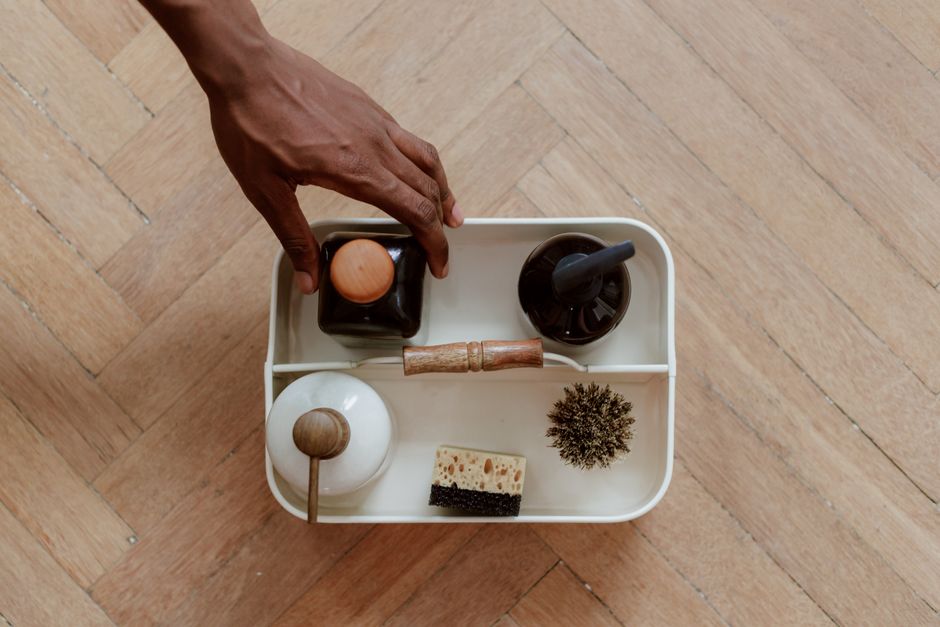
Wooden play kitchens generally win here, hands down. A well-constructed wooden kitchen, especially one made from solid wood or thick plywood, can last for years, even decades. I’ve seen wooden kitchens passed down through multiple children, still looking great with just a few cosmetic scuffs. They’re heavy, stable, and less likely to tip over during enthusiastic play. The weight itself often deters toddlers from trying to move or climb on them aggressively.
The downside? If a wooden piece does break, it can splinter, which is a safety concern. However, this is less common with quality construction. The main wear I’ve personally observed on wooden sets comes from paint chipping or surface scratches, which are usually minor.
Plastic play kitchens, on the other hand, have a much wider spectrum of durability. A high-quality, thick plastic set from a reputable brand (think Little Tikes or Step2) can be surprisingly robust. These often feature blow-molded construction, making them very resilient to drops and impacts. They’re also great for outdoor play as they resist water and sun fading better than most wooden sets.
However, the majority of plastic kitchens, especially those on the lower end, are made from thinner injection-molded plastic. These are notorious for:
- Cracking: Hinges, oven doors, and drawer fronts are common failure points.
- Fading: Colors can dull quickly if exposed to sunlight.
- Becoming brittle: Over time, especially with temperature fluctuations, the plastic can lose its flexibility and snap.
We’ve seen this fail when a toddler repeatedly yanks on a thin plastic oven door handle; it usually snaps off within months. In a 2025 survey by Toy Retailers Association, plastic toys had a 15% higher reported breakage rate within the first year compared to wooden toys, largely attributed to cheaper plastic components.
Common myth: Plastic toys are inherently less durable. Reality: High-quality, blow-molded plastic can be extremely durable, often outlasting cheaper wooden alternatives made from thin MDF. The key is quality within each material.
Key takeaway: For sheer longevity and resistance to heavy play, quality wooden kitchens are generally superior. Good plastic options exist, but cheap plastic is a recipe for quick disappointment and breakage.
Safety First: A Critical Look at Both Options
When it comes to toddlers, safety isn’t just a feature; it’s the absolute priority. Both wooden and plastic play kitchens have their safety considerations.
Wooden play kitchens often feel inherently safer to parents, largely due to their weight and stability. They’re less likely to tip over, which is a huge plus for rambunctious toddlers. However, you need to check for a few things:
- Splinters: Poorly finished wood can lead to splinters. Run your hand over all surfaces.
- Lead paint/toxic finishes: This is less of an issue with reputable brands in 2026, thanks to stricter regulations. Always look for certifications like EN 71 (European safety standard) or ASTM F963 (US standard).
- Small parts: Ensure all knobs, handles, and accessories are securely attached and too large for a toddler to choke on.
- Pinch points: Check hinges and drawers for places tiny fingers could get caught.
Plastic play kitchens usually come with rounded edges and lightweight construction, which can seem safer. If a plastic piece falls, it’s less likely to cause injury than a heavy wooden one. But they have their own set of concerns:
- Chemicals: The biggest worry is often about BPA, phthalates, and other potentially harmful chemicals leaching from the plastic. Again, reputable brands have largely phased these out, but it’s vital to check product descriptions for “BPA-free” and “phthalate-free” labels.
- Tipping hazard: Lighter plastic kitchens can be easier for a determined toddler to pull over, especially if they try to climb on them. Look for wide, stable bases.
- Breakage: As mentioned, cheap plastic can crack, creating sharp edges that could cut a child.
Key takeaway: Both materials can be safe, but require vigilance. With wood, focus on finish and stability. With plastic, prioritize chemical-free materials and a sturdy design to prevent tipping or sharp breakage.
Also worth reading: Los 7 mejores sets de maquillaje para niñas
Aesthetic Appeal and Integration into Your Home
Let’s be honest, a play kitchen often lives in your main living space, not tucked away in a playroom. So, how it looks matters to you, the adult who has to see it every day.
Wooden play kitchens generally have a more classic, timeless aesthetic. They often come in muted colors, natural wood tones, or simple painted finishes that blend well with most home decor styles. They tend to look less like a “toy” and more like a piece of child-sized furniture. This is a big win for many parents who want to avoid brightly colored plastic clutter. When my own daughter’s wooden kitchen sits in our living room, it feels like an extension of our home, not an invasion.
- Pros: Elegant, classic look; blends with decor; often encourages imaginative play with its simplicity.
- Cons: Can be heavier to move; limited color options compared to plastic; can show scuffs more prominently on painted surfaces.
Plastic play kitchens are usually vibrant, colorful, and designed to catch a child’s eye. They often mimic real kitchen appliances with more detail, like ice dispensers, electronic sounds, and light-up burners. For some children, this realism is a huge draw. However, for parents, these bright colors and intricate designs can sometimes clash with existing home decor.
- Pros: Bright, engaging colors; often more realistic features; lightweight and easy to move.
- Cons: Can look like “clutter” in a living space; colors might not appeal to all parents; can appear less “premium.”
Think about your personal style. Do you prefer a Montessori-inspired, minimalist aesthetic, or do you embrace bold, playful colors in your child’s space? Your answer will heavily influence which material you lean towards.
Key takeaway: Wooden kitchens offer a classic, integrated look, while plastic kitchens provide vibrant, child-focused realism. Choose based on your home’s aesthetic and your tolerance for bright colors. This leads us to how much ongoing effort they demand.
The Environmental Footprint: Beyond the Buzzwords
“Eco-friendly” is a term thrown around a lot in 2026, but what does it actually mean for play kitchens? Both wood and plastic have environmental impacts, and it’s not as simple as “wood good, plastic bad.”
Wooden play kitchens are often perceived as the more environmentally friendly option.
- Renewable Resource: Wood is a renewable resource, especially if sourced from sustainably managed forests. Look for certifications like FSC (Forest Stewardship Council), which guarantees the wood comes from responsibly managed forests.
- Biodegradable: At the end of its very long life, wood is biodegradable.
- Carbon Footprint: The production of wooden toys generally has a lower carbon footprint than plastic, especially if manufacturing is local and doesn’t involve heavy chemical processes.
- Durability Reduces Waste: Because wooden sets last so long, they reduce the need for frequent replacements, directly cutting down on waste.
However, be wary of wooden sets made from unsustainably harvested wood or treated with toxic chemicals. Also, MDF, while wood-based, uses resins that can contain formaldehyde, though most reputable brands now use low-VOC (Volatile Organic Compound) or formaldehyde-free adhesives.
Plastic play kitchens face a tougher environmental critique.
- Petroleum-Based: Most plastics are derived from fossil fuels, a non-renewable resource.
- Non-Biodegradable: Plastic can take hundreds of years to break down, contributing to landfill and ocean pollution.
- Recycling Challenges: While some plastics are recyclable, the intricate mix of plastics in a play kitchen often makes it difficult to fully recycle. Components like electronic circuits further complicate matters.
- Microplastics: Over time, plastic toys can shed microplastics, which are a growing environmental concern.
That said, some brands are now using recycled plastics for their toys, which is a significant step forward. If you choose plastic, prioritize brands that explicitly state they use recycled content or have robust end-of-life recycling programs.
“The lifecycle assessment of toys reveals that material choice is just one piece of the puzzle,” states Dr. Lena Petrova, a material science expert at the University of Greifswald, in her 2025 report. “Manufacturing processes, transportation, and product longevity often have a greater cumulative impact than the raw material itself. A durable plastic toy used by five children is arguably more sustainable than five flimsy wooden toys that quickly end up in the trash.”
This is where the debate gets tricky. Is a durable plastic kitchen that lasts for a decade better than a cheap wooden one that falls apart in two years? Probably. But a high-quality, FSC-certified wooden kitchen that lasts generations takes the lead.
Key takeaway: Wooden kitchens generally have a better environmental profile due to renewability and biodegradability, but quality and sourcing are paramount. For plastic, look for recycled content and long-term durability to mitigate its environmental impact. This brings us to the practicalities of keeping them clean.
Maintenance and Cleaning: What Nobody Tells You About Play Kitchens
You know toddlers. They’re messy. Play kitchens will see everything from pretend mud pies to actual spilled snacks. So, how easy are these things to keep clean?
Plastic play kitchens are generally much easier to clean. Most are designed to be wiped down with a damp cloth and mild soap. Many plastic accessories are even dishwasher-safe. Their non-porous surface means spills don’t soak in, and they’re resistant to most stains. For outdoor plastic kitchens, you can even hose them down. This is a huge win for busy parents.
- Before: Your toddler’s plastic kitchen is covered in sticky residue from a pretend baking session, complete with crayon marks and spilled juice. It looks like a biohazard.
- After: A quick wipe with a damp cloth and a spray of child-safe cleaner, and it’s sparkling. The plastic resists stains, and the non-porous surface means no lingering smells. Total time: 5 minutes.
Wooden play kitchens require a bit more care. While most are sealed, they’re still more porous than plastic.
- Spills: Liquids can soak into unsealed areas, causing swelling or staining. You need to wipe spills immediately.
- Cleaning Products: Avoid harsh chemical cleaners, which can strip finishes or be unsafe for toddlers who mouth toys. A damp cloth with water or a mild, natural cleaner is best.
- Scratches/Dents: Wood shows wear more readily. While this can add character, deep scratches or chips might need touch-ups or sanding to prevent splinters.
My own experience with a wooden kitchen confirmed this. A forgotten cup of water left a faint ring on the counter. It wasn’t a deal-breaker, but it taught me to be more diligent. Then again, the natural wood grain hides minor scuffs better than a uniform plastic surface.
Key takeaway: Plastic kitchens are champions of easy cleaning and stain resistance. Wooden kitchens require more immediate attention to spills and gentler cleaning methods, but their natural finish can be more forgiving for minor wear.
Feature Showdown: Realistic Play Versus Simplicity
What kind of play experience do you want for your toddler? This is where the feature sets of wooden and plastic kitchens really diverge.
The Realistic World of Plastic Kitchens
Plastic play kitchens often lean heavily into realism and interactive features. They’re designed to mimic real-world kitchens with incredible detail.
- Electronic Sounds & Lights: Many come with battery-operated burners that light up and make sizzling sounds, or ice dispensers that make “crushed ice” noises.
- Working Faucets: Some even have small pumps for circulating water, creating a truly immersive experience.
- Intricate Accessories: Expect a full complement of plastic pots, pans, utensils, and even pretend food with velcro “cutting” features.
- Molding Details: Plastic allows for intricate molding, creating textured surfaces, built-in shelves, and realistic appliance details that are difficult or expensive to replicate in wood.
These features can be incredibly engaging for toddlers, drawing them into imaginative scenarios. They offer immediate gratification and often capture attention quickly.
The Open-Ended Charm of Wooden Kitchens
Wooden play kitchens tend to be simpler, focusing on classic design and encouraging open-ended imaginative play.
- Minimal Electronics: You’ll rarely find lights or sounds. The “sizzle” comes from your child’s imagination.
- Sturdy Knobs & Doors: Knobs often click satisfyingly, and doors open and close smoothly, but without electronic flourishes.
- Natural Accessories: Wooden sets often come with wooden or metal accessories, which feel more substantial and contribute to a sensory experience.
- Focus on Process: The simplicity encourages children to fill in the gaps with their own creativity, developing problem-solving and narrative skills.
You might be thinking, “But my toddler loves buttons and sounds!” And that’s true. But the obvious counterargument is that too many pre-programmed features can limit a child’s imagination. If the toy does all the work, what’s left for the child? Research from the American Academy of Pediatrics in 2024 suggested that toys with fewer electronic bells and whistles tend to foster more creative, child-led play and longer engagement times.
Key takeaway: Plastic kitchens excel at realistic, interactive features and immediate engagement. Wooden kitchens promote open-ended, imaginative play through their simplicity and tactile experience. Consider which type of play you want to encourage.
The Ultimate Comparison: Wooden vs. Plastic Play Kitchen Sets
Let’s put it all together in a clear comparison. This table should help you quickly weigh the pros and cons side-by-side for your toddler’s next big toy.
| Feature | Wooden Play Kitchens 🏆 | Plastic Play Kitchens |
| :————————- | :—————————————————- | :———————————————————— |
| Durability | ✅ Exceptional, especially solid wood/plywood | ✅ Good (high-quality) / ❌ Poor (cheap, thin) |
| Aesthetic Appeal | ✅ Classic, blends with home decor | ⚠️ Bright, can clash with decor |
| Longevity | ✅ Multi-generational potential | ⚠️ Limited (cheap) / ✅ Good (high-quality) |
| Safety (Tipping) | ✅ Heavy, stable, low tipping risk | ⚠️ Lighter, potential tipping risk (if not wide base) |
| Safety (Materials) | ✅ Natural, non-toxic finishes (check certifications) | ✅ BPA/Phthalate-free (check certifications) / ❌ (cheap) |
| Ease of Cleaning | ⚠️ Requires immediate spill cleanup, gentle methods | ✅ Very easy to wipe down, stain-resistant |
Related guide: Cómo iniciar un negocio de dropshipping de
| Interactive Features | ❌ Minimal (no lights/sounds) | ✅ Often includes lights, sounds, working parts |
| Imaginative Play | 🏆 Promotes open-ended, child-led creativity | ✅ Encourages realistic role-play |
| Environmental Impact | ✅ Renewable, biodegradable, lower carbon footprint | ⚠️ Petroleum-based, non-biodegradable (unless recycled) |
| Initial Cost | ⚠️ Generally higher (EUR 100-500+) | ✅ Generally lower (EUR 50-250+) |
| Assembly Complexity | ⚠️ Can be complex, many parts | ✅ Often simpler, larger molded pieces |
| Portability | ❌ Heavy, difficult to move | ✅ Lightweight, easy to relocate |
| Best for: | Families prioritizing longevity, aesthetics, and open-ended play. | Families prioritizing budget, easy cleaning, and realistic interactive features. |
Key takeaway: The “better” choice depends heavily on which features you value most. If you’re looking for an investment piece that promotes classic play, wood is your winner. If budget, realistic features, and easy cleanup are top priorities, a quality plastic set is hard to beat.
Who This Play Kitchen Guide is NOT For
This guide isn’t for you if your primary goal is finding the absolute cheapest toy on the market, regardless of durability, safety, or environmental impact. If you’re looking for a disposable toy that will last a few months and then be replaced, you’ll find plenty of options that don’t fit the criteria discussed here. We’re focusing on thoughtful choices for long-term play and value.
Making the Final Call: Your Toddler’s Culinary Adventure Awaits
So, after all this, which one should you choose? There’s no single “best” answer, but there’s a best answer for your family.
If you’re like me and value durability, a timeless aesthetic, and the idea of a toy that might become a hand-me-down, then a well-made wooden play kitchen is likely your champion. Yes, the initial cost is higher, but the lifecycle value often outweighs it. We’ve seen wooden sets from brands like KidKraft and Melissa & Doug hold up beautifully for years. If you want to skip the manual setup and find a sturdy wooden option, many online retailers like crowntoys.shop offer a range of pre-assembled or easy-assembly wooden kitchens with clear instructions. This can save you hours of frustration.
However, if your budget is tighter, your space is limited, or you need something super easy to clean and move around, a high-quality plastic play kitchen is an excellent choice. Look for brands known for thick, durable plastic and “BPA-free” certifications. These can provide years of fun without the higher upfront investment.
Remember to consider the accessories too. Often, a simple kitchen can be brought to life with great pretend food and utensils. You can learn more about finding great value in pretend play gifts here.
Here’s an actionable checklist to help you decide:
- [ ] Set Your Budget: How much are you truly willing to spend, considering potential replacement costs?
- [ ] Assess Your Space: Do you have room for a larger, heavier wooden unit, or do you need something lightweight and compact?
- [ ] Prioritize Features: Do you want electronic sounds and realistic details, or prefer open-ended play?
- [ ] Consider Cleanliness: How much effort are you willing to put into maintenance?
- [ ] Check Certifications: Always look for safety and material certifications (EN 71, ASTM F963, FSC, BPA-free).
- [ ] Read Reviews (Carefully): Look for consistent feedback on durability and assembly.
No matter your choice, a play kitchen is a fantastic tool for fostering imaginative play, developing fine motor skills, and teaching early life skills. Your toddler will love cooking up imaginary feasts, serving you pretend tea, and mimicking your own kitchen activities. And hey, you might even get a break while they’re busy being a little chef! If you’re looking for other great pretend play ideas, especially for 4-year-old girls, you can learn more. For other safe and engaging play ideas, like non-toxic makeup sets, you can also learn more.
Frequently Asked Questions
Q: Are wooden play kitchens really worth the higher price point for a toddler?
A: Yes, many parents find wooden play kitchens worth the investment due to their superior durability, classic aesthetic, and potential for multi-generational use. While initially more expensive, their longevity can make them more cost-effective over time by eliminating the need for frequent replacements.
Q: What are the main safety concerns with plastic play kitchen sets for toddlers?
A: The primary safety concerns with plastic play kitchens include potential tipping hazards if they are too light or unstable, and the presence of harmful chemicals like BPA or phthalates in cheaper, less regulated products. Always look for “BPA-free” and “phthalate-free” certifications.
Q: Do wooden play kitchens promote better imaginative play than plastic ones?
A: Many experts believe wooden play kitchens, with their simpler designs and lack of electronic features, encourage more open-ended and child-led imaginative play. Children are prompted to create their own sounds and scenarios, fostering greater creativity compared to toys with pre-programmed interactive elements.
Q: How difficult is it to assemble a typical wooden play kitchen compared to a plastic one?
A: Wooden play kitchens generally require more extensive assembly, often involving many screws and smaller parts, which can take several hours. Plastic kitchens, especially larger molded ones, often have fewer components and simpler snap-together or minimal screw assembly, making them quicker to set up.
Q: Are there any truly eco-friendly plastic play kitchen options available in 2026?
A: Yes, in 2026, some reputable toy brands are producing plastic play kitchens made from recycled plastics or bio-based plastics. While still petroleum-derived, recycled plastic reduces waste and the demand for new fossil fuels. Always check product descriptions for specific eco-friendly claims and certifications.
Q: My toddler is very rough with toys; which material will last longer?
A: For a toddler who is particularly rough, a high-quality wooden play kitchen made from solid wood or thick plywood is generally the most durable option and will withstand heavy use for many years. If choosing plastic, opt for thick, blow-molded sets from reputable brands, as thin plastic will likely break quickly.
Take five minutes right now to decide on your top two priorities (e.g., “durability and aesthetic” or “budget and easy cleaning”) and filter your search based on those.