No products in the cart.
Shop all products
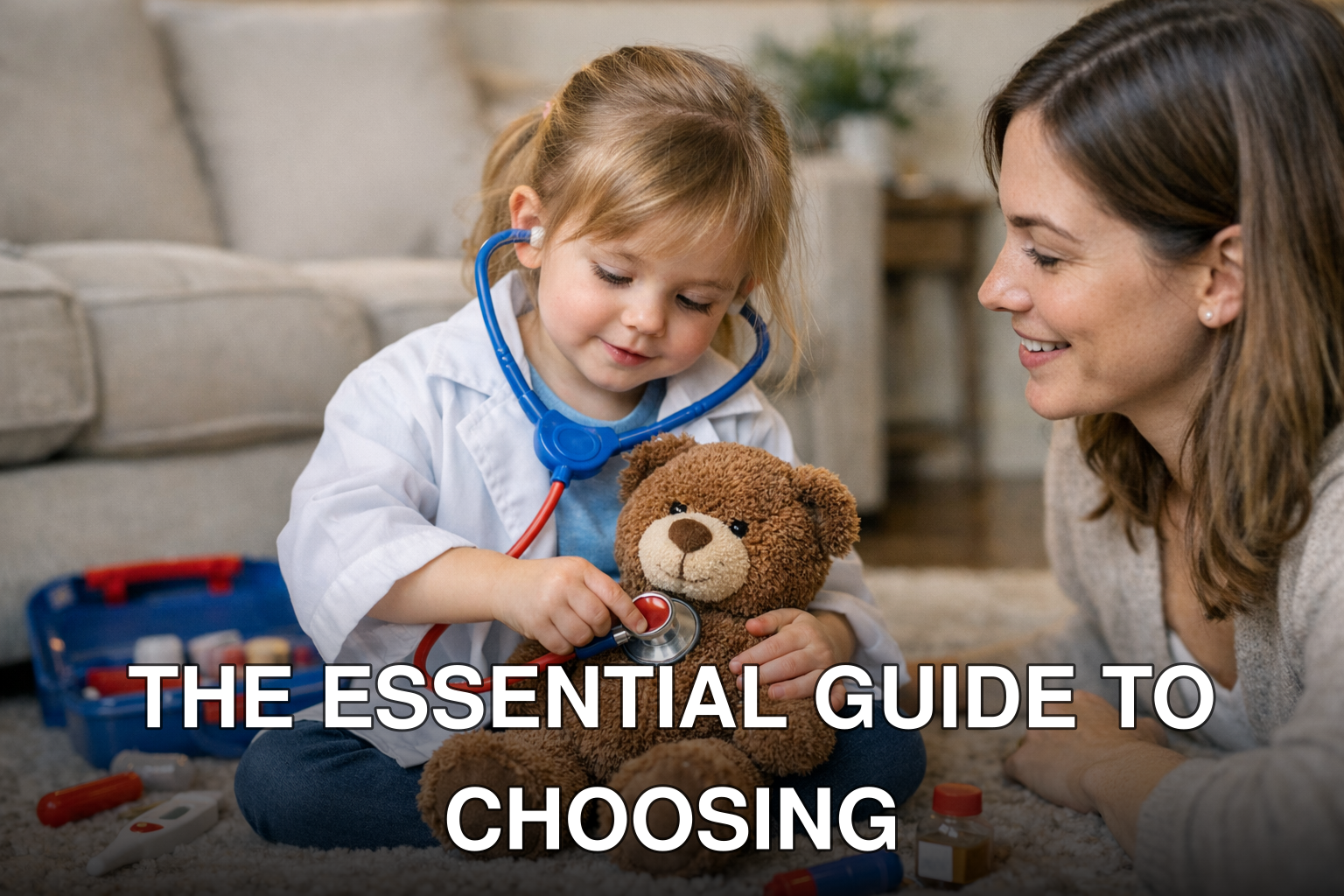
“Mom, I think Teddy needs a check-up!” If you’ve ever heard something like this while your toddler clutches a stethoscope from their pretend play doctor kit, you’re not alone. But here’s the thing—choosing the right kit isn’t as simple as grabbing the first one you see on Amazon or at Target. Some kits are safe and spark creativity, while others… well, let’s just say they might end up in the trash faster than you can say “non-toxic.”
The problem? Not all pretend play doctor kits are created equal. Some come loaded with small parts that scream choking hazard. Others use questionable materials that no parent wants anywhere near their kid’s mouth (because yes, everything ends up in there). And then there are those that look great online but fall apart after one day of enthusiastic toddler “surgery.”
But don’t worry—I’ve got you covered. In this guide, you’ll discover:
- What makes a doctor kit genuinely safe for kids under 5.
- How to spot kits that encourage real imaginative play (not just random plastic junk).
- The surprising tradeoffs between affordability and durability—and how to strike the right balance.
Let’s get into it so you can make a confident choice without second-guessing yourself at checkout.

Why Pretend Play Doctor Kits Are More Than Just Toys
Before we jump into picking the perfect set, let’s talk about why these kits even matter. Pretend play isn’t just cute—it’s critical for early childhood development.
When kids ages 2–5 role-play as doctors or nurses, they’re learning empathy, communication skills, and even problem-solving. For example: your child diagnosing Teddy with a “fever” teaches them to care for others and recognize emotions like fear or sadness. And those little doctor tools? They help build fine motor skills (think gripping a thermometer or pressing buttons on a toy otoscope).
But here’s where it gets tricky: if the kit doesn’t feel realistic enough—or worse, if it breaks easily—kids lose interest fast. That defeats the whole purpose of pretend play!
Key takeaway: A good doctor kit isn’t just about fun; it’s an investment in your child’s social and cognitive development.
Also worth reading: The Ultimate Guide to Choosing the Perfect
Quick Checklist: What Makes a Doctor Kit Safe for Toddlers?
Safety is non-negotiable when it comes to toys for kids under 5. Here’s what to check before adding anything to your cart:
- [ ] Non-toxic materials: Look for BPA-free plastics or wood with non-toxic paint finishes.
- [ ] No choking hazards: Avoid sets with tiny detachable parts like screws or overly small accessories.
- [ ] Durability: Toddlers are rough! Choose something sturdy enough to survive being thrown across the room (because let’s be honest—it’ll happen).
- [ ] Realistic design: Tools should look familiar but not too complicated—think simplified stethoscopes and thermometers.
- [ ] Easy-to-clean surfaces: Trust me, you don’t want fabric components that trap drool and dirt forever.
If even one of these boxes isn’t checked? Skip it—not worth the risk.
7 Must-Have Features in a Quality Pretend Doctor Kit
Not all features are created equal when shopping for toddlers’ toys. Here are seven things I always look out for:
1. Sturdy Stethoscopes That Actually Work
Yes, most toy stethoscopes don’t transmit any sound—but some high-quality ones amplify light heartbeats or include built-in sound effects kids love.
Pro tip: Avoid flimsy models where the earpieces pop off after five minutes of tugging—they’re frustrating and unsafe.
2. Thermometers with Swappable Temperatures
Some kits come with thermometers where kids can slide “temperature readings” (e.g., fever vs normal) back and forth—a small detail that adds huge replay value.
3. Light-Up Otoscopes & Flashlights
Toddlers love things that light up! A working otoscope (even battery-powered) lets them inspect ears like real doctors do.
4. Soft Bandages That Actually Stick
Reusable fabric bandages with Velcro closures beat rigid plastic ones every time—they’re gentler on tiny hands and more fun during role-play.
5. Carrying Case or Storage Bag
Complete chaos happens without proper storage—it only takes one missing syringe tool before meltdown mode kicks in!
6. Roleplay-Friendly Extras (Lab Coats & ID Badges)
A lab coat instantly transforms your little one into Dr. Whoever-they-want-to-be! Bonus points if it comes with customizable ID cards.
Related guide: read more: 12 Best Wooden
7. No Batteries Needed… Unless It Adds Magic
Here’s my rule of thumb: battery-powered tools like ECG machines? Awesome if they enhance realism without overwhelming simplicity; otherwise stick to basic manual options toddlers won’t struggle using independently.
Key takeaway: Prioritize interactive features over sheer quantity; fewer thoughtfully designed tools beat cluttered sets full of forgettable extras every time.
The Cost of Getting It Wrong 🛑
You might be thinking, “Does it really matter which set I pick? They’re all basically the same!” Nope—and here’s why getting this wrong could cost you more than just wasted money:
1️⃣ Safety risks: Cheap knockoff kits often cut corners on material quality—hello toxic plastics and sharp edges! Worst case? You’re rushing your toddler to urgent care because they swallowed something tiny from an unsafe set 😨.
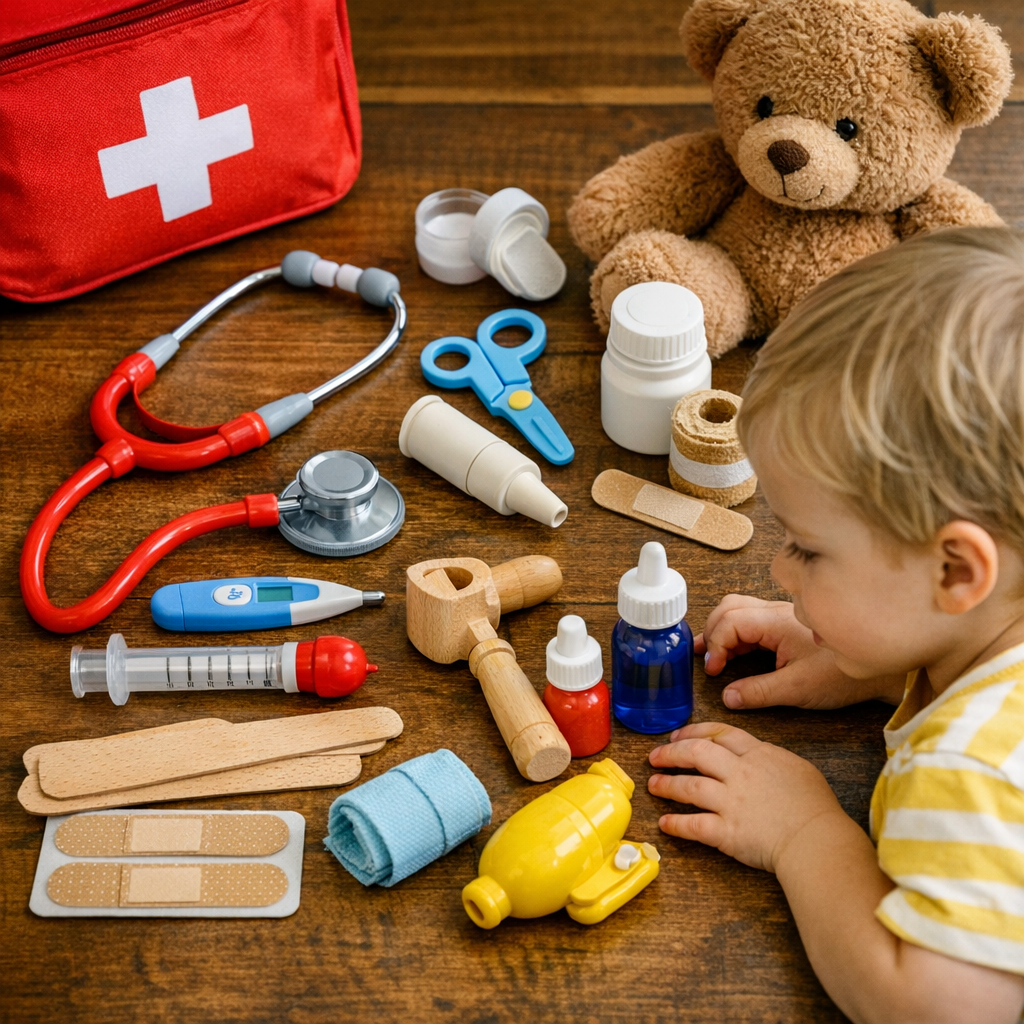
2️⃣ Lost engagement opportunities: Kids need sturdy toys built specifically around age-level interests/capabilities—not generic junk destined for donation piles within weeks/months post-purchase cycle realities parents know too well…
3️⃣ **Missed Learning Potential Development Catalysts Opportunities Lost Value-wise longterm impact etc Still WIP