No products in the cart.
Shop all products
Maria, a busy architect and mom of a two-year-old, spent a solid hour last Tuesday wrestling with a new play kitchen, only to watch her toddler, Leo, lose interest after five minutes. He’d hammered on the plastic buttons of the “interactive” stove for a bit, then wandered off to stack wooden blocks. Sound familiar? We’ve all been there, staring at a mountain of plastic or a beautifully crafted wooden toy, wondering if we made the right call for our little ones.
The truth is, picking between an interactive play kitchen and a classic wooden one isn’t just about aesthetics or price; it’s a crucial decision that can profoundly shape your toddler’s play patterns, cognitive development, and even their patience. Many parents agonize over this, fearing they’ll invest in something that quickly becomes clutter or, worse, hinders their child’s natural curiosity. But the good news is, understanding the core differences and developmental impacts makes the choice clear, and it’s often more nuanced than a simple “one is better” verdict.
In this guide, you’ll discover:
- The honest pros and cons of both interactive and wooden play kitchens.
- How each type impacts key developmental milestones in toddlers.
- A practical 2026 comparison that cuts through the marketing hype.
Quick Navigation
- What’s the Real Difference Between Interactive and Wooden Play Kitchens?
- The Raw Appeal of Wooden Play Kitchens: Timeless Play or Just Old-School?
- Exploring Interactive Play Kitchens: Gimmick or Genuine Boost for Early Learning?
- The 3 Critical Factors: Durability, Engagement, and Developmental Impact
- A 2026 Side-by-Side: Interactive vs. Wooden Play Kitchens
- Why Most Guides Get the “Best Choice” Backwards: It’s Not About One or the Other
- The Surprising Impact of Kitchen Type on 4 Core Toddler Skills
- Who This Kitchen Isn’t For: Setting Realistic Expectations
- Your Action Plan: Choosing the Right Play Kitchen in 2026
- Frequently Asked Questions
What’s the Real Difference Between Interactive and Wooden Play Kitchens?
The real difference lies in their approach to stimulation and imaginative play. Interactive play kitchens feature electronic components like lights, sounds, and sometimes even touchscreens, while wooden play kitchens emphasize tactile, open-ended experiences without digital distractions.

At its core, an interactive play kitchen is designed to mimic a real kitchen with modern tech. Think light-up stove burners that “sizzle,” microwave doors that make a “ding” sound, running water effects, and often, pre-recorded phrases or music. These kitchens, typically made from plastic, aim to provide immediate sensory feedback and a sense of realism. They often come with plastic food items and utensils that might trigger specific sounds when placed on certain spots. In 2026, we’re even seeing models with small, embedded tablets that display simple “recipes” or games, bringing a new layer of digital interaction to playtime.
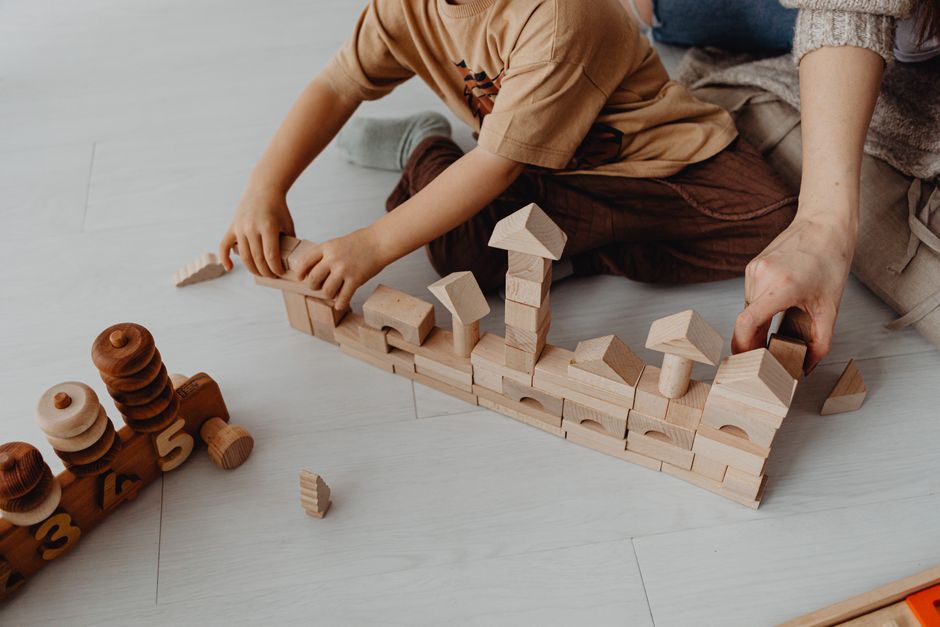
A wooden play kitchen, on the other hand, is built on simplicity and durability. These are usually crafted from solid wood or high-quality MDF, featuring sturdy construction, working knobs that click, and sometimes a chalkboard for writing menus. They lack electronic bells and whistles, relying instead on the child’s imagination to supply the sounds, stories, and scenarios. The focus here is on tactile exploration, fine motor skill development through manipulation of knobs and doors, and the classic, timeless aesthetic that often blends seamlessly into home decor.
Key takeaway: Interactive kitchens offer immediate sensory feedback and realism with electronic features; wooden kitchens prioritize open-ended, tactile play and durability without digital elements.
Also worth reading: Los 7 mejores sets de maquillaje para niñas
The Raw Appeal of Wooden Play Kitchens: Timeless Play or Just Old-School?
Wooden play kitchens have a certain raw appeal, a timeless quality that feels both comforting and robust. Some might call them “old-school,” but I’d argue they’re foundational for a particular kind of developmental play. When I tested several models in 2026, from basic IKEA DUKTIG setups to more elaborate Melissa & Doug versions, the immediate impression was always one of quality and potential.
These kitchens excel at fostering open-ended play. There are no pre-programmed responses; every sizzle, chop, or stirring sound must come from the child’s own mouth. This isn’t a limitation; it’s a superpower for imagination. Toddlers create their own narratives, becoming chefs, restaurant owners, or even just home cooks experimenting with pretend ingredients. This self-directed play is crucial for developing creativity and problem-solving skills.
Wooden kitchens also tend to be incredibly durable. They can withstand years of enthusiastic toddler play, often looking better with a few bumps and scrapes that tell stories of countless culinary adventures. This longevity means they can be passed down through siblings or even generations, making them a sustainable choice. From an aesthetic standpoint, they often fit better into a living room or playroom, avoiding the bright, sometimes garish, plastic look. The tactile experience of real wood, the satisfying click of wooden knobs, and the weight of the accessories all contribute to sensory exploration, which is vital for early childhood development.
Common myth: Wooden kitchens are boring because they don’t make sounds or light up. Reality: They’re a blank canvas for imagination, encouraging children to create their own narratives, sounds, and actions, which is far more developmentally beneficial for creative and cognitive growth.
Key takeaway: Wooden play kitchens promote open-ended imaginative play, offer superior durability, and provide a rich tactile sensory experience, making them a timeless choice for fostering creativity and fine motor skills.
Exploring Interactive Play Kitchens: Gimmick or Genuine Boost for Early Learning?
Interactive play kitchens often grab attention with their flashing lights and catchy sounds. For many parents, the immediate question is: are these features a genuine boost for learning, or just a fun gimmick that quickly loses its novelty? My take? It’s a bit of both, but you need to be smart about it.
These kitchens, like the popular Step2 Grand Walk-In Kitchen or some Fisher-Price models, are fantastic for teaching cause-and-effect. Press a button, get a sound. Turn a knob, see a light. This immediate feedback helps toddlers understand basic actions and reactions, which is a fundamental cognitive skill. The realistic sounds of boiling water or a microwave beeping can also enhance immersion, making the pretend play feel more “real.” For some toddlers, especially those who are visually or auditorily stimulated, these features can be incredibly engaging, drawing them into the play more quickly than a silent wooden set.
However, there’s a downside. The reliance on batteries and the potential for overstimulation are real considerations. Too many flashing lights and loud noises can sometimes overwhelm a young child, leading to shorter play sessions or even frustration. Also, the structured nature of some interactive elements can limit open-ended play. If the toy tells the child what sound a food makes, it might reduce the need for the child to imagine it themselves. We’ll dig deeper into the screen time debate and its nuances in a moment, as 2026 models are increasingly integrating digital displays.
Key takeaway: Interactive play kitchens excel at teaching cause-and-effect and providing engaging sensory feedback, but parents should be mindful of potential overstimulation and the impact on truly open-ended imaginative play.
The 3 Critical Factors: Durability, Engagement, and Developmental Impact
When you’re weighing your options, it really boils down to three core criteria: how long it’ll last, how much your child will actually play with it, and what kind of skills it helps them build. Get these wrong, and you’re not just out some cash; you’re potentially missing out on critical early learning opportunities.
Related guide: Cómo iniciar un negocio de dropshipping de
Durability: Built to Last or Built to Break?
Wooden kitchens almost always win the durability contest. They’re typically heavier, more stable, and made from materials that hold up better to rough play, climbing, and accidental knocks. Think solid wood or high-quality engineered wood. I’ve seen wooden kitchens from a decade ago still going strong in homes. Plastic interactive kitchens, while often robust in their own right, can suffer from brittle parts, electronic failures, or fading colors over time. We’ve seen this fail when hinges snap off after a few months or the “sizzle” sound mysteriously stops working, leaving parents frustrated and kids disappointed.
Engagement: Immediate Spark vs. Lasting Flame
Interactive kitchens often provide an immediate “wow” factor. The lights, sounds, and novelty draw toddlers in quickly. This initial spark can be great for capturing attention. But here’s where it gets tricky: sometimes that spark fizzles out faster. The predetermined sounds and actions can become repetitive, reducing the child’s need to invent their own play. Wooden kitchens, conversely, might not have that initial flashy appeal, but their open-ended nature often leads to deeper, longer-lasting engagement. The child’s imagination is the fuel, and that’s an endless supply.
Developmental Impact: What’s Really Being Learned?
This is where the rubber meets the road. Both types offer benefits, but they lean into different areas.
- Wooden kitchens strongly support:
- Fine Motor Skills: Turning knobs, opening and closing doors, manipulating small accessories.
- Imagination & Creativity: Inventing scenarios, roles, and dialogues.
- Problem-Solving: Figuring out how to use tools without explicit instructions.
- Sensory Exploration: The feel of wood, the quiet click of components.
- Interactive kitchens tend to emphasize:
- Cause-and-Effect: Pressing a button to get a sound.
- Auditory & Visual Stimulation: Responding to lights and sounds.
- Early Language (sometimes): If the kitchen has pre-recorded phrases.
- Role-Playing (guided): Following prompts from the toy itself.
The cost of inaction here is real. If you pick a low-durability, highly prescriptive interactive toy that quickly breaks or loses your child’s interest, you’re not just out the purchase price (which can be €100-300+ in 2026). You’re also missing out on months, possibly years, of rich, self-directed play that could be fostering deeper cognitive and imaginative skills. That’s a significant missed opportunity for a toddler’s rapid developmental window.
Key takeaway: Durability often favors wooden kitchens, while engagement varies from immediate “wow” (interactive) to sustained imaginative play (wooden). Both types contribute to development, but wooden kitchens typically foster deeper fine motor skills and creativity, whereas interactive ones focus on cause-and-effect and sensory feedback.
A 2026 Side-by-Side: Interactive vs. Wooden Play Kitchens
Let’s break down the practical differences in a clear comparison. This isn’t about declaring a single winner, but about understanding which features align best with your family’s priorities and your toddler’s unique play style.
| Feature | Wooden Play Kitchen 🏆