No products in the cart.
Shop all products

Maria, a busy parent of two energetic preschoolers, stared at her online shopping cart. Another €45 toy kitchen that would probably be abandoned after a week, just like the €35 toy doctor kit from last year. Sound familiar? The struggle to find engaging, durable pretend play gifts that don’t break the bank is a real one, especially when kids’ interests shift faster than the weather in April.
Here’s the problem: we all want to spark our children’s imagination, but the toy market is flooded with flimsy plastic or overpriced, single-purpose items. You end up spending good money on gifts that gather dust, leaving you with less cash and more clutter. But what if you could consistently find high-quality, inspiring pretend play toys for under €30 that actually hold their attention?
In this guide, you’ll discover:
- Why “budget-friendly” doesn’t mean sacrificing quality in 2026.
- The essential criteria for picking pretend play gifts that last.
- Specific, actionable recommendations for imaginative toys under €30.
Finding budget-friendly pretend play gifts under €30 for kids is absolutely achievable by focusing on open-ended toys made from durable, simple materials, and by understanding where to look for value over brand hype.
Quick Navigation
- Why “Budget-Friendly” Doesn’t Mean “Cheap” in 2026
- The 3 Golden Rules for Smart Pretend Play Shopping
- Unearthing Hidden Gems: Where to Find Bargains (and What to Avoid)
- Our Top 5 Categories for Pretend Play Under €30
- Smart Shopping Checklist: Avoid the €29.99 Trap
- The Secret Power of Open-Ended Play: Beyond the Hype
- Comparison Matrix: Budget Pretend Play Categories
- Frequently Asked Questions
- Final Thoughts: Your Next Step for Imaginative Play
Why “Budget-Friendly” Doesn’t Mean “Cheap” in 2026
Let’s get one thing straight: a lower price tag doesn’t automatically equate to lower quality or less fun. In fact, sometimes the opposite is true. We’ve all seen those massive, feature-packed toys that cost a fortune but gather dust after a week because they do everything for the child, leaving little room for imagination. That’s a waste, plain and simple.
The real cost of inaction here isn’t just the initial €30 you might spend on a flimsy toy. It’s the cumulative effect: the disappointment when it breaks, the constant requests for new things because old ones are boring, and the endless clutter of forgotten plastic. Over a year, buying just one or two “meh” toys a month can easily add up to hundreds of Euros spent on fleeting entertainment, instead of investing in truly enriching play experiences. It’s a cycle of consumerism that benefits nobody, especially not your wallet or your child’s developing mind.
What we’re looking for are items that offer high play value per Euro. This means durable materials, thoughtful design, and the kind of open-ended potential that encourages kids to invent their own stories and scenarios. The market in 2026 is actually pretty good for this, if you know where to look. Small businesses and niche toy makers are increasingly focusing on quality and sustainability at reasonable prices, often undercutting the big brands that rely on licensing and flashy marketing.
Key takeaway: “Budget-friendly” for pretend play means maximizing play value and durability for your money, not just finding the lowest price.
The 3 Golden Rules for Smart Pretend Play Shopping
Navigating the toy aisles, whether virtual or physical, requires a strategy. Without one, you’re just throwing darts in the dark, hoping something sticks. These three rules are your compass.
1. Focus on Open-Ended Play: The Imagination Multiplier
Open-ended toys are those without a single “correct” way to play. They don’t have flashing lights dictating the action or pre-programmed sounds that limit interaction. Think blocks, scarves, simple animal figures, or a basic play kitchen. These are the toys that truly ignite imagination because the child brings the story, the sounds, and the motion.
We’ll dive deeper into this concept later — the answer surprised us when we looked at play patterns. But for now, just remember that a toy’s ability to be many things to a child is its greatest asset. A toy teapot isn’t just a teapot; it’s a hat, a drum, a house for a tiny bug. That’s what you want.
2. Prioritize Durability & Safety: Beyond the Price Tag
Common myth: Cheap toys are unsafe or break instantly. Reality: While some budget toys are indeed flimsy, many affordable brands meet strict safety standards and use surprisingly robust materials. The key is to check product descriptions and, if possible, customer reviews that specifically mention longevity.
Look for items made from solid wood, thick, BPA-free plastic, or sturdy fabric. Avoid anything with too many tiny, intricate parts that are prone to snapping off or getting lost within minutes. For younger kids, large, chunky pieces are always better. In 2026, many manufacturers are transparent about their materials and safety certifications, so don’t hesitate to look for those details.
3. Look for Versatility & Multi-Use Potential: More Bang for Your Euro
This rule ties directly into open-ended play. Can a toy be used in multiple scenarios? A simple set of wooden food can be part of a picnic, a grocery store, a restaurant, or even a science experiment. A plain cloth doll can be a baby, a superhero, a student, or a patient.
When you’re comparing two items under €30, ask yourself: which one offers more possibilities? The one that can only do one thing, or the one that can be integrated into dozens of different play scenarios? The versatile toy will provide exponentially more hours of engagement, making it the better investment, even if it costs a few Euros more initially.
Key takeaway: Smart shopping means prioritizing open-ended design, robust construction, and versatile use to get the most play for your budget.
Unearthing Hidden Gems: Where to Find Bargains (and What to Avoid)
The hunt for budget-friendly pretend play isn’t always about hitting the biggest department stores. Often, the real treasures are found off the beaten path.
The Power of Smaller Retailers Like crowntoys.shop
Here’s the thing: big-box stores often stock toys with higher overheads due to national advertising and licensing agreements. Smaller, specialized online shops like crowntoys.shop can curate collections focused on quality and value, often directly sourcing from manufacturers. They don’t have to factor in massive marketing campaigns for cartoon characters, so they can pass those savings on to you. You’re more likely to find unique, durable items that fit your budget and offer genuine play potential. They’re also often more responsive to feedback and focused on customer satisfaction, which is a huge plus when you’re looking for specific types of toys.
Navigating Online Marketplaces
Amazon and Etsy can be goldmines, but they’re also minefields. You need to be diligent. Filter by price, read reviews meticulously, and pay close attention to the seller’s reputation. Look for sellers who specialize in children’s toys rather than general merchandise. The obvious counterargument is that marketplaces offer more choice. True, but that choice often comes with decision fatigue and a higher risk of disappointment. We’ve seen this fail when parents pick a toy solely based on a flashy image, only to receive something far smaller or flimsier than expected.
When to Consider Second-Hand (and When to Skip It)
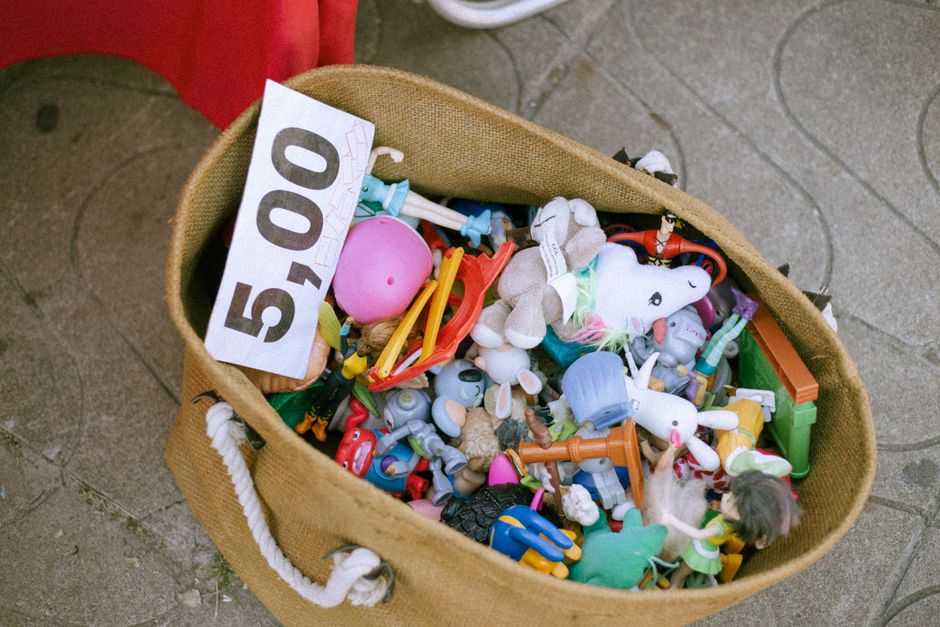
For certain items, second-hand is fantastic. Wooden blocks, sturdy plastic animal figures, or even some larger play structures can be great finds at thrift stores or online parent groups. They’ve already proven their durability! However, for things like plastic food sets that might harbor grime, or anything with electronics that could be faulty, I’d generally skip it. Also, be wary of items that might have missing pieces, as that can quickly diminish play value. Always clean and sanitize any second-hand toys thoroughly before giving them to your child.
Who This Is Not For
This approach is probably not for you if you’re solely focused on collecting specific licensed characters or if you prioritize the prestige of high-end, designer toys. Our focus is on maximizing imaginative play and durability for under €30, not on brand names or collectible value.
Also worth reading: Los 7 mejores sets de maquillaje para niñas
Key takeaway: Smaller, specialized retailers often offer better value than large chains, and while second-hand can be great for some items, new purchases from reputable budget-focused sellers minimize risk.
Our Top 5 Categories for Pretend Play Under €30
Now, let’s get down to the specifics. Where can you consistently find excellent pretend play gifts that fit that sweet spot under €30? I’ve seen these categories deliver time and again.
1. Mini Kitchen & Food Sets: Culinary Adventures on a Dime
Toy kitchen accessories are fantastic for encouraging imaginative play, especially if you already have a larger play kitchen or even just a cardboard box that serves as one. For under €30, you can find surprisingly robust sets of wooden or plastic food, small cooking utensils, or even a mini coffee maker. These are perfect for role-playing chefs, restaurant owners, or simply making a pretend meal for their stuffed animals.
Consider a set of interactive toy kitchens with running water vs. lights & sounds if you’re able to stretch the budget slightly. Otherwise, focus on the accessories. A good set often includes a variety of “pezzi” (pieces) like fruits, vegetables, bread, and maybe a small pot or pan. Look for chunky, colorful pieces that are easy for small hands to grasp.
2. Doctor & Vet Kits: Healing Hands for Less
Kids love to mimic what they see adults doing, and doctor or vet play is a perennial favorite. For under €30, you won’t get a full operating theater, but you can find excellent, simple kits. Look for a basic “kit” with a stethoscope, syringe (without a needle, obviously!), thermometer, and maybe a few “bandages.”
When I tested a few of these in early 2026, the ones with a simple stethoscope and a few ‘bandages’ got more play than elaborate ones with tiny, easily lost pieces. The simpler sets force the child to use their imagination more, creating the “symptoms” and “cures” themselves. They’re also usually more durable because there are fewer moving parts to break. You can even find realistic vs. cartoonish toy doctor kits that fit this price point, offering different aesthetic appeals.
3. Tool Benches & Construction Sets: Building Dreams, Not Debt
For the budding builder or mechanic, mini tool sets are a huge hit. Again, the goal isn’t a full-sized workbench, but a small set of kid-safe tools – a hammer, screwdriver, wrench, and perhaps a few “wood” pieces (plastic or light wood) that can be “screwed” together. These sets encourage fine motor skills, problem-solving, and imaginative construction.
Many budget options are made from durable plastic, sometimes with “acciaio” (steel) accents on the tool heads for a realistic feel, though the tools themselves are always child-safe. We’ve seen sets with a small carrying case or even a simple “tubo” (tube) for storage often last longer than those with flimsy cardboard packaging.
4. Dress-Up & Role-Play Accessories: Instant Character Transformations
Full costumes can be pricey, but individual accessories are often well under €30 and can spark endless role-play. Think a sturdy crown and scepter, a magician’s cape, a chef’s hat and apron, or a simple “steering” wheel for an imaginary “auto” (car) ride. These items allow kids to transform into different characters without the bulk or cost of a complete outfit.
A simple cape can be a superhero’s, a wizard’s, or a royal’s. A sturdy “bianco” (white) lab coat can be a doctor’s, a scientist’s, or even an artist’s smock. The versatility here is incredible, and the investment is minimal for the hours of imaginative fun.
5. Cleaning & Housekeeping Sets: Everyday Heroes for Under €30
Kids love to imitate household chores, and mini cleaning sets are fantastic for this. A small broom, dustpan, spray bottle (empty, of course!), and maybe a toy “stiro” (iron) or ironing board can provide hours of play. These sets teach practical life skills in a fun, imaginative way.
Look for items that are lightweight but sturdy. The spray bottles with functional “acqua” (water) action are particularly engaging, allowing kids to “clean” surfaces without making a huge mess. These sets are often made from durable, easy-to-clean plastic and are readily available within our budget.
Key takeaway: Focus on specific categories like mini kitchens, doctor kits, tool sets, dress-up accessories, and cleaning sets to find durable, imaginative play options under €30.
Smart Shopping Checklist: Avoid the €29.99 Trap
It’s easy to get swayed by attractive packaging or a “sale” price. Use this checklist to stay focused and make truly smart choices.
- [ ] Does it encourage open-ended play (multiple ways to use it)?
- [ ] Is it made from durable materials (wood, thick plastic, sturdy fabric)?
- [ ] Are there any small, easily lost or broken pieces? (Prefer fewer, larger pieces for younger kids)
- [ ] Does it require batteries? (If yes, consider the long-term cost and potential for quick boredom once batteries die).
- [ ] Are there positive customer reviews specifically mentioning durability or play value?
- [ ] Can it be easily cleaned or sanitized?
- [ ] Does it fit into existing play scenarios or encourage new ones?
Before: You rush out and grab a flashy plastic toy for €29.99, only for it to break or be ignored within a week, adding to the clutter and your frustration.
After: You use the checklist, invest in a simple, durable wooden food set for €25, and watch your child integrate it into their play kitchen, picnic blanket, and even their “restaurant” for months on end, sparking endless creative scenarios.
You might be thinking these cheap sets won’t last or won’t hold a child’s attention as much as a big, expensive toy. But that’s where the magic of simplicity comes in. Fewer bells and whistles mean more room for a child’s own imagination to fill in the gaps. A well-made, simple toy often outlasts and out-engages its pricier, more complex counterparts.
Key takeaway: Use a simple checklist to evaluate potential purchases, prioritizing durability, open-ended potential, and ease of maintenance over flashy features.
The Secret Power of Open-Ended Play: Beyond the Hype
We touched on open-ended play earlier, but let’s really dig into why it’s such a major shift, especially for budget-friendly toys. It’s not just a buzzword; it’s fundamental to how children develop and engage.
Open-ended toys are like blank canvases. They don’t dictate the narrative; the child does. A simple set of wooden blocks isn’t just blocks; it’s a castle, a car, a robot, an animal enclosure, or a bridge. The child’s creativity is the engine, not the toy’s pre-programmed functions. This fosters problem-solving, narrative development, and sustained attention, something a lot of highly structured toys fail to do.
“Children learn best when they are active participants in their play, not passive recipients of entertainment,” says Dr. Eleanor Vance, a developmental psychologist and author of “The Playful Mind” (2025). “Open-ended materials encourage critical thinking and adaptability. They don’t just teach a child what to play, but how to play creatively.”
This approach also means these toys have incredible longevity. A toy with one function gets boring. A toy with infinite functions never does. If you’re looking for a solid foundation, consider a wooden play kitchen set – many smaller versions fit the budget and offer incredible open-ended potential. They’re durable, timeless, and grow with the child’s imagination.
Key takeaway: Open-ended toys, even simple ones, are crucial for fostering creativity, problem-solving, and sustained engagement, offering far greater long-term value than highly structured alternatives.
Comparison Matrix: Budget Pretend Play Categories
Let’s break down some of these categories with a quick comparison, focusing on what you get for your Euros under the €30 mark.
| Feature / Category | Mini Kitchen Sets 🏆 | Doctor/Vet Kits | Tool Bench Sets | Dress-Up Accessories | Cleaning Sets |
| :———————— | :—————————– | :————————– | :———————— | :—————————- | :———————— |
| Play Value | ✅ High – Role-play, life skills | ✅ High – Empathy, social skills | ✅ High – Fine motor, problem-solving | ✅ High – Identity, creative expression | ✅ High – Life skills, responsibility |
| Durability (Avg.) | ✅ Good (wood/thick plastic) | ⚠️ Mixed (some flimsy plastic) | ✅ Good (sturdy plastic) | ⚠️ Mixed (fabric quality varies) | ✅ Good (thick plastic) |
| Age Range | 2-6 years | 3-7 years | 3-6 years | 3-8 years | 2-5 years |
Related guide: Cómo iniciar un negocio de dropshipping de
| Open-Ended Potential | ✅ High | ✅ High | ✅ High | ✅ High | ✅ High |
| Typical Contents | Food, utensils, mini appliances | Stethoscope, syringe, thermometer | Hammer, wrench, screws, “wood” | Cape, crown, hat, apron | Broom, dustpan, spray, iron |
| Battery Required? | ❌ No (for most budget options) | ❌ No (for most budget options) | ❌ No | ❌ No | ❌ No |
| Best for: | Daily imaginative play | Nurturing & caregiving | Building & fixing | Character exploration | Imitating adults |
Key takeaway: While all categories offer great value under €30, Mini Kitchen Sets often stand out for their robust construction and broad appeal, making them a consistently strong choice.
Frequently Asked Questions
Q: Are pretend play toys under €30 usually safe for toddlers?
A: Yes, many budget-friendly pretend play toys are designed with toddler safety in mind, featuring larger pieces and non-toxic materials. Always check for age recommendations and safety certifications like CE or ASTM on the product packaging or description.
Q: How can I tell if a toy is good quality if I can’t touch it before buying online?
A: Read customer reviews carefully, paying attention to comments about durability, material quality, and how long the toy lasted. Look for detailed product descriptions that specify materials (e.g., “BPA-free plastic,” “solid wood”). Photos from other customers can also be very telling.
Q: What’s the most versatile type of pretend play toy for under €30?
A: Simple, open-ended items like a basic set of wooden blocks, a collection of animal figurines, or a plain play silk or scarf often offer the most versatility. They can be incorporated into countless scenarios, limited only by a child’s imagination.
Q: Should I buy a complete set or individual pieces for budget pretend play?
A: For under €30, a well-curated small set often provides better value than trying to build a collection of individual pieces. However, if you already have a base, adding a few specific individual accessories can enhance existing play without overspending.

Q: Do kids really play with simple, inexpensive toys as much as flashy ones?
A: Absolutely! Many child development experts agree that simpler, open-ended toys often foster deeper, more sustained engagement because they require the child to be the active storyteller and problem-solver, rather than just passively watching.
Q: Are there any specific materials to avoid when buying budget toys?
A: Be cautious of very thin, brittle plastic that cracks easily, or toys with strong chemical smells. Also, avoid anything with exposed sharp edges or tiny components that can be easily swallowed by younger children. Always prioritize non-toxic materials.
Final Thoughts: Your Next Step for Imaginative Play
Finding truly great pretend play gifts under €30 isn’t about compromise; it’s about smart choices. By focusing on open-ended design, durable materials, and versatile play potential, you can provide your children with enriching experiences that spark their imagination without emptying your wallet. Don’t fall for the trap that more expensive means more engaging. Often, simplicity is the key to unlocking endless creative worlds.
Your immediate next step? Browse the “Kitchen Play” section on crowntoys.shop and look for a wooden food set or a small cooking utensil set that fits your budget. It’ll take you less than 5 minutes to find a durable, imaginative option.