No products in the cart.
Shop all products
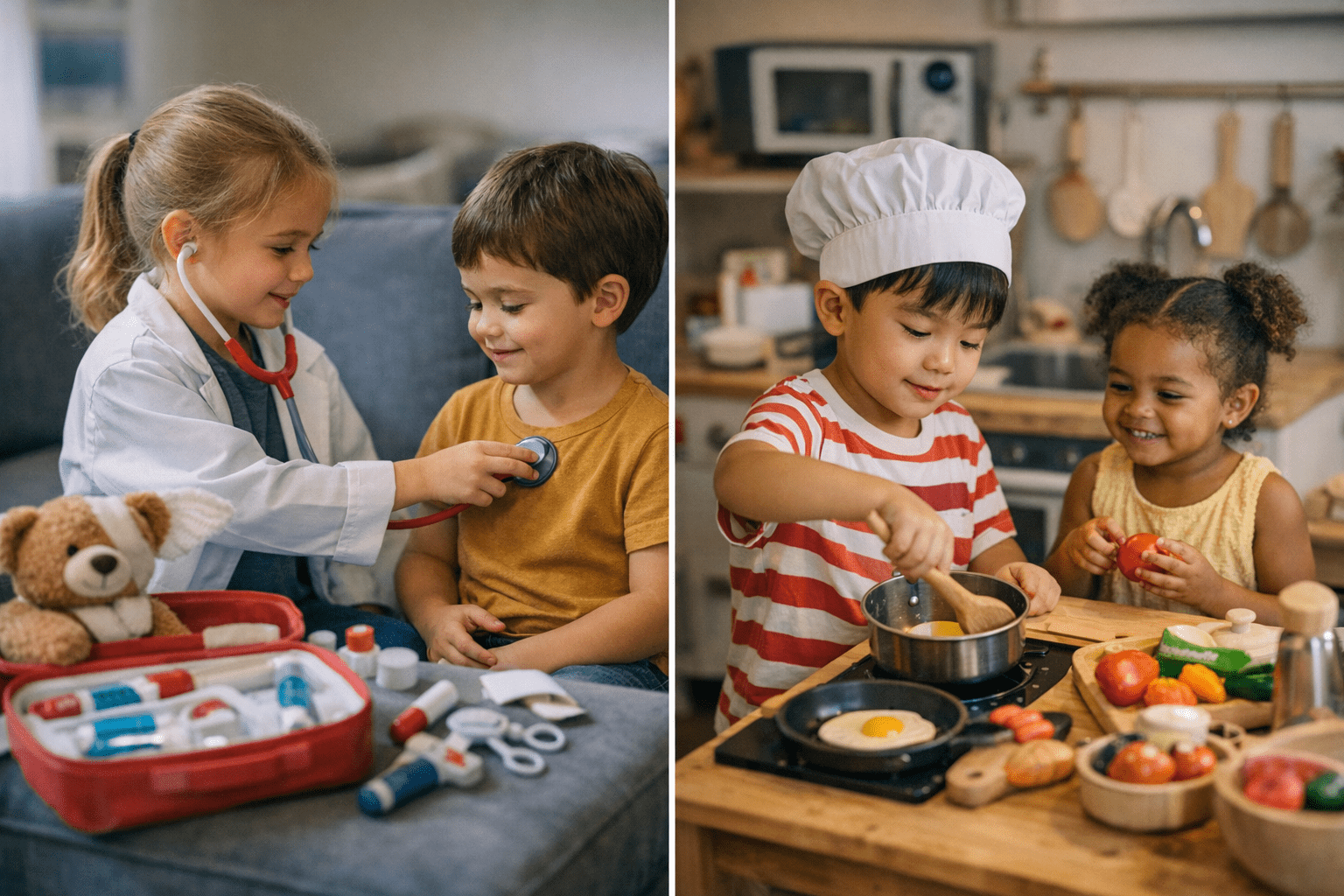
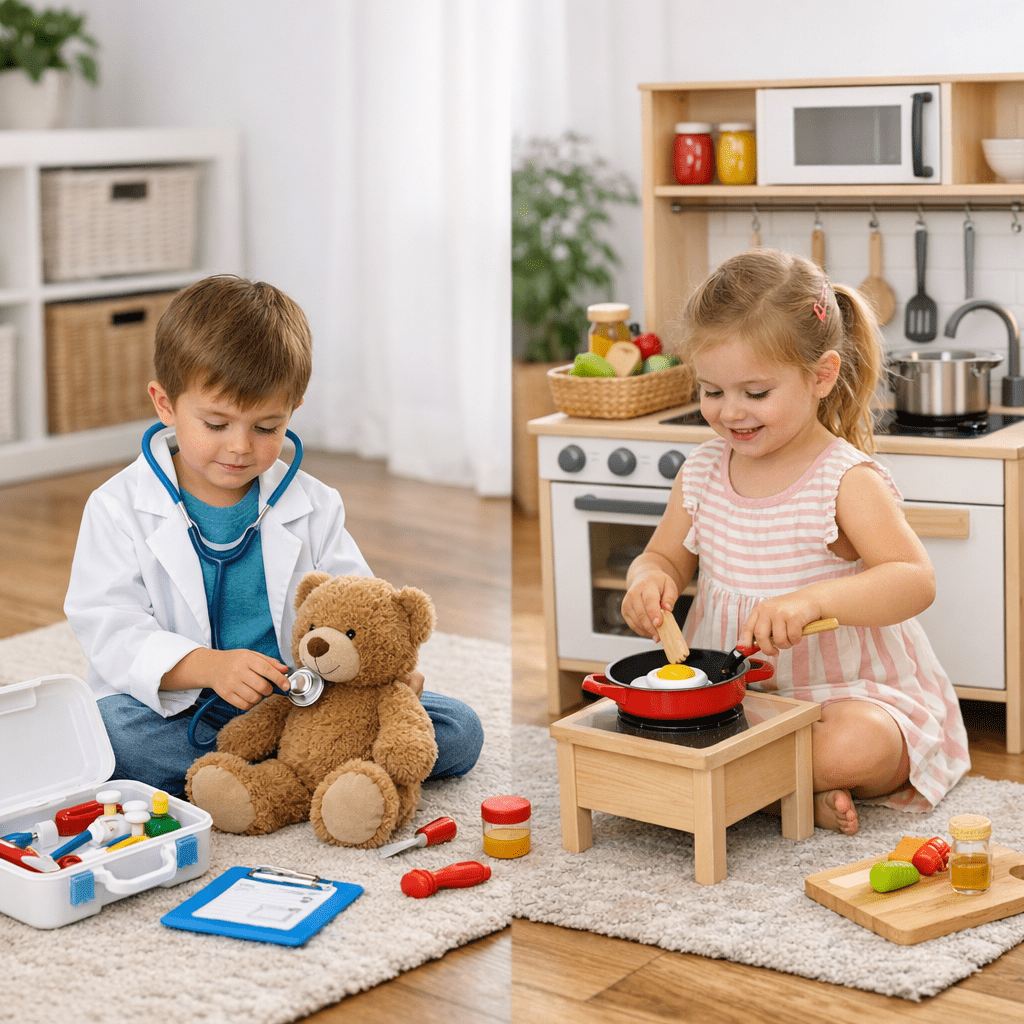
Here’s a fun challenge: you’re shopping for a kid between 3 and 7 years old, and you’ve narrowed it down to two classic options—doctor play kits and kitchen playsets. Both are incredibly popular, both encourage imaginative play, and both have their own die-hard fanbases among parents. So which one should you pick? Well, it depends—and I’ll explain why.
Let’s break this down by looking at what each offers, how they match up with kids’ developmental stages, and the real-world tradeoffs that come with gifting either one.

—
Why Kids Love Doctor Play Kits
There’s something magical about pretending to be in charge of someone else’s health when you’re five years old. Doctor play kits let kids feel powerful—they get to wear the coat, hold the stethoscope, and deliver “medicine” (which is almost always imaginary). But beyond the fun factor, these kits are packed with developmental benefits.
What They Teach
- Empathy: Pretending to care for a stuffed animal or even a sibling teaches kids how to empathize with others.
- Social Skills: Playing doctor usually involves another person—a “patient.” This encourages communication and cooperation.
- Problem-Solving: Many doctor kits include tools like thermometers or otoscopes that prompt kids to figure out what’s “wrong” with their patient.
For example, my niece got a doctor kit for her fourth birthday last year. Within minutes of unboxing it, she started diagnosing everyone at the party with imaginary illnesses—“You’ve got candy fever!”—and prescribing solutions like naps or hugs. She was completely engaged for hours.
Popular Features
Most kits these days come loaded with extras:
- Plastic stethoscopes that make heartbeat sounds
- Toy syringes (a big hit once kids realize they’re not real needles)
- Clipboards and prescription pads for added realism
Some even take it up a notch by including mini X-ray machines or LED lights on tools. In 2026, many brands have also started focusing on durability since younger kids tend to be rough on toys.
But here’s where things get tricky: while these kits are great at fostering pretend play, their appeal can fade quickly if your child isn’t interested in role-playing scenarios that revolve around medical care.
—
Why Kitchen Playsets Are Always a Hit
If there’s one thing almost every kid loves at some point in early childhood, it’s pretending to cook. Kitchen playsets tap into that universal fascination with food—mixing ingredients (real or fake), serving dishes, and sometimes just banging pots around like cymbals in an impromptu concert.
What They Teach
- Fine Motor Skills: Cutting toy veggies or stirring pretend soup builds coordination.
- Math & Sequencing: Following “recipes,” counting ingredients—it all sneaks in basic math concepts.
- Creativity: Kids can whip up anything from spaghetti tacos to invisible cupcakes without rules holding them back.
Take my nephew as an example. At age three-and-a-half, he got his first kitchen set—a small wooden one with just a stove burner and sink. By age six, he had graduated to a larger model complete with an oven light-up feature and realistic sound effects when he turned the knobs. Not only did he spend hours playing chef; he also insisted on serving his family pretend meals every evening (sometimes alongside actual dinner).
Popular Features
In recent years, kitchen sets have become more high-tech:
- Realistic lights inside ovens/microwaves
- Interactive buttons that beep or sizzle when pressed
- Accessories like plastic food items designed to mimic real brands
And unlike doctor kits—which tend to be smaller—you’ll need space for most kitchen sets. Even compact ones take up notable floor area in smaller homes or apartments.
How to Dropship Role-Play Beauty Sets for Kids: A Step-by-Step Guide: Practical
—
Comparison Table: Doctor Kits vs. Kitchen Playsets
| Feature/Aspect | Doctor Play Kits | Kitchen Playsets |
|—————————–|—————————————————|————————————————|
| Age Range | Best for ages 3–5 | Works well from 3 through 7+ |
| Skill Development | Empathy, social skills | Fine motor skills, creativity |
| Durability Concerns | Smaller pieces may break easily | Larger sets are sturdier but harder to move |
| Engagement Longevity | May fade if child loses interest | Longer-lasting appeal across multiple ages |
| Space Requirements | Minimal—fits in a small box | Moderate to large depending on set size |
| Tech Addons (2026) | Some include LED lights/sound effects | Lights/sounds common; more interactive models available |
—
The Tradeoffs You Should Know
Here’s where things get complicated—and why picking the better gift really depends on your child:
1. Attention Span Matters
If your kid tends to hop quickly from one activity to another without sticking around long enough for detailed role-play games… go kitchen set over doctor kit every time. Kitchen toys offer tons of open-ended possibilities—they can stir soup today but bake cookies tomorrow.
Los 7 mejores sets de maquillaje para niñas bajo $50 en 2024: guía práctica con
2. Space Constraints
Live in an apartment? Have limited room? The compact nature of most doctor kits wins here hands down—you can toss everything into a single container after use instead of dedicating an entire corner of your living space to a sprawling mini-kitchen setup.
3. Sibling Dynamics
If you’ve got multiple young kids sharing toys—or if friends often come over—it might make sense to invest in something collaborative like a kitchen set where several children can join forces whipping up fantasy feasts together!
4. Durability Concerns
Smaller plastic parts from some cheaper doctor kits might snap or get lost under couches faster than you’d expect (trust me). With kitchen sets being bulkier overall though… moving them between rooms isn’t always easy either unless they’re lightweight models specifically built portable designs!
—
Making Your Final Call
Still torn? Here’s my quick personal advice:
If you’re shopping for younger toddlers closer toward three-years-old who haven’t fully embraced structured imaginative activities yet consider starting simple using affordable entry-levels priced say $30–45 EUR ranges?
Meanwhile older preschoolers pushing closer seven likely appreciate higher-tech immersive options regularly updated annually modern trends brands alike checkout themed tie-ins cartoon franchises featuring kitchens mini-fridges microwaves realistic ding-ding-dings! Learn more
Related Links