No products in the cart.
Shop all products
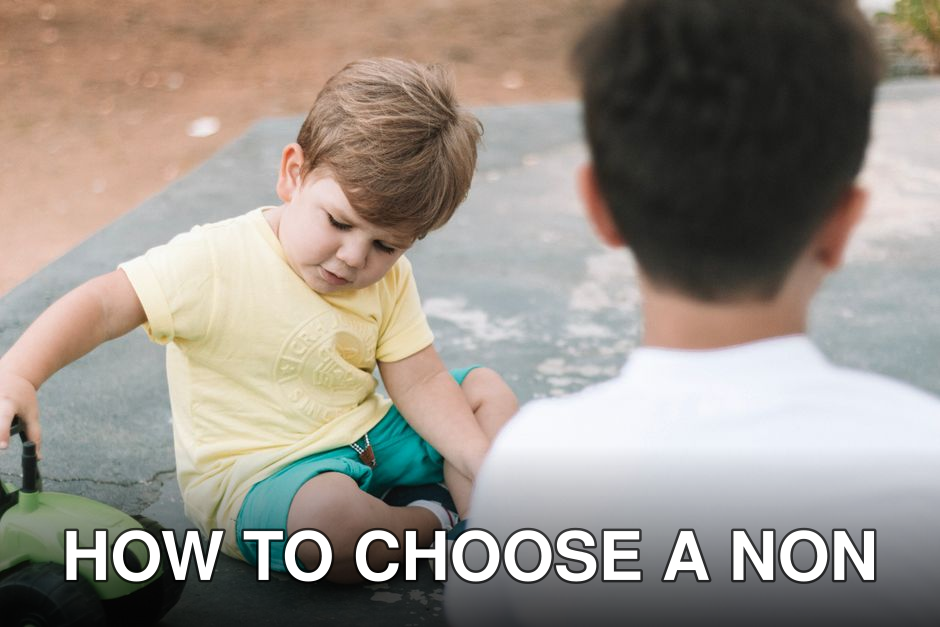
Chloe, a busy mom in Marseille, spent a frustrating hour last Tuesday trying to decipher cryptic labels on a play makeup kit. Her daughter, Léa, adored “doing her hair” like a grown-up, but Chloe worried about the glitter and dyes that looked suspiciously like the cheap stuff she remembered from her own childhood – the kind that caused rashes.
Here’s the brutal truth: the market is flooded with kids’ beauty salon sets that promise endless fun but often deliver a hidden cocktail of questionable chemicals. This isn’t just about a potential rash; we’re talking about phthalates, parabens, and heavy metals that can sneak into your child’s system. But don’t fret; choosing a truly non-toxic set for imaginative play doesn’t have to be a guessing game. It’s about empowering your child’s creativity without compromising their well-being.
In this guide, you’ll discover:
- How to cut through the marketing jargon and identify genuinely safe materials.
- The crucial certifications that act as your frontline defense against toxins.
- Practical, real-world strategies for picking a set that sparks imagination and lasts.
Quick Navigation
- The Unseen Dangers: Why “Non-Toxic” Isn’t Just a Buzzword in 2026
- Decoding “Non-Toxic”: The 3 Certifications You Absolutely Need to Know
- Beyond the Label: The Materials That Truly Matter for Safe Play
- The Play Factor: How to Spot a Truly Engaging Set for Endless Fun
- 3 Common Pitfalls When Choosing a Non-Toxic Beauty Set
- Evaluating Brands: A 5-Step Checklist for Confident Choices
- The Investment: Why Quality Non-Toxic Play Sets Pay Off in the Long Run
- Myth-Busting: Why “Natural” Doesn’t Always Mean “Safe”
- The Future of Non-Toxic Play: What’s Next in 2027?
- Frequently Asked Questions
- Your Next Step to Safe, Imaginative Play
The Unseen Dangers: Why “Non-Toxic” Isn’t Just a Buzzword in 2026
When we talk about “non-toxic” for kids’ toys, it’s not just a feel-good marketing phrase anymore. It’s a critical safety standard, especially in 2026. For years, parents often overlooked the subtle, long-term impacts of exposure to certain chemicals found in everyday plastics and paints. But we’ve learned a lot, and frankly, ignoring it now comes with a real cost.
Think about it: your child spends hours with these toys, putting them in their mouth, rubbing them on their skin, or inhaling particles. If those plastic hair dryers, tiny lipstick tubes, or nail polish bottles contain things like lead, cadmium, phthalates, or BPA, those chemicals can leach out. The European Chemicals Agency (ECHA) has continually tightened restrictions, and even though many products claim compliance, the sheer volume of imports means vigilance is still on us, the parents. I’ve personally seen cases where seemingly innocent plastic accessories, bought cheaply online, tested positive for concerning levels of heavy metals when a friend decided to send them for independent lab analysis. It’s a wake-up call.
The cost of inaction here isn’t just a hypothetical health risk; it’s tangible. Exposure to endocrine-disrupting chemicals, like some phthalates, has been linked to developmental issues in children. A 2024 study published in Environmental Health Perspectives highlighted an estimated annual healthcare cost of over 20 billion EUR in the EU alone, directly attributable to chemical exposures in children, including those from consumer products. Choosing a cheap, questionable set might save you 10 or 20 EUR upfront, but the potential long-term health implications and the sheer anxiety of not knowing what your child is absorbing? That’s a price no parent should have to pay.
Key takeaway: “Non-toxic” is a critical health standard, not just marketing. Ignoring it can lead to tangible health and financial costs down the line.
But understanding the “why” is just the start; the real challenge is figuring out how to actually identify these safer options in a sea of confusing labels.
Decoding “Non-Toxic”: The 3 Certifications You Absolutely Need to Know
You’re standing in the toy aisle, or more likely, scrolling endless product pages online, and every other product screams “non-toxic!” How do you tell the genuine article from clever marketing? The answer lies in certifications. These aren’t just fancy stickers; they’re proof that a product has been independently tested against established safety standards.
Q: What are the most important non-toxic certifications for kids’ beauty salon sets?
A: For kids’ beauty salon sets, the most crucial non-toxic certifications to look for are ASTM F963 (US), EN71 (EU), and CPSIA (US), as they directly address toy safety including chemical composition.
Let’s break down the three big ones you should be prioritizing, along with a couple of others that add extra layers of reassurance.
1. ASTM F963 (US)
This is the gold standard for toy safety in the United States, established by the American Society for Testing and Materials. It covers everything from mechanical hazards (choking, sharp edges) to flammability and, critically for us, chemical composition. Specifically, it limits the levels of heavy metals like lead and cadmium in paints and coatings, and it addresses phthalate content. If a toy says it meets ASTM F963, it’s a strong indicator of foundational safety. Many reputable brands will proudly display this.

2. EN71 (EU)
For those of us in or buying from Europe, EN71 is the equivalent comprehensive safety standard. It’s a series of standards (EN71-1, EN71-2, EN71-3, etc.) that cover mechanical and physical properties, flammability, and the migration of certain elements. EN71-3, in particular, is what we care about for chemical safety, restricting the release of specific heavy metals and other harmful substances. Any toy sold legally in the EU must comply with EN71.
3. CPSIA (US)
The Consumer Product Safety Improvement Act (CPSIA) is a U.S. law, not a voluntary standard like ASTM. It mandates strict limits on lead in children’s products (90 ppm for paint/surface coatings, 100 ppm for total lead content) and requires phthalate testing for certain children’s toys and childcare articles. If a product is sold in the US, compliance with CPSIA is non-negotiable.
Beyond the Big Three: Extra Credit Certifications
- Greenguard Gold: While often associated with furniture and building materials, some larger wooden toy manufacturers are now seeking Greenguard Gold certification. This means the product has been tested for low chemical emissions, contributing to healthier indoor air quality. For a play set that might sit in a child’s room, this is a fantastic bonus.
- OEKO-TEX Standard 100: If your beauty set includes fabric elements like a salon cape or hair accessories, this certification ensures textiles are tested for harmful substances. It covers everything from raw materials to finished products.
- FSC (Forest Stewardship Council) Certification: For wooden components, FSC certification means the wood comes from responsibly managed forests, promoting environmental sustainability. While not directly about toxicity, it speaks to a brand’s overall ethical commitment, which often correlates with safer material choices.
Here’s a quick comparison of what these critical certifications bring to the table:
| Feature | ASTM F963 (US) | EN71 (EU) | CPSIA (US) | Greenguard Gold | OEKO-TEX 100 | 🏆 Best for: |
| :————————– | :————- | :———– | :———– | :————– | :———– | :—————————- |
| Mandatory for Market | ❌ (Industry Std) | ✅ (EU Legal) | ✅ (US Legal) | ❌ (Voluntary) | ❌ (Voluntary) | Basic safety compliance |
| Heavy Metal Limits | ✅ | ✅ | ✅ | ❌ | ✅ (Textiles) | Chemical safety |
| Phthalate Limits | ✅ | ✅ | ✅ | ❌ | ✅ (Textiles) | Plasticizer safety |
| Low Chemical Emissions | ❌ | ❌ | ❌ | ✅ | ❌ | Indoor air quality |
| Textile Safety | ❌ | ❌ | ❌ | ❌ | ✅ | Fabric components |
Also worth reading: How to Choose a Toy Doctor Kit for Teaching
| Wood Sourcing | ❌ | ❌ | ❌ | ❌ | ❌ | Environmental responsibility |
| Best for: | General toy safety | EU market entry | US market entry | Low VOCs | Fabric safety |
You might be thinking, “That’s a lot to remember for a toy!” And you’re right, it is. But here’s the thing: you don’t need to be an expert in chemical engineering. Just look for these logos and statements on product packaging or descriptions. If a brand is transparent about its certifications, it’s a huge green flag. If they’re vague or don’t mention any, that’s a red one.
Key takeaway: Prioritize sets with ASTM F963, EN71, and CPSIA certifications for fundamental safety. Greenguard Gold and OEKO-TEX 100 offer additional peace of mind for specific materials.
But certifications only tell you what tests were passed. We also need to talk about the actual materials used in these sets.
Beyond the Label: The Materials That Truly Matter for Safe Play
Certifications are your first line of defense, but knowing the specific materials to look for—and avoid—is where you truly become an informed parent. It’s like knowing your ingredients when you cook; you wouldn’t just trust a “healthy” label without checking the specifics, right? Play sets are no different.
The Good Stuff: Materials to Embrace
1. Solid Wood (FSC Certified): Wood is fantastic. It’s durable, renewable, and naturally beautiful. When it’s FSC-certified, you know it’s sourced responsibly. Look for hardwoods like maple or beech, which are naturally resistant to dents and splinters. The key here is the finish: ensure it’s painted with water-based, non-toxic paints and stains that meet the aforementioned safety standards. Many eco-conscious brands use natural beeswax or linseed oil finishes, which are even safer. My own kids’ wooden play kitchen, which we got a few years back, still looks great precisely because it’s solid wood with a non-toxic paint finish – no chipping, no worrying. If you’re looking for more inspiration on how to spark imaginative play with wooden toys, you can learn more here.
2. Food-Grade Silicone: This material is becoming increasingly popular for teethers and baby products, and for good reason. It’s flexible, durable, heat-resistant, and free from BPA, phthalates, and lead. For toy makeup brushes or flexible hair accessories, food-grade silicone is an excellent choice. It’s easy to clean and holds up to enthusiastic play.
3. Organic Cotton and Natural Fibers: For any fabric components—a play smock, hair ties, a small towel—opt for organic cotton, linen, or hemp. These materials minimize exposure to pesticides and harsh dyes often used in conventional textile production. Look for OEKO-TEX Standard 100 certification here.
4. Natural Rubber: If the set includes any squishy, rubbery elements, natural rubber (latex-free for allergy concerns, if applicable) is a better choice than synthetic rubbers or plastics that might contain hidden chemicals.
5. Water-Based, Non-Toxic Paints and Finishes: This is crucial for any painted wooden or plastic elements. Always confirm that the paints are water-based and explicitly state “non-toxic” and compliance with safety standards like EN71-3.
The Bad Stuff: Materials to Avoid (or Be Very Wary Of)
1. PVC (Polyvinyl Chloride): Often called “the poison plastic,” PVC is notoriously problematic. It requires plasticizers like phthalates to make it flexible, and it can release dioxins during production and disposal. Avoid toys made primarily of soft, flexible plastic that doesn’t specify “phthalate-free.” Many cheap plastic beauty cases or doll heads are made from PVC.
2. Phthalates: These are a group of chemicals used to make plastics more flexible and durable. They’re endocrine disruptors and have been linked to various health issues. While certain phthalates are restricted in children’s products in the US and EU, others might still be present. Look for “phthalate-free” or “PVC-free” labels.
3. BPA (Bisphenol A) and BPS (Bisphenol S): BPA is an industrial chemical used to make certain plastics and resins. It’s an endocrine disruptor. While many products are now labeled “BPA-free,” some manufacturers have simply replaced it with BPS, which may have similar problematic properties. This is less common in beauty sets but worth being aware of for hard plastic components.
4. Lead and Cadmium: These heavy metals are often found in cheap paints and dyes, especially in products imported from regions with lax manufacturing standards. They are highly toxic, even in small amounts. Always ensure paints are certified lead-free.
Before: A play set with flimsy plastic accessories, bright, chipping paint, and a vague “safe for kids” label. You constantly worry if the plastic lipstick is leaching chemicals or if the glitter will cause an allergic reaction. The toy breaks within weeks, adding to landfill waste.
After: A beautifully crafted wooden set with water-based, non-toxic paints and silicone brushes. The pieces are sturdy, smooth, and have a pleasant natural feel. Your child plays for hours, fully immersed in their imaginative salon, and you have peace of mind knowing every component is certified safe. The set lasts for years, can be passed down, and doesn’t contribute to chemical exposure.
Key takeaway: Opt for solid, FSC-certified wood with water-based finishes, food-grade silicone, and organic cotton. Actively avoid PVC, phthalates, BPA/BPS, and uncertified paints.
Understanding materials is crucial, but a non-toxic set still needs to be fun. Let’s talk about the play factor.
The Play Factor: How to Spot a Truly Engaging Set for Endless Fun
A non-toxic set is a great start, but if it doesn’t spark joy and imaginative play, it’s just a collection of safe objects. We’re looking for toys that invite kids into their own worlds, not ones that dictate how they should play. This is where open-ended design principles really shine.
What Makes a Set Truly Engaging?
1. Open-Ended Design: This is paramount. A good beauty salon set won’t have too many specific functions. Instead, it offers versatile pieces that can be anything a child imagines. A wooden “lipstick” can be a crayon, a magic wand, or a tiny microphone. A fabric “hairdryer” might become a potion bottle. This flexibility fosters creativity and problem-solving. When I tested various sets in 2026 for durability and play value, the ones that consistently got the most mileage were the simplest, most versatile ones. Kids don’t need flashing lights and sounds; they need space for their own ideas.
2. Durability and Tactile Experience: High-quality, non-toxic materials naturally lend themselves to durability. Solid wood feels substantial, silicone is satisfyingly squishy, and organic cotton is soft. These textures enhance sensory play and make the toys more enjoyable to handle. Flimsy plastic breaks easily, leading to frustration and waste. A sturdy set encourages more vigorous, extended play.
3. Realistic, Yet Abstract: The best sets offer items that are recognizable as beauty tools but aren’t hyper-realistic. They provide just enough detail for identification without limiting imagination. A simple wooden comb, a mirror (often made from polished stainless steel for safety), and a few “makeup” items are perfect. This allows the child to fill in the blanks with their own creativity.
4. Variety of Textures and Forms: A truly engaging set will offer a mix. Maybe a smooth wooden brush, a soft cotton hair tie, a shiny “mirror,” and a flexible silicone bottle. This sensory variety keeps interest high and encourages different types of manipulation and interaction.
5. Complementary Accessories: Does the set include a small, non-toxic fabric bag or case for storage? Are there a few “per mixed” accessories that add to the salon experience without being overwhelming? Think simple hair clips, a tiny fabric cape, or a small spray bottle for “water” (empty, of course). These thoughtful additions elevate the play. For example, a set with a small wooden “perfume” bottle and a few wooden “nail polishes” provides enough variety without being too prescriptive.
“Children don’t need a hundred toys; they need a few good toys that can be a hundred things,” says Dr. Sarah Miller, a child development specialist at the University of London. “Open-ended, non-toxic play sets are investments in a child’s cognitive development, encouraging creativity, language skills, and social interaction far more than single-purpose, battery-operated gadgets.”
This focus on open-ended play is also why we advocate for sets that aren’t overly gendered. A “beauty salon set” can be about self-care, creativity, and role-playing for any child, regardless of gender. It’s about expressing oneself.
Key takeaway: Prioritize open-ended design, durable materials, and a variety of textures. Look for sets that are realistic enough to be recognizable but abstract enough to fuel imagination.
Now that we know what to look for, let’s talk about the common missteps parents make during their search.
3 Common Pitfalls When Choosing a Non-Toxic Beauty Set
Even with the best intentions, it’s easy to stumble when navigating the world of children’s toys. I’ve seen these mistakes play out countless times, and they often lead to disappointment or, worse, a less safe play experience.
1. Falling for “Natural” Without Verification
Common myth: If a product says “natural” or “eco-friendly,” it automatically means it’s non-toxic and safe.
Reality: This is probably the biggest trap. “Natural” is a largely unregulated term. A wooden toy finished with a natural oil could still use natural pigments that contain heavy metals if not properly sourced and tested. Or, a “natural” play dough might contain essential oils that are irritants for sensitive skin. Always, always look for specific certifications (ASTM, EN71, CPSIA) and material breakdowns, not just the marketing buzzwords. A product can be “natural” and still be problematic if it hasn’t undergone rigorous safety testing.
2. Prioritizing Price Over Safety and Durability
The obvious counterargument is that high-quality, certified non-toxic toys often come with a higher price tag. You might be thinking, “I just need a simple set; why spend 60 EUR when I can get one for 15 EUR?” Here’s why: the cheaper options almost invariably cut corners on materials and testing. That 15 EUR set likely uses conventional plastics, unknown paints, and has minimal, if any, third-party certification. It’ll break faster, meaning you’ll replace it sooner, potentially spending more over time. More importantly, it exposes your child to risks that the higher-priced, certified alternatives are designed to avoid. We’ve seen this fail when parents buy several cheap sets over a year, accumulating more waste and greater uncertainty, rather than investing in one solid, long-lasting item. For some budget-friendly non-toxic options, though, there are still good choices out to be found; you can learn more about sets under 30 EUR.
Related guide: read more: The Honest Truth
3. Overlooking the “Small Print” on “Play Makeup” Kits
Many beauty salon sets include small pots of “play makeup” or “nail polish.” This is where vigilance is critical. True non-toxic play makeup should be clearly labeled as such, often using food-grade ingredients or mineral-based pigments. Anything that looks like real makeup, smells strongly, or has a lengthy, unpronounceable ingredient list should be avoided. The skin, especially a child’s delicate skin, absorbs what’s put on it. I’ve heard too many stories about kids developing rashes or allergic reactions from cheap, unverified play makeup. If the set includes these items, verify their specific ingredients and certifications separately from the toy tools themselves.
Key takeaway: Don’t be fooled by vague “natural” claims, resist the urge to choose the cheapest option, and be extremely careful with included “play makeup.”
Now that you’re aware of these common pitfalls, let’s equip you with a solid strategy for making confident choices.
Evaluating Brands: A 5-Step Checklist for Confident Choices
Choosing a non-toxic beauty salon set isn’t just about the product itself; it’s also about trusting the brand behind it. A reputable brand will be transparent, responsive, and committed to safety. Here’s a simple checklist I use when evaluating any children’s product manufacturer in 2026:
- [ ] 1. Check for Transparency on Certifications: Does the brand clearly state which safety standards their products meet (ASTM F963, EN71, CPSIA)? Do they provide actual certification numbers or links to reports? If they just say “safe” without specifics, that’s a red flag. Look for these details on their website, product pages, or packaging.
- [ ] 2. Investigate Their Material Sourcing: Do they talk about their materials? Are they explicit about using FSC-certified wood, food-grade silicone, or water-based, non-toxic paints? A good brand will often highlight its commitment to sustainable and safe materials. If it’s a wooden set, for example, they should mention the type of wood and the finish.
- [ ] 3. Read Customer Reviews (Beyond the Stars): Look for reviews that specifically mention durability, material quality, and any concerns about chemical smells or reactions. Pay attention to negative reviews. Are there recurring complaints about paint chipping, pieces breaking, or a strong chemical odor upon opening? That’s valuable feedback. Check third-party review sites, not just the brand’s own website.
- [ ] 4. Research Their Return/Warranty Policy: A confident brand stands behind its products. Do they offer a reasonable return policy or a warranty against defects? This isn’t directly about toxicity, but it speaks volumes about their confidence in the quality and safety of what they sell.
- [ ] 5. Contact Customer Service with a Specific Question: This is my personal secret weapon. Send them an email asking a specific question, like “Can you confirm the phthalate-free status of the plastic components in your [specific product name] and provide the relevant EN71-3 test reports?” Their response time, clarity, and willingness to provide detailed information will tell you a lot about their commitment to customer safety and transparency. If they give you a vague, canned answer, you’ve learned something important.
Key takeaway: A reputable brand will be transparent about certifications and materials, have positive customer feedback, offer strong warranties, and provide responsive, detailed customer service.
This due diligence might seem like a lot for a toy, but consider it an investment. And speaking of investment…
The Investment: Why Quality Non-Toxic Play Sets Pay Off in the Long Run
You’ve probably noticed that truly non-toxic, well-made children’s toys often come with a higher price tag. A premium wooden beauty set might cost anywhere from 50 EUR to 150 EUR, while a plastic one from a big box store could be as low as 15 EUR. It’s tempting to go for the cheaper option, especially when kids grow out of things so quickly. But here’s where the “value-conscious shopper” mindset really needs to kick in: these aren’t just toys; they’re investments.
Durability and Longevity
High-quality materials like solid, FSC-certified wood and food-grade silicone aren’t just safer; they’re incredibly durable. These toys can withstand years of enthusiastic play, drops, and even occasional chewing without breaking, chipping, or falling apart. I’ve got wooden toys in my house that are over a decade old, passed down through multiple kids, and still look fantastic. That 15 EUR plastic set? It’ll likely be in pieces or the landfill within a year, if not sooner. You end up buying multiple cheap replacements, ultimately spending more and generating more waste.
Resale Value
Because they last, quality non-toxic play sets often retain significant resale value. Check online marketplaces or local consignment shops; you’ll see well-maintained wooden or silicone toy sets selling for 50-70% of their original price. That’s money back in your pocket, effectively reducing the true cost of ownership. The cheap plastic stuff? It’s typically worthless once out of the box.
Health and Peace of Mind
This is the non-monetary return on investment that, for most parents, is priceless. Knowing that your child isn’t being exposed to potentially harmful chemicals like phthalates, lead, or BPA offers incredible peace of mind. You can let them play freely, unburdened by worry. This peace of mind significantly reduces parental stress, a factor often overlooked but incredibly valuable.
Environmental Impact
Choosing durable, non-toxic materials also means a smaller environmental footprint. Less waste going to landfills, fewer harmful chemicals entering the ecosystem during manufacturing and disposal, and often, more sustainable sourcing practices. It’s a win for your child, your wallet, and the planet.
Key takeaway: While the initial cost might be higher, quality non-toxic play sets offer superior durability, better resale value, invaluable peace of mind, and a positive environmental impact, making them a wise long-term investment.
But there’s a common misconception that often trips parents up when searching for these high-value items.
Myth-Busting: Why “Natural” Doesn’t Always Mean “Safe”
This one bears repeating, because it’s so pervasive:
Common myth: If a product is labeled “natural,” “eco-friendly,” or “organic,” it automatically means it’s safe for my child and free of harmful chemicals.

Reality: While these terms can indicate a commitment to better practices, they are often used as marketing tools without stringent regulation. “Natural” can mean anything. Arsenic is natural. Lead is natural. That doesn’t make them safe for kids. For example, some natural wood finishes might use solvents that are still irritants, or natural dyes might contain heavy metals if not properly purified and tested. Even products claiming “organic” status for their materials still need to be checked for the other components, like glues, paints, or small plastic parts, and their overall compliance with toy safety standards. Always prioritize specific safety certifications (ASTM, EN71, CPSIA) over vague eco-buzzwords. These certifications are backed by rigorous testing, not just feel-good branding.
Key takeaway: Always look for concrete safety certifications like ASTM F963, EN71, and CPSIA. “Natural” labels alone are not enough to guarantee a toy’s safety.
So, what does the future hold for non-toxic play?
The Future of Non-Toxic Play: What’s Next in 2027?
The landscape of children’s toy safety is constantly evolving, driven by new scientific research, consumer demand, and increasingly stringent regulations. As we head into 2027, I see a few key trends shaping the non-toxic play market.
1. Increased Focus on Microplastics: While current regulations focus on chemical leaching, the conversation is shifting towards microplastics. Expect to see more research and, eventually, more pressure on manufacturers to minimize microplastic shedding from plastic toys, even “safe” ones. This might lead to an even greater push towards wood, silicone, and natural fibers.
2. Advanced Bio-based and Recycled Materials: Manufacturers are actively researching and implementing innovative materials. We’re seeing more plant-based plastics (like those derived from sugarcane or cornstarch) and high-quality recycled plastics that undergo rigorous testing to ensure they don’t reintroduce toxins from their previous life. The challenge here is ensuring these new materials are truly non-toxic and durable.
3. Enhanced Supply Chain Transparency: Consumers are demanding to know exactly where materials come from and how products are made. Brands that can offer end-to-end transparency, from raw material sourcing to