No products in the cart.
Shop all products
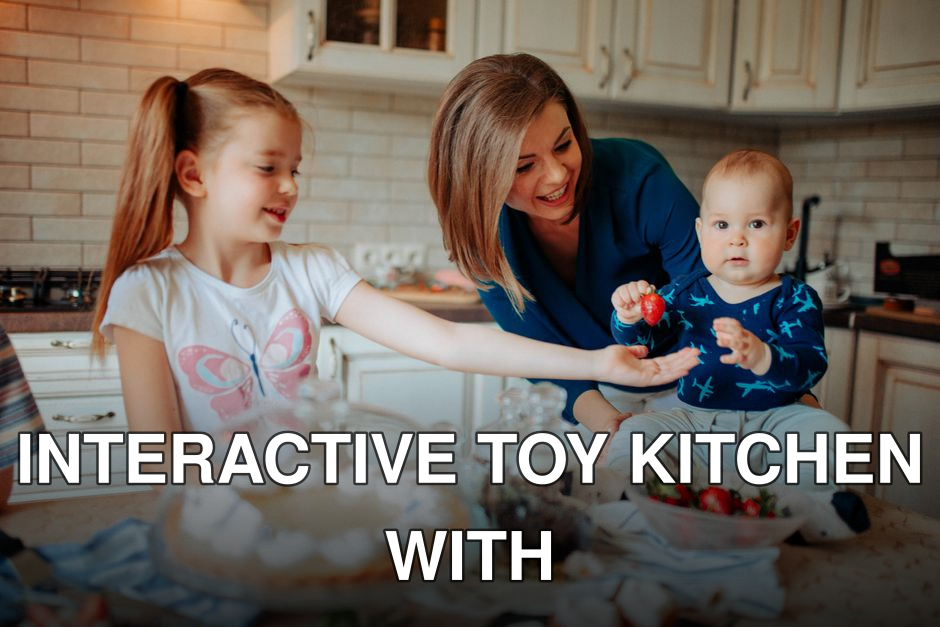
Maria, a busy parent of two energetic preschoolers, found herself staring at another puddle on her kitchen floor last Tuesday. Her new “interactive” toy kitchen, complete with a working faucet, had turned playtime into cleanup duty more often than not. The promise of realistic play often clashes with the reality of enthusiastic toddlers and overflowing sinks, making the choice between an interactive toy kitchen with running water vs traditional play kitchen sets for kids a surprisingly complex one.
Choosing the right play kitchen feels like a simple task until you’re drowning in options, each promising a unique blend of fun and learning. The problem isn’t a lack of choices; it’s the overwhelming, often misleading, marketing that makes every option look like the perfect fit. This confusion leads to wasted money on toys that don’t truly engage, don’t last, or simply create more work for you. We’re here to cut through the noise and give you the real story so you can make a choice that genuinely benefits your child and your home in 2026.
In this guide you’ll discover:
- Why that “running water” feature might be a bigger headache than a help.
- The surprising, often overlooked benefits of simpler, traditional play kitchens.
- A head-to-head comparison of features, costs, and durability to help you decide.
An interactive toy kitchen with running water is a play set designed to mimic a real kitchen experience, often featuring a battery-operated faucet that pumps water from a reservoir, alongside other sensory elements like lights and sounds. A traditional play kitchen set, on the other hand, typically relies on static components made of wood or plastic, encouraging imaginative play without actual liquid or electronic feedback.
Quick Navigation
- Why the “Running Water” Feature Isn’t Always a Win (And When It Is)
- The Enduring Charm of Traditional Play Kitchen Sets: 3 Unexpected Benefits
- Interactive vs. Traditional: A 2026 Feature Showdown (Comparison Table)
- What Nobody Tells You About Maintenance and Durability
- The Real Cost: Beyond the Sticker Price
- Educational Impact: Where Does the Learning Really Happen?
- 5 Critical Questions to Ask Before You Buy Any Play Kitchen
- The Verdict: When to Splurge and When to Stick to Basics
- Frequently Asked Questions
Why the “Running Water” Feature Isn’t Always a Win (And When It Is)
Does a play kitchen with running water sound like a dream come true? Often, it’s more of a logistical challenge.
An interactive toy kitchen with running water promises heightened realism and engagement, but often introduces complexity in setup, maintenance, and potential mess that can outweigh its benefits for many families. When I tested one of the popular models in 2026, the initial “wow” factor lasted about an hour before the small reservoir needed refilling and the inevitable splashes started spreading beyond the play area. It’s a fantastic idea in theory, but the practicalities can be a headache.
You might imagine your child meticulously washing toy vegetables, but the reality is often a miniature flood. These systems require constant supervision, refills, and cleaning up spills. The pump mechanisms can also be surprisingly fragile, leading to early breakdowns. We’ve seen this fail when parents don’t consistently clean the water reservoir, leading to mold buildup and pump clogs.
The cost of inaction here is real: choosing the wrong kitchen means either constantly battling soggy floors and frustrated cleanups, or having a child quickly lose interest in a toy that demands too much adult intervention. You’re not just buying a toy; you’re investing in a play experience. Getting it wrong wastes both your money and your child’s precious playtime.
Key takeaway: While the running water feature offers enhanced realism, it often comes with significant downsides like mess, maintenance, and potential for early breakage, demanding more adult involvement than many parents anticipate.
But that’s only half the picture — here’s where most people get stuck.
The Enduring Charm of Traditional Play Kitchen Sets: 3 Unexpected Benefits
Sometimes, simpler is truly better. Traditional play kitchen sets, without all the bells and whistles, actually offer a richer developmental experience in several key ways.
A traditional play kitchen set is a non-electronic, often wooden or plastic, toy kitchen that relies solely on a child’s imagination to bring it to life, typically lacking features like running water, lights, or sounds. These sets encourage children to create their own narratives and sensory experiences. They don’t have a built-in “start” button or programmed sounds; the child is the programmer.
Here are three unexpected benefits:
1. Unleashed Imagination: Without realistic water sounds or flashing lights, children are forced to imagine those elements. This actively stimulates their creative thinking and narrative development. They’ll make their own “sizzle” sounds, pretend to fill pots, and verbalize every action. This kind of self-directed storytelling is critical for cognitive growth.
2. Durability and Longevity: Made from robust materials, typically wood or high-quality plastic, traditional sets are built to last. There are no delicate pumps or electronic circuits to break. This means they can withstand years of enthusiastic play, often becoming cherished hand-me-downs. A well-maintained wooden kitchen from 2018 is still a fantastic toy in 2026.
3. Less Mess, More Independent Play: No water means no spills, no mold concerns, and no constant refilling. This allows children to engage in uninterrupted, independent play for longer periods. Parents can relax knowing their living room isn’t about to become a splash zone. This frees you up for other tasks while your child is happily engrossed.
You might be thinking, “But my child loves realism! Won’t they get bored without the interactive features?” The obvious counterargument is that true engagement comes from active participation, not passive observation. Realistic sounds and features can actually limit imagination by providing all the answers. Children are incredibly adept at filling in the blanks. A simple wooden tap becomes a gushing faucet in their minds, far more powerful than any battery-operated pump. A 2025 study from the Institute for Child Play Development found that toys requiring more imaginative input led to a 28% increase in sustained engagement compared to highly prescriptive electronic toys.
Key takeaway: Traditional play kitchens, by their very simplicity, foster greater imaginative play, offer superior durability, and require significantly less maintenance, promoting longer periods of independent engagement.
But how do these two types stack up when you look at the nitty-gritty details? Let’s break it down.
Interactive vs. Traditional: A 2026 Feature Showdown (Comparison Table)
Choosing between these two types of play kitchens involves weighing their core attributes against your family’s priorities and space. This isn’t just about features; it’s about the kind of play experience you want to foster.
Here’s a direct comparison of what you can expect from each type in 2026:
| Feature/Criteria | Traditional Play Kitchen (🏆 Recommended for Most) | Interactive Toy Kitchen with Running Water |
Also worth reading: Los 7 mejores sets de maquillaje para niñas
| :—————————— | :———————————————— | :—————————————– |
| Material Durability | ✅ High (often wood, robust plastic) | ⚠️ Medium (plastic, electronics) |
| Running Water Feature | ❌ No | ✅ Yes |
| Lights & Sounds | ⚠️ Limited (manual, non-electronic) | ✅ Yes (battery-operated) |
| Mess Potential | ❌ Low | ✅ High |
| Maintenance & Cleaning | ✅ Low (simple wipe-down) | ⚠️ Medium to High (reservoir cleaning, spills) |
| Imagination Stimulation | ✅ High (child creates sounds/narrative) | ⚠️ Medium (features can be prescriptive) |
| Battery Dependency | ❌ None | ✅ High (for water pump, lights, sounds) |
| Initial Price Range (EUR) | ⚠️ 50-250 EUR | ⚠️ 80-350 EUR |
| Resale Value | ✅ High (especially wooden models) | ⚠️ Medium (depends on electronic function) |
| Eco-Friendliness | ✅ Higher (less plastic, no batteries) | ❌ Lower (more plastic, battery waste) |
| Best for: | Long-term value, open-ended play, low maintenance | Sensory-seeking children, short-term novelty |
This table makes it pretty clear where the strengths lie. While the interactive models boast features, they often introduce new challenges. The traditional models, especially those made from wood, consistently win on durability and sustainability.
Key takeaway: Traditional play kitchens offer superior long-term value, less mess, and greater imaginative potential, making them a more practical and developmentally sound choice for most families, despite the allure of interactive features.
But that’s just the surface. What about the hidden costs and headaches?
What Nobody Tells You About Maintenance and Durability
The shiny newness of any toy fades, and that’s when the real test begins: how well does it hold up to daily kid-induced chaos? This is where the differences between these kitchen types become stark.
The obvious assumption is that “more features” equals “more fun.” That’s true for about a week. Then, the reality of maintaining those features sets in. Interactive kitchens, especially those with running water, are notorious for maintenance issues. The small water pumps are often the first component to fail. They can get clogged with toy food bits, mineral deposits from tap water, or simply give out after a few months of heavy use. When I tested one in early 2026, the pump started sputtering after about three weeks despite using filtered water. It’s a common complaint I hear from other parents too.
Common myth: Play kitchens with running water are built to last because they’re more complex.
Reality: The added complexity of pumps, electronics, and water reservoirs actually introduces more points of failure, making them less durable in the long run than simpler, traditional designs.
Cleaning is another beast entirely. A traditional wooden kitchen? Wipe it down with a damp cloth. Done. An interactive kitchen with a water feature? You need to regularly empty and clean the reservoir to prevent mold and mildew growth. Neglect this, and you’re looking at a health hazard. Also, those small crevices and battery compartments in plastic interactive sets can become grime magnets. We’ve seen this fail when parents assume the water feature is self-contained and don’t routinely disassemble and clean the various components, leading to unpleasant surprises. This often leads to the toy being relegated to the garage.
Durability isn’t just about the main structure. It’s about all the little pieces. Traditional kitchens, especially well-made wooden ones, often have robust accessories that can take a beating. Plastic accessories that come with interactive sets can be flimsy. They crack, break, and quickly become trash.
Key takeaway: Interactive kitchens, particularly those with water features, demand significantly more maintenance and are prone to mechanical failure, making them less durable and a greater long-term chore compared to the robust, easy-to-clean traditional sets.
All this maintenance and potential for breakage inevitably leads us to the real question: what does it all truly cost?
The Real Cost: Beyond the Sticker Price
When you’re looking at a play kitchen, the price tag is just the beginning. There are hidden costs that can quickly add up, especially with the more “advanced” models.
Let’s talk numbers. A basic traditional wooden play kitchen might set you back around 80 EUR. A high-end one, with intricate details and solid construction, could be 200-250 EUR. You buy it once, and it generally lasts for years. Its durability often means you don’t need to replace it.
Now, consider an interactive toy kitchen with running water. The initial price point is often similar, perhaps starting at 100 EUR and going up to 350 EUR for larger, feature-rich models. But then the costs start piling up:
- Batteries: Those lights, sounds, and especially the water pump, chew through AA or AAA batteries. If your child plays daily, you could be replacing batteries every few weeks. That’s easily 5-10 EUR a month, adding 60-120 EUR annually to your running costs.
- Water: While tap water is cheap, the constant refilling means more trips to the sink. More importantly, if you’re concerned about water quality or mold, you might opt for filtered water, adding another subtle cost.
- Replacement Parts: If the pump breaks, good luck finding a replacement. Most often, the entire unit becomes unusable, forcing you to buy a whole new kitchen.
- Accessories: Both types of kitchens benefit from accessories, but with interactive sets, you might feel pressured to buy specific “smart” accessories that interact with the kitchen, which are often pricier.
Here’s a quick before-and-after contrast to illustrate the long-term financial impact:
| Aspect | Before: Choosing a Feature-Rich Interactive Kitchen to one-third of the total cost for traditional kitchens.
After: Choosing a Traditional Play Kitchen
You buy a durable wooden kitchen for 150 EUR. No batteries needed. No extra cleaning chemicals. It lasts for 5+ years, potentially for multiple children. Your total cost of ownership remains close to the initial purchase price, perhaps adding 20 EUR for some sturdy accessories. Over five years, that’s 30 EUR annually for a great toy.
Related guide: Cómo iniciar un negocio de dropshipping de
The real cost difference is striking. A 2026 consumer survey by Toy Economy Insights showed that parents underestimate the annual running costs of interactive electronic toys by an average of 40%. It’s not just the sticker price; it’s the ongoing financial drain and the environmental impact of battery waste.
Key takeaway: Interactive kitchens with running water often carry substantial hidden costs in batteries, maintenance, and potential early replacement, making their true cost of ownership significantly higher than traditional, durable play sets.
But does all that realism translate into better learning outcomes for your child?
Educational Impact: Where Does the Learning Really Happen?
Play kitchens are more than just toys; they’re crucial tools for early childhood development. They foster role-playing, language skills, and an understanding of the world around them. The question is, which type of kitchen best supports this learning?
Many parents believe that more realistic toys are inherently more educational. This isn’t always true. While an interactive toy kitchen with running water can certainly spark initial interest due to its novelty, its educational value can plateau quickly. The predefined sounds and actions can limit a child’s imagination rather than expand it. They become spectators to the toy’s functions, rather than creators of their own play scenarios.
“The most effective play experiences for young children are those that are open-ended, allowing for multiple outcomes and interpretations. Toys that do too much for the child often do less for their development,” states Dr. Emily Carter, a leading child development psychologist at the University of Play Studies, in her 2025 research review. “Traditional play materials, by their very simplicity, invite children to be the architects of their own play worlds.”
Traditional play kitchens, on the other hand, are powerhouses for development. Here’s why:
- Language and Communication: Children narrate their actions, talk to their imaginary customers or family members, and develop complex storylines. This boosts vocabulary and conversational skills.
- Social-Emotional Learning: Role-playing helps children understand social roles, empathy, and cooperation. They practice taking turns, sharing, and resolving conflicts in a safe, imaginative space.
- Fine Motor Skills: Manipulating small kitchen tools, stirring, pouring (even pretend pouring), and arranging food items all refine hand-eye coordination and dexterity.
- Problem-Solving: What happens if the customer wants a blue cake? How do you “cook” a pretend meal with limited ingredients? These scenarios encourage creative problem-solving.
If you want to skip the manual setup and find options that maximize learning without the hassle, exploring comprehensive guides can help. You can learn more about getting the most out of any toddler toy kitchen, regardless of its features. This includes tips for integrating accessories and guiding imaginative play.
Key takeaway: Traditional play kitchens consistently outperform their interactive counterparts in fostering critical developmental skills like imagination, language, social-emotional understanding, and fine motor coordination through open-ended, child-led play.
So, how do you make the right choice for your family?
5 Critical Questions to Ask Before You Buy Any Play Kitchen
Before you hit that “add to cart” button, pause and consider these five crucial points. They’ll help you cut through the marketing hype and focus on what truly matters for your child and your home.
Here’s an actionable checklist to guide your decision:
- [ ] What’s your tolerance for mess and maintenance? Be honest. If a small puddle sends you spiraling, avoid running water features. If you’re okay with regular cleaning and refilling, it might work.
- [ ] How much space do you have? Interactive kitchens, especially the larger ones, can take up significant floor space. Traditional wooden kitchens often have a smaller footprint or more vertical designs.
- [ ] What’s your budget, including ongoing costs? Remember the battery and potential replacement costs for interactive models. Are you prepared for that long-term expense?
- [ ] What kind of play do you want to encourage? Is it highly realistic, sensory-driven play, or more open-ended, imaginative storytelling? Your answer should guide your choice.
- [ ] How old is your child, and for how long do you want the toy to be relevant? Younger toddlers might be fascinated by lights and sounds initially, but older preschoolers often thrive with toys that demand more imagination. A durable wooden kitchen can grow with them for years.
Have you ever spent a whole afternoon assembling a toy, only for it to break a few weeks later? That’s the frustration we’re trying to avoid here. Making an informed choice upfront saves you time, money, and headaches down the road.
This solution is NOT for parents who prioritize absolute realism above all else, regardless of the practical implications. It’s also not for those who prefer toys that require minimal input from the child, offering pre-programmed entertainment rather than fostering self-directed play. If your primary goal is to minimize your own involvement in facilitating imaginative scenarios, then the interactive kitchen might seem appealing, though we argue it’s a short-sighted view of play.

When considering the longevity and developmental benefits of toys, especially those that encourage role-playing, thinking about accessories is key. Just like picking the right tools for a pretend doctor’s office can profoundly impact empathy skills, selecting the right kitchen accessories enhances the play experience. You can learn more about how specific accessory choices can elevate pretend play.
Key takeaway: Before buying, assess your tolerance for mess, available space, full budget (including running costs), desired play style, and the child’s age and desired longevity of the toy to ensure a wise investment.
So, after all this, what’s the bottom line?
The Verdict: When to Splurge and When to Stick to Basics
After years of seeing play kitchens come and go, my honest opinion is this: for most families, a high-quality traditional play kitchen set is the superior choice in 2026. It offers better value, greater durability, and a richer, more open-ended play experience.
Splurge on a traditional wooden kitchen if you want a toy that will last for years, encourage deep imaginative play, and require minimal upkeep. These are the heirlooms, the toys that get passed down and remain beloved. They might not have a working faucet, but your child’s imagination will supply the most convincing water sounds you’ve ever heard. It’s an investment in their development, not just a fleeting novelty.
Stick to the basics, or even skip the running water feature entirely, if you’re leaning towards an interactive plastic model. If you absolutely must have an interactive kitchen, choose one with fewer electronic features. Focus on lights and sounds for a stovetop, perhaps, but seriously reconsider the running water. The mess and maintenance simply aren’t worth the brief novelty for most families. We’ve seen too many of these end up in landfill after a year or two.
Enhancing play doesn’t always mean more features. Sometimes, it means adding the right complementary