
No products in the cart.
Shop all products
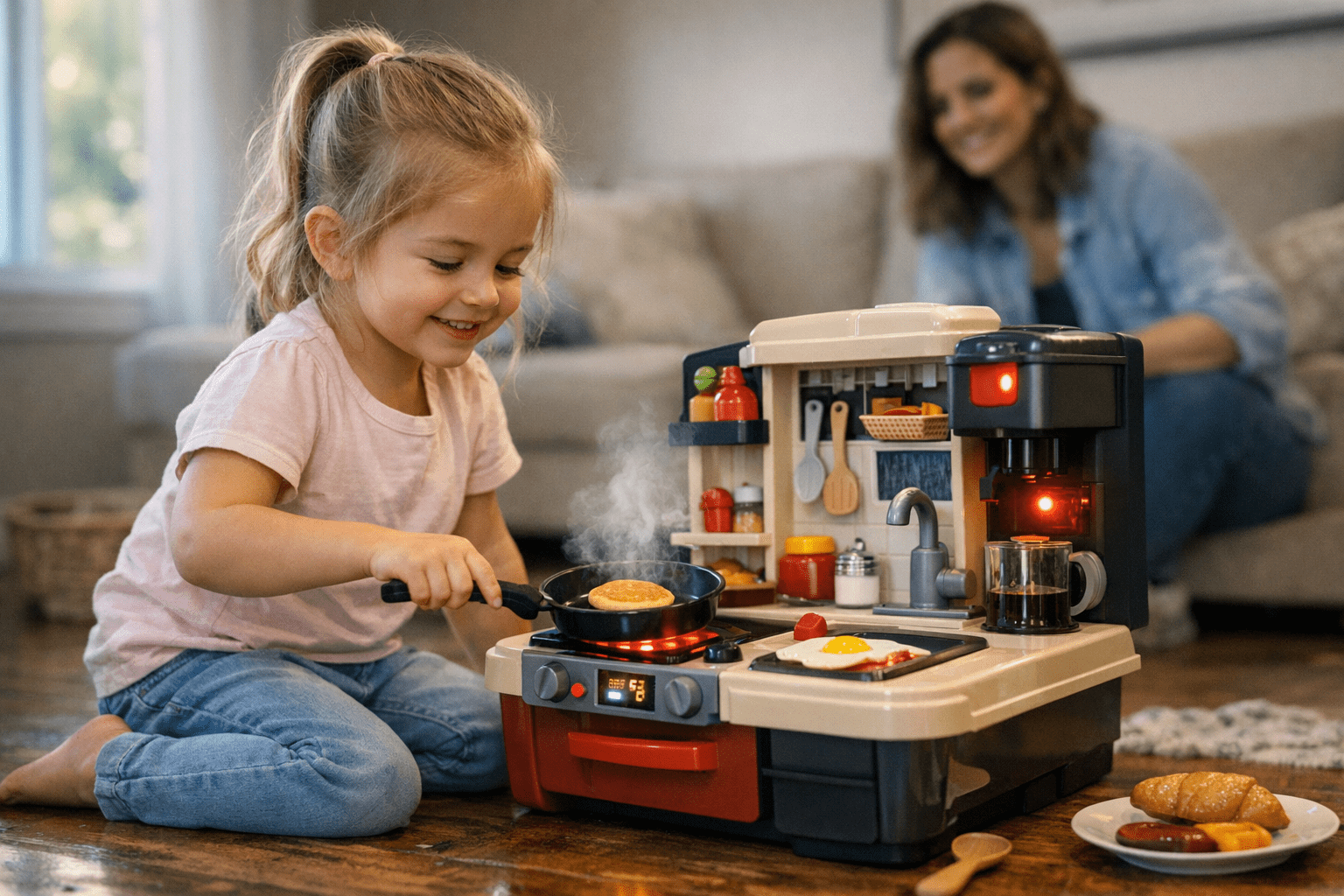
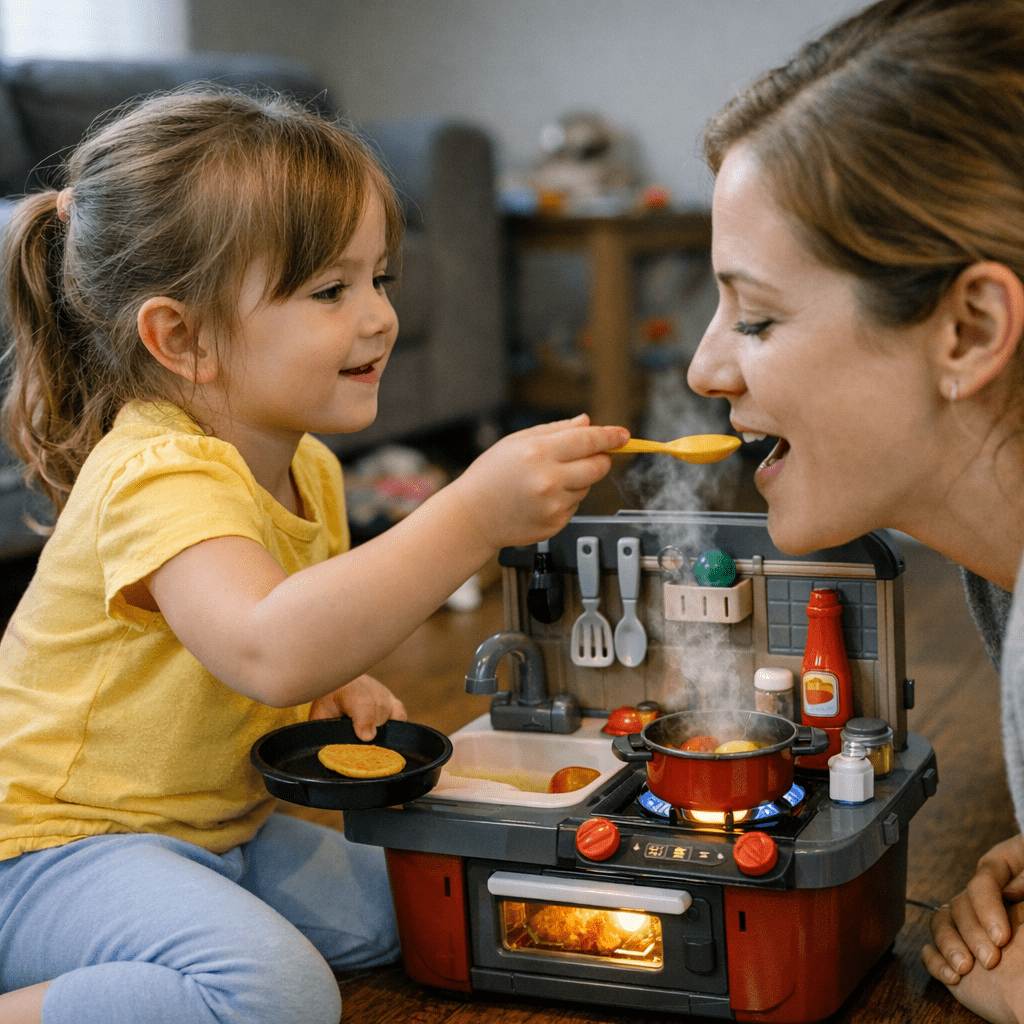
Picture this: your kid is kneeling on the floor, flipping imaginary pancakes, pretending to boil water, and calling you over for a “taste test” of their latest creation. It’s adorable—and chaotic. A kids’ kitchen playset can turn that raw imagination into structured role-playing fun. Add real lights and sounds? Now we’re talking next-level excitement. But here’s the challenge: how do you pick one that’s portable enough to lug around yet durable (and entertaining) enough to keep them interested for more than five minutes?
Let’s break it all down—what matters, what doesn’t, and where you might need to compromise. Trust me; I’ve been through the trial-and-error phase with my own kids.
—
Why Portability Matters More Than You Think
If you’ve ever tripped over a bulky play kitchen in your living room or had to pack one up for a weekend at grandma’s house, you already know why portability is key. Full-sized play kitchens are fantastic but nearly impossible to move without breaking your back—or your sanity. That’s where portable models come in handy.
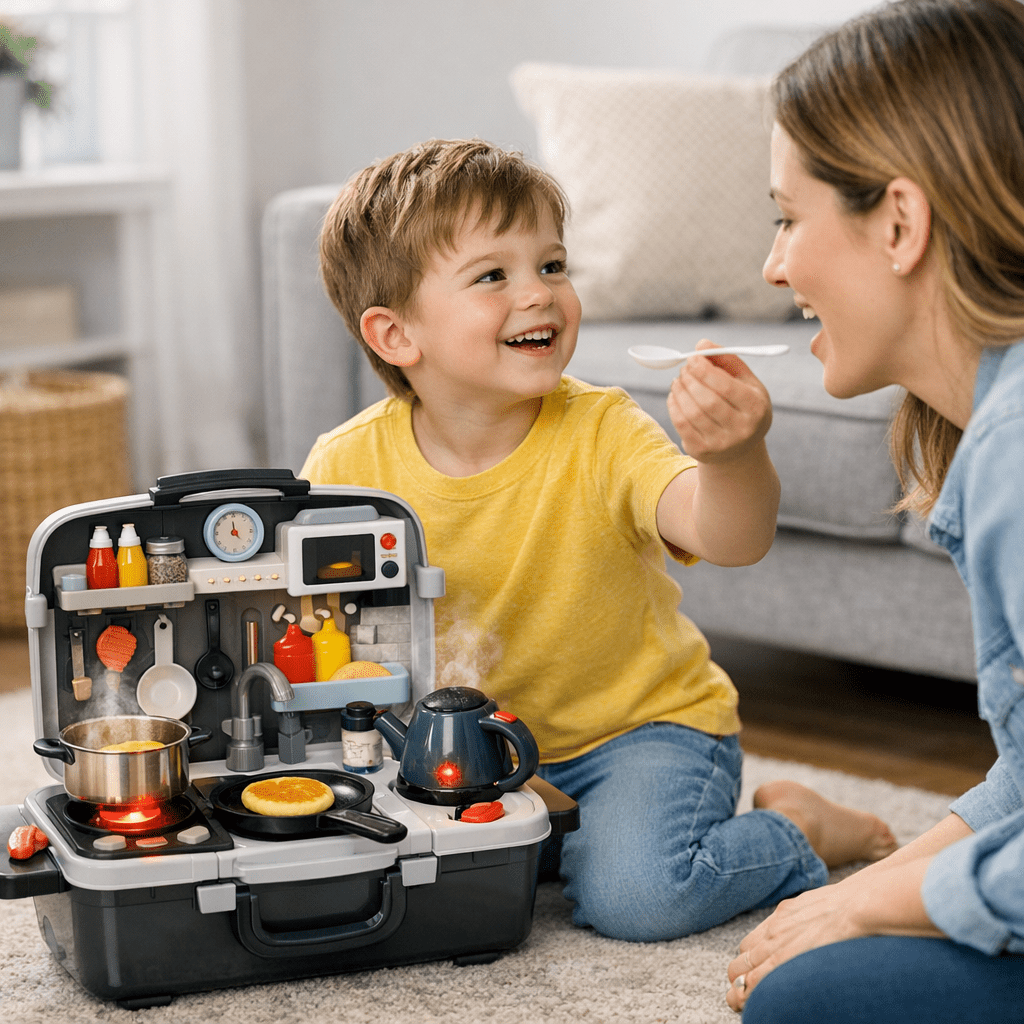
The best portable kitchen sets are compact when closed (think suitcase-shaped or foldable designs), lightweight enough for an adult or older child to carry easily, and quick to assemble/disassemble without needing an engineering degree. Look for designs that fold into self-contained cases with built-in handles—it’s like having a mini kitchen in a briefcase!
But here’s where it gets tricky: most portable sets sacrifice size and features for convenience. If the set is too small or flimsy, it might not hold your kid’s attention long-term.
—
What Makes Real Lights and Sounds Worth It?
Realistic lights and sounds aren’t just gimmicks—they elevate pretend play by making it feel more “real” for kids. A burner that glows red when they turn the knob or a sink that makes running water noises adds layers of sensory engagement. These features not only spark creativity but can also teach cause-and-effect relationships (e.g., turning the knob = glowing light).
However, not all lights-and-sounds systems are created equal. Some budget models use cheap LEDs or tinny sound speakers that die out after a few sessions—or worse, annoy everyone within earshot because they won’t shut off properly. Stick with sets powered by standard AA/AAA batteries rather than obscure button cells (you’ll thank me later when replacements are needed). Also, check reviews specifically mentioning how durable these electronic components are—kids aren’t exactly gentle!
—
Key Features You’ll Want to Look For
Here’s a checklist of must-haves when comparing different playsets:
1. Size When Open vs Closed
Some “portable” sets double in size once unfolded, which is great for playtime but can be frustrating if space is tight at home—or wherever you’re traveling with it. Check dimensions both ways before committing.
3-in-1 Princess Vanity Desk vs. Little Chef’s Deluxe Kitchen: Which Makes a Bett
2. Durability
Kids will slam doors, yank knobs, and probably sit on parts they shouldn’t (true story from my house). Look for sturdy materials like ABS plastic rather than thinner PVC options that tend to crack under pressure.
3. Interactive Features
In addition to lights and sounds, some sets include interactive pieces like faux water dispensers or sizzling stovetops triggered by magnets in cookware pieces.
4. Included Accessories
Plates? Utensils? Fake food? The more accessories included upfront, the less you’ll have to buy separately later—but beware of kits padded with unnecessary filler items just to inflate the piece count (“100-piece set” often means 50 tiny plastic vegetables).
5. Battery Accessibility
I can’t stress this enough: poorly designed battery compartments ruin otherwise great toys! Make sure replacement batteries are easy to access without needing specialized tools.
Here’s an example comparison table based on current top-rated models in 2026:
| Feature | Model A | Model B | Model C |
|————————-|———————–|———————–|———————–|
| Folded Size | Small briefcase | Medium backpack | Oversized suitcase |
| Light/Sound Durability | Excellent | Mediocre | Poor |
| Included Accessories | 40 pieces | 25 pieces | 60 pieces (but filler)|
| Battery Type Needed | AA | AAA | Button cells |
| Price (€) | €45 | €35 | €55 |
How to Choose the Most Realistic Play Kitchen Set for Kids in 2026: Practical Pl
—
Balancing Budget vs Features: Where Do You Compromise?
Let’s face it—if money were no object, we’d all go for those deluxe $100+ sets packed with every bell and whistle you could dream up (some even have Bluetooth speakers now… why?!). But most parents I know—including myself—are working within realistic budgets while trying not to skimp on quality.
Here’s my rule of thumb: prioritize functionality over sheer accessory count or flashy extras you don’t need right now. Would you rather have fewer pieces but better lighting/sound tech—or vice versa? If your kiddo loves imaginative cooking but tends toward rougher handling, go simpler but sturdier; save high-tech enhancements for upgrades down the road.
For example:
- Found an affordable set missing utensils? No biggie—you can grab a separate kids’ utensil pack online.
- Noticed glowing stove burners look dimmer than expected? Sure—but as long as they work, it’s likely good enough until your child grows out of this phase entirely.
—
My Personal Experience With Tradeoffs
When I bought my first portable kids’ kitchen set three years ago (an early version of today’s LED-equipped models), I was torn between spending extra on durability versus opting for cooler lights/sounds features my toddler would LOVE immediately… despite knowing how destructive he could be at age three! In hindsight? I should’ve leaned harder toward durability—the faux oven door snapped off within weeks because he kept slamming it open dramatically during his “Iron Chef” moments.
Now that he’s older—and gentler—I’m eyeing newer models featuring induction-style cooktops powered magnetically by pots/pans included in specific kits (you can learn more about those here). If you’re navigating similar dilemmas today though… trust me when I say rugged > fancy every time under age five!
—
Final Word: What Should YOU Pick?
Start simple if this is your child’s first-ever kitchen toy; something compact yet engaging works wonders—especially if storage space isn’t unlimited at home! Once they’ve shown sustained interest across months instead mere days/weeks common toddler whims last—maybe then splurge bigger/better toward ambitious light/sound-heavy setups likely impressing longer-term regardless their maturing tastes/preferences meanwhile meantime check more options tailored.
Related Links
Comparing Mini Chef Kitchen Playsets: Which Is Better for Boys Vs. Girls?: Practical Playbook with Real Examples - Crown Toys
[…] How to Choose a Portable Kids Kitchen Playset with Real Lights and Sounds: Practical Playbook with R… […]