No products in the cart.
Shop all products
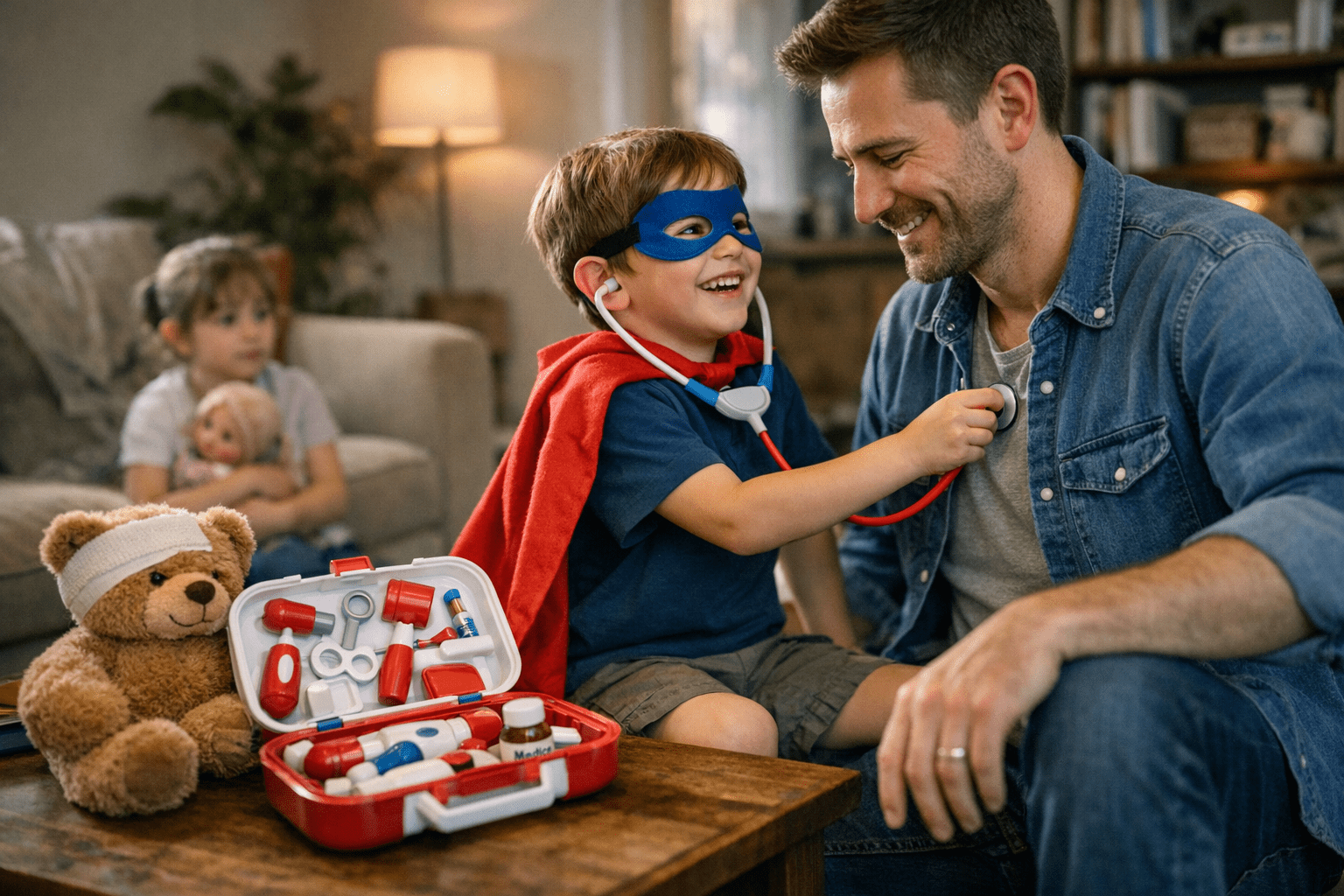
Here’s a scenario: your six-year-old walks into the living room wearing their superhero cape and announces, “I’m Dr. Superhero! Who needs fixing?” Suddenly, you realize your coffee table is now their operating room. If you’ve ever watched kids immerse themselves in pretend play, you know how magical—and chaotic—it can be. But here’s the kicker: not all doctor kits are created equal. Some are brilliant, while others barely survive one enthusiastic check-up session before falling apart.
So, how do you pick the best portable doctor kit for kids? After years of buying toys that looked promising but failed miserably (hello, flimsy stethoscopes), I’ve learned a thing or two about what really works—and what doesn’t.
—
Why Pretend Doctor Kits Are Worth It
First things first: why bother with a doctor kit when there are countless other options for kids? Simple—pretend play boosts creativity and empathy. When kids act out roles like doctors or nurses, they learn to care for others, problem-solve under pressure (even if it’s fake pressure), and develop social skills. Bonus points if it gets them curious about science or medicine later on!
But here’s where it gets tricky: finding a kit that encourages imaginative play without being frustratingly fragile or overly complicated for younger kids to use. That balance between fun and functionality is key when choosing one of these sets.
—
What Makes a Great Portable Doctor Kit?
Let’s get real—you don’t need every gadget known to medical history packed into one set. Half the time, kids won’t even know what half those tools are supposed to do! Stick with kits that hit these essentials:
1. Durability Matters
This is my biggest gripe with cheap kits. You buy it, unwrap it, and within minutes something breaks because your kid decided to test its limits—like using the thermometer as a hammer (true story). Go for sets made from sturdy plastic or lightweight metal components that can take some abuse during high-energy play sessions.
2. Portability
A portable case isn’t just convenient—it’s sanity-saving when your child decides they need their “doctor gear” at grandma’s house or in the backseat during long road trips. Look for kits with compact yet organized storage cases; bonus points if everything clicks securely into place so you’re not chasing loose pieces around later.
3. Age-Appropriate Design
Here’s my honest opinion: avoid kits stuffed with tools obviously designed for older kids but marketed as “for ages 3+.” Younger children don’t need complex surgical equipment replicas—they want something easy to hold and intuitive to use. Sets aimed at preschoolers should focus on bright colors, chunky pieces, and simple tools like bandages and toy thermometers.
4. Interactive Features
This is where modern kits shine compared to those of yesteryear (remember those generic wooden ones?). Kits today often include light-up elements or sound effects—for example, an otoscope with LED lights or a heart monitor that beeps when pressed correctly—and honestly? Kids love it! Just make sure batteries aren’t impossible to change because nobody wants tantrums over dead batteries mid-playtime.
Los 7 mejores sets de maquillaje para niñas bajo $50 en 2024: guía práctica con
—
Comparing Top Picks in 2026
Here’s where we break down specific options worth considering this year based on real-world use cases I’ve seen from parents and educators alike:
| Kit Name | Best For | Price (EUR) | Key Features |
|—————————–|——————————-|—————–|——————————————|
| Deluxe Medical Play Set | Ages 3–5 | €45 | Chunky tools; light-up thermometer |
| Pretend Doctor Backpack Kit | Ages 4–7 | €38 | Compact backpack; durable build |
| Realistic MD Simulation Set | Ages 6+ | €65 | Advanced gadgets; sounds & LEDs |
Let me break this down further below.
—
Deluxe Medical Play Set (€45)
This kit nails simplicity without being boring—it includes playful staples like colorful bandages, an oversized stethoscope (that actually makes sounds!), and even a toy syringe kids can “pump.” Perfect for toddlers who still think shaking things vigorously qualifies as diagnostic work.
Cómo iniciar un negocio de dropshipping de juguetes desde cero: guía práctica co
What I appreciated most was how ridiculously durable everything felt compared to cheaper sets I’ve tried in past years—not once did I worry about the pieces snapping under pressure from little hands.
Worth mentioning: no storage case included unless purchased separately—a minor downside but fixable by repurposing an old lunchbox!
—
Pretend Doctor Backpack Kit (€38)
I love this option because portability is baked right into the design—a zippered backpack houses every tool neatly inside compartments so nothing gets lost between visits from one “patient” (you) to another stuffed animal casualty (the dog). Tools include a pulse oximeter replica plus safety scissors that actually work without sharp edges—perfect balance between realistic functionality and safe playtime vibes.
The downside? The backpack straps aren’t adjustable enough for bigger kids—it might feel awkward if your child is taller than average by age five—but otherwise solid purchase!
—
Realistic MD Simulation Set (€65)
Okay—this one might be overkill depending on your audience—but hear me out if older kiddos interested in STEM fields got curious recently thanks partly due learn more.
Verdict-wise slow-battery-dependent quirks trading-align fun-mixed tradeoff
Related Links