
No products in the cart.
Shop all products

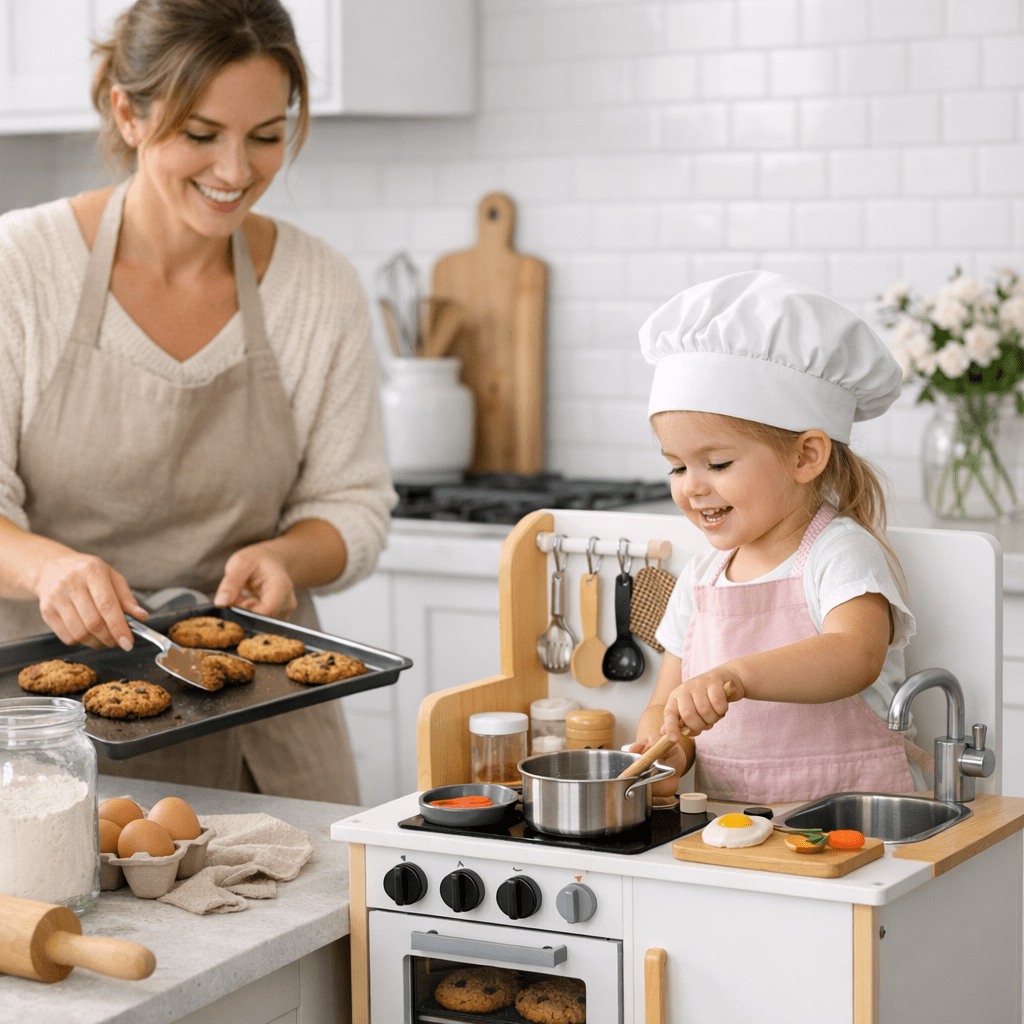
Picture this: your kitchen smells like fresh cookies, your child is beside you “cooking” their imaginary feast on a pint-sized stove, and everyone is immersed in the joy of creativity. That’s what a mini interactive chef’s station can do—it transforms playtime into a magical mix of learning, sensory exploration, and fun. But here’s the thing: not all toy kitchens are created equal. Some are flimsy disasters waiting to happen, while others offer features that genuinely enrich your child’s experience.
So how do you pick the right one? Let’s break it down step by step—because getting it wrong isn’t just a waste of money; it could also mean missing out on an opportunity to spark imagination and skill-building in your little one.

—
Why a Mini Interactive Chef’s Station Is More Than Just a Toy
First off, these aren’t just cute replicas of adult kitchens. A well-designed chef’s station encourages open-ended play that taps into multiple developmental areas:
- Fine motor skills: Turning knobs, opening cabinets, stirring pretend soup—it’s all about those small hand movements.
- Cognitive development: Understanding sequences (“First I chop the veggies, then I cook them.”) or even basic math (“I need two cups of flour!”).
- Sensory play: Many stations include textured plastic food items or LED burners that light up to mimic real heat.
- Social interaction: If you’ve got more than one kid (or frequent playdates), these stations act as hotspots for cooperative play. One person cooks while another pretends to be the customer or waiter.
But—and here’s where it gets tricky—not every chef’s station delivers on these promises. Some are too basic. Others try to cram in every gimmick under the sun but end up feeling cluttered and overwhelming.
Let’s get into how you can sort through the clutter.
—
Key Features You Should Look For
When picking out the perfect toy kitchen for your child, focus on features that balance functionality with engagement. Here’s what matters most:
1. Size and Space
Not all homes have room for a giant wooden monstrosity—even if it’s adorable! Measure your space before shopping. If you’re short on square footage, look for compact models that fold away or double as storage pieces when not in use.
For instance:
- Small apartment? A countertop-style set might fit perfectly without taking over your entire living room.
- Got more space to work with? Go bigger with multi-level stations featuring ovens, refrigerators, and sinks.
Pro tip: Always check dimensions online first so you’re not shocked when the box arrives looking like it’s meant for professional movers.
2. Material Durability
Plastic vs wood—this debate never ends. Here’s my stance after years of seeing both types in action:
- Wooden kitchens: These tend to be sturdier and last forever if cared for properly. They’re heavier but feel more realistic (and honestly look better sitting in your house). Downsides? They can be pricier and harder to assemble.
- Plastic kitchens: Lightweight and easy to clean but often less durable over time—especially if your kid is rough during play sessions.
If durability matters long-term (and let’s face it—it should), go with wood unless portability is a dealbreaker for you.
3. Interactive Features
This is where things get fun! Look for stations with:
- Working LED lights on burners
- Realistic sound effects (like sizzling pans)
- Functional knobs that click
- Running water simulations (some higher-end models even have working faucets!)
But don’t get dragged into buying something overly complicated just because it sounds flashy. Your toddler doesn’t need Bluetooth connectivity or Wi-Fi compatibility—they need simple tools they can actually understand and use effectively.
Los 7 mejores sets de maquillaje para niñas bajo $50 en 2024: guía práctica con
—
Comparing Popular Models in 2026
Here’s a quick breakdown of some standout options currently trending this year:
| Model Name | Material | Price Range (€) | Best Feature | Downsides |
|————————–|—————-|—————–|—————————–|——————————|
| KidKraft Wooden Kitchen | Wood | €150–€200 | Ultra-durable build | Heavy; tough assembly |
| Little Tikes Super Chef | Plastic | €80–€120 | Compact & affordable | Less realistic appearance |
| Melissa & Doug Corner | Wood | €200–€250 | Large size & tons of detail | Expensive; requires space |
| IKEA Duktig | Wood/Plastic | €90–€130 | Sleek minimalist design | Lacks sound/LED features |
You’ll notice some tradeoffs here—like price versus durability or size versus portability—but knowing what matters most to you will help narrow things down fast.
—
What About Accessories?
Don’t forget about accessories! After all, half the magic comes from pretend food items like pancakes or pizza slices they can “make” themselves.
Some sets come loaded with extras like pots, pans, fake fruits, and vegetables—but many don’t include much at all beyond the basic structure. If yours falls short here:
1. Grab extra sets marketed as “realistic” food options (look for textures that mimic real produce).
2. Consider DIY add-ons—I’ve seen parents use empty spice jars or cleaned-out yogurt containers as creative extensions.
Cómo iniciar un negocio de dropshipping de juguetes desde cero: guía práctica co
3. Build sensory bins filled with rice grains or pasta as side activities!
The goal? To make imaginary cooking feel immersive without breaking the bank on overpriced branded add-ons.
—
Honest Tradeoffs No One Mentions
Here are some realities people don’t talk about enough:
1. Assembly Time – Wooden sets especially take hours to put together sometimes (don’t even think about winging it without reading instructions). Have tools ready!
2. Maintenance – Wooden surfaces scratch easily if kids go wild chopping fake carrots directly on them.
3. Longevity – While younger toddlers love these stations endlessly… older kids may lose interest once screens start competing heavily around age 6+. Plan accordingly!
That said? Even if it only gets two solid years of daily use—it could still be worth every penny given how much educational value comes packed into those early stages.
—
Ready To Start Shopping?
By now you should have a clearer picture of what works best given your space constraints, budget range (€80–€250 covers most great options), material preferences (plastic vs wood), feature needs (basic vs interactive), and potential accessory add-ons that’ll keep things fresh long after purchase day excitement fades away.
Need more ideas beyond chef stations? You might learn more about other high-quality pretend play setups—or explore kitchen-themed dropshipping opportunities if running your own store sounds appealing!
Whatever direction fits best—I hope this guide makes decision-making smoother… because trust me when I say choosing thoughtfully now will pay off big time once those tiny hands start whipping up imaginary culinary masterpieces tomorrow!
Related Links
Top 10 Role-Playing Toys for Boys & Girls Ages 3–7 Under $50: Practical Playbook with Real Examples - Crown Toys
[…] How to Choose the Perfect Mini Interactive Chef’s Station for Your Child’s Learning and Sensory … […]
Top 5 Kids Doctor Pretend Play Kits Under $30 for Ages 3–7: Practical Playbook with Real Examples - Crown Toys
[…] How to Choose the Perfect Mini Interactive Chef’s Station for Your Child’s Learning and Sensory … […]
How to Dropship Pretend Play Supermarket Sets for Kids in the US: Practical Playbook with Real Examples - Crown Toys
[…] How to Choose the Perfect Mini Interactive Chef’s Station for Your Child’s Learning and Sensory … […]