No products in the cart.
Shop all products
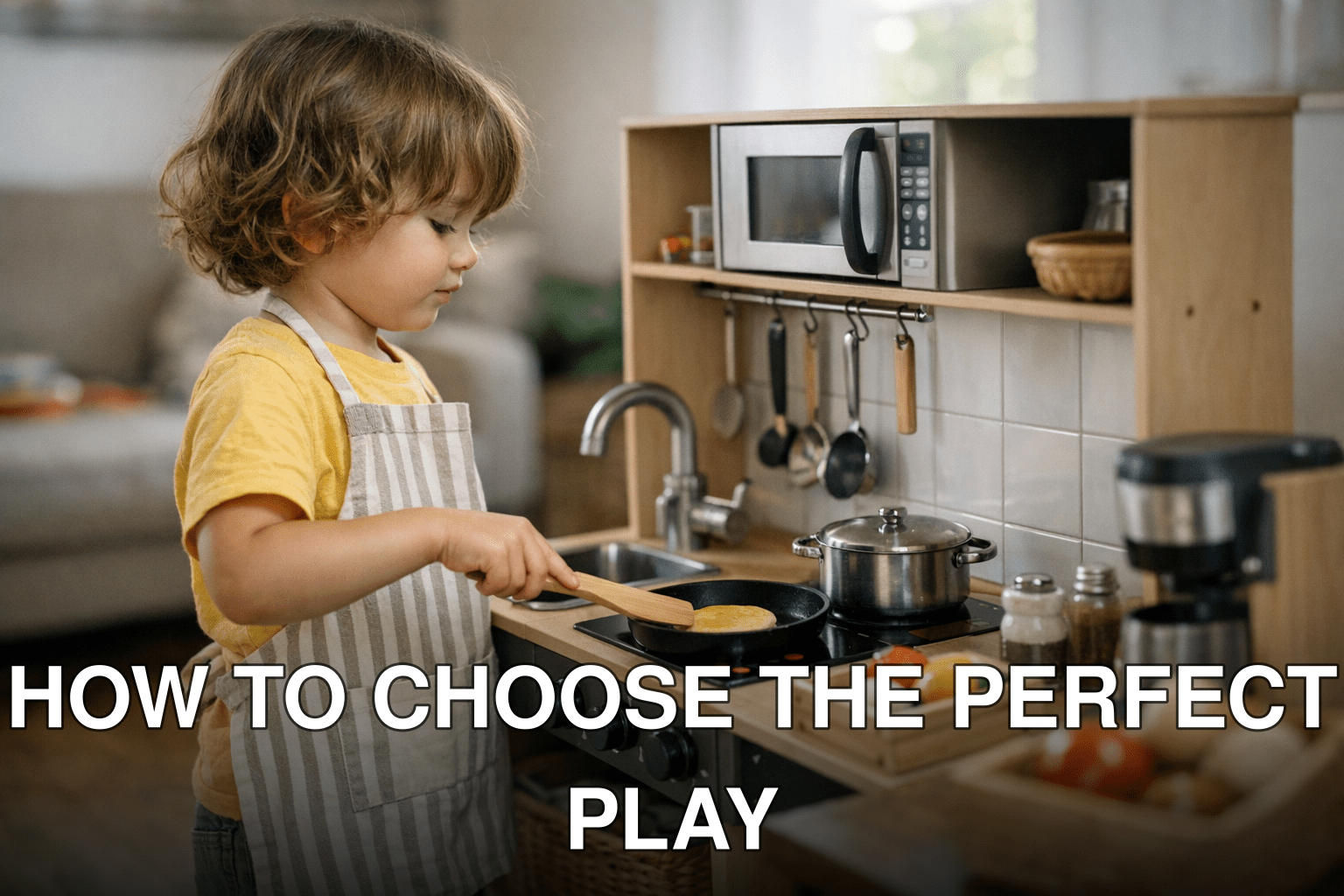
Picture this: it’s Saturday morning, and your four-year-old is standing in front of an imaginary stove, flipping invisible pancakes. They’re mimicking you, trying to “cook breakfast,” and it hits you—it’s time to invest in a play kitchen set. But here’s the thing: not all play kitchens are created equal. Some are flimsy, others lack realistic features, and then there’s the dreaded too-small-to-grow-with-your-child problem.
If you’ve been procrastinating because of the overwhelming options out there, you’re not alone. The wrong choice can cost you money, time, and even your child’s interest in imaginative play. But don’t worry—I’ve got you covered.
In this guide you’ll discover:
- What makes a play kitchen truly “realistic” (hint: working water features change everything).
- The top features most parents overlook but kids love long-term.
- Honest trade-offs between budget options and premium sets.
Let’s get into it before another Saturday morning passes by without pancakes—or their adorable pretend version.
What Makes a Play Kitchen Realistic?
Here’s the million-dollar question: what actually makes a play kitchen feel lifelike? It’s not just about slapping on bright colors or throwing in random knobs that don’t turn—but manufacturers seem to think it is. Realism boils down to interactive elements that engage all five senses while mimicking real-world appliances and tools.
Checklist for Realistic Features
To save you hours of research, here’s what I’ve found works best when testing these sets with kids:
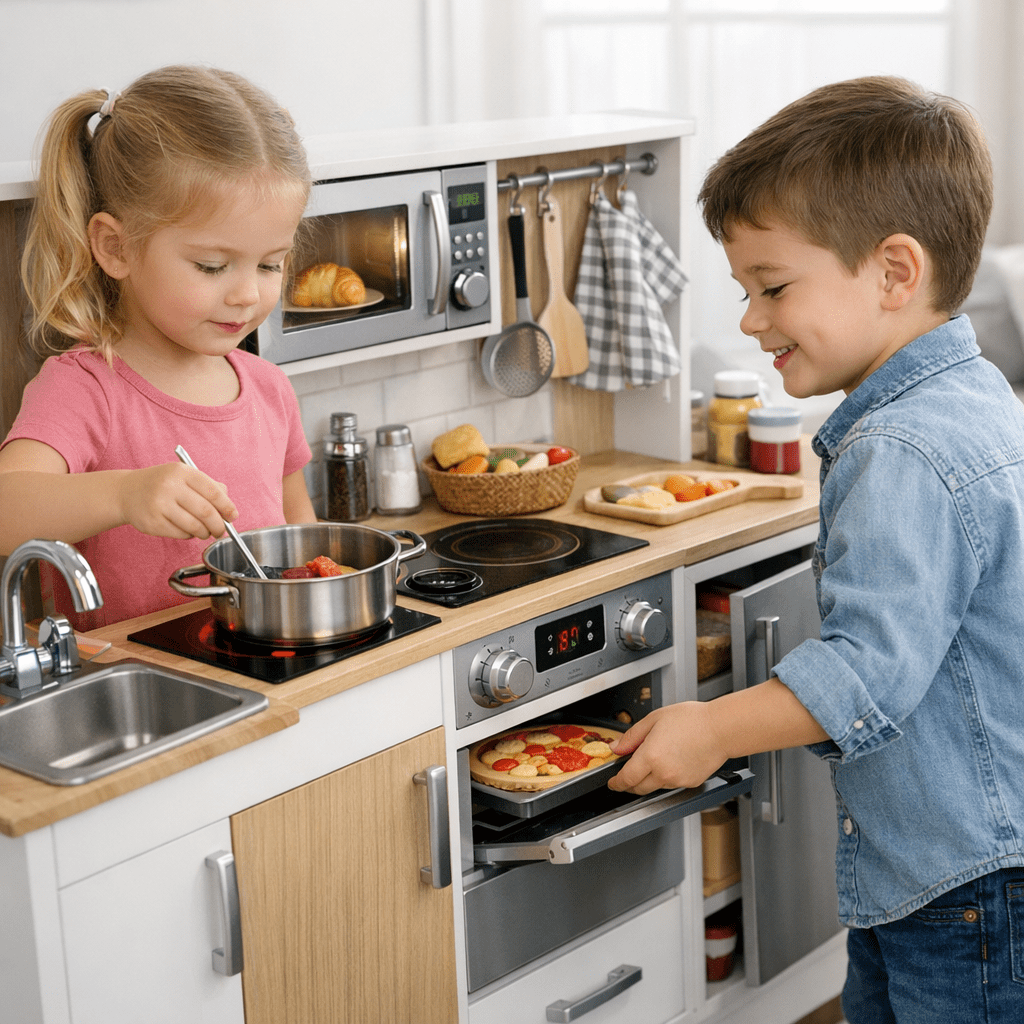
- Running Water: Yes, some sets now have faucets that actually pump water! If your child loves playing with liquids (and let’s be honest—they do), this feature is worth its weight in gold. Look for easy-to-clean reservoirs so hygiene doesn’t become a nightmare later on.
- Clicking Knobs: Knobs that rotate and click give kids tactile feedback that feels satisfying—and prevents them from losing interest after two weeks.
- Cooking Sounds: Premium models often include sound effects like sizzling pans or beeping microwaves, which add a whole new layer of immersion.
- LED Lights: Oven lights that turn on when the door opens might sound gimmicky at first—but trust me—watching your child “check” how their pretend pizza is baking will melt your heart.
- Storage Space: This isn’t flashy but absolutely vital. Kids accumulate toy utensils fast; make sure there’s room to stash them all.
Key takeaway: A realistic play kitchen sparks creativity by mirroring adult behaviors while adding sensory fun—but skip anything overly complicated or hard to clean.
Why Size Matters More Than You Think
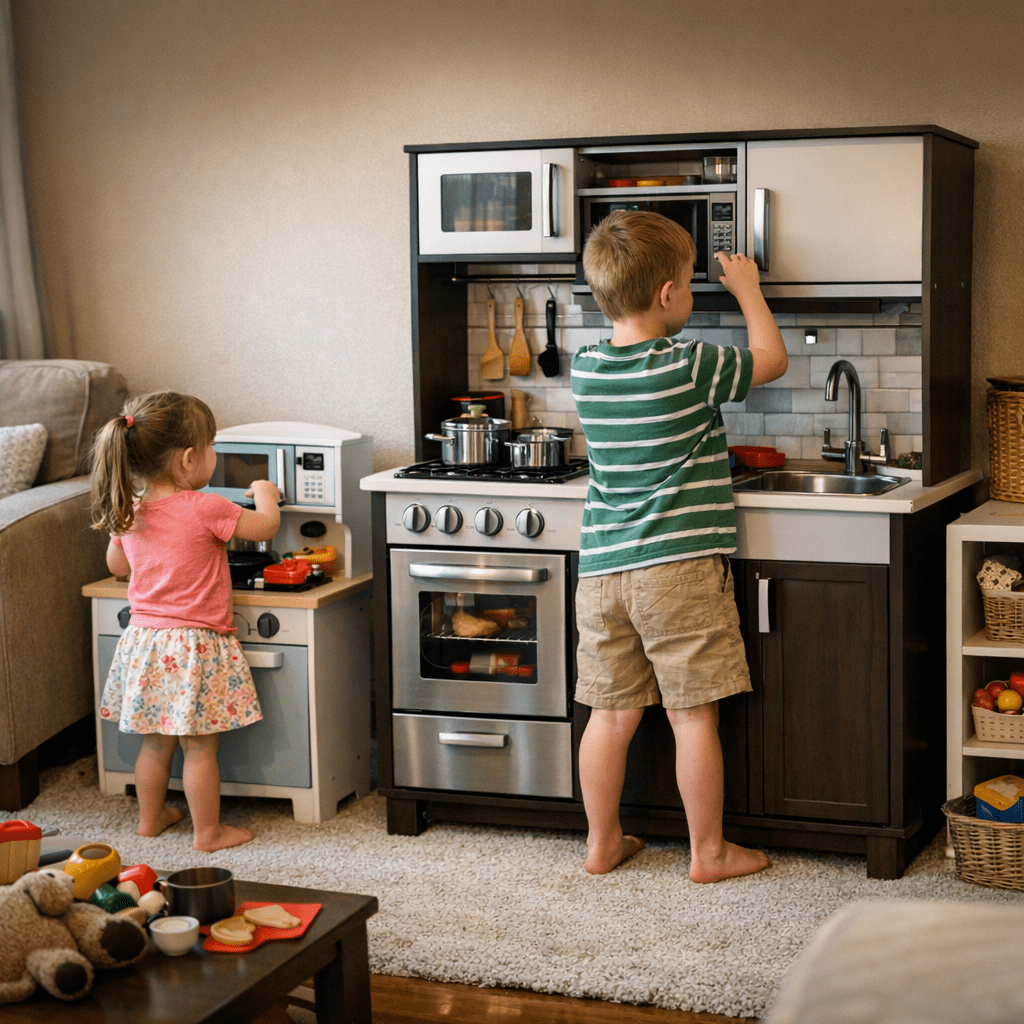
You might be thinking size is just an aesthetic preference—it’s not. Too small? Your kid outgrows it in six months. Too large? It dominates your living room like an obnoxious piece of furniture.
When I tested different models back in 2026 during our community toy drive event, one thing stood out: scalable designs win every single time. Here’s why.
Before/After Contrast — Small vs Scalable Designs
| Before: Tiny compact kitchens look cute initially but leave older kids frustrated—they can’t reach items or feel cramped during playtime.
| After: Larger kitchens (ideally modular ones) grow alongside your child with adjustable heights or expandable counters.
Also worth reading: Los 7 mejores sets de maquillaje para niñas
The sweet spot depends on space at home and how long you want this purchase to last. If you’re tight on square footage but want longevity, search for modular designs where sections can detach or fold away neatly.
Sound familiar? If you’ve already bought toys that ended up feeling useless within months—this size debate hits home.
7 Must-Have Accessories That Take Pretend Play to the Next Level
Let me ask you something—does a barebones stove really spark imagination? Not likely! Accessories aren’t just add-ons; they’re essential tools for storytelling during pretend cooking sessions.
Here are seven accessories I’ve seen transform boring setups into thriving hubs of imaginative play:
1. Mini Pots & Pans – Look for sturdy materials like stainless steel over cheap plastic that breaks easily.
2. Utensil Racks – Having “grown-up” organization systems teaches tidiness early on.
3. Fake Food Sets – Get multi-textured food items (e.g., felt sandwiches) rather than generic plastic lumps.
4. Aprons & Chef Hats – Instant role-play magic! Kids light up when they “look the part.”
5. Recipe Cards – Laminated ones hold up longer against spills—and yes, kids do love pretending to read recipes!
6. Play Spice Jars with Shakers – Bonus points if they rattle realistically when shaken.
7. Dishwashing Station with Sponge Holder – You’ll thank me later when they start offering help cleaning real dishes!
But here’s where it gets tricky—some premium sets bundle these extras together while budget stores sell them piecemeal at shockingly high markups.
Common Myth About Expensive Play Kitchens
You might be thinking expensive means better quality across the board—it doesn’t always work like that! I’ve seen $300 wooden kitchens fall apart faster than $80 plastic ones simply because parents overlooked durability during their shopping spree.
Common myth: Higher price equals higher quality furniture-grade wood construction guarantees longevity over cheaper alternatives (like MDF).
Reality: Some mid-range brands offer comparable quality without gouging prices—the trick lies in reading reviews specifically about wear-and-tear durability over years rather than months!
Related guide: Cómo iniciar un negocio de dropshipping de
Pros & Cons Table — Budget vs Premium Options 🏆
Here’s where most parents get stuck—how do you weigh short-term savings against long-term value? Let me simplify things:
| Feature | Budget Option ✅ | Premium Option 🏆 | Trade-Offs |
|————————-|——————|——————|——————–|
| Running Water | ⚠️ Partial | ✅ Full-featured | Budget pumps clog easier |
| LED/Oven Lighting | ❌ No | ✅ Yes | Nicer realism ups cost |
| Storage Space | ⚠️ Limited | ✅ Ample | Cheap designs lack depth |
| Cooking Sounds | ❌ No | ✅ Authentic | Sound adds immersion |
| Best for | Short-term use | Growing families |
FAQ Section
Q: Do all realistic play kitchens require batteries?
Not necessarily! While many include electronic sounds or LED lights powered by batteries, some stick strictly to manual interactivity like clicking knobs and running water pumps instead.
Q: What age range works best for these toys?
Most realistic kitchens fit ages 3–7 perfectly due largely thanks modular functionality ensuring adaptability based heights preferences overtime!.