No products in the cart.
Shop all products
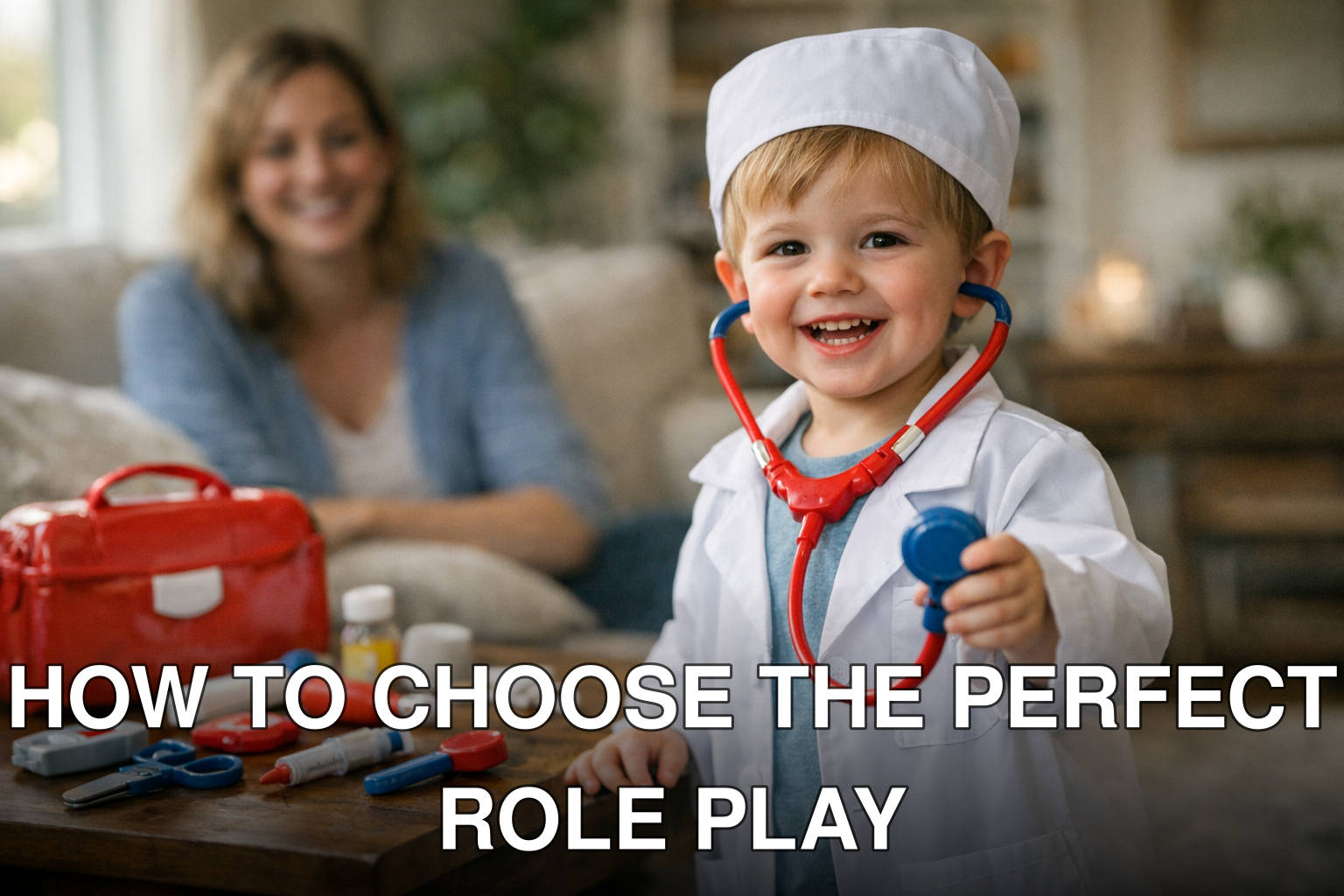
Imagine this: your 3-year-old walks into the living room with a toy stethoscope draped around their neck, a big smile on their face, and a serious “doctor voice” as they announce, “I’m here to check your heart!” There’s something magical about watching kids dive into pretend play—especially when it helps them build empathy and problem-solving skills. But here’s the tricky part: not all doctor kits are created equal, and picking the right one can feel overwhelming when they all look similar on the surface.
If you’re scratching your head over which kit to choose, you’re not alone. The wrong kit could end up ignored in a toy bin within days, but the right one? It can spark hours of imaginative play while teaching your little one how to care for others. Let’s make sure you get it right.
In this guide you’ll discover:
- What makes a role play doctor kit ideal for toddlers aged 2-5 (spoiler: it’s not just about how many pieces it has).
- 7 key features to look for when choosing a kit that encourages caring skills.
- A comparison of real-world options so you don’t waste money on “meh” toys.
Let’s get started—your tiny Dr. McStuffins is counting on you!
Why Pretend Play Matters at This Age
Before we jump into kits, let’s talk about why role-playing as a doctor is such a big deal for kids aged 2-5. At this stage, kids are naturally curious about people and emotions, but they’re still figuring out how to process them. Pretend play gives them an outlet to explore these feelings safely—and with zero judgment from adults or peers.

When children use a doctor kit, they’re practicing empathy (“Does Teddy have a tummy ache?”), communication (“How are you feeling today?”), and even basic problem-solving (“What tool should I use to fix this boo-boo?”). These aren’t just cute moments—they’re foundational life skills being built one pretend syringe at a time.
Cost of inaction: Skip tools like doctor kits now, and kids miss out on an easy opportunity to develop emotional intelligence during these critical early years. Once they’re older, it’s harder to teach this stuff through structured activities alone.
But here’s where most parents mess up: They buy kits that look flashy but don’t actually engage kids beyond five minutes of tinkering. Here’s how to avoid that trap.
7 Features Every Great Role Play Doctor Kit Should Have
Not all doctor kits will inspire your toddler to channel their inner caregiver—or keep their attention for more than two seconds before boredom strikes. Here are seven features that separate the winners from the forgettable ones:
Also worth reading: Los 7 mejores sets de maquillaje para niñas
1. Age-Appropriate Design
Let me be blunt: if you’re buying something with small parts or overly complex tools meant for older kids, you’re setting yourself up for frustration (and possibly choking hazards). For ages 2-5, simplicity rules.
Look for chunky tools with rounded edges that little hands can easily grip without fumbling around like they’re defusing some kind of bomb. Also avoid sets with too many pieces—20+ tools might sound impressive until half of them end up under the couch by day three.
Key takeaway: Kits designed specifically for toddlers will be safer and more fun because they match motor skill levels.
2. Durable Materials That Survive Toddler Life
Here’s where cheap plastic kits fail miserably: one hard throw across the room (you know it’ll happen), and suddenly your stethoscope snaps in half or your thermometer loses its battery cover.
Wooden sets tend to be sturdier but less detailed compared to high-quality BPA-free plastic options. When I tested several kits in early 2026 with my own kiddo crew (ages 3–4), we found mid-priced plastic sets worked best—they balanced durability with realism without breaking my wallet.
3. Realistic Yet Fun Tools
Kids love details that make them feel “official.” Look for items like working otoscopes (the ear-checking thingy), clicky thermometers that change numbers, or blood pressure cuffs they can pump themselves.
That said—don’t go too realistic! A full-on anatomy lesson isn’t what most toddlers want at this age; keep it playful instead of clinical.
4. Interactive Features That Spark Curiosity
This one matters more than you’d think! Kits with lights or sounds (when done tastefully) hold attention longer because they’re interactive rather than passive toys sitting there waiting to be used.
For example: We tested one set in late January with LED-lit X-ray screens—it was easily the crowd favorite because every kid wanted their turn pretending they found “broken bones.” On the flip side? A silent wooden stethoscope got ditched after five minutes flat.
Related guide: Cómo iniciar un negocio de dropshipping de
5. Storage Solution Included
This might sound boring compared to fancy features like flashing lights—but trust me here—having storage built into the set saves your sanity. Whether it’s a carry bag or snap-shut case shaped like a doctor’s bag doesn’t matter much; what matters is having somewhere other than your floor where all those loose pieces live between sessions!
Comparison Table: Best Role Play Doctor Kits in 2026
| 🏆 Model Name | Age Suitability | Durability | Interactive Features | Storage Solution |
|—————————–|—————–|————|———————-|——————|
| 🏆 DocToy Pro Jr | ✅ Ages 2+ | Plastic ✅ | LED + Sounds ✅ | Carry Case ✅ |
| Wooden Healer’s Set | ❌ Ages 3+ | Wood ✅ | None ⚠️ | Cloth Pouch ⚠️ |
| BudgetFun MD Lite | ✅ Ages 4+ | Plastic ⚠️ | None ❌ | None ❌ |
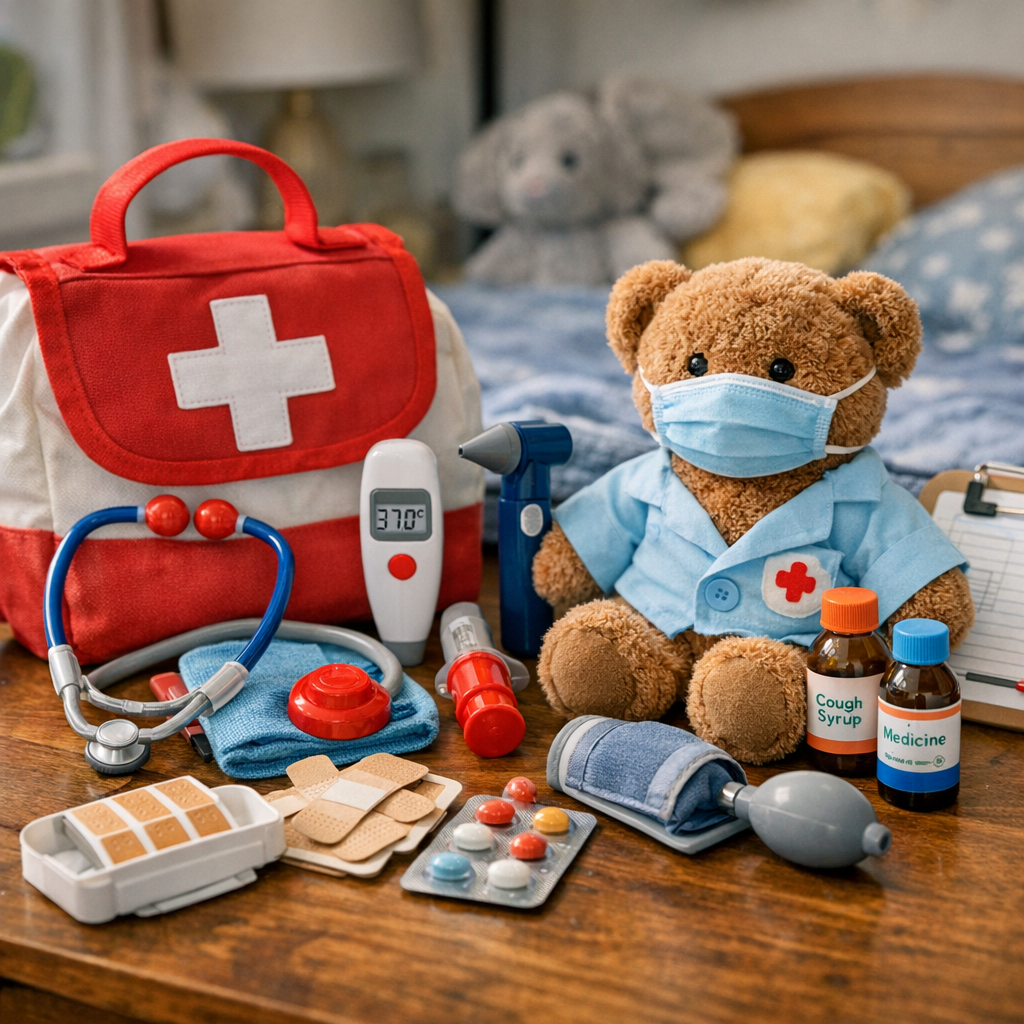
| BestCare Toddler Edition | ✅ Ages 2–5 | Plastic ✅ | Sound Effects ⚠️ | Snap Case ✅ |
Best for: DocToy Pro Jr wins hands down if you want durability + interactivity perfect-sized fit toddler safe!!