No products in the cart.
Shop all products

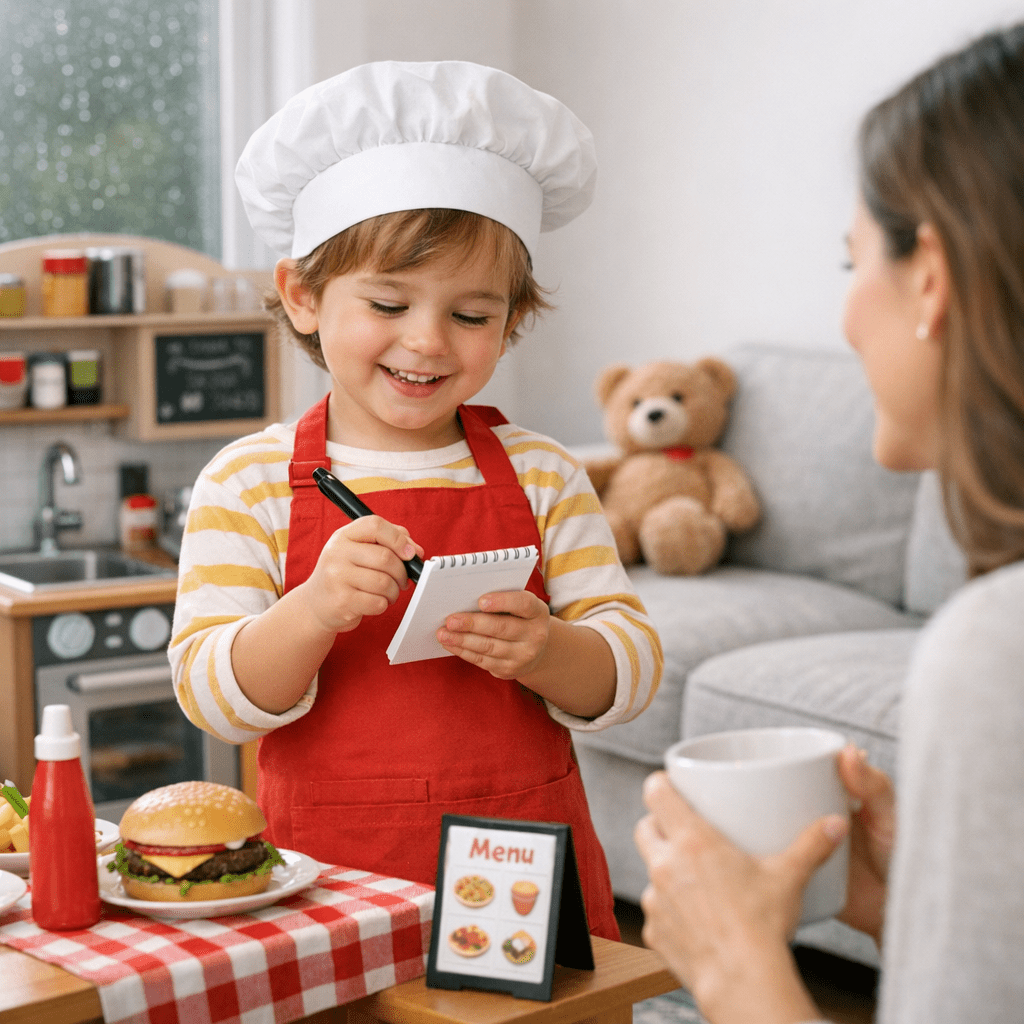
Picture this: It’s a rainy Saturday afternoon, and your 4-year-old has transformed the living room into a bustling restaurant. They’re taking orders with a plastic notepad, serving imaginary spaghetti, and insisting you tip them in Monopoly money. Moments like these are why role play toys aren’t just “toys.” They’re tools that spark creativity, build social skills, and give kids a chance to explore their world in miniature.
But here’s the tricky part—choosing the right role play toy isn’t as simple as grabbing the first colorful set you see on Amazon. Not every toy is built to last (hello, flimsy plastic), and not every theme will click with your child’s interests or developmental stage. So how do you pick one that’ll keep them engaged without becoming clutter after two weeks? Let’s break it down step by step.

—
Why Role Play Toys Are Essential for Kids Ages 3-7
Kids at this age are little sponges for new experiences. They’re constantly watching adults (yes, even when you think they’re not paying attention) and mimicking what they see. Role play toys give them a safe way to practice those observations—whether it’s playing chef, doctor, teacher, or even pretending to fix dad’s car with a plastic wrench.
Beyond being adorable, this kind of pretend play develops real skills:
- Social Interaction: Sharing roles with siblings or friends teaches cooperation and turn-taking.
- Problem-Solving: Figuring out how to “fix” a broken toy car or bandage an injured teddy builds critical thinking.
- Language Development: Kids pick up new vocabulary as they narrate their scenes.
- Imagination: Nothing beats creating worlds out of thin air—something screens can’t replicate.
In short? These toys aren’t just fun—they lay the groundwork for learning.
—
Key Factors to Consider When Choosing Role Play Toys
Not all toys are created equal. Some will end up forgotten at the bottom of a toy bin faster than you can say “impulse buy.” To avoid that fate, here are six things you’ll want to weigh before hitting “Add to Cart.”
1. Your Child’s Interests (Not Yours)
This seems obvious but is surprisingly easy to overlook. Do you love the idea of a mini beauty salon because it reminds you of growing up? That doesn’t mean your kid will feel the same way if they’re more into pretending to be construction workers or astronauts. Watch what themes naturally catch their attention during free play—it’ll guide you toward toys they’ll actually use.
Real-life example: My niece was obsessed with our family dog but couldn’t care less about her kitchen set until we got her a vet clinic role play kit complete with stuffed animals and tiny medical tools. That kept her entertained for months!
2. Durability Over Gimmicks
Kids are rough on toys—it’s just reality—and nothing kills imaginative fun faster than broken pieces after one week of use. Look for materials that can take some abuse (wooden sets tend to hold up better than cheap plastic) and check reviews for durability complaints.
Pro tip: If there are small parts involved (like pretend screws or utensils), make sure they’re thick enough not to snap under pressure—or risk becoming choking hazards.
—
Los 7 mejores sets de maquillaje para niñas bajo $50 en 2024: guía práctica con
3. Age Appropriateness
Ever bought something labeled “ages 3+” only for your child to look completely confused about how it works? Been there too many times! Here’s an age-range breakdown based on real-world experience:
| Age Range | Best-Suited Themes | Examples |
|———–|———————|———-|
| 3–4 | Simple sets with fewer pieces | Kitchen sets, doctor kits |
| 5–6 | More detailed play scenarios | Grocery stores, tool benches |
| 7 | Complex themes requiring storytelling | Science labs, police stations |
If your child is closer to three years old, lean toward simpler setups without too many moving parts—they’ll grow into more elaborate sets later.
—
4. Storage & Space Requirements
Let me save you from future frustration: Always check how much space these toys will take up before you bring them home! Full-sized workbenches or dollhouses might look fun but could dominate smaller rooms—or worse yet—end up disassembled in storage because there wasn’t enough space for long-term use.
Look for compact options like foldable kitchens or portable medical kits if space is tight.
—
5. Open-Ended vs Structured Play
Some kids thrive on structure while others prefer open-ended possibilities where they control everything about their storyline.
Cómo iniciar un negocio de dropshipping de juguetes desde cero: guía práctica co
Examples:
- Structured: A cash register set where kids scan groceries and count change encourages specific kinds of math-focused pretend play.
- Open-ended: A generic toolbox lets kids invent scenarios like fixing bikes one day and building robots the next.
Neither option is inherently better—it depends entirely on your child’s personality!
—
6. Safety First (Always)
This one should go without saying but gets overlooked surprisingly often during holiday shopping frenzies! Avoid sharp edges or tiny detachable parts that could pose risks for younger children—and double-check any paint finishes meet safety standards if you’re buying wooden sets.
—
Popular Types of Role Play Toys (with Real Examples)
Here are some tried-and-tested categories parents swear by—and why each might be perfect depending on what clicks with your kid:
Kitchen Sets
From flipping pancakes on mini stovetops to baking imaginary cookies in toy ovens, kitchen sets remain classics because cooking fascinates almost every toddler at some point! Bonus points if yours includes interactive features like knobs that click or water dispensers that actually hold liquid (without turning into messy disasters).
For more ideas about dropshipping kitchen-themed kits directly targeted toward US audiences in today’s market trends learn more.
—
Doctor Kits & Medical Themed Sets
Perfect choice anyone nurturing budding healers fascinated watching ER reruns alongside grandma jokingly diagnosing their stuffed animals w imaginary flu symptoms!Learn More
Related Links