No products in the cart.
Shop all products
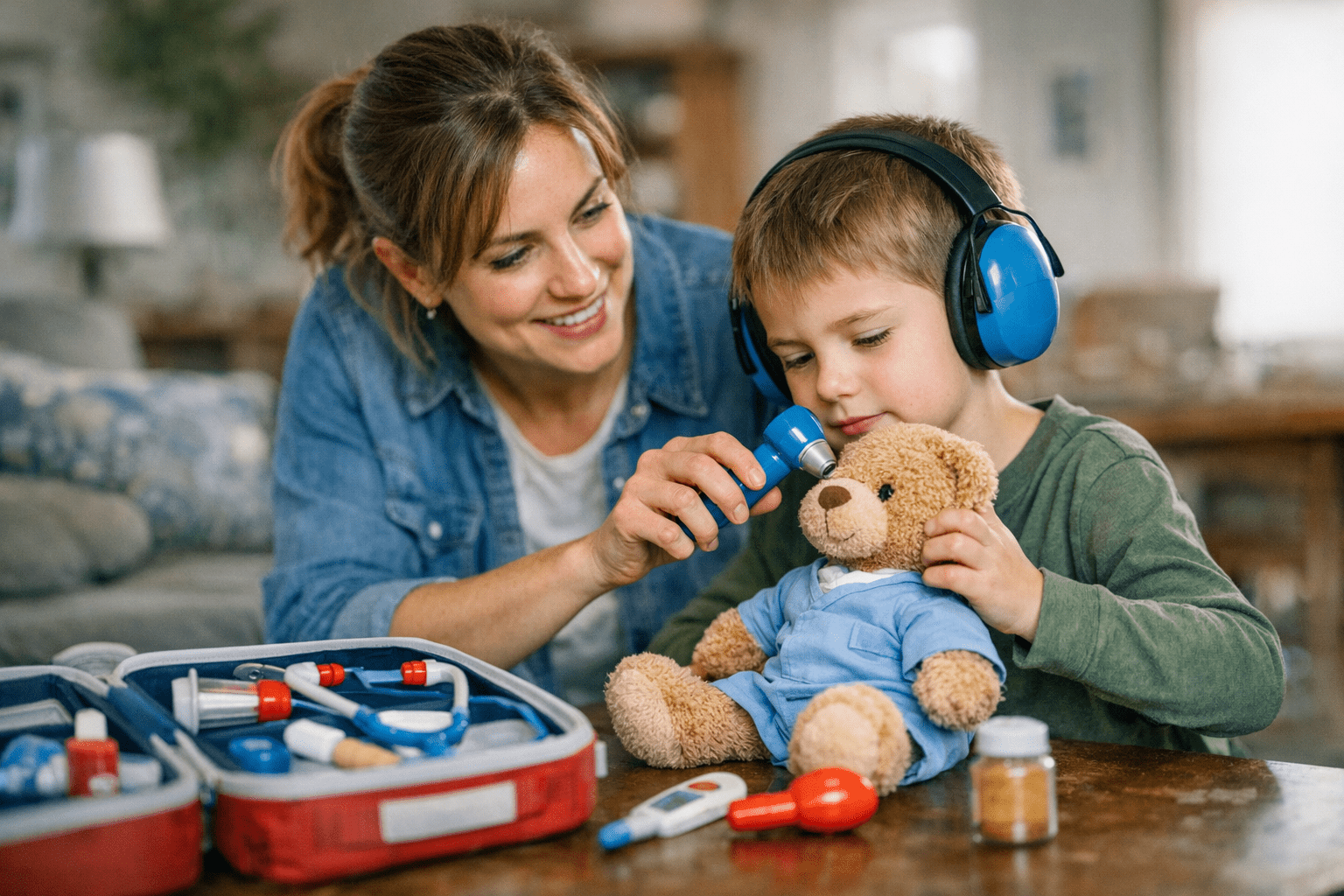
Let’s face it: finding the perfect medical toy kit for a child with sensory needs can feel like trying to diagnose an illness without any training. There’s a ton of options out there, but not all of them are designed with sensory challenges in mind. Kids who may struggle with textures, sounds, or overwhelming stimuli need something that’s fun and engaging—without triggering discomfort or stress.
Here’s how to navigate this tricky decision and pick something that actually works, rather than collecting dust on a shelf.
—
Why Medical Toy Kits Matter for Sensory Play
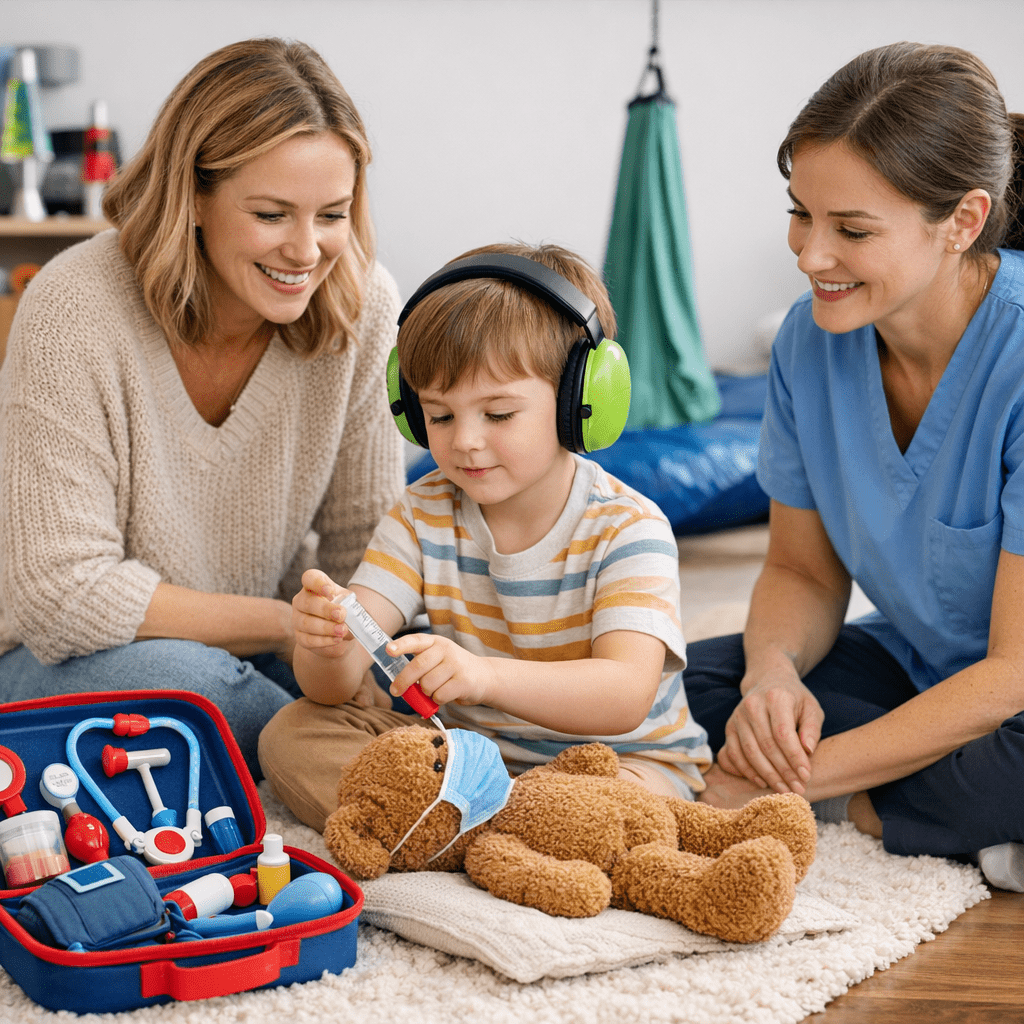
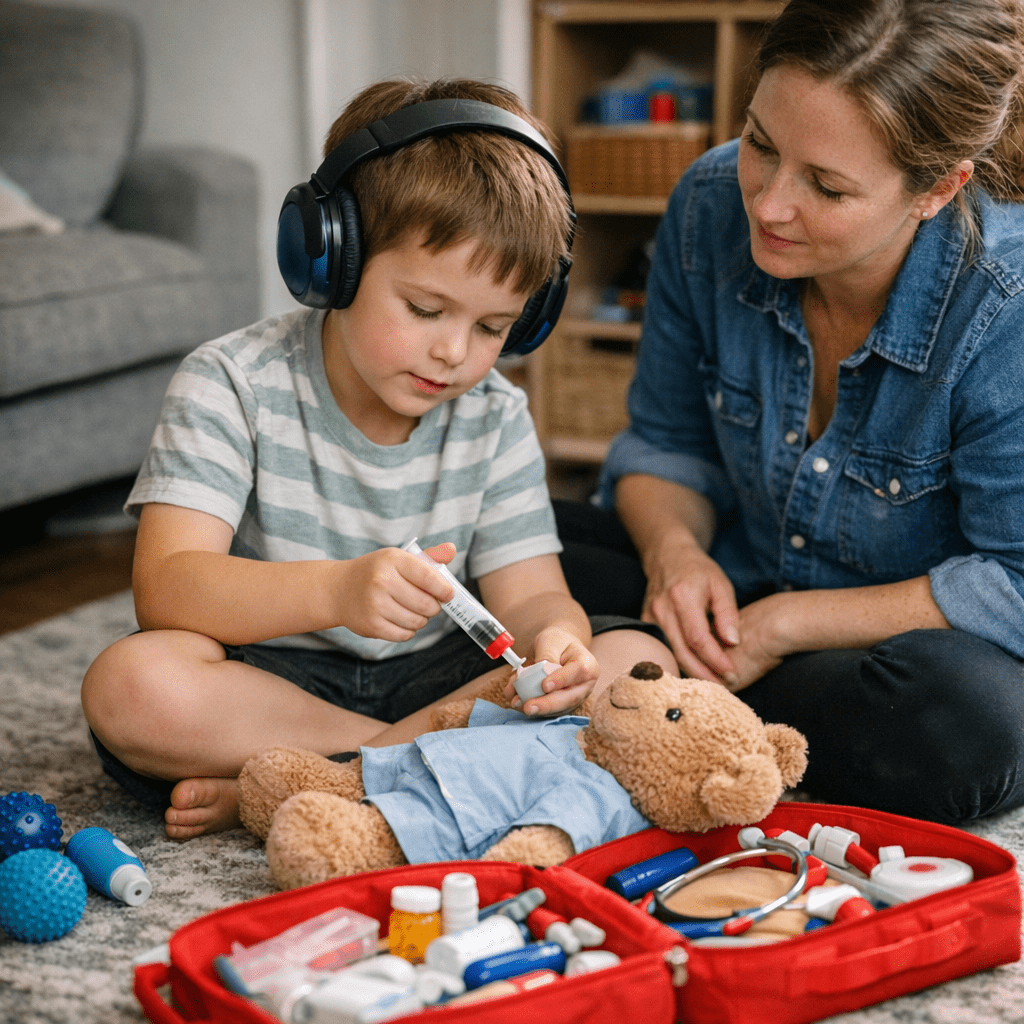
Medical toy kits aren’t just cute props for role-playing; they’re tools that can help kids learn about their bodies, practice empathy, and develop fine motor skills. For children with sensory sensitivities, these kits also offer opportunities to explore textures, sounds, and movements in controlled ways.
Take Emily, for example—a 5-year-old diagnosed with sensory processing disorder (SPD). Her parents were hesitant about getting her a doctor play set because she hated loud noises and anything slimy to touch. But when they found a kit with soft rubber pieces and gentle clicking sounds instead of harsh buzzers? Game changer. Emily started using the stethoscope daily during pretend check-ups on her stuffed animals—and her confidence around medical items soared.
—
What Makes a Medical Toy Kit “Sensory-Friendly”?
Not every kit labeled as “educational” is suitable for kids with sensory needs. You’ll want to focus on specific features that align with your child’s preferences (and tolerances). Here are some key criteria:
1. Textures That Don’t Overwhelm
If your child struggles with certain sensations—like hard plastic or sticky rubber—look for kits made from smooth silicone or soft fabrics. A plush doctor coat can be much more comforting than one made from stiff polyester.
2. Sounds That Are Gentle
Some kits include battery-powered tools like thermometers or otoscopes that beep loudly—or worse, buzz obnoxiously when turned on. For sensory-sensitive kids, this can be unbearable. Choose sets where interactive elements are quieter or manual instead of electronic.
3. Sized Appropriately
Oversized tools can feel intimidating to small hands (especially if motor skills are still developing). Kits designed specifically for younger children tend to include lightweight items scaled down for easy grip.
4. Visual Simplicity
Brightly colored sets may seem appealing at first glance—but too many clashing colors can overwhelm kids who need visual calmness to stay focused during playtime.
—
Comparing Top Options in 2026
To save you some digging through endless product pages, I’ve rounded up three types of medical toy kits worth considering based on real-world feedback from parents and educators.
Los 7 mejores sets de maquillaje para niñas bajo $50 en 2024: guía práctica con
| Kit Name | Best For | Key Features | Potential Drawbacks |
|—————————–|————————————–|———————————————————————————|——————————————|
| Gentle Healers Set | Younger kids (ages 3–5) | Soft silicone tools; muted pastel colors; no electronic parts | Limited number of pieces |
| Interactive Care Clinic | Hands-on learners | Includes manual pump syringe; quiet battery-powered thermometer; realistic case | Slightly bulky storage box |
| Complete Doctor Roleplay | Older kids (ages 6+) | Full-sized tools; realistic textures; optional buzzing otoscope | Some items may be too advanced |
—
Real-World Example: The Interactive Care Clinic
I saw this set firsthand at an SPD therapy center last year while shadowing therapists during play sessions. One parent mentioned their child loved the quiet thermometer—it gave just enough feedback without startling him—and the manual syringe was great for practicing control while squeezing water into cups during pretend “vaccinations.” Also worth mentioning: the case looked like an actual doctor’s bag, which helped make role-playing feel authentic but not overwhelming.
For more examples like this one, learn more.
—
Tradeoffs You Should Consider
Here’s where things get tricky: No single kit is going to be perfect across all criteria—you’ll likely have to make compromises based on your child’s unique needs.
- Durability vs Comfort: Some sensory-friendly toys use softer materials that wear out faster than hard plastic alternatives.
- Realism vs Simplicity: While realistic props can enhance pretend play for older kids, they might overwhelm younger ones who prefer simpler designs.
- Cost vs Features: Premium sets often come loaded with extras but may stretch your budget unnecessarily if you’re only looking for basic items.
It’s okay not to find something “perfect.” Instead of stressing over every detail upfront, start small—you might discover what works best through trial-and-error over time.
—
Cómo iniciar un negocio de dropshipping de juguetes desde cero: guía práctica co
Tips From Therapists and Parents
Sometimes advice from professionals carries more weight than anything printed on packaging labels:
1. Start Small: Don’t invest in huge kits right away if you aren’t sure how your child will respond.
2. Involve Your Child: Let them help choose between two or three options—they’ll feel more ownership over their new toys.
3. Use Kits During Familiar Routines: Incorporate them into existing activities like bedtime stories (“Doctor Teddy needs his check-up!”) so they don’t feel forced.
4. Learn More: Explore practical tips tailored specifically toward pretend doctor play scenarios—it might spark new ideas!
—
My Honest Take: What Worked Best in Our Case
When my nephew showed signs of SPD back in 2024, we tried out three different kits—and honestly? The simplest one ended up being his favorite: just five basic tools packed inside a cotton pouch he could carry everywhere without hassle.
Sure, we splurged later on fancier versions full of bells and whistles—but none matched the ease (and joy!) he found using his no-frills stethoscope during moments when things got overwhelming elsewhere in life.
So here’s my advice: Don’t let flashy marketing push you toward overpriced piles of plastic your kid doesn’t need or want at age five—they’ll tell you what feels good soon enough! Just start somewhere thoughtfully grounded…and go from there as their preferences evolve naturally over time.
For more inspiration about other themed role-play sets geared toward younger audiences—including washable makeup salons—learn more.
Step-by-Step Guide: How to Find the Best Dropshipping Suppliers for Medical Play Kits: Practical Playbook with Real Exam - Crown Toys
[…] How to Choose the Right Medical Toy Kit for Kids with Sensory Needs: Practical Playbook with Real Ex… […]