
No products in the cart.
Shop all products
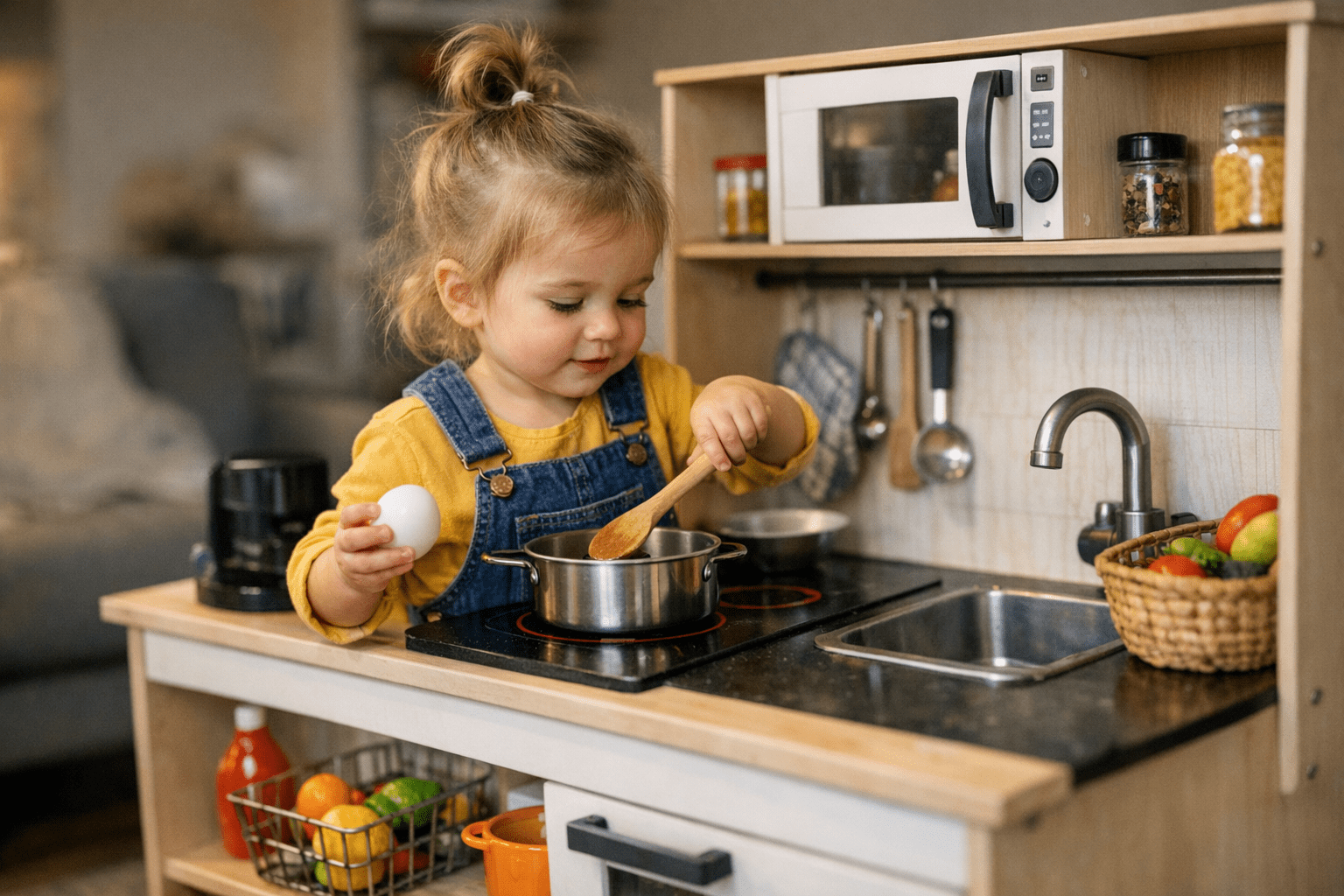
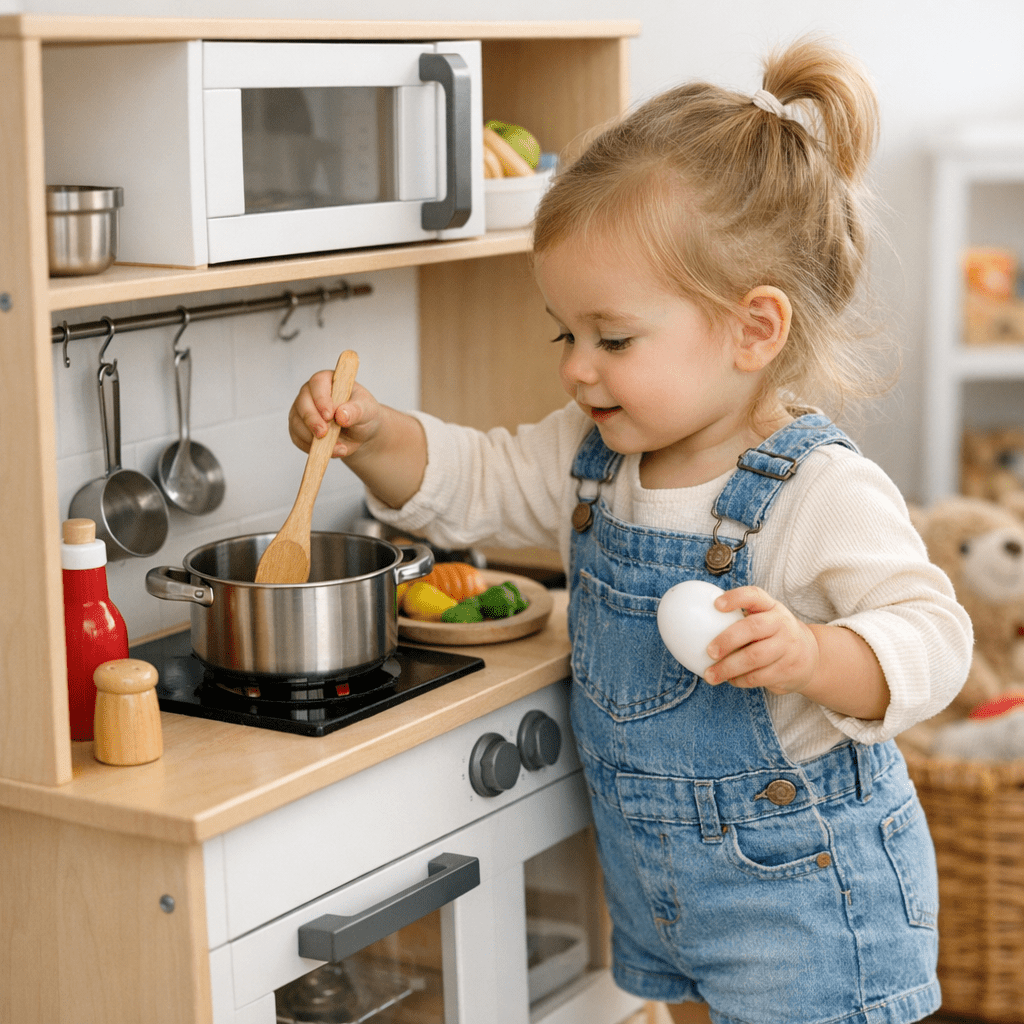
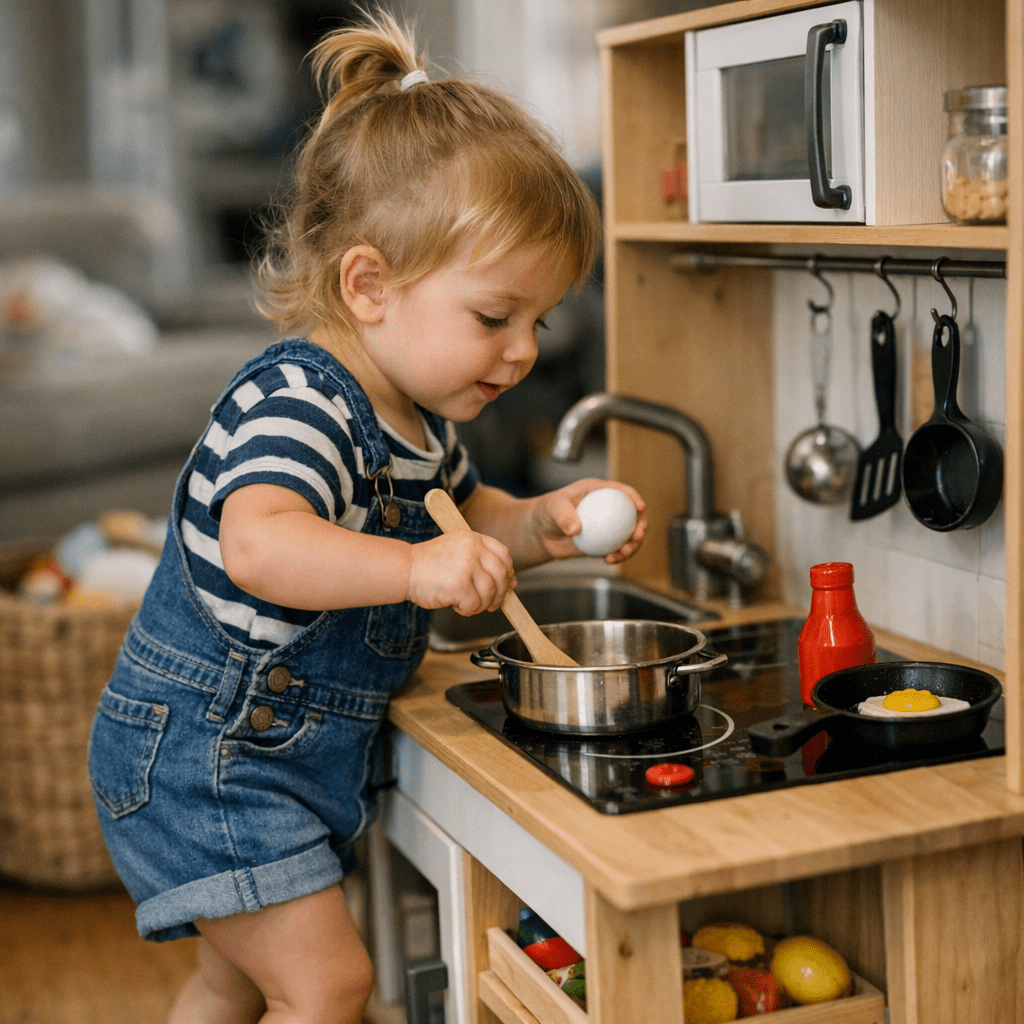
Picture this: your toddler is standing on tiptoes, “cooking” an imaginary meal with a wooden spoon in one hand and a plastic egg in the other. Maybe they’re stirring air soup or pretending to call out orders like they’re running their own restaurant. It’s adorable—and also exactly why play kitchens are such a hit with kids. But if you’ve ever tried to pick one, you know it’s not as simple as grabbing the first cute set you see. There are endless options, price points, and features to wade through, and not all of them suit every kid—or every space.
So how do you choose the right play kitchen set? You’ll want something that matches your child’s age, interests, and imagination level without turning into an overpriced living room eyesore. Let’s break it down step by step.
—
Start with Age: Why Size (and Safety) Matters
Toddlers grow fast—like really fast—and that can make choosing a play kitchen tricky. Too small, and it’ll end up collecting dust once they outgrow it in six months; too big or complicated, and younger toddlers might get frustrated or overwhelmed. Here’s what works best by age range:
12–24 Months
For this age group, simple is key. Look for smaller kitchen sets with minimal moving parts—think knobs that twist or doors that open but no tiny accessories they could swallow. Sturdy plastic models like the Little Tikes “First Kitchen” sets work well because they’re lightweight (aka easy to move) and built to survive all kinds of toddler chaos. I’ve seen these things take full-body tackles without cracking! Bonus: they’re also super easy to wipe clean after snack-time messes invade playtime.
2–3 Years
Now’s when toddlers start getting more into pretend play, so look for sets that introduce interactive elements like clicking stove knobs or toy faucets. At this stage, kids love copying what they see adults doing—making “coffee,” loading pretend groceries into cabinets—so kitchens with built-in shelves or small storage areas are great for encouraging organizational games too.
One tradeoff here is material: while wooden sets tend to be sturdier and more aesthetically pleasing (you won’t cringe every time it shows up in your family photos), plastic ones are often lighter and easier to move around if you need flexibility.
4+ Years
Preschoolers are ready for bigger setups with lots of bells and whistles—not literally unless you enjoy constant noise—but think lights on the stovetop burners or sounds when opening an oven door. They’ll also appreciate realistic details like hanging hooks for utensils or even a chalkboard menu where they can scribble daily specials.
At this stage, durability becomes even more critical because older kids bring energy. If there’s one thing I’ve learned from my nieces smashing everything at full speed, it’s this: invest in sturdy materials now so you don’t regret it later.
—
Match Their Interests: What Does Your Toddler Love Most?
Not all kids use play kitchens the same way—you’d be surprised how much personality shines through during pretend cooking sessions! Here are some common interests to consider:
Los 7 mejores sets de maquillaje para niñas bajo $50 en 2024: guía práctica con
- Is Your Kid a Mini Chef?
If your child already loves “helping” in the real kitchen (dumping flour everywhere counts), look for realistic features like working dials or faux food sets that mimic actual ingredients. Sets like KidKraft’s Farm-to-Table Kitchen come complete with fake veggies kids can “chop.” It might even inspire them to eat more greens—well… maybe.
- Do They Love Hosting?
Some toddlers turn their play kitchen into full-on restaurants where you’re expected to place orders and tip generously (don’t skimp on those imaginary dollars). For these budding hosts, prioritize kitchens with serving windows or counter spaces where they can plate meals before sliding them over.
- Are They Into Gadgets?
Kids obsessed with buttons will flip over modern-style play kitchens featuring battery-operated microwaves or ice makers that spit out toy cubes at the push of a button. Just don’t forget extra batteries—you’ll thank me later.
—
Space Check: Where Will It Go?
Let’s face it: most of us aren’t working with unlimited space when adding bulky toys into our homes. Before committing to any specific set, measure where you plan on placing it AND consider how portable it needs to be.
- Small Spaces: Opt for compact designs like corner kitchens or foldable sets that pack away easily after use.
- Playrooms: If space isn’t an issue (lucky you), go big! Larger setups often include extras like dish racks or pretend recycling bins.
- Shared Spaces: Choose neutral colors or wooden finishes if aesthetics matter—it helps avoid clashing eyesores when toys live permanently in your living room.
—
Budget Breakdown: Splurge vs Save
Here’s where things get personal because let’s be honest—not everyone wants (or needs) a $300 designer play kitchen just because Instagram says so. The good news? Great options exist across all price ranges:
| Price Range | Features Typically Included |
|——————|———————————————————————————————|
| Under €50 | Basic plastic models; limited accessories; great for 1–2-year-olds |
| €50–€150 | Mid-range wood/plastic hybrids; moderate accessories; interactive elements start appearing |
Cómo iniciar un negocio de dropshipping de juguetes desde cero: guía práctica co
| €150+ | High-end wood builds; advanced features like lights/sounds; larger size & storage capacity |
If budget is tight but you still want something special, keep an eye out during holiday sales—or consider buying secondhand from local marketplaces online!
—
Real-Life Example: My Niece’s Unexpected Favorite Feature
Here’s one thing I didn’t expect when I got my niece her first play kitchen last year: she couldn’t care less about half the fancy features I thought she’d love! She ignored the light-up stovetops completely but spent HOURS pretending her mini fridge was a grocery store checkout counter instead. The takeaway? Kids have wild imaginations—they’ll repurpose whatever sparks joy regardless of how manufacturers intended things to work.
This is why flexibility matters so much when picking a set—don’t stress about checking every single feature box upfront because chances are your kid will surprise you anyway!
—
Final Thoughts: Let Them Lead
At its core, choosing the right play kitchen isn’t about finding the perfect product—it’s about giving your toddler tools that spark creativity while keeping things practical (for both them AND you). Think about their personality first before diving into specifics—and remember there aren’t any hard rules here! Whether you splurge on top-tier wood craftsmanship or grab something affordable off Amazon Prime Day doesn’t matter nearly as much as whether your kid actually enjoys using it day-to-day.
Need help narrowing down choices? Check out this guide for budget-friendly options under €100—or explore interactive chef stations if gadgets are their thing! And if you’re shopping for future entrepreneurs who love running stores instead of just cooking meals… learn more about other creative toy ideas designed specifically around imaginative roleplay scenarios!
Related Links
How to Find High-Demand Kitchen Playsets for Dropshipping in the US Market: Practical Playbook with Real Examples - Crown Toys
[…] How to Choose the Right Play Kitchen Set for Your Toddler’s Age and Interests: Practical Playbook … […]
How to Choose the Most Realistic Play Kitchen Set for Kids in 2026: Practical Playbook with Real Examples - Crown Toys
[…] How to Choose the Right Play Kitchen Set for Your Toddler’s Age and Interests: Practical Playbook … […]
3-in-1 Princess Vanity Desk vs. Little Chef’s Deluxe Kitchen: Which Makes a Better Gift for 4-Year-Olds?: Practical Play - Crown Toys
[…] How to Choose the Right Play Kitchen Set for Your Toddler’s Age and Interests: Practical Playbook … […]